 Air Mobility
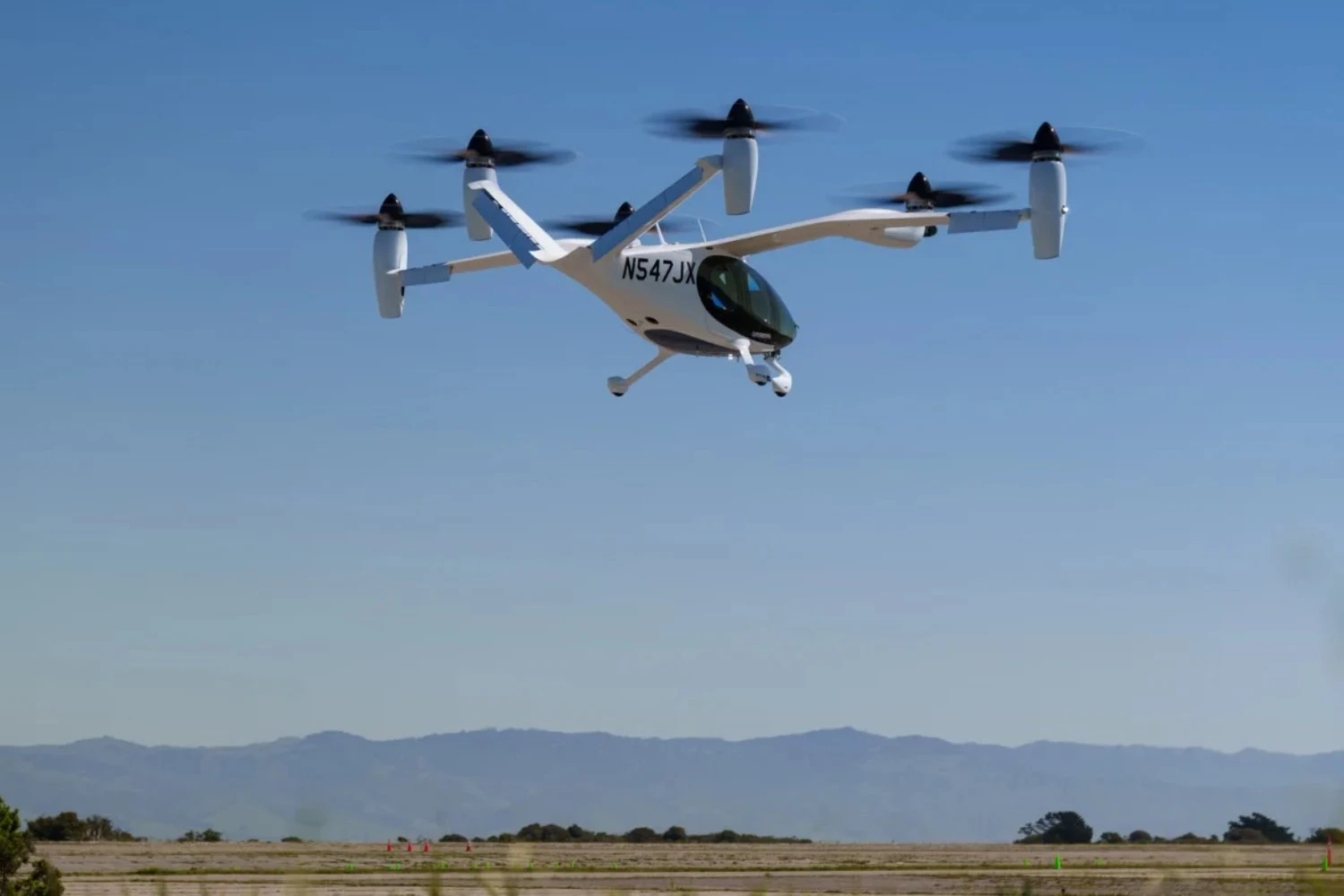
Joby Aviation has begun flight testing the first aircraft built for the final certification phase of its electric air taxi program.
The aircraft, registered N547JX, conducted its initial flight at the company’s test facility in Marina, California. Early flights are being carried out by Joby pilots before Federal Aviation Administration (FAA) crews begin “for credit” tests later this year.
Those flights are part of the Type Inspection Authorization (TIA) process, during which FAA pilots and engineers evaluate the aircraft to verify that it meets the performance and safety requirements needed for type certification.
The aircraft now flying is the first in a group being assembled specifically for the certification campaign. According to Joby, the airframe and systems were produced using designs approved by FAA engineering representatives and inspected by designated airworthiness authorities under the company’s test plans.
The milestone follows earlier testing with prototype aircraft. In 2025, Joby completed a piloted flight between two public airports in California, flying from Marina Municipal Airport to Monterey Regional Airport. The 10-nautical-mile mission included vertical takeoff, transition to wingborne flight, integration into controlled airspace and a vertical landing.
Joby says it has accumulated more than 40,000 miles of flight testing with its eVTOL aircraft.
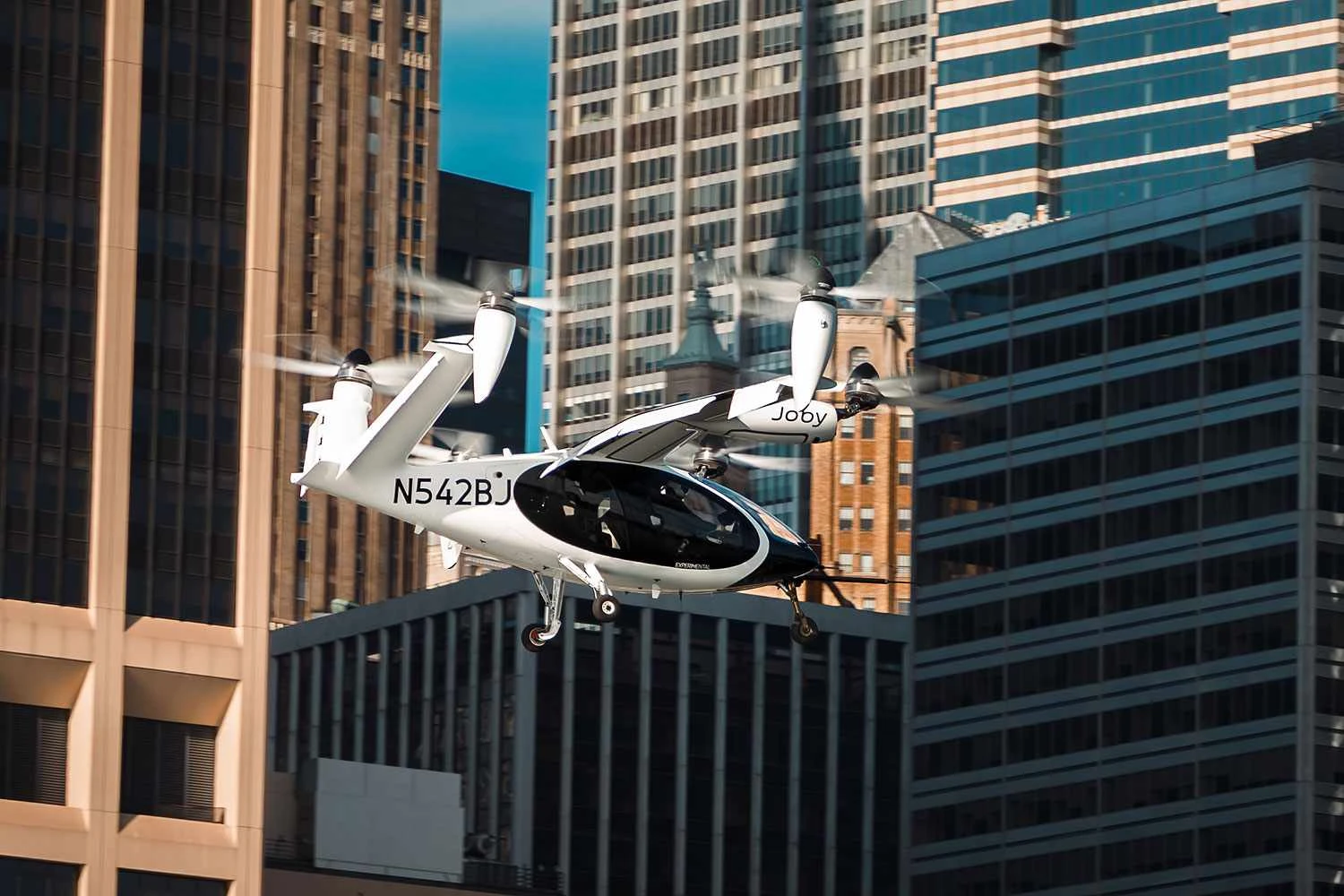
The company is developing an electric vertical takeoff and landing aircraft designed to carry four passengers and a pilot on short regional routes. Initial operations are planned in cities including Los Angeles and New York.
Manufacturing capacity is also being expanded to support production. Joby completed an enlarged manufacturing facility in Marina in 2025 and recently acquired a 700,000 square-foot factory in Dayton, Ohio. The company aims to reach a production rate of four aircraft per month by 2027, with longer-term plans that could support deliveries of up to 500 aircraft annually.