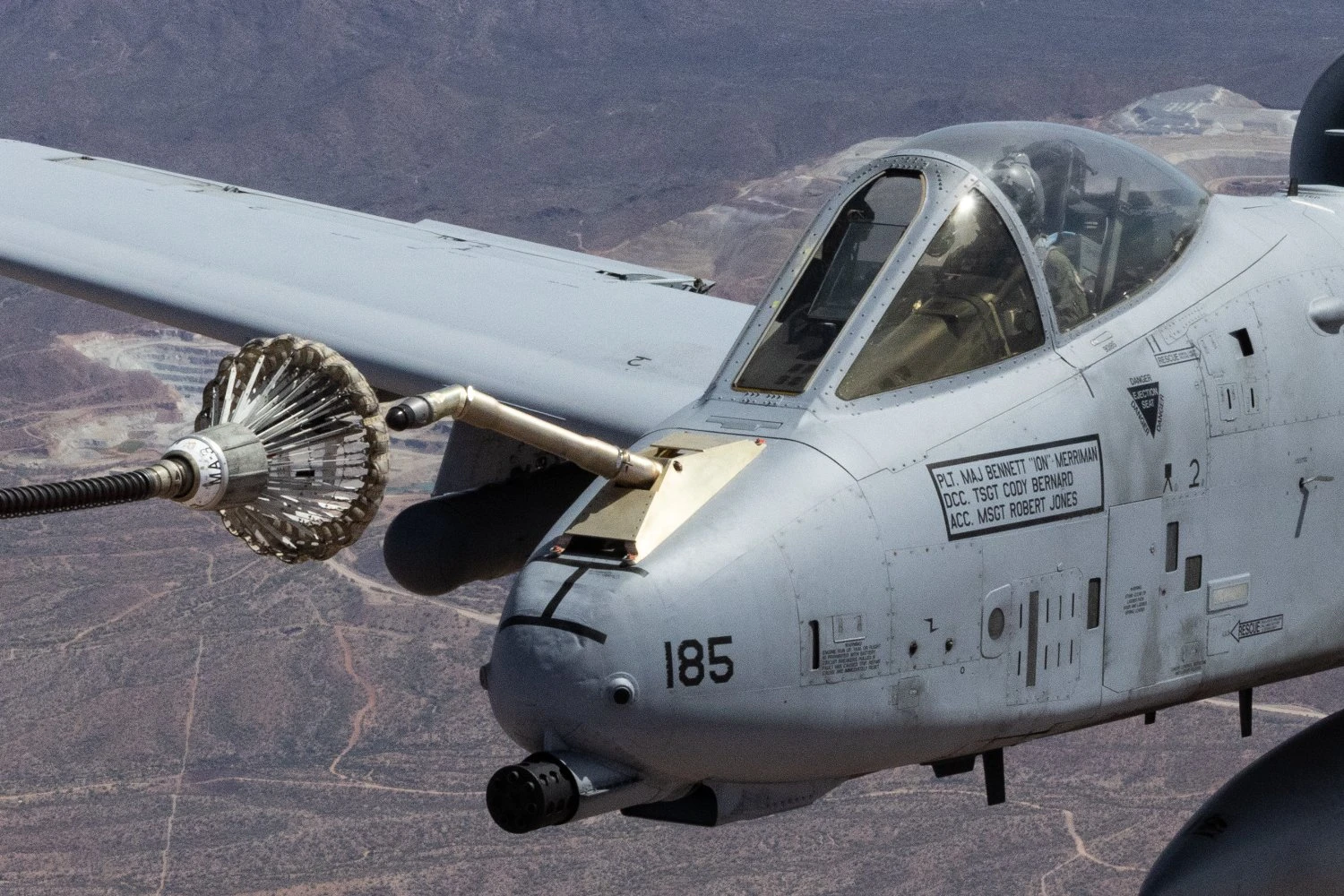
The U.S. Air Force (USAF) has introduced a new refueling capability for the A-10 Thunderbolt II, enabling the aircraft to receive fuel using the probe-and-drogue system in addition to its traditional boom method.
The modification is based on a device known as the Probe Refueling Adapter, which fits into the aircraft’s existing refueling receptacle on the nose. The adapter converts the A-10 from a boom-only configuration to one compatible with hose-and-drogue tankers, a system widely used by the U.S. Navy, Marine Corps and many allied air forces.
The probe-and-drogue method uses a flexible hose extended from the tanker, ending in a funnel-shaped drogue that connects to a probe on the receiving aircraft. This differs from the U.S. Air Force’s standard boom system, where a rigid, telescopic tube is guided into a receptacle by a boom operator.
Recent news
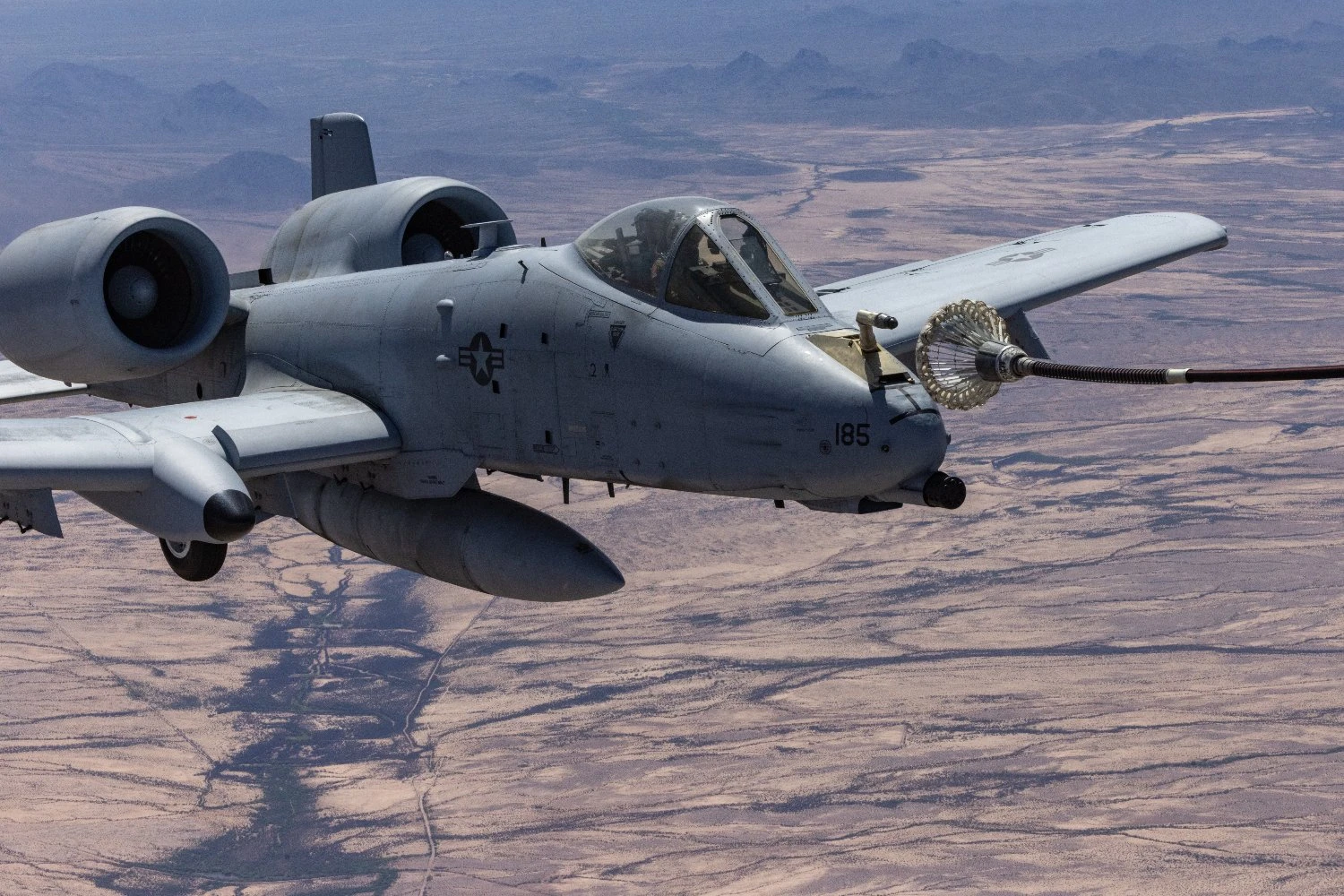
The new capability was developed in response to an operational requirement from a combatant command, as A-10 units faced limited refueling options. The retirement of KC-10 tankers and restrictions on KC-46 operations with the A-10 left the aircraft reliant on KC-135 tankers.
That dependency created operational constraints, as the A-10’s lower speed and lighter weight make refueling with larger boom-equipped tankers less efficient. By contrast, C-130-based tankers such as the HC-130J operate at speeds and altitudes better suited to the A-10’s flight profile and are commonly used in close air support and combat search and rescue missions.
With the adapter, A-10s can now refuel from those aircraft, expanding deployment flexibility and aligning tanker support with mission requirements.
The system is designed as a field-installable solution, allowing maintenance crews to fit or remove the adapter in a matter of hours. This enables units to switch between boom and probe refueling depending on the mission.
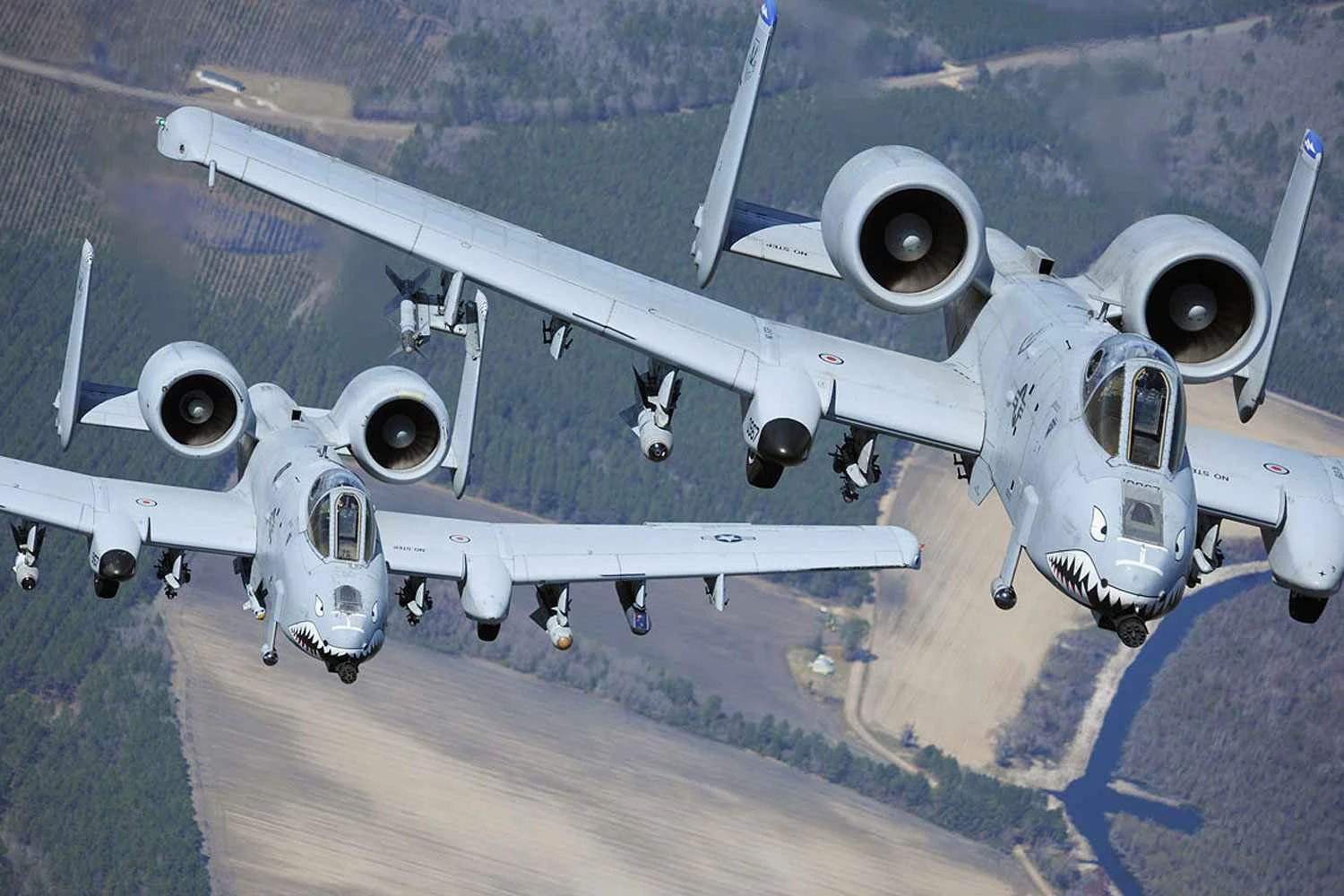
The development effort was led by the Air National Guard Air Force Reserve Command Test Center, with support from multiple organizations, including the A-10 System Program Office and industry partners. The first refueling flight using the adapter was conducted on April 2 with an HC-130 tanker and approved by the Air Refueling Certification Authority.