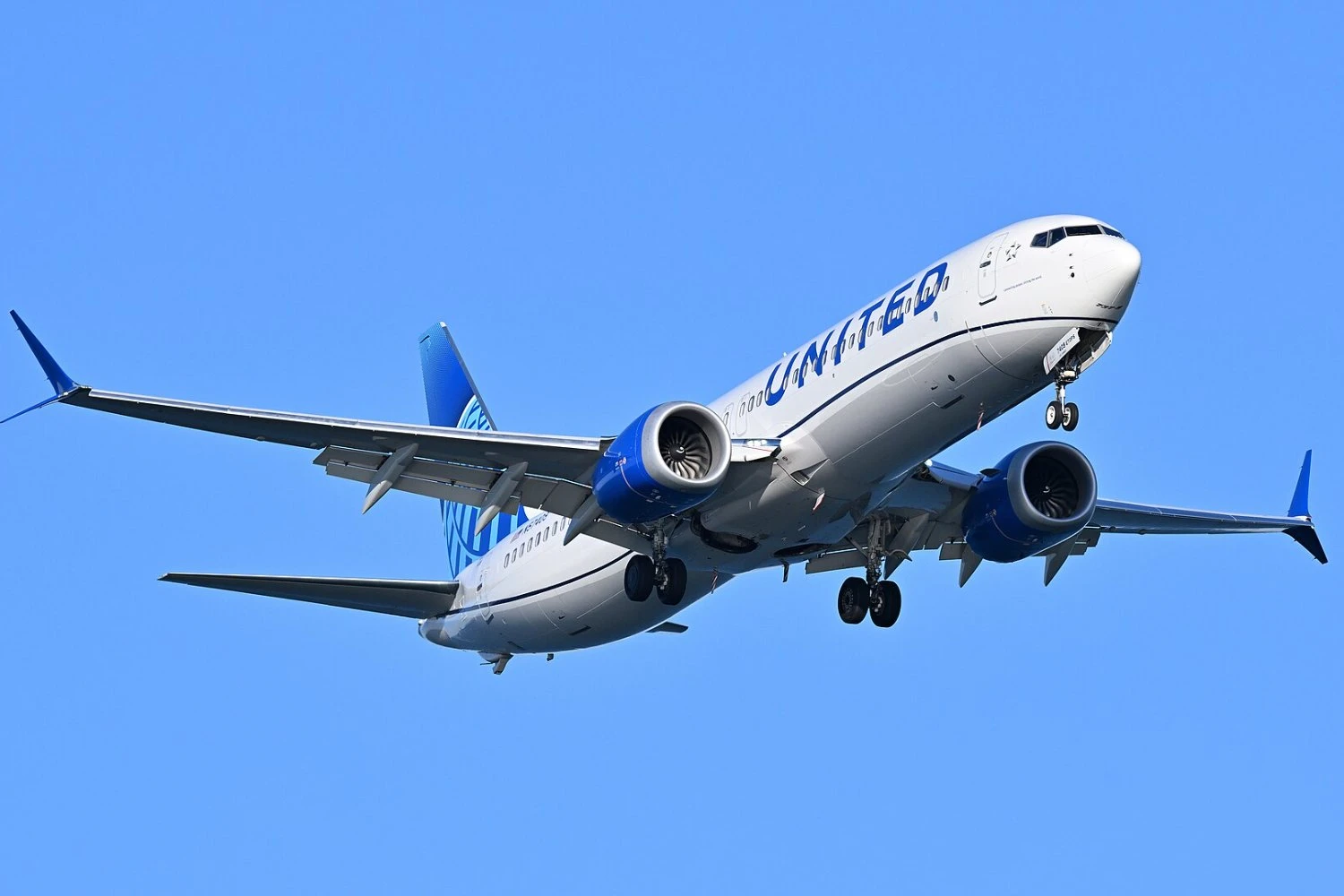
United Airlines announced on Wednesday, November 11, that it will restrict third-party artificial intelligence agents from booking flights and performing other transactions on behalf of passengers. The U.S. carrier cited security and regulatory concerns as AI-powered assistants become increasingly capable of handling travel arrangements without direct human intervention.
The restrictions will apply to unauthorized AI agents accessing United's website and app, as well as those operating indirectly through travel agencies and ticket aggregators. The airline said it is updating its booking, ticketing and distribution policies to enforce the new rules.
The decision does not prevent AI assistants from displaying United's flights and fares. However, these tools will not be allowed to complete reservations through the airline's systems without authorization, according to The Wall Street Journal.
United has not announced a specific implementation timetable. According to Travel Weekly, the airline has not yet reached any agreements authorizing third-party AI agents to make bookings, but it will honor reservations completed by such tools before November 11.

Security and regulatory concerns
United argues that giving AI assistants access to customer accounts could expose sensitive personal information and lead to unintended purchases, reservation changes or the use of MileagePlus frequent-flyer miles without the passenger's knowledge.
The company also raised concerns about compliance with Federal Aviation Administration (FAA) and Department of Transportation (DOT) requirements. One example involves flight check-in, when passengers must acknowledge that their baggage does not contain prohibited materials, including explosives.
Follow Air Data News: WhatsApp | Instagram | LinkedIn | Twitter | Facebook
Automating this step without direct passenger confirmation could create regulatory problems, according to the airline. United plans to update its Digital Trust Center to explain the restrictions and provide guidance to customers who experience unintended actions by AI assistants.
The carrier said it would continue evaluating how third-party AI tools interact with its services, leaving open the possibility of authorizing certain platforms in the future.

United wants to avoid another intermediary
Beyond the security concerns, the decision also highlights a commercial dispute over who controls the relationship between airlines and passengers.
Speaking at an event in Chicago on Tuesday, United CEO Scott Kirby said he did not want to create another intermediary between the airline and its customers, according to The Wall Street Journal.
AI agents could become a new distribution channel, allowing travelers to compare fares, select flights and purchase tickets without directly visiting airline websites or conventional online travel agencies. For carriers, this raises questions about control over sales, customer data and the cost of distributing tickets.
Other U.S. airlines are taking different approaches. Delta Air Lines has indicated that properly authenticated AI assistants can make reservations, subject to additional safeguards for sensitive transactions. Southwest Airlines, meanwhile, has introduced a ChatGPT integration that allows users to search for flights through the AI platform.
Related news
November 05, 2026

November 02, 2026
United's restrictions also come as travel companies experiment with automated booking services. Expedia and Booking.com are among the businesses developing integrations with AI platforms, creating new ways for consumers to search for and arrange trips.
See also: United and JetBlue's ticket sales and loyalty partnership.