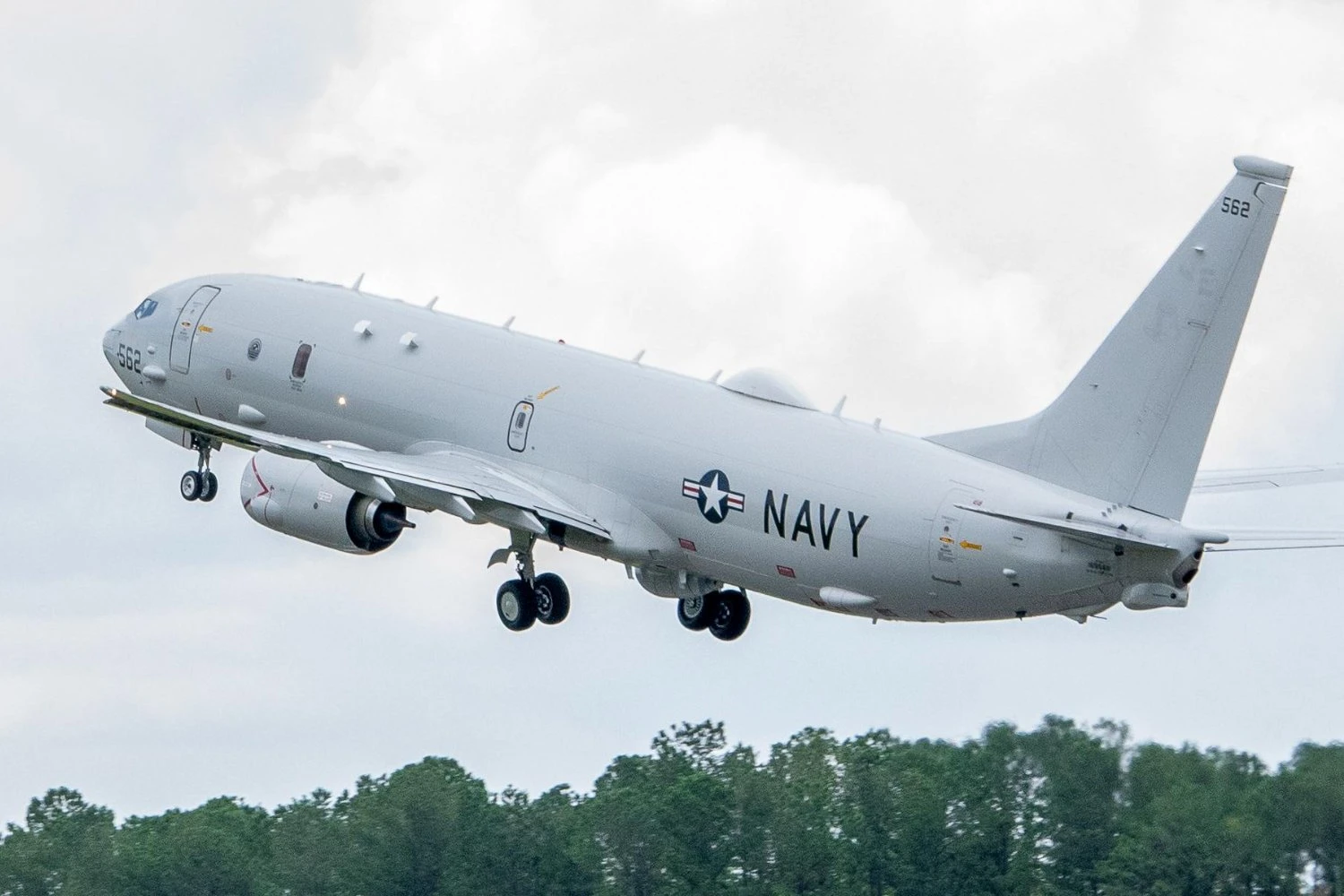
The U.S. Navy has declared initial operational capability for a major upgrade package for the Boeing P-8A Poseidon, adding new sensors, communications systems and anti-submarine warfare capabilities to its primary maritime patrol aircraft.
The upgrade, known internally as Increment 3 Block 2, recently completed its first phase of operational testing with U.S. Navy evaluators.
While the official designation is highly technical, the changes are aimed at making the aircraft more effective at detecting submarines, tracking ships and sharing data across military networks.
Follow Air Data News: WhatsApp | Google News | Instagram | LinkedIn | Twitter | Facebook
The updated Boeing P-8 Poseidon receives upgraded onboard computers, improved satellite communications, new antennas, additional sensors and changes to the aircraft’s airframe to support the new equipment.
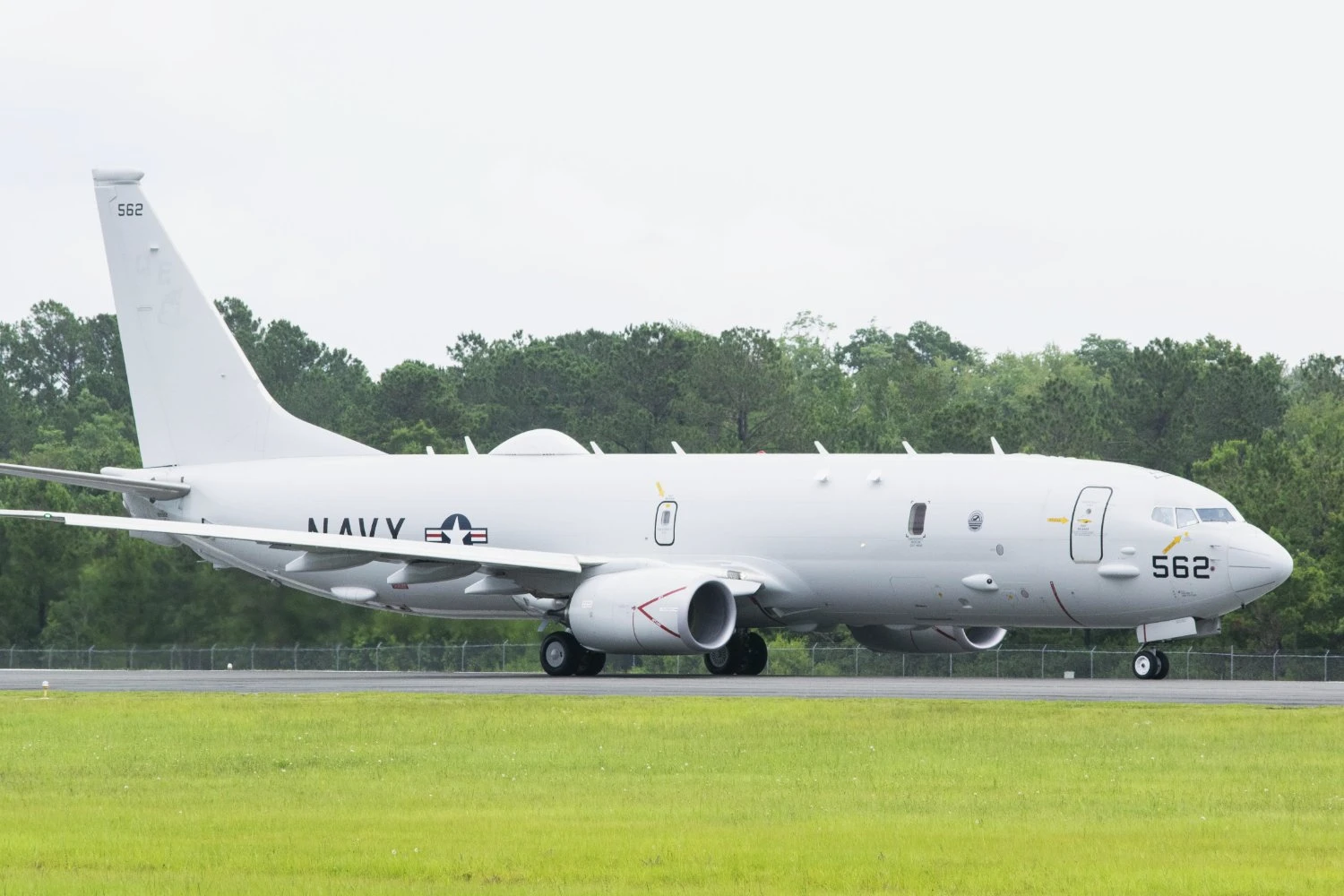
The package also adds enhanced acoustic systems used to process data from sonobuoys, which help crews locate submarines underwater.
U.S. Navy officials said the aircraft also received improved signals intelligence capabilities, allowing it to gather more information about threats operating at sea.
Related news

September 16, 2026
September 15, 2026
Based on the Boeing 737-800 airframe, the P-8 entered service as the replacement for the aging Lockheed P-3 Orion and has become one of the Navy’s most important assets for anti-submarine warfare, maritime surveillance and anti-ship missions.
The aircraft can carry torpedoes, anti-ship missiles and surveillance equipment while operating over long distances.
The latest upgrade comes as the U.S. military increases its focus on submarine threats from countries such as China and Russia, both of which continue expanding their naval capabilities.