 Air Transport
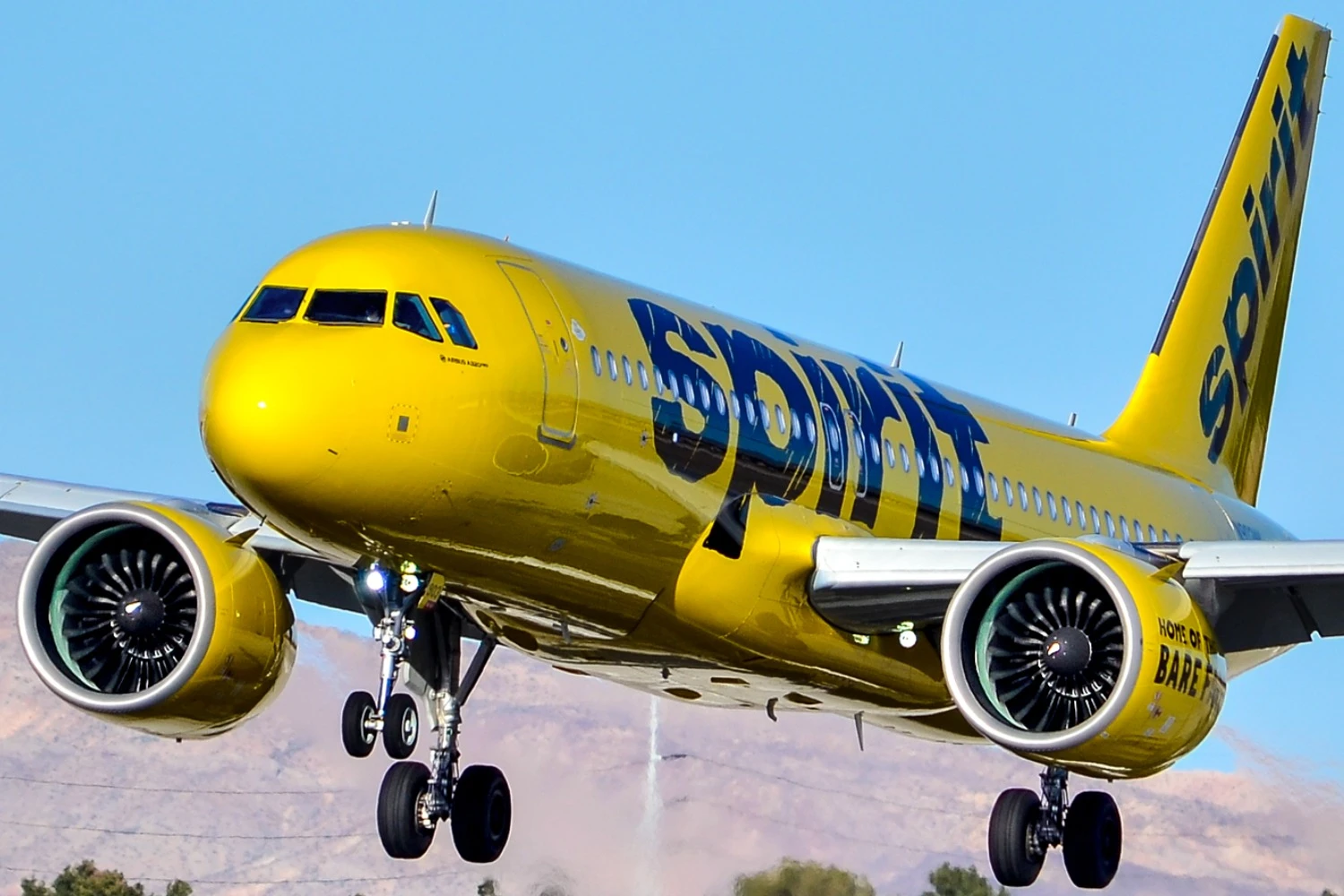
Less than five months after emerging from Chapter 11 bankruptcy, Spirit Airlines is once again warning about its operational future. The U.S. ultra-low-cost carrier, instantly recognizable by its bright yellow jets, disclosed in its Q2 earnings report that there is “substantial doubt” about its ability to continue flying over the next 12 months.
The warning comes amid challenging domestic market conditions. Excess seat capacity and weaker demand for leisure travel have driven down fares and squeezed margins, making recovery more difficult.
To preserve cash, Spirit has announced plans to furlough about 270 pilots, demote 140 others, and sell assets including aircraft, real estate, and airport gate slots.
Adding to the pressure, its credit card processor has demanded higher collateral, threatening to terminate the contract at year’s end. Analysts note that the carrier’s liquidity covenants require faster financial improvement than currently projected, increasing uncertainty.
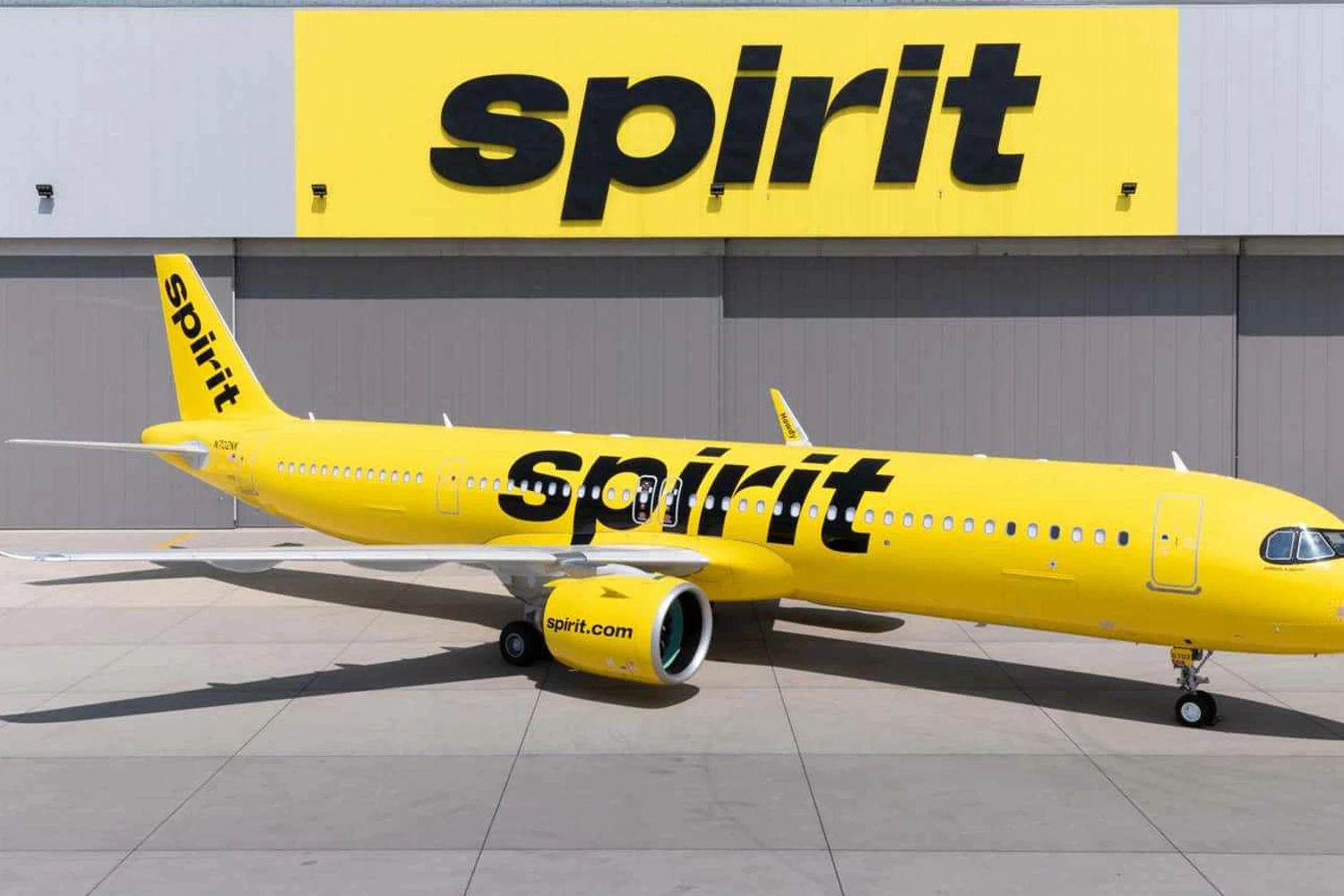
Much of the A320neo fleet is grounded
Spirit became the first major U.S. airline since 2011 to file for Chapter 11, after years of losses and failed merger attempts, including a high-profile bid from JetBlue.
Its court-approved restructuring in March was seen as a fresh start, but the latest going-concern warning sent shares plunging more than 40% on the New York Stock Exchange.
The airline is betting on business model adjustments, such as launching a premium economy cabin, to regain customers and boost revenue. Even so, its financial outlook remains turbulent, and the coming months will be critical to determine whether Spirit can stay airborne.
Spirit has a fleet of 195 aircraft, all supplied by Airbus, including 141 A320s (91 of which are Neo variants) and 54 A321s (32 of which are A321neos).
The airline, however, is facing serious grounding issues due to the unavailability of Pratt & Whitney GTF engines. Nearly 40 of the A320neos were grounded as of early August, according to Planespotters.