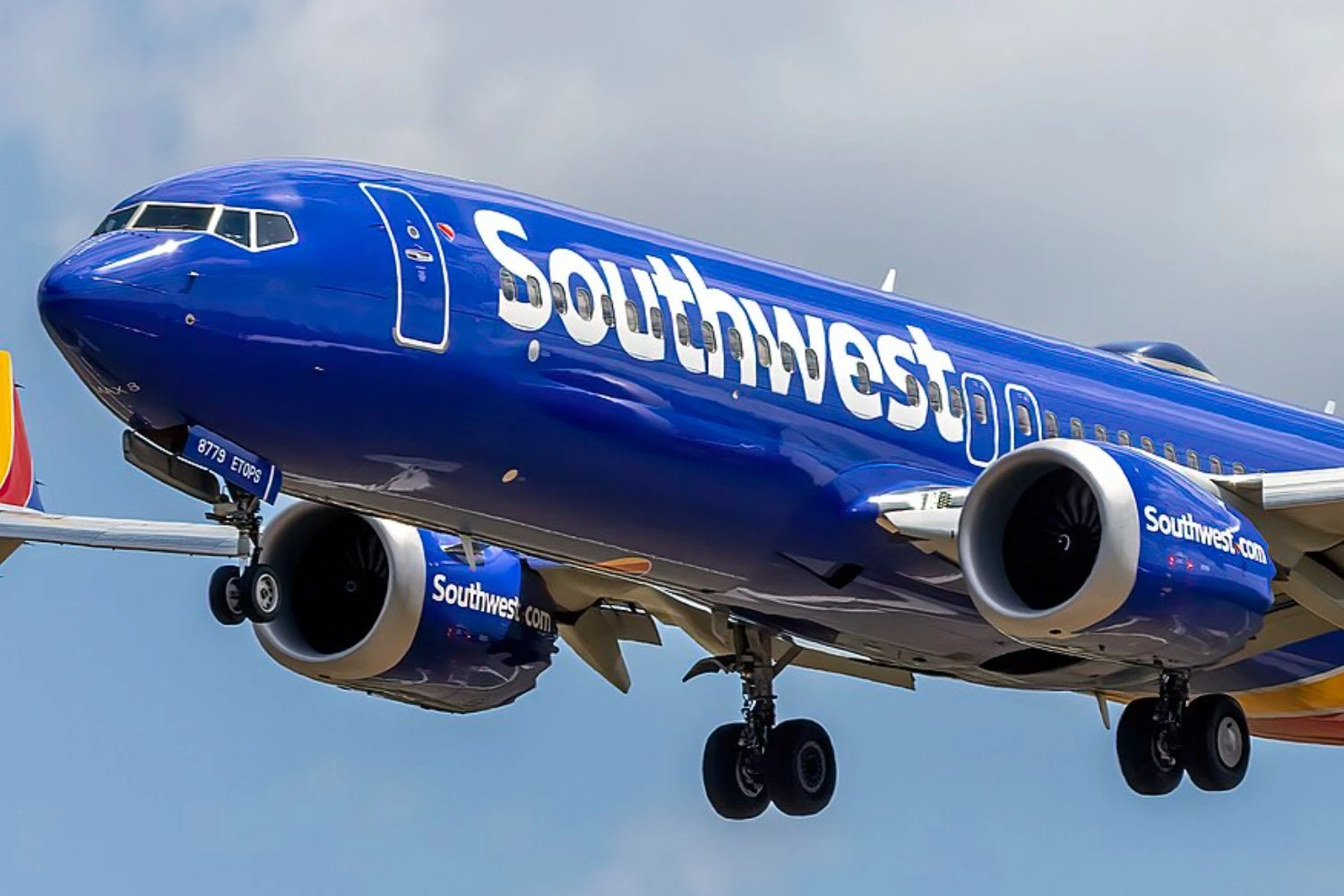
Southwest Airlines could abandon one of the most distinctive traditions in commercial aviation as it considers adding Boeing 787 Dreamliners to its fleet. The US carrier, which has operated exclusively Boeing 737 aircraft for more than five decades, is reportedly planning long-haul flights among several changes to its business model.
The Boeing 787 has emerged as the preferred aircraft, according to Reuters, which cited three people familiar with Southwest's plans. The airline has considered acquiring dozens of Dreamliners, although no final decision has been made and the number of aircraft remains uncertain.
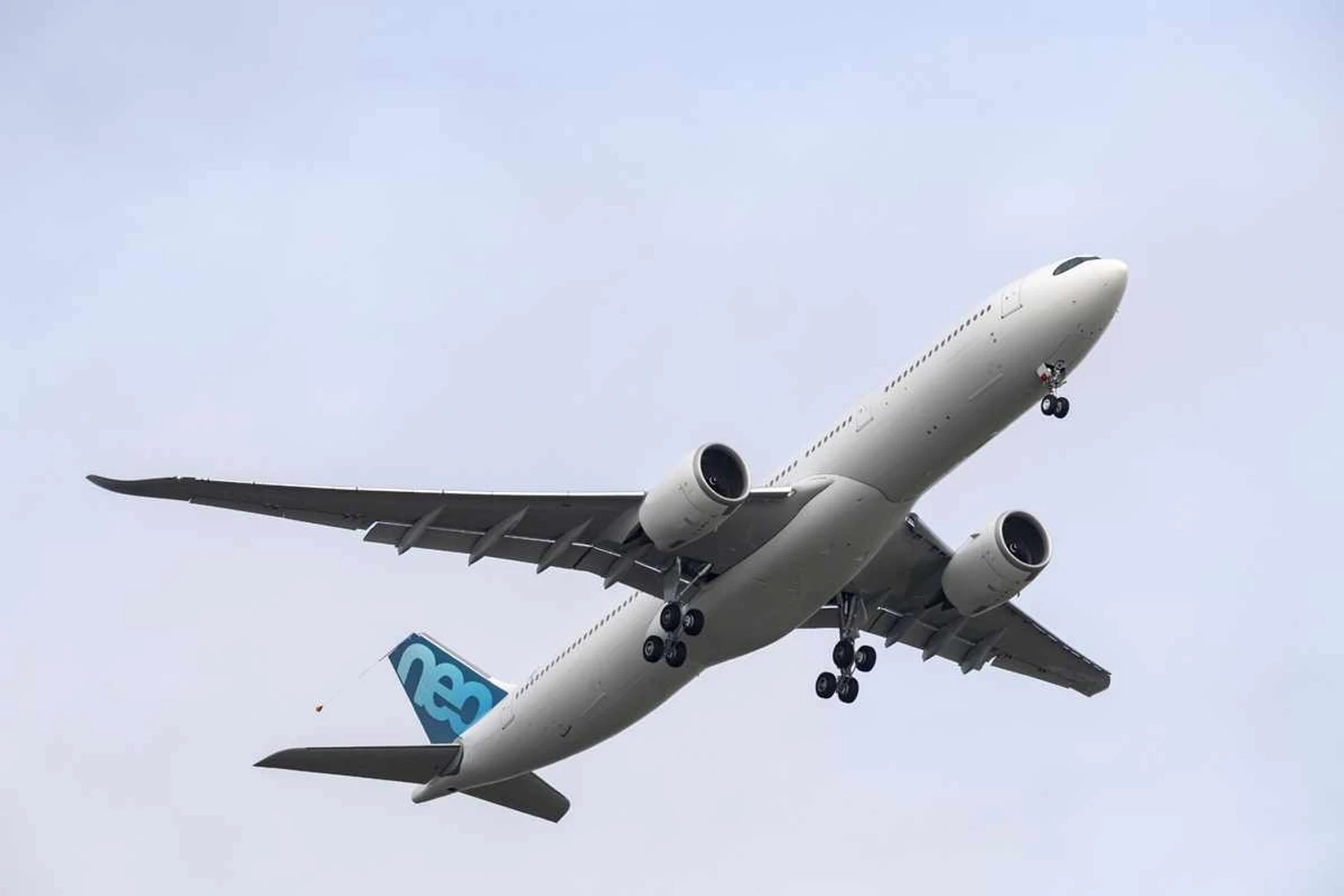
The discussions could lead to the launch of long-haul operations within approximately three years. Airbus has also presented alternatives, including the A321XLR and A330neo, but the Dreamliner reportedly has the advantage in the evaluation.
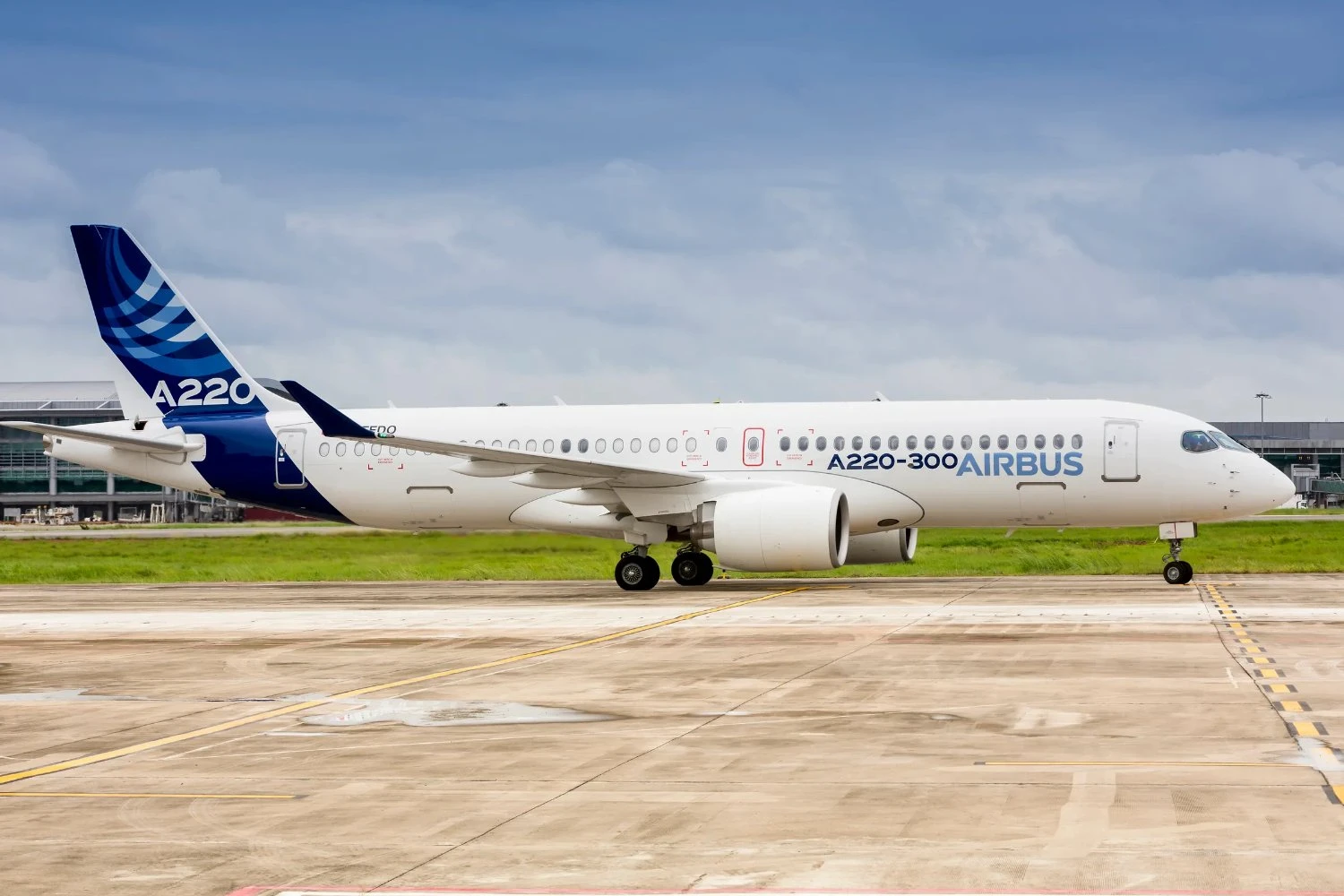
The airline's fleet evaluation also extends beyond widebody aircraft. Airbus has proposed the A220, a smaller and lighter aircraft than the 737 MAX 7 that Southwest is preparing to introduce into service.
Southwest began operations in 1971 with three Boeing 737s on routes between Dallas, Houston and San Antonio. The aircraft subsequently became inseparable from the airline's identity, which was built around low fares, frequent departures and a simplified operating structure.
Follow Air Data News: WhatsApp | Instagram | LinkedIn | Twitter | Facebook
For decades, the decision to use a single aircraft family helped Southwest reduce maintenance and training costs, simplify crew assignments and maintain operational flexibility. Even as its fleet expanded to more than 800 aircraft, the airline remained committed to successive generations of the 737.
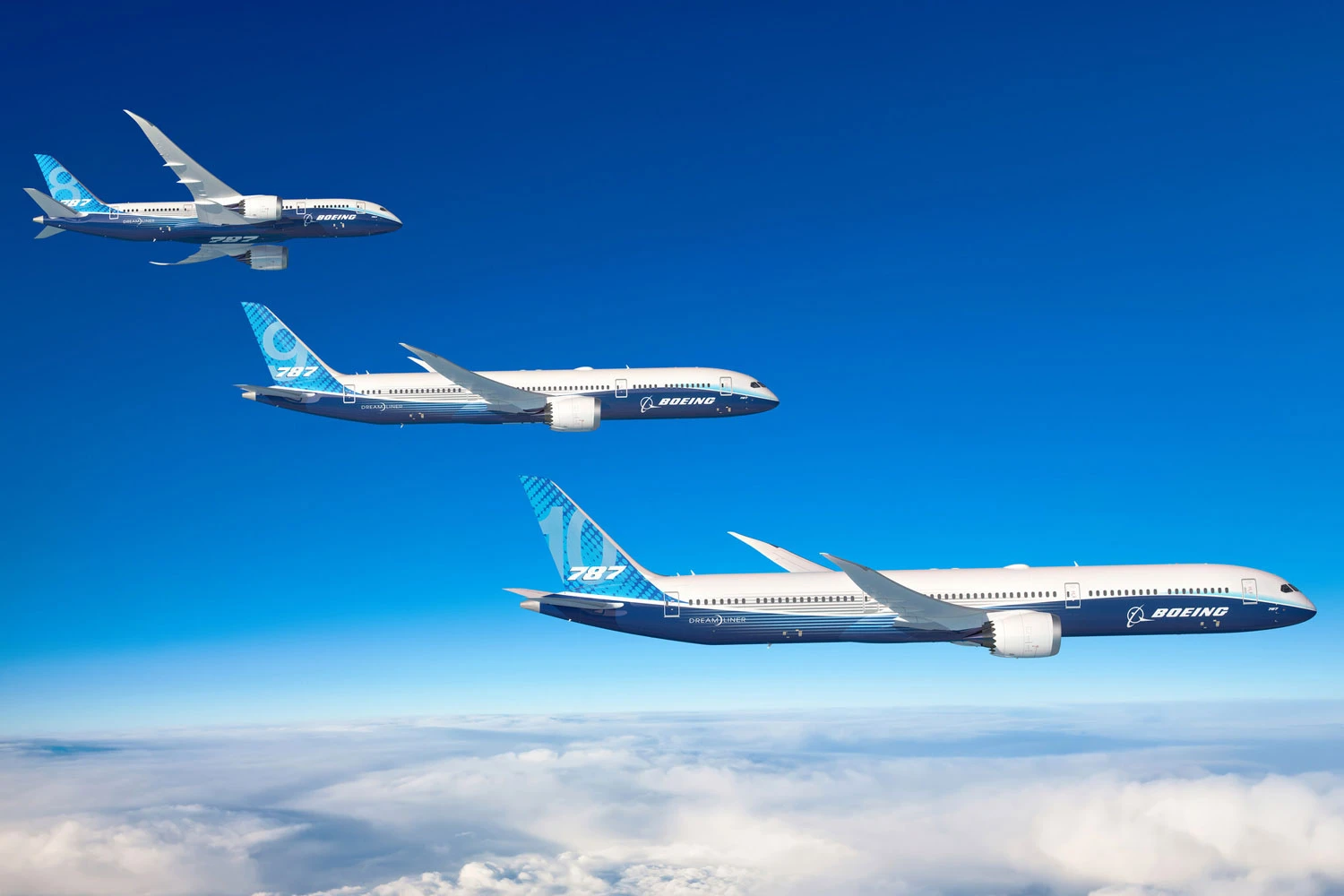
Adding the 787 would require Southwest to give up some of that simplicity. The airline would need new pilot qualifications, maintenance capabilities and infrastructure to support a widebody fleet. Long-haul flights would also put Southwest in more direct competition with American Airlines, Delta Air Lines and United Airlines in international markets.
Southwest is already changing its business model
The possible fleet expansion comes after Southwest began dismantling several other longstanding elements of its business model.
The airline has introduced assigned seating, baggage fees and premium seating options, departures from policies that helped distinguish it from traditional US network carriers. International partnerships and plans for airport lounges have also become part of its commercial strategy.
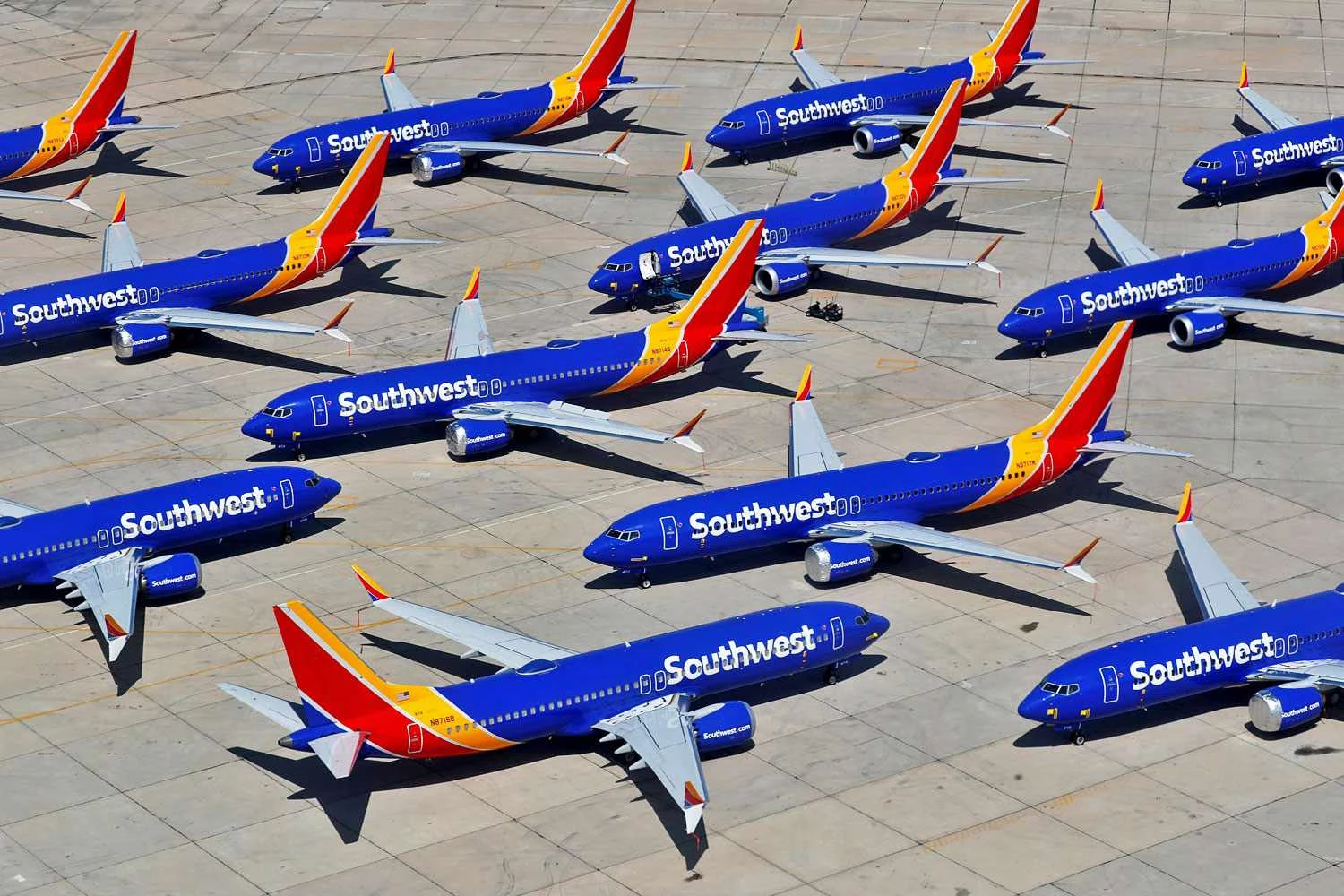
Long-haul flights would allow Southwest to retain customers who currently turn to competitors for intercontinental travel. Chief Executive Bob Jordan has previously suggested that eight to 12 long-haul destinations could serve a substantial portion of the international demand among the airline's existing passengers.
However, obtaining the aircraft could prove difficult. Boeing has limited 787 production availability through the end of the decade, which may force Southwest to explore leasing arrangements or acquire jets from other operators.
Alaska Airlines shows another path to long-haul expansion
Alaska Airlines provides an example of how a carrier historically associated with the 737 can enter the widebody market, although its circumstances are different.
Alaska acquired Hawaiian Airlines in 2024 and inherited a fleet of Airbus A330s and Boeing 787s, along with the crews and infrastructure required to operate long-haul services. It has since used those capabilities to develop international routes from Seattle, where it faces strong competition from Delta.
Southwest would have to build much of that operation from the ground up unless it pursued an acquisition or another arrangement with an established operator. Unlike Alaska, it would also be introducing a second aircraft family after decades of deliberately avoiding the additional complexity.
Another question is where Southwest would establish its long-haul operations. Baltimore/Washington could be a candidate for flights to Europe, given the airline's extensive domestic network at the airport. Denver is another major base, while Los Angeles and San Francisco would offer access to transpacific markets.
Southwest already has international partnerships with airlines from Europe and Asia, including Icelandair, EVA Air and Singapore Airlines. These agreements provide connections to overseas destinations through existing US gateways, but the introduction of its own long-haul services would require the airline to decide which routes could attract enough passengers to support a dedicated fleet.