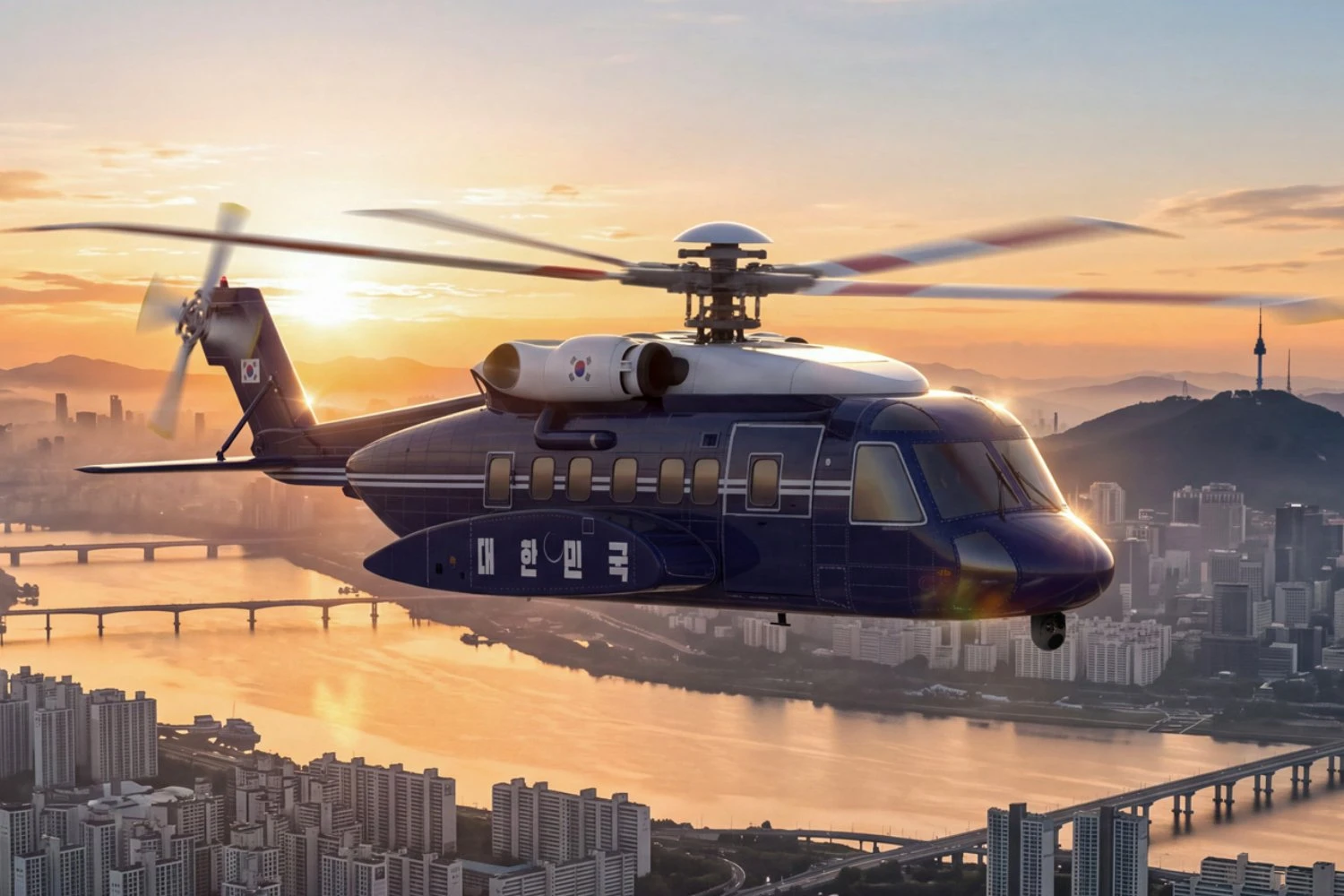
South Korea has selected four Sikorsky S-92A+ helicopters to replace its presidential transport fleet, continuing an association with the type that began nearly two decades ago.
The Republic of Korea Air Force (ROKAF) received three S-92s in 2007 and has since used them to transport the country's president. The new helicopters are being acquired under the Presidential Helicopter II program, replacing aircraft that will have been in service for more than two decades by the time the transition begins.
The program is valued at approximately ₩873 billion (US$ 610 million), according to South Korean reports, with replacement of the current fleet expected to begin in 2031. The acquisition increases the presidential fleet from three to four helicopters.
Korea Aviation Engineering & Maintenance Service (KAEMS), a subsidiary of Korea Aerospace Industries, will perform mission equipment completion in South Korea. The contract also includes special mission equipment, critical spare parts and field service support.
South Korea's selection concludes a competition that initially included four helicopter types. The country's Defense Acquisition Program Administration approved the acquisition of four new presidential helicopters in April 2025 and subsequently evaluated the Sikorsky S-92A+, Airbus H225M, Leonardo AW101 and Bell 525.

According to South Korean newspaper Maeil Business Newspaper, the other candidates ultimately failed to meet requirements involving price and performance, leaving the S-92A+ as the sole bidder in the final stage. The Defense Acquisition Program Promotion Committee formally approved the Sikorsky model on November 6.
Four helicopters for one president
Presidential helicopter operations normally involve more aircraft than the one carrying the head of state. Multiple helicopters can be used during a presidential movement, including decoys and backup aircraft, making it harder to identify which one is carrying the president and providing redundancy if another aircraft becomes unavailable.
Follow Air Data News: WhatsApp | Instagram | LinkedIn | Twitter | Facebook
South Korean reporting on the Presidential Helicopter II program has specifically identified those roles for the four-aircraft fleet. The current three S-92s can already be operated together during presidential movements, with the additional aircraft expanding that capacity.
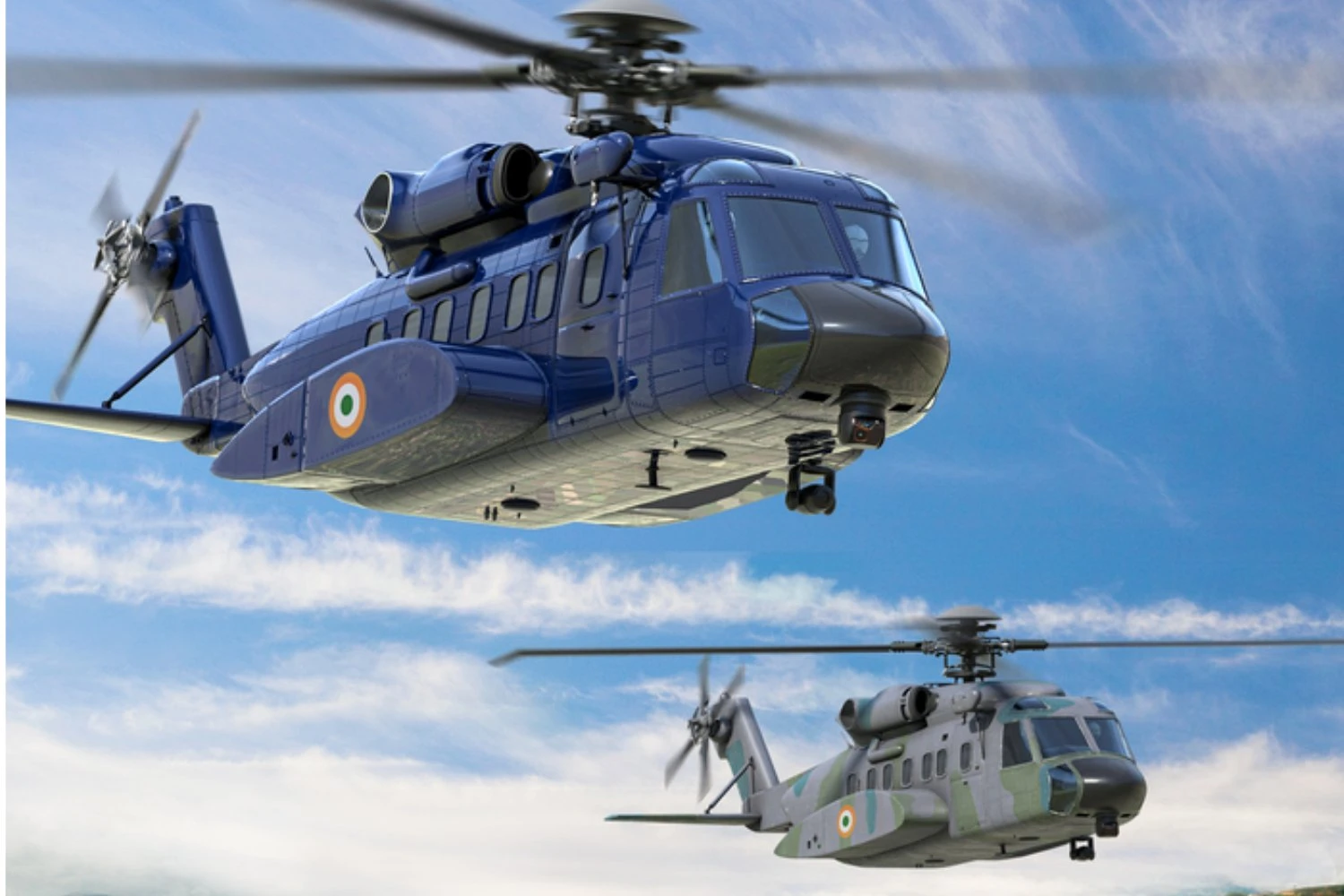
Sikorsky did not disclose a delivery schedule in announcing its selection. The company is ramping up S-92A+ production at Stratford, Connecticut, and Owego, New York, with capacity to build up to 12 helicopters annually.
New version of the S-92
The S-92A+ is an upgraded version of the helicopter already operated by the ROKAF. It incorporates updated engines and a new Phase IV main gearbox, along with increased payload or fuel capacity.
More than 300 S-92s have been delivered in 28 countries and the worldwide fleet has accumulated more than 2.6 million flight hours. The helicopter is widely used for offshore transport and search and rescue, but head-of-state transportation has become another established role for the type.
Sikorsky says S-92s are used for head-of-state transportation by 13 countries. Earlier this year, the company disclosed an order for two S-92A+ helicopters from an unidentified government that it described as the 14th nation to select the type for this mission.
Related news
September 23, 2026
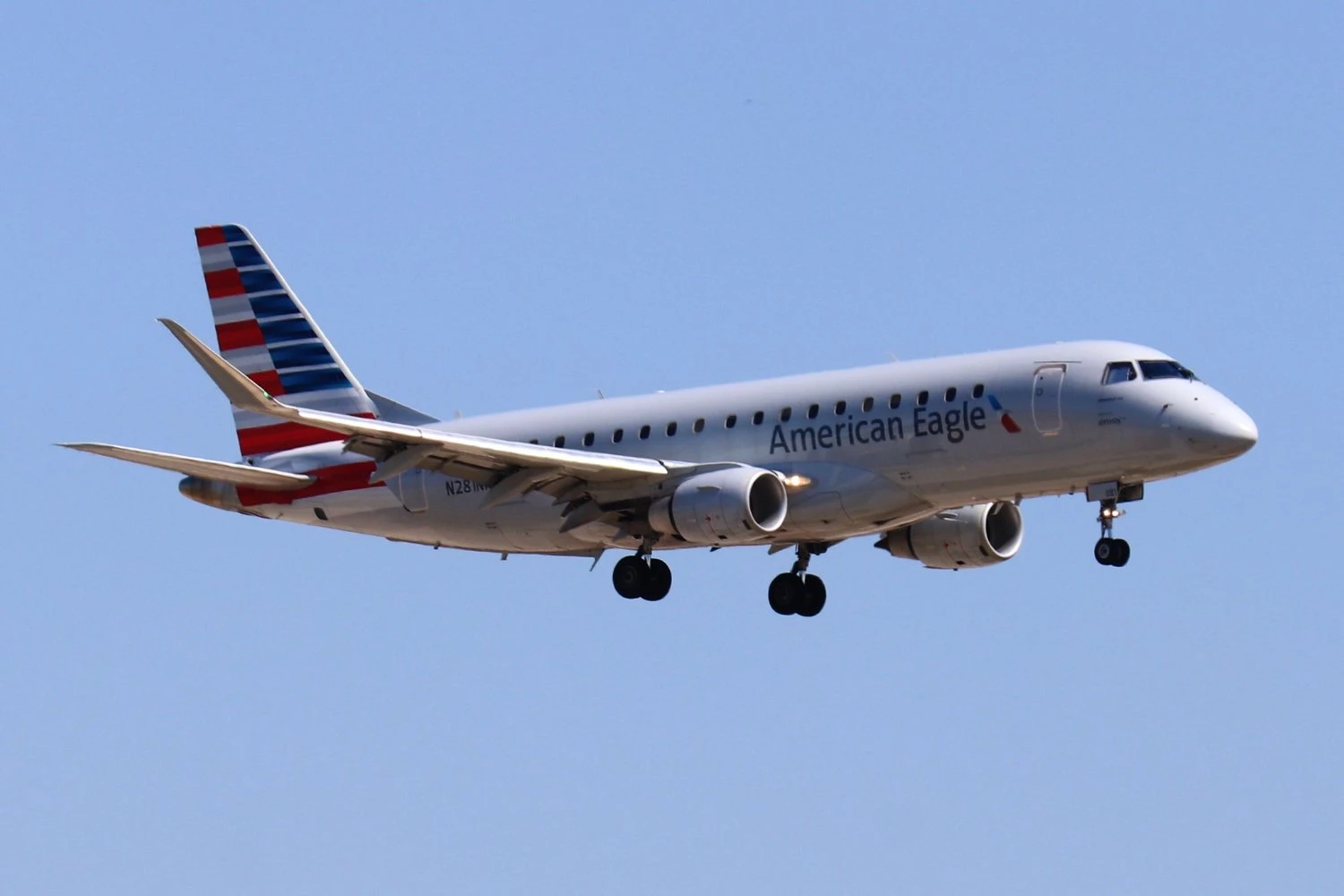
Turkey and Turkmenistan were among the early customers for presidential S-92s. The most heavily modified member of the family, however, serves the president of the United States.
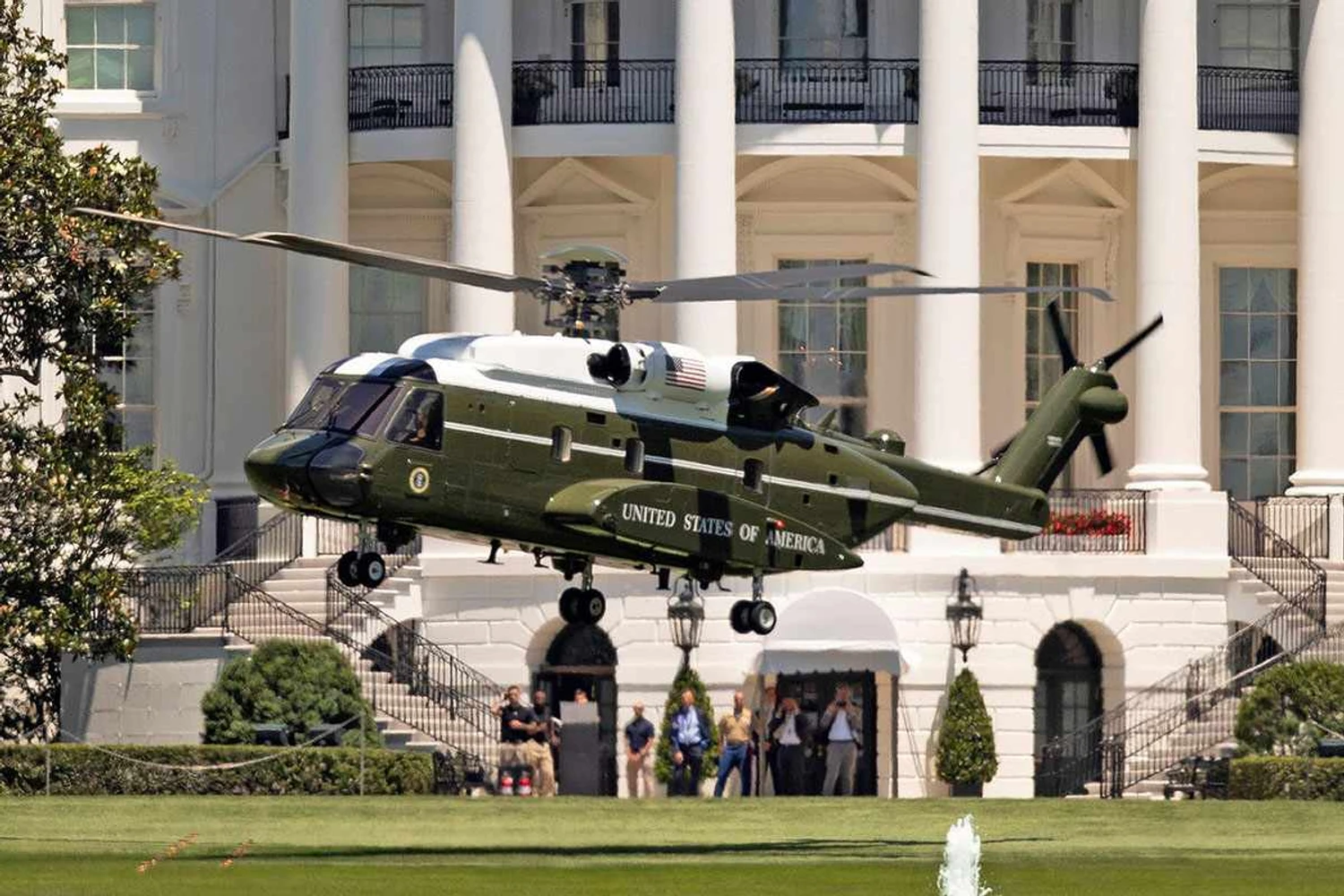
S-92 became the new Marine One
The US Marine Corps operates the VH-92A Patriot, a heavily modified derivative of the S-92 developed to replace the VH-3D Sea King and VH-60N White Hawk in presidential service. A total of 23 were delivered, including 21 operational helicopters and two test aircraft.
Getting the VH-92A into full presidential service proved more difficult than originally planned. Testing uncovered problems involving its secure communications system and other requirements, but one unusually visible issue concerned operations from the South Lawn of the White House.
Hot exhaust combined with the helicopter's rotor downwash damaged the grass during testing. The problem persisted for years and restricted how the VH-92A could be used around the White House even after the aircraft entered service.
The helicopter achieved initial operational capability in 2021 and carried a US president for the first time in 2024. Work to accommodate the VH-92A at the White House has continued, including construction of a permanent landing surface on the South Lawn to eliminate the grass-damage problem.