 Industry
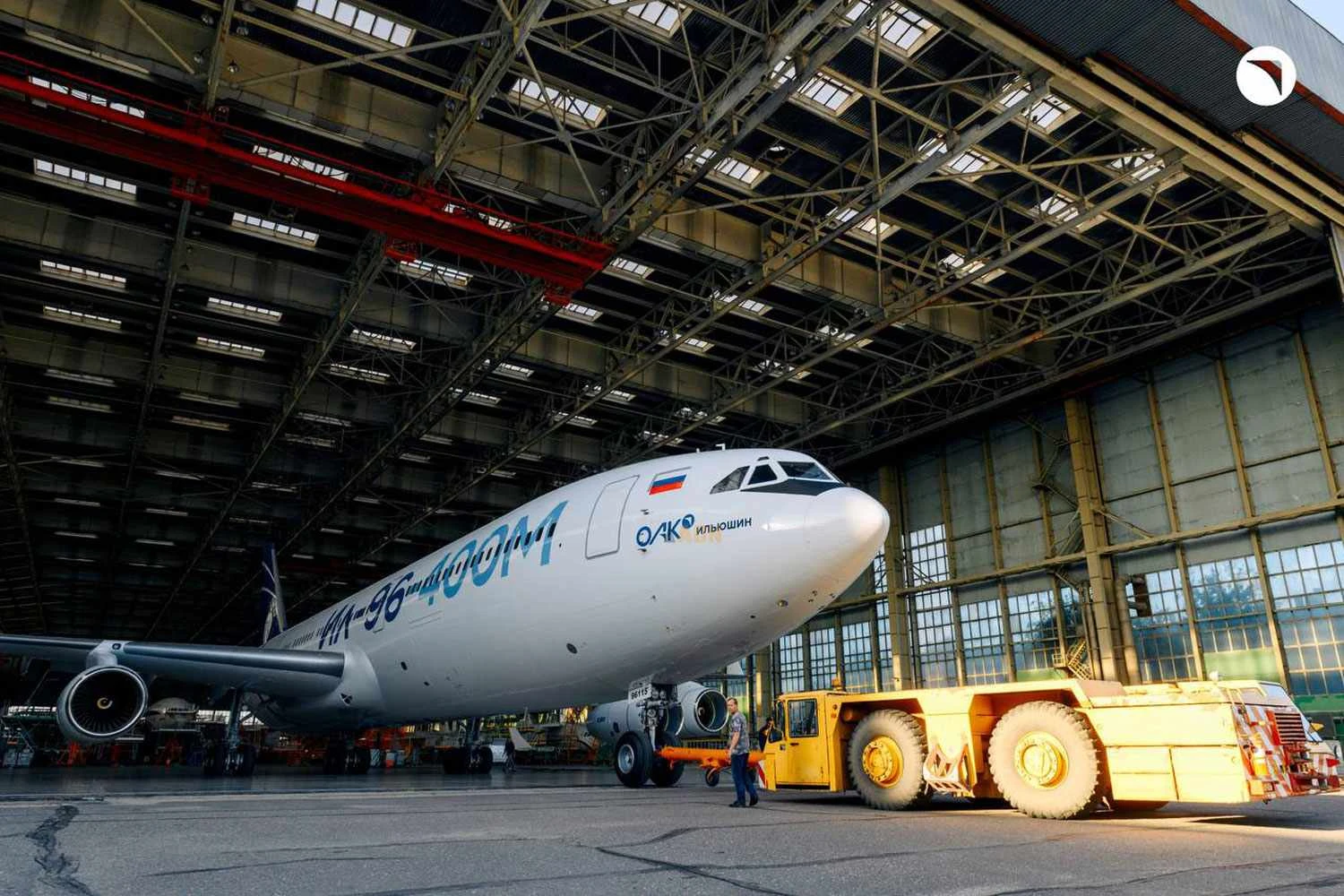
Russia has completed a new example of the Il-96 widebody aircraft at its Voronezh facility, signaling a restart of production for the country’s only long-range jet developed domestically after years of limited activity.
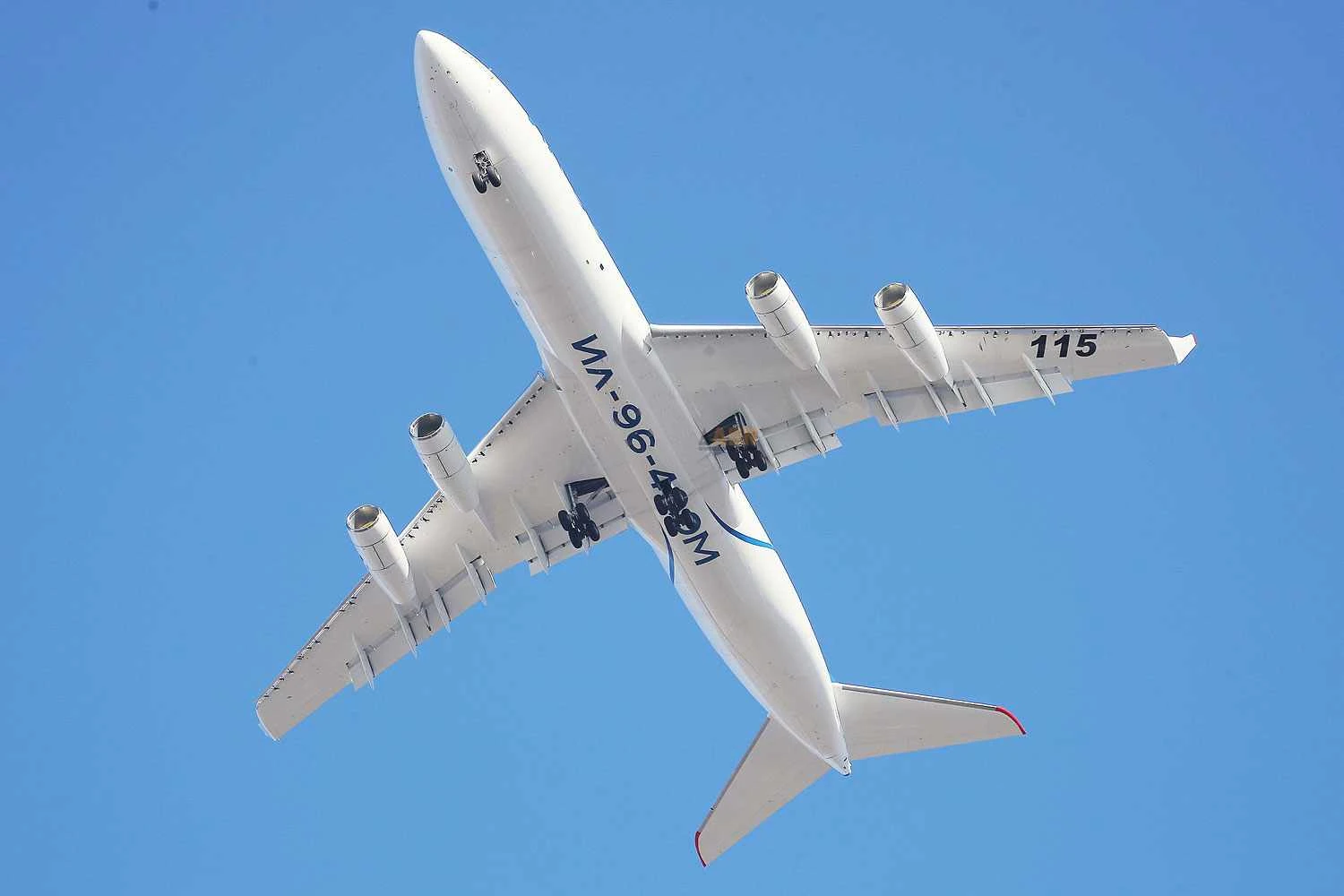
The move brings renewed attention to a program widely viewed as technologically dated. The Il-96 is a four-engine aircraft using legacy PS-90A engines and design architecture dating back to the late Soviet era, placing it well behind modern twin-engine widebodies such as the Boeing 787 and Airbus A350 in efficiency and operating economics.
The latest version, the Il-96-400M, features a stretched fuselage, updated systems and a reduced two-pilot cockpit. Even with these changes, it retains the basic configuration that has limited its appeal in commercial aviation. The aircraft has largely been confined to government transport and specialized roles, including use by Russia’s state flight unit.
The restart of production suggests United Aircraft Corporation (UAC) may be pursuing a stopgap approach to sustain long-haul capabilities. With no near-term prospect of a new-generation widebody entering service, the Il-96 appears to be filling a gap rather than representing a long-term solution.
That gap widened after Russia exited its partnership with China on the CR929 program, a twin-engine widebody intended to compete with Western aircraft. The project has since been rebranded as the C929 and is now being developed solely by China’s COMAC, leaving Russia without a collaborative path to a modern long-haul jet.
Testing of the Il-96-400M began in 2023, and recent industrial activity, including hiring at the Voronezh plant, indicates preparations for a modest production increase. The aircraft’s future role, however, is expected to remain focused on state, cargo or mission-specific applications rather than mainstream airline service.