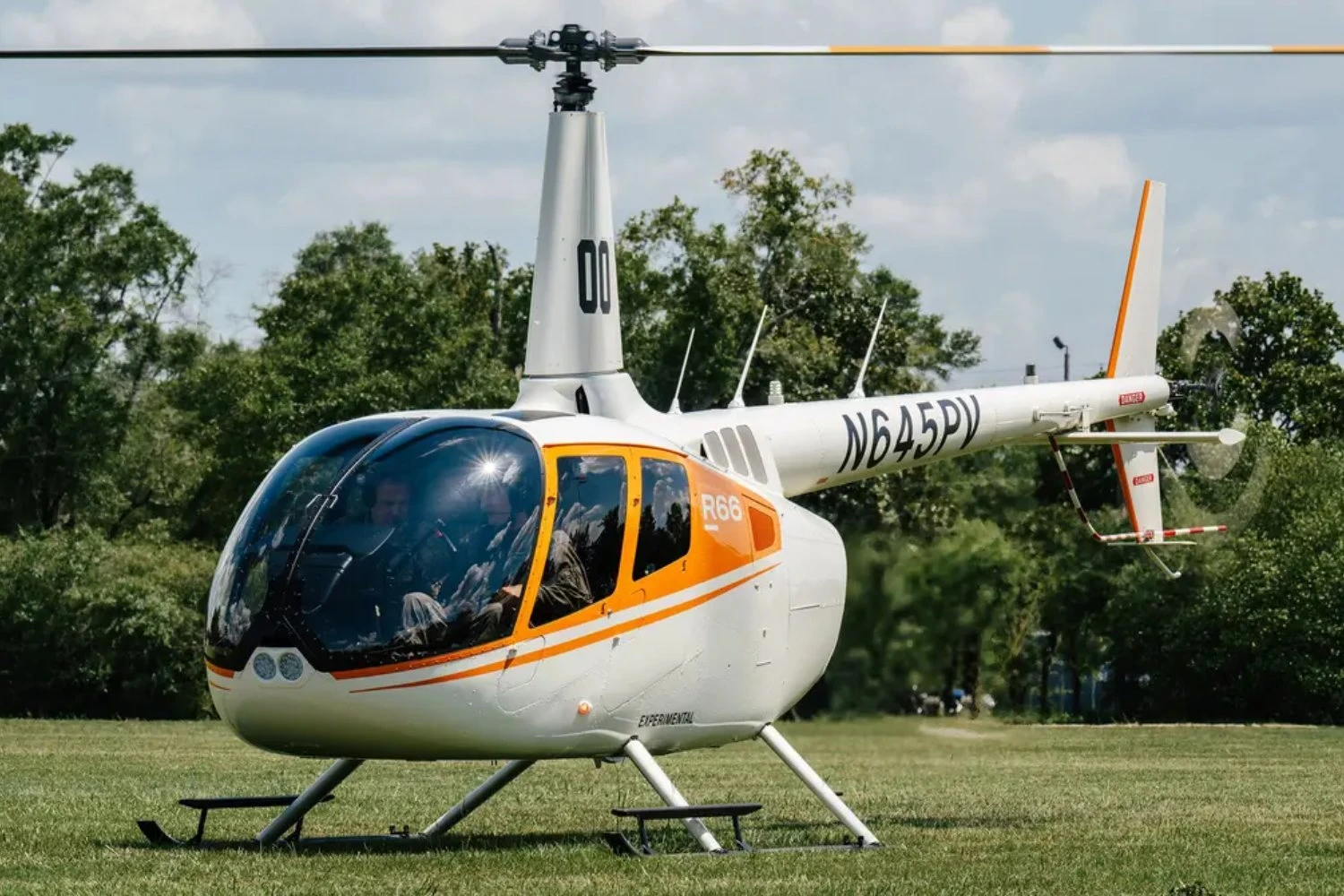
The Robinson R66 appears set to become the U.S. Army’s new primary helicopter trainer after M1 Support Services won the Flight School Next competition, a result that had become increasingly likely as the selection process progressed.
The Army announced on August 13 that M1 had been selected for the new training program at Fort Rucker, Alabama. The potentially $10 billion contract could run for 26 years and calls for a fundamentally different approach to initial rotary-wing training, with the contractor providing aircraft, instructors, simulators, maintenance and other services.
Curiously, the Army did not identify the helicopter included in M1’s winning proposal. But the identity of the aircraft was hardly a secret.
M1 had publicly selected the Robinson R66 for its Flight School Next bid in 2025. When the competition reached its fourth phase earlier this year, the company again identified the five-seat turbine helicopter as the aircraft at the center of its proposal.
By then, the R66 had become the favorite almost by weight of numbers. Three of the four teams that remained in the competition at one stage — M1, AAR and Lockheed Martin — had selected the Robinson helicopter. Bell was the exception, proposing its own 505.
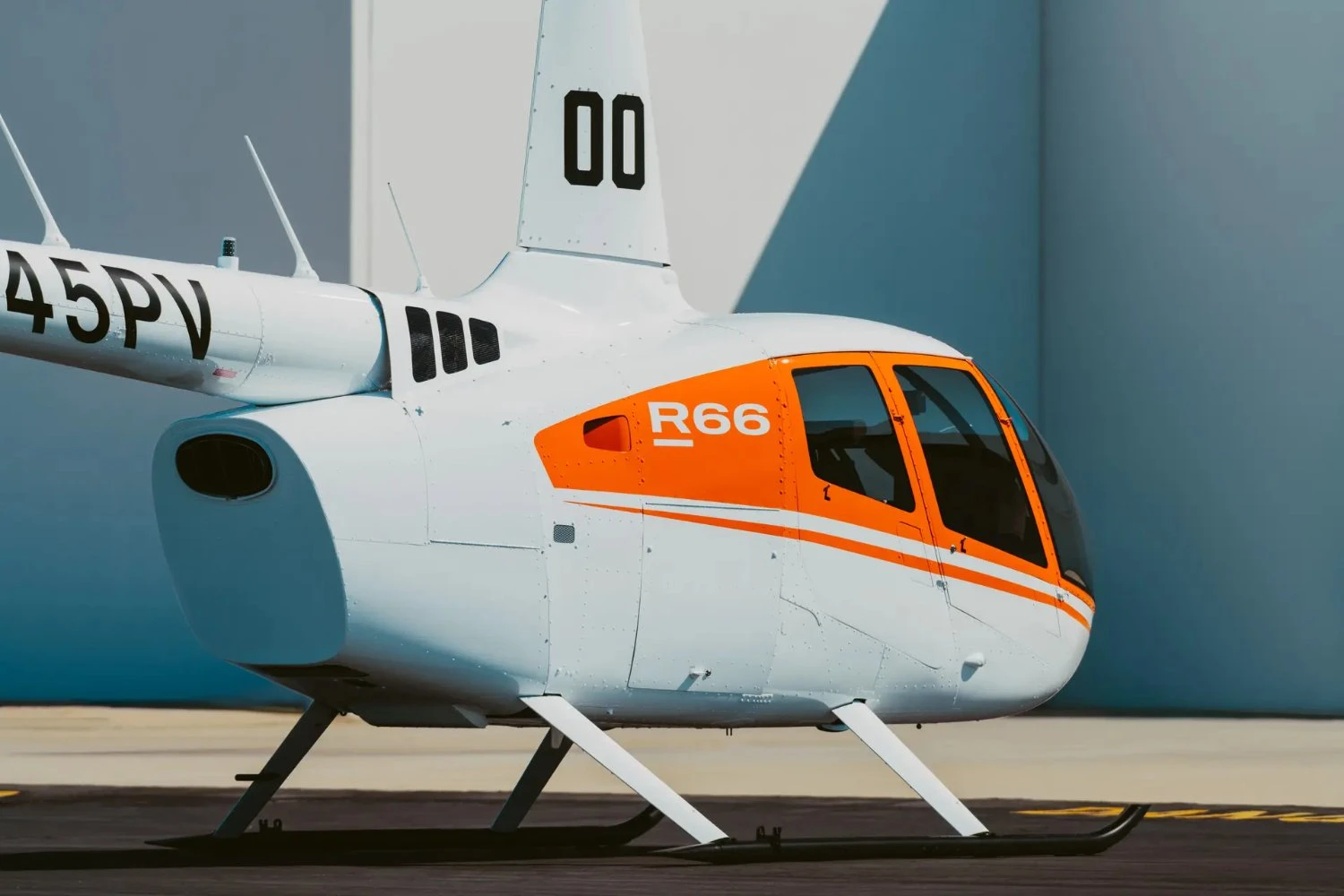
The field eventually narrowed to M1 and Bell, effectively leaving the Army to choose between training systems based on the R66 and 505. M1's selection therefore provides a clear indication that the Robinson will be used, even though the Army's contract announcement did not formally name it.
Most important military contract
The decision could give Robinson one of the most important military contracts in its history. Better known for civilian helicopters such as the R22, R44 and R66, the California manufacturer has traditionally occupied a very different market from companies that supply frontline U.S. military rotorcraft.
The R66 is powered by a Rolls-Royce RR300 turboshaft and uses a relatively simple conventional configuration. Its commercial origins are central to the concept behind Flight School Next rather than a limitation the Army sought to overcome.
The service wants to change how new helicopter pilots learn to fly. Initial Entry Rotary-Wing training currently relies on the Airbus UH-72A Lakota, a twin-engine helicopter equipped with considerably more sophisticated systems than the trainers traditionally used at the beginning of a military pilot's career.
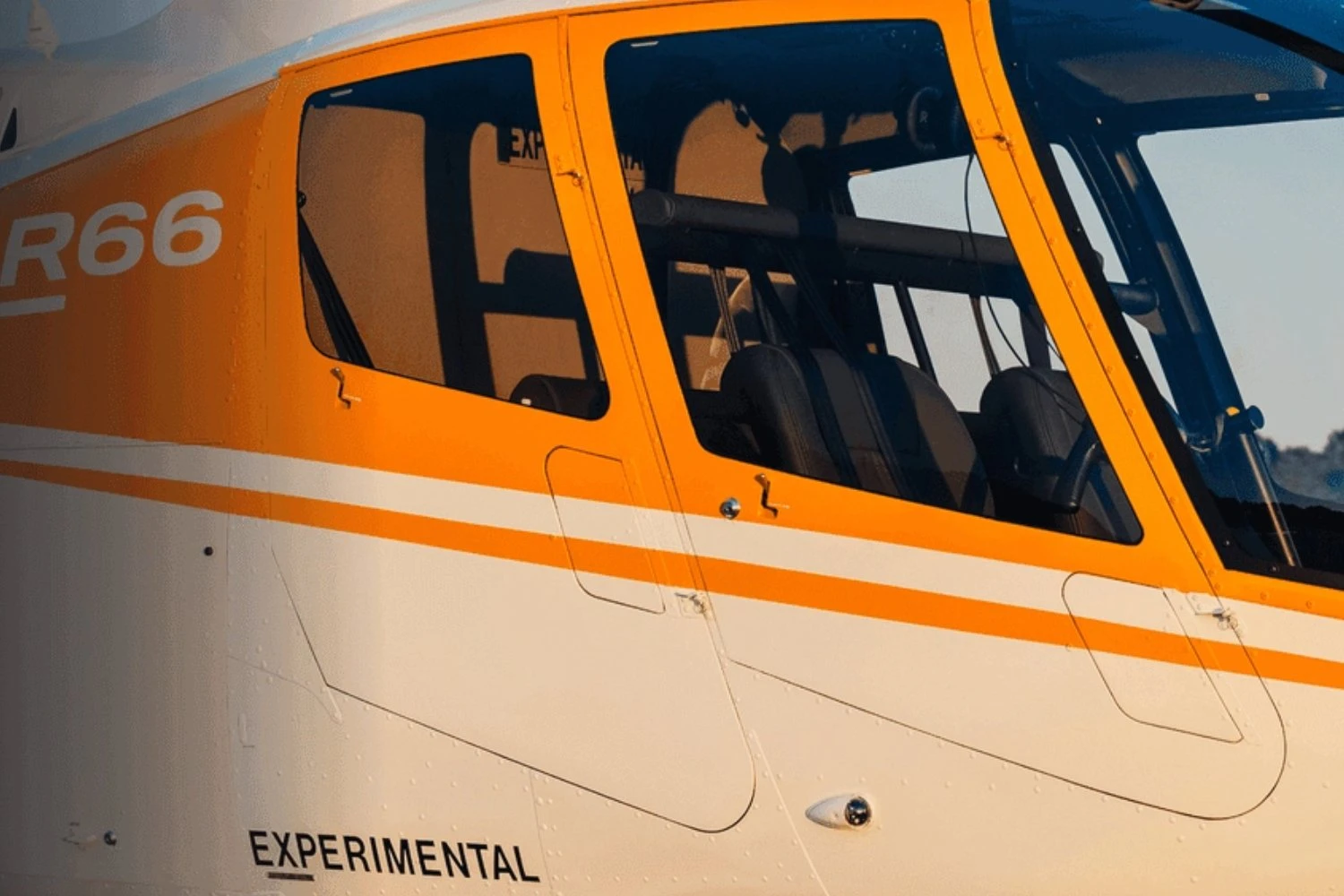
Army officials have questioned whether putting students immediately into such an advanced helicopter is the best way to develop basic flying skills. Flight School Next instead calls for a simpler single-engine aircraft and greater use of commercial training practices before students progress to operational military helicopters.
Follow Air Data News: WhatsApp | Instagram | LinkedIn | Twitter | Facebook
The change also removes much of the training fleet from direct Army ownership. Under the contractor-owned, contractor-operated model, M1 will provide and maintain the helicopters and employ instructors. The Army will retain responsibility for training requirements, standards and safety.
Flight School Next is expected to train between 800 and 1,500 aviators annually. The current system produces about 1,250 new Army pilots per year.
R66 already tested in military training
M1's choice did not put an entirely untested aircraft before the Army. The R66 had already gained experience in U.S. military flight training before the Flight School Next decision.
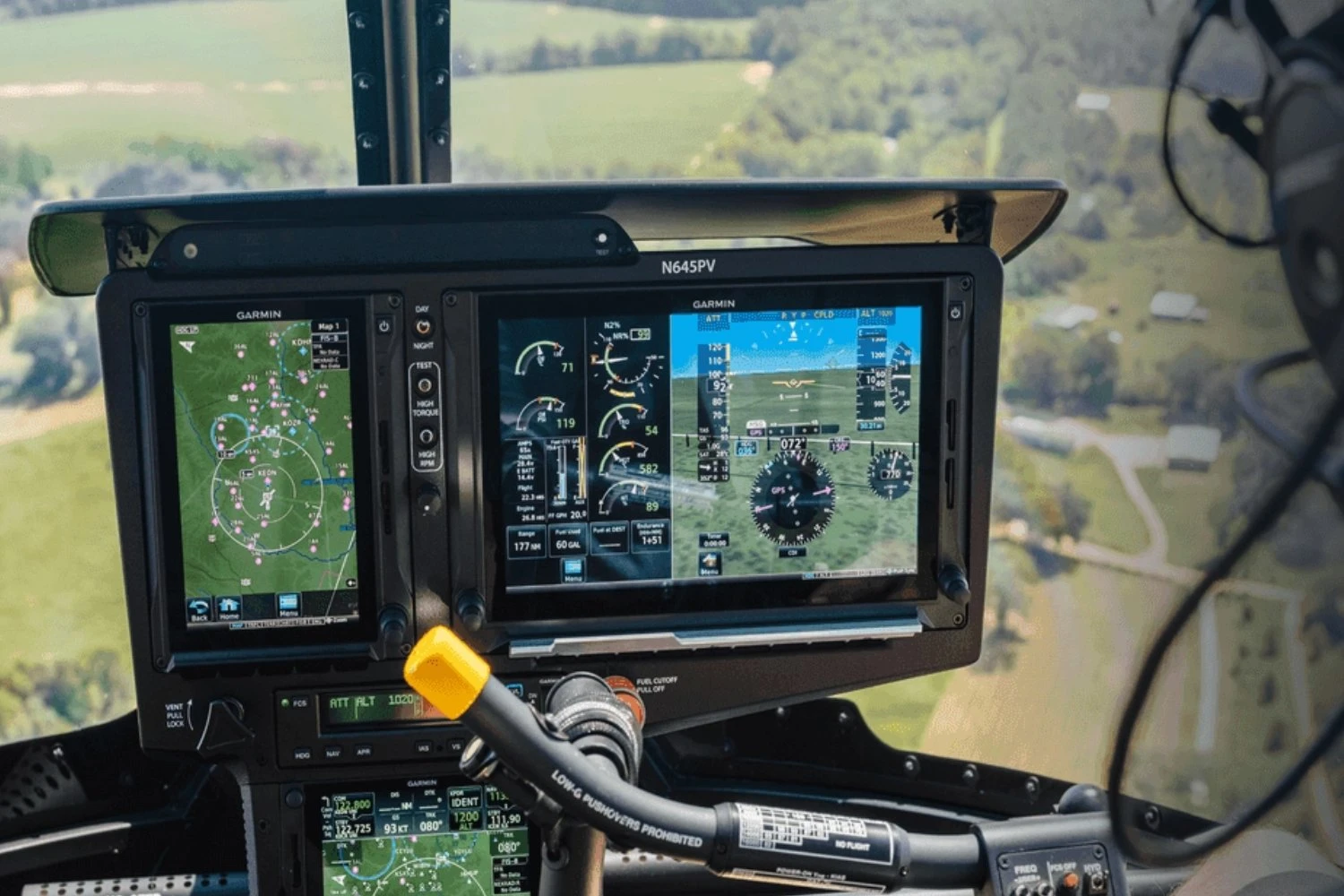
A small fleet of R66s has been used under contract to train military personnel through a civilian FAA Part 141 syllabus. The program allows students to obtain private pilot, rotorcraft-helicopter and instrument-helicopter qualifications before moving into subsequent military training.
Robinson said in late 2025 that six R66s assigned to U.S. military training programs had accumulated more than 2,300 flight hours in seven months. The activity included personnel associated with the Army and other U.S. services.
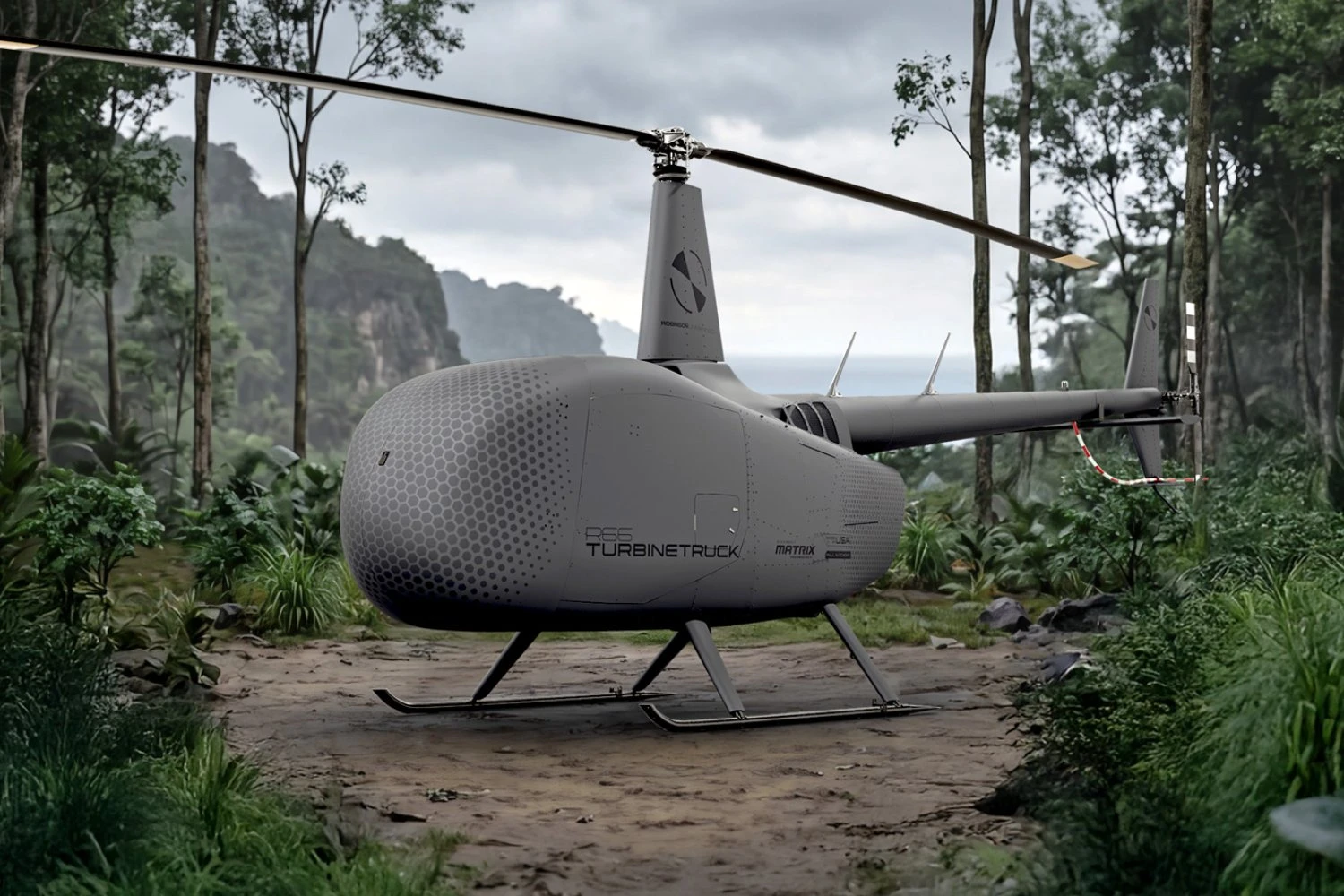
The helicopter has also started finding other routes into the military market. An autonomous cargo derivative known as the R66 Turbinetruck, equipped with Sikorsky's MATRIX autonomy system, was selected this year for evaluation by the U.S. Marine Corps.
For Robinson, however, Flight School Next is potentially much larger. The Army is not simply evaluating a handful of helicopters but replacing the model used to produce hundreds of new rotary-wing pilots every year.
The final selection still leaves details to emerge, including the number of R66s that M1 will acquire and the precise schedule for replacing the current training system. The initial task order is expected to cover the first several years of the transition.
What is already apparent is that the R66's path toward Fort Rucker began well before the Army announced M1 as the winner. By the final stages of Flight School Next, the question was no longer whether a small commercial helicopter could replace the UH-72A in basic training, but which one would do it.