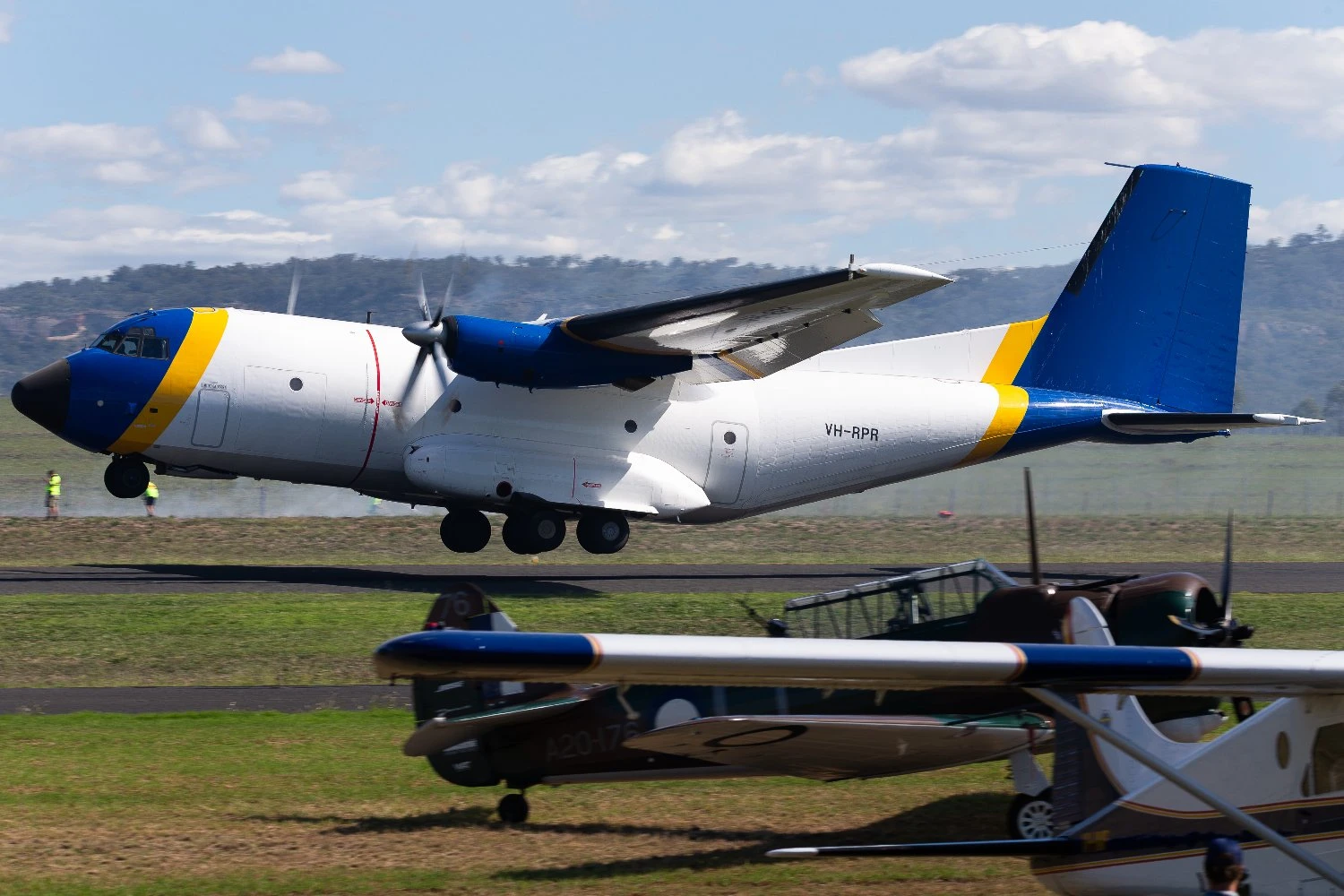
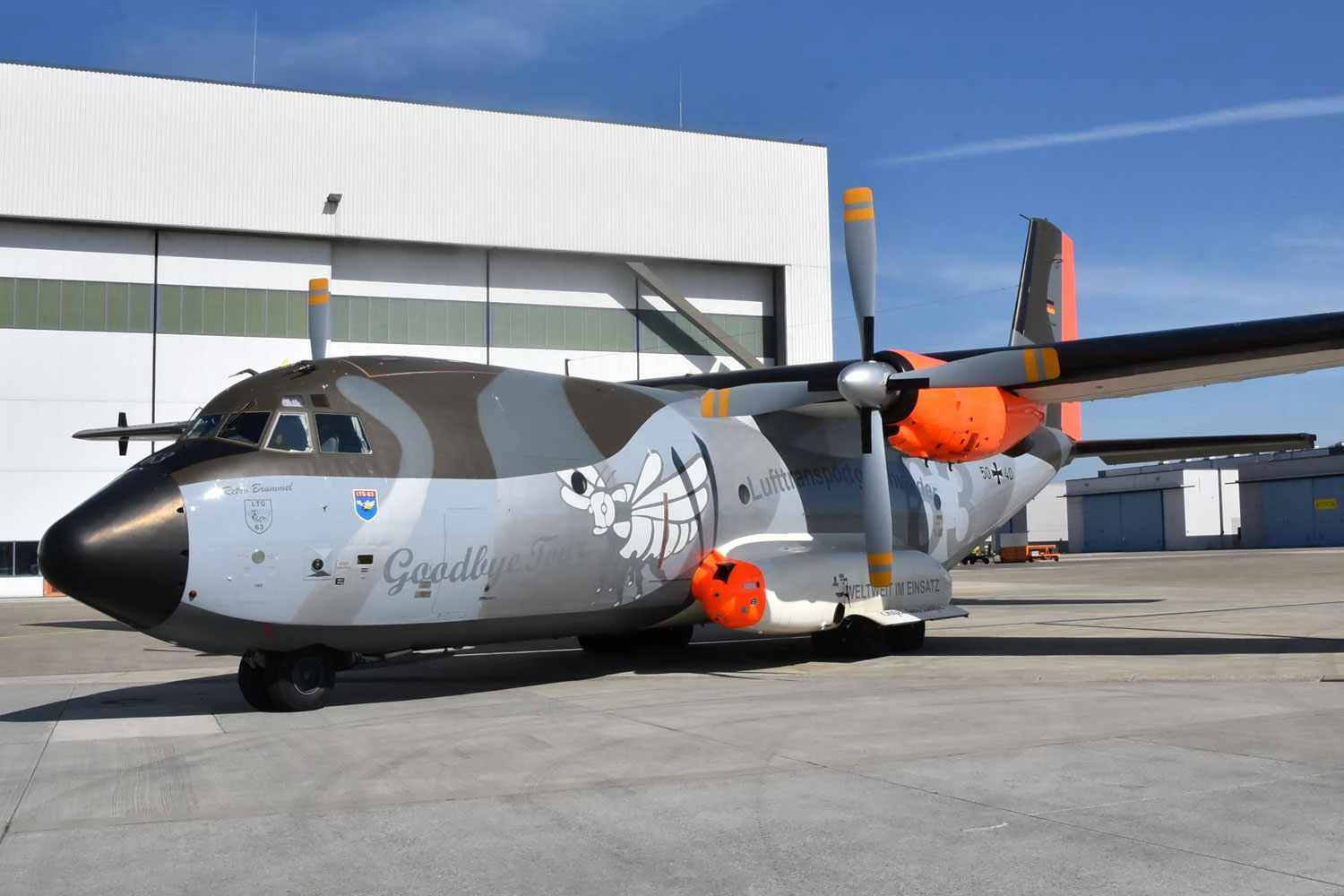
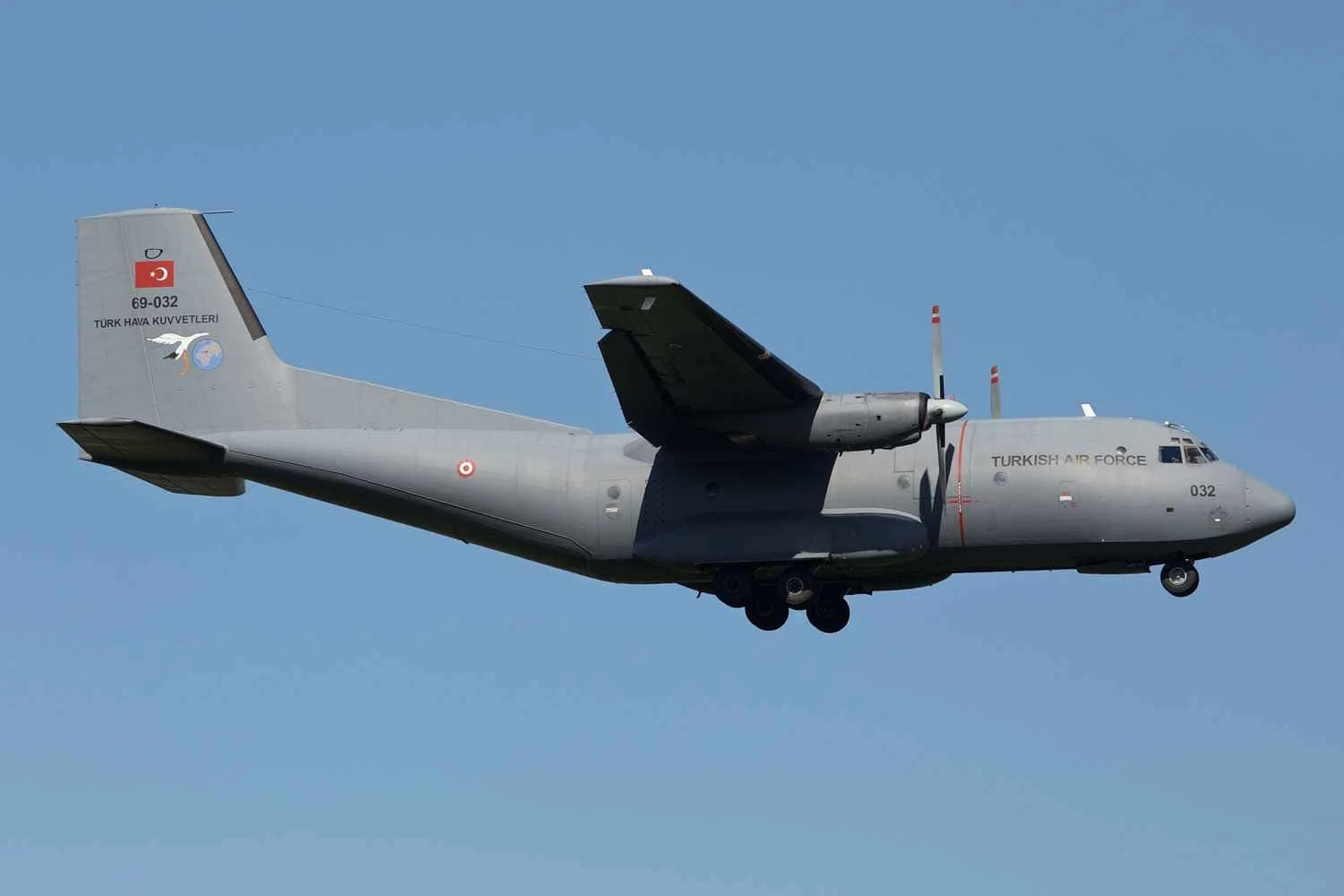
Two Transall C-160D transport aircraft formerly operated by the German Air Force (Luftwaffe) are being prepared for an unusual return to service, this time carrying water and fire retardant instead of troops and military cargo.
The aircraft are part of a project led in Germany by Lower Saxony-based Total Aeronautical Services (TAS), which plans to have the first converted Transall available for the European wildfire season in 2027.
Follow Air Data News: WhatsApp | Instagram | LinkedIn | Twitter | Facebook
According to German aviation magazine Flug Revue, the first aircraft has already been allocated the civil registration D-AMJT. The project is being conducted with the involvement of Germany's Federal Aviation Office (LBA) and the Bundeswehr's Federal Office of Bundeswehr Equipment, Information Technology and In-Service Support (BAAINBw).
The aircraft will use a firefighting system developed by Australian company Helitak Firefighting Equipment. A tank installed inside the Transall's cargo compartment can carry around 14 tonnes of water or fire retardant.
Instead of releasing the load through the aircraft's large rear cargo ramp, the system discharges it through the underside of the fuselage, close to the center of gravity. The arrangement can release up to 3,000 liters per second, according to information provided to Flug Revue.
TAS Managing Director Maren Reese said the position of the outlet reduces the structural effects associated with rapidly releasing such a large payload. The aircraft can be refilled on the ground in about three minutes.
Australia operates C-160D in firefighting
The German project also benefits from work already underway on the other side of the world. Three former Luftwaffe C-160Ds were transferred to Australia in 2023 for a similar firefighting role.
One of them, registered VH-TIT, has already been fitted with the Helitak system and performed a full water-drop demonstration at Toowoomba Wellcamp Airport in March 2026. The Australian aircraft therefore provides a flying example of the concept that will now be introduced in Germany.
The German Transalls will retain another feature inherited from their previous career that could prove particularly useful in their new role.
Some Luftwaffe C-160Ds received Kevlar armor around the cockpit and forward cargo compartment for military operations. Instead of removing it during the conversion, the project intends to keep the protection.
Related news
September 09, 2026
TAS sees a potential use for the armored aircraft over former military training areas and other locations contaminated by unexploded ammunition. Wildfires in such areas can be particularly difficult to fight because the danger of explosions may prevent firefighters and vehicles from entering the affected terrain.
The aircraft could therefore attack fires from the air in places where conventional ground operations are restricted or impossible.
Despite the German base of the project, the two Transalls should not be considered government firefighting aircraft. The initiative is privately operated, with the aircraft expected to become available for firefighting missions in Germany and elsewhere in Europe.
The first aircraft is now being prepared for its return to flight and subsequent civil certification. Its D-AMJT registration would make it the first Transall to operate on the German civil aircraft register if the process is completed as planned.
More than half a century as a military transport
The firefighting role would add another chapter to an aircraft developed more than six decades ago.
The C-160 emerged from a Franco-German requirement for a tactical transport capable of replacing aircraft such as the Nord Noratlas. Its name came from Transporter Allianz, or Transall, the consortium created by Germany's Weser Flugzeugbau and Hamburger Flugzeugbau and France's Nord Aviation.
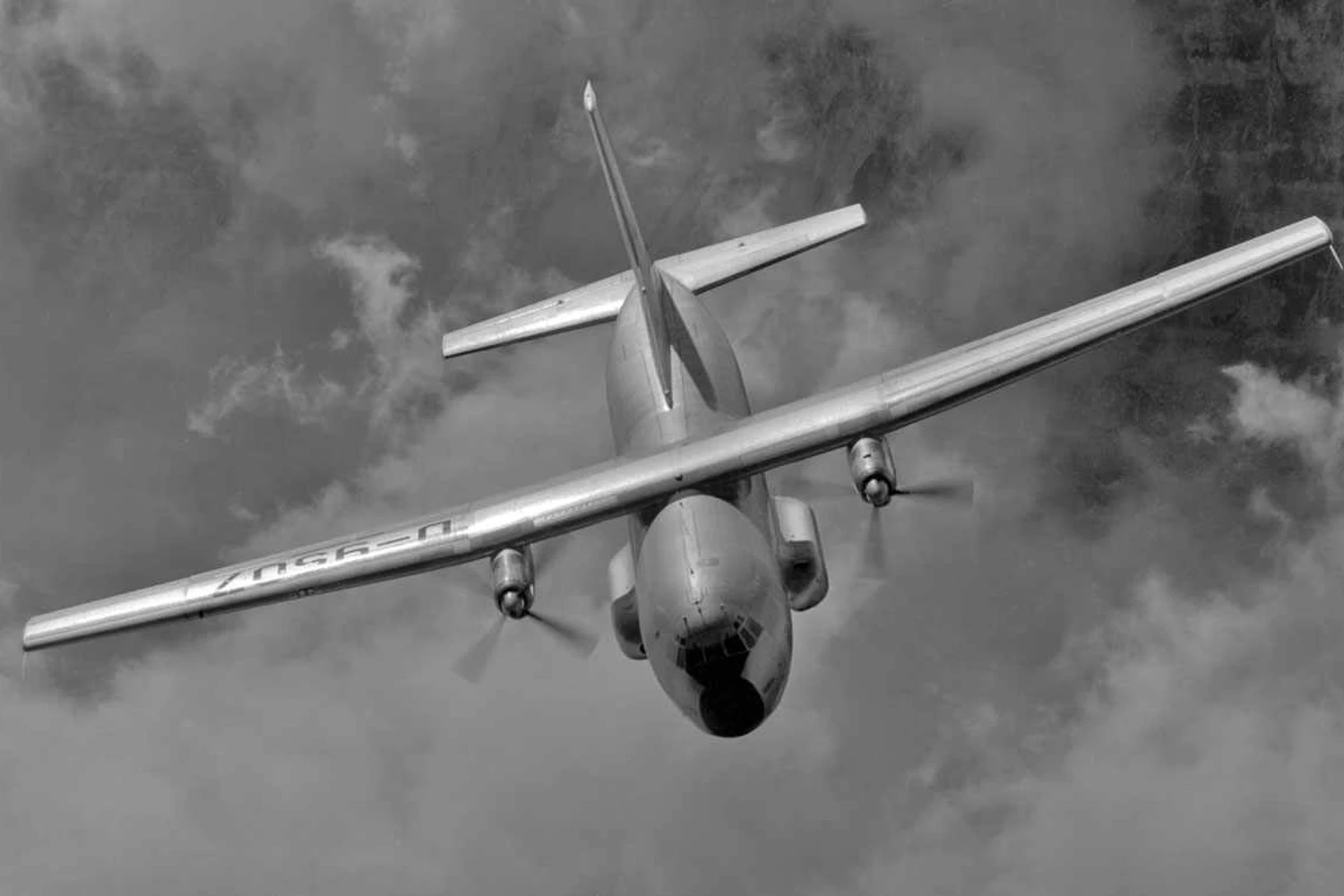
The twin-engine, high-wing aircraft made its first flight in 1963. Powered by two Rolls-Royce Tyne turboprops, the C-160 was designed around a large cargo compartment and rear loading ramp, with the ability to carry troops, paratroopers, vehicles and freight while operating from relatively short and austere runways.
France introduced the Transall into service in 1967, followed by West Germany in 1968. The aircraft subsequently became one of the most recognizable military transports in both countries and served on humanitarian missions, evacuations and military deployments across Europe, Africa and other regions.
Germany operated the C-160 for more than five decades. Its withdrawal was repeatedly delayed as the Airbus A400M program suffered development and availability problems. The Luftwaffe finally held its official farewell ceremony for the Transall at Hohn Air Base on September 23, 2021, ending 53 years of operational service. The last remaining unit, Lufttransportgeschwader 63, was disbanded at the end of that year.
France kept the type slightly longer. The Armée de l'Air et de l'Espace conducted a nationwide farewell tour with the C-160 in March and April 2022 before formally retiring the aircraft. A final ceremony at Évreux Air Base on May 20, 2022, closed more than 55 years of French Transall operations.