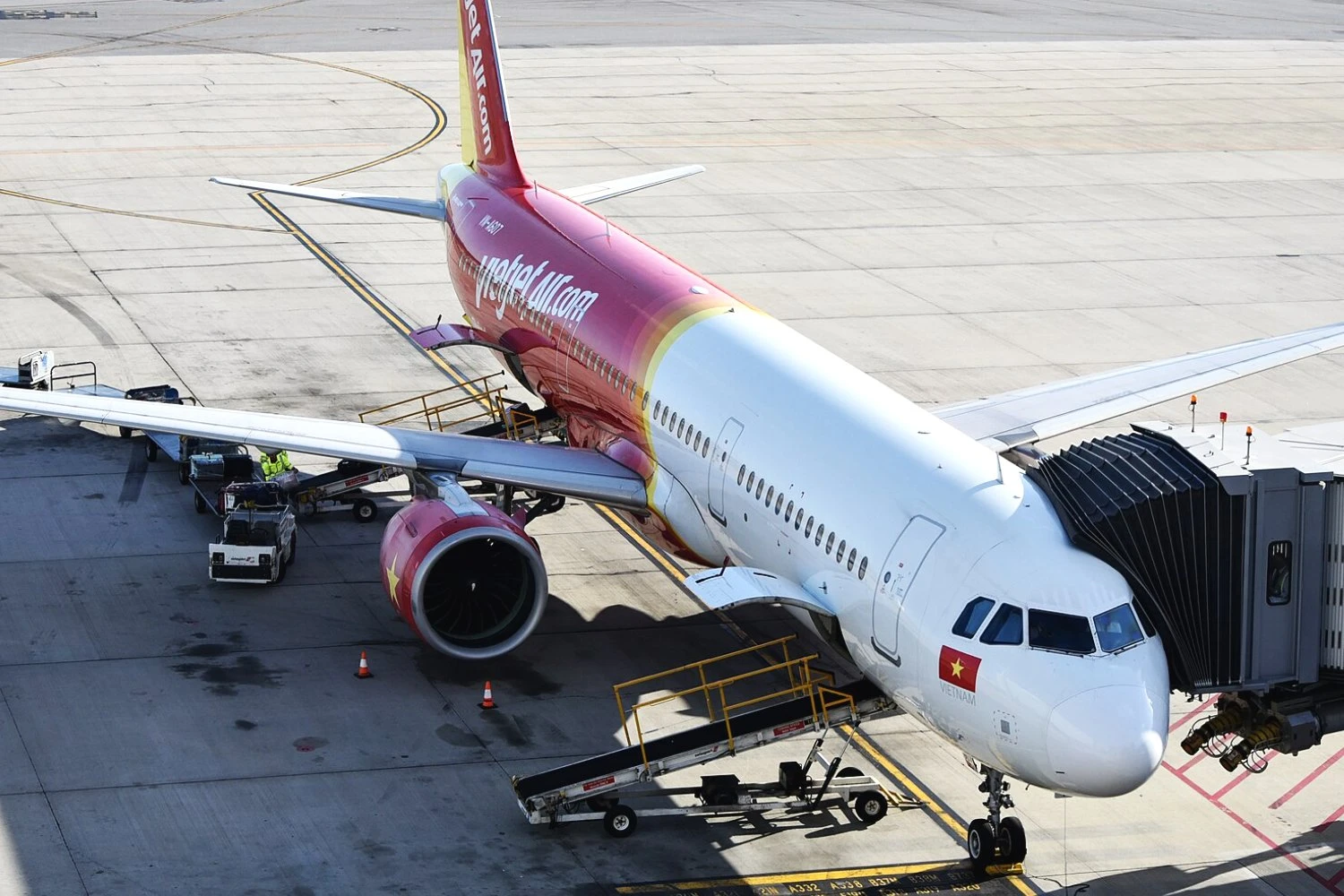
Around 500 Airbus A321neo aircraft are affected by a manufacturing quality defect that can reduce corrosion resistance inside the fuselage, adding more work to production lines already under pressure to increase deliveries.
The problem was first reported by The Air Current and subsequently confirmed by Airbus. It involves surface protection applied to stringers located in the lower forward section of the fuselage.
According to Reuters, around 250 affected aircraft have already been delivered, while another 250 are at different stages of production.
Airbus said the source of the problem has been identified and contained and that a remedy is already available. Newly coated stringers meet the required specifications.
Follow Air Data News: WhatsApp | Instagram | LinkedIn | Twitter | Facebook
The manufacturer stressed that the defect does not pose a safety risk and affected aircraft can continue flying. The A321XLR is not affected, according to a source familiar with the matter cited by the news agency.
250 aircraft need work before delivery
The issue creates a different problem for Airbus' production system. Aircraft that have not yet been delivered will require additional work before they can be handed over to customers.
Airbus said the correction does not require removal of the affected stringers. Once the work has been completed, the structure returns to its nominal design condition.
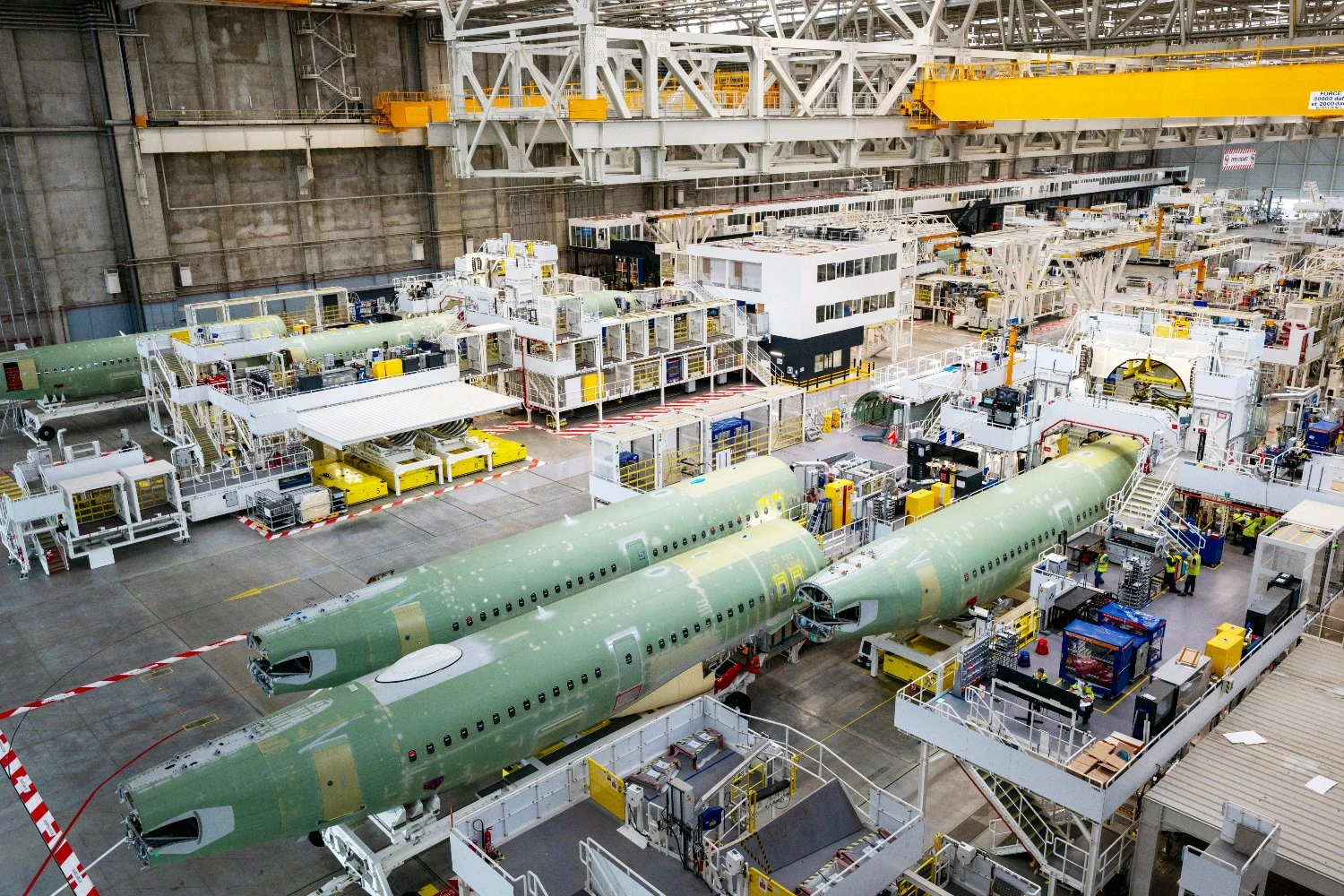
The manufacturer has not changed its annual aircraft delivery target following the discovery of the defect.
The A321neo accounts for most of the backlog of the A320neo family and has become Airbus' main single-aisle product. The manufacturer is simultaneously trying to increase A320 family production toward 75 aircraft per month in 2027.
Another production defect emerged in 2025
The latest problem is unrelated to another manufacturing defect identified on A320 family aircraft in late 2025.
That case involved fuselage panels manufactured outside specified thickness tolerances. Airbus identified hundreds of aircraft requiring inspections, including airplanes already delivered to airlines, and the disruption contributed to the manufacturer reducing its 2025 delivery target.
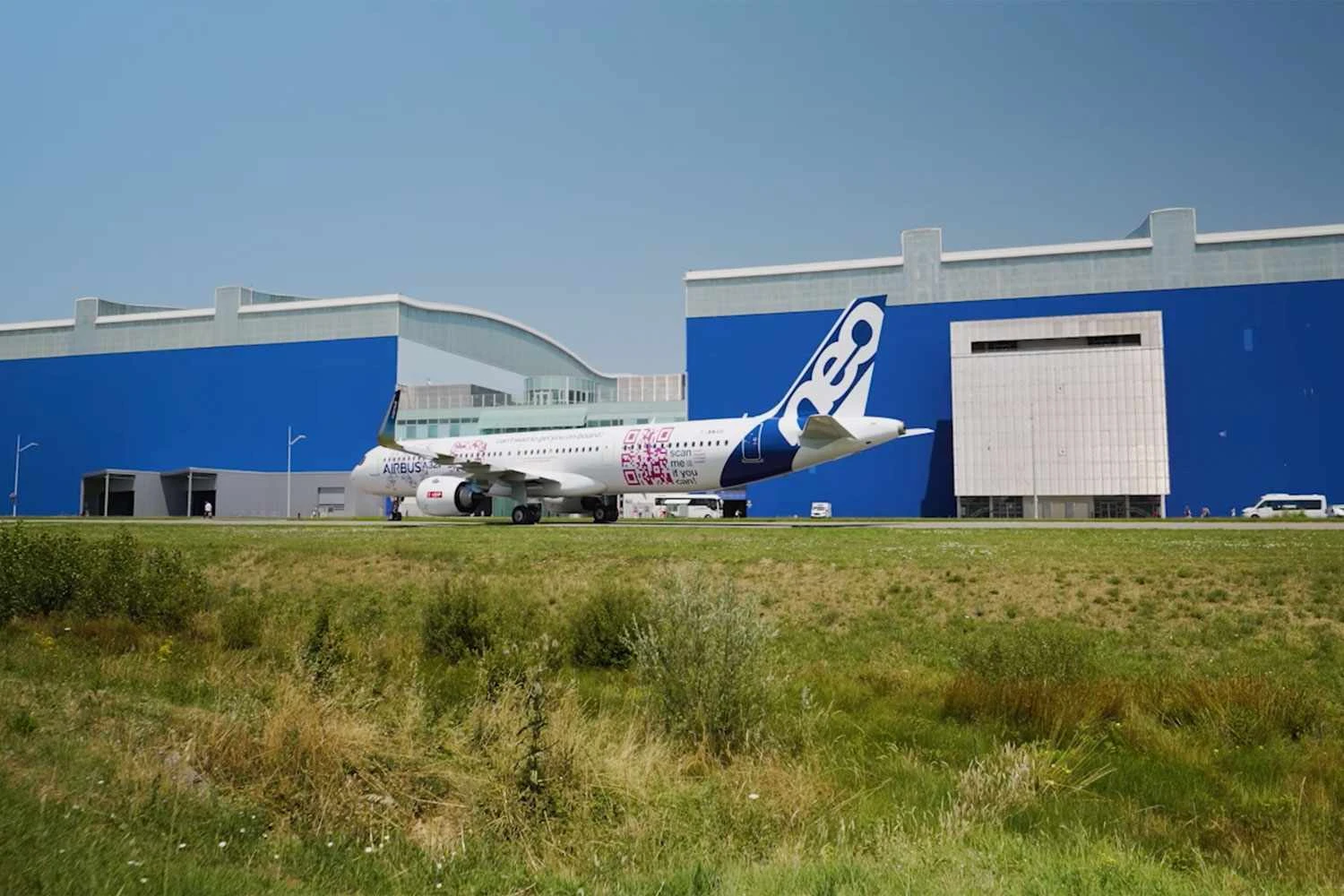
A separate production quality escape has also resulted in inspections of some A320 family aircraft this year. Tool marks were found in holes in the structure supporting the main landing gear, prompting airworthiness directives from European and U.S. regulators.
Unlike the newly discovered corrosion-protection problem, the landing gear support issue was classified as an unsafe condition because fatigue damage could eventually result in structural failure and collapse of the landing gear.