 Defense
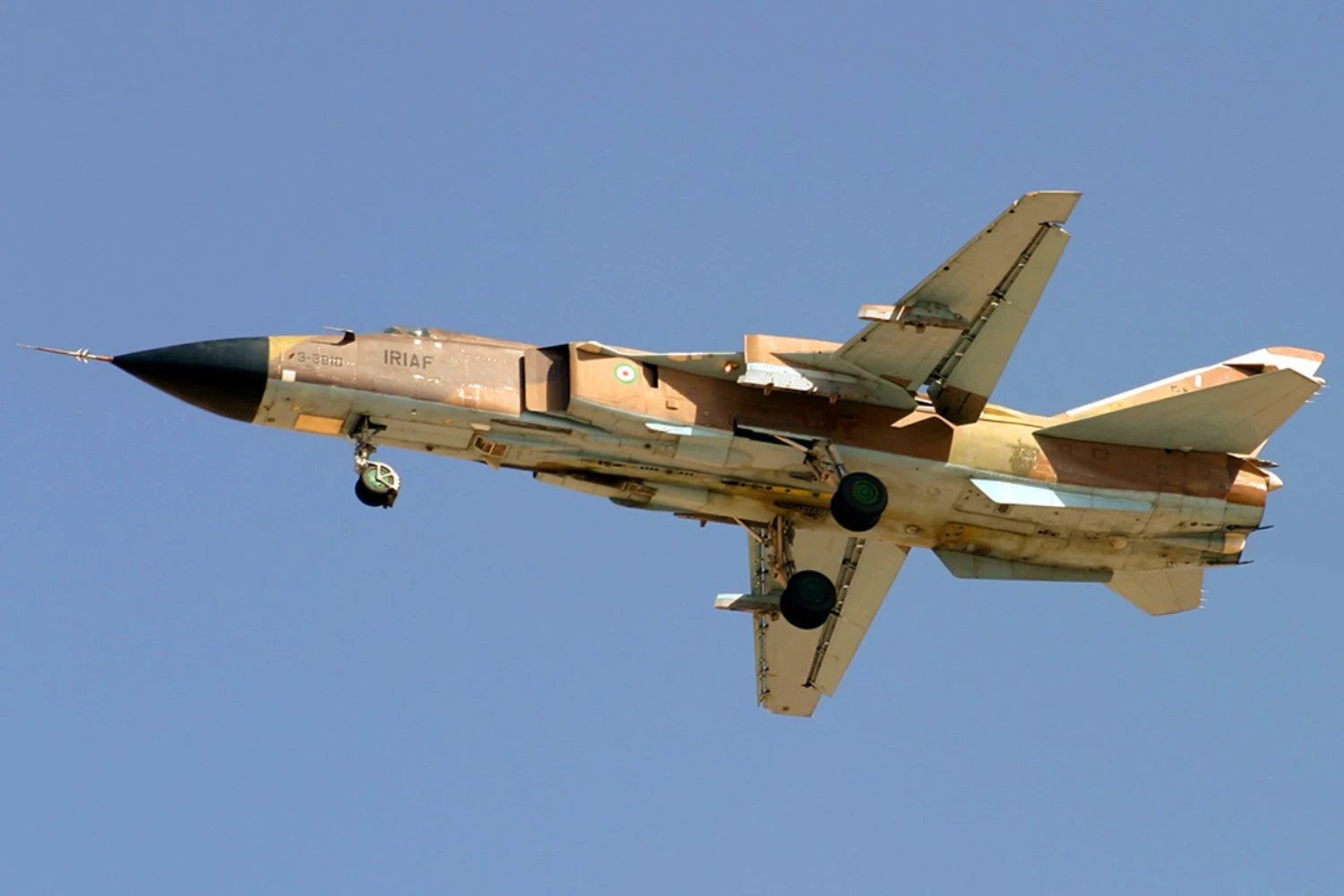
Qatar has confirmed that its air force used F-15QA fighter jets to shoot down two Iranian Su-24 tactical bombers earlier this week, clarifying initial reports that had not identified the aircraft involved in the interception.
According to officials cited by CNN, the two Iranian Su-24 “Fencer” bombers were flying toward targets in Qatar on March 2 when they were intercepted by fighters from the Qatar Emiri Air Force (QEAF). The aircraft were reportedly heading toward Al Udeid Air Base — the largest U.S. military installation in the Middle East — as well as the Ras Laffan natural gas processing complex, a key part of Qatar’s energy infrastructure.
Sources familiar with the operation said the Iranian aircraft were flying at roughly 80 feet above the ground to avoid radar detection and were only minutes away from their targets when Qatari fighters engaged them. The bombers were visually identified carrying bombs and guided munitions and did not respond to radio warnings issued by Qatari forces.
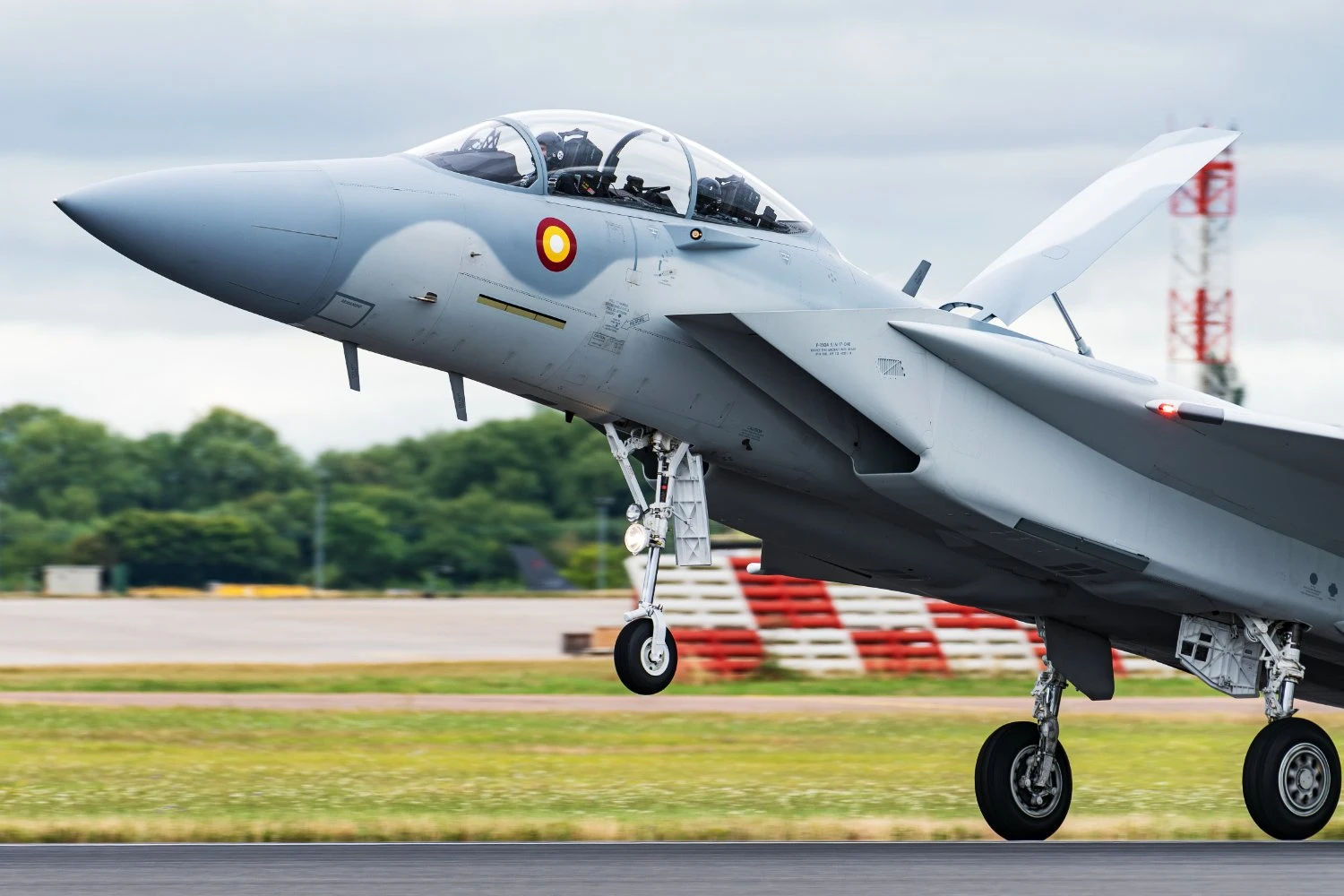
A QEAF fighter subsequently engaged the aircraft in air-to-air combat and shot down both bombers. The Su-24s crashed into Qatari territorial waters, according to the report, and search operations were launched to locate their crews.
The involvement of Qatari fighter aircraft was also confirmed by U.S. Chairman of the Joint Chiefs of Staff Gen. Dan Caine, who said during a Pentagon briefing that Qatari jets had “for the first time shot down two Iranian bombers on route to their location.”
The Qatari Ministry of Defense had initially stated only that Iranian aircraft were intercepted, without specifying the platform used. Subsequent reporting confirmed the aircraft responsible was the F-15QA “Ababil,” one of the most advanced versions of the long-serving F-15 Eagle.
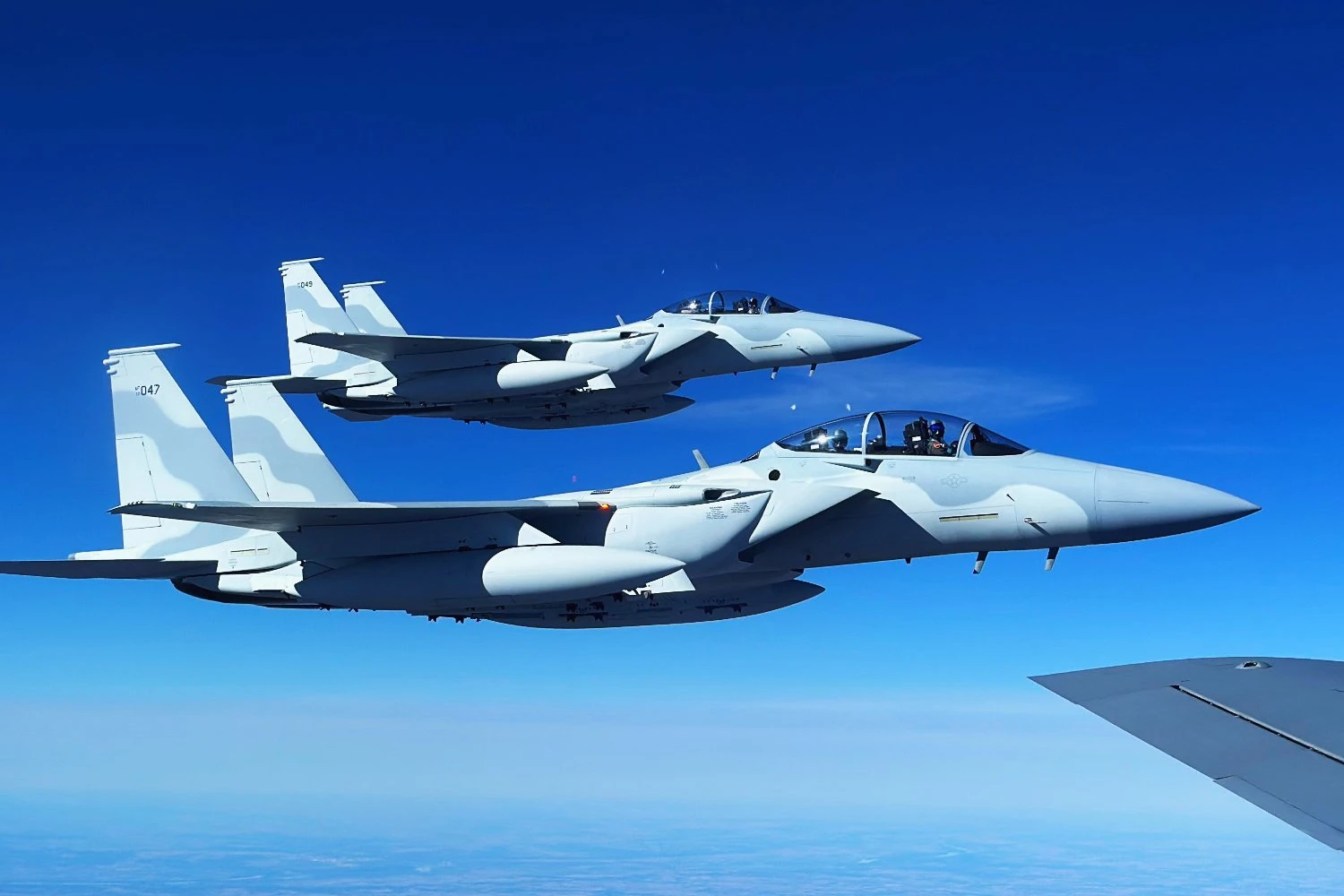
The F-15QA, or Qatar Advanced, is a heavily upgraded version of Boeing’s air-superiority fighter and served as the basis for the U.S. Air Force’s F-15EX Eagle II. Qatar ordered 36 aircraft in 2017, with the type making its first flight in 2020 and entering service with the QEAF in 2021.
Compared with earlier F-15 variants, the aircraft incorporates digital fly-by-wire controls, the AN/APG-82(V)1 active electronically scanned array radar, large area cockpit displays and updated electronic warfare systems. It is powered by General Electric F110-GE-129 engines and features additional wing hardpoints for increased weapons capacity.
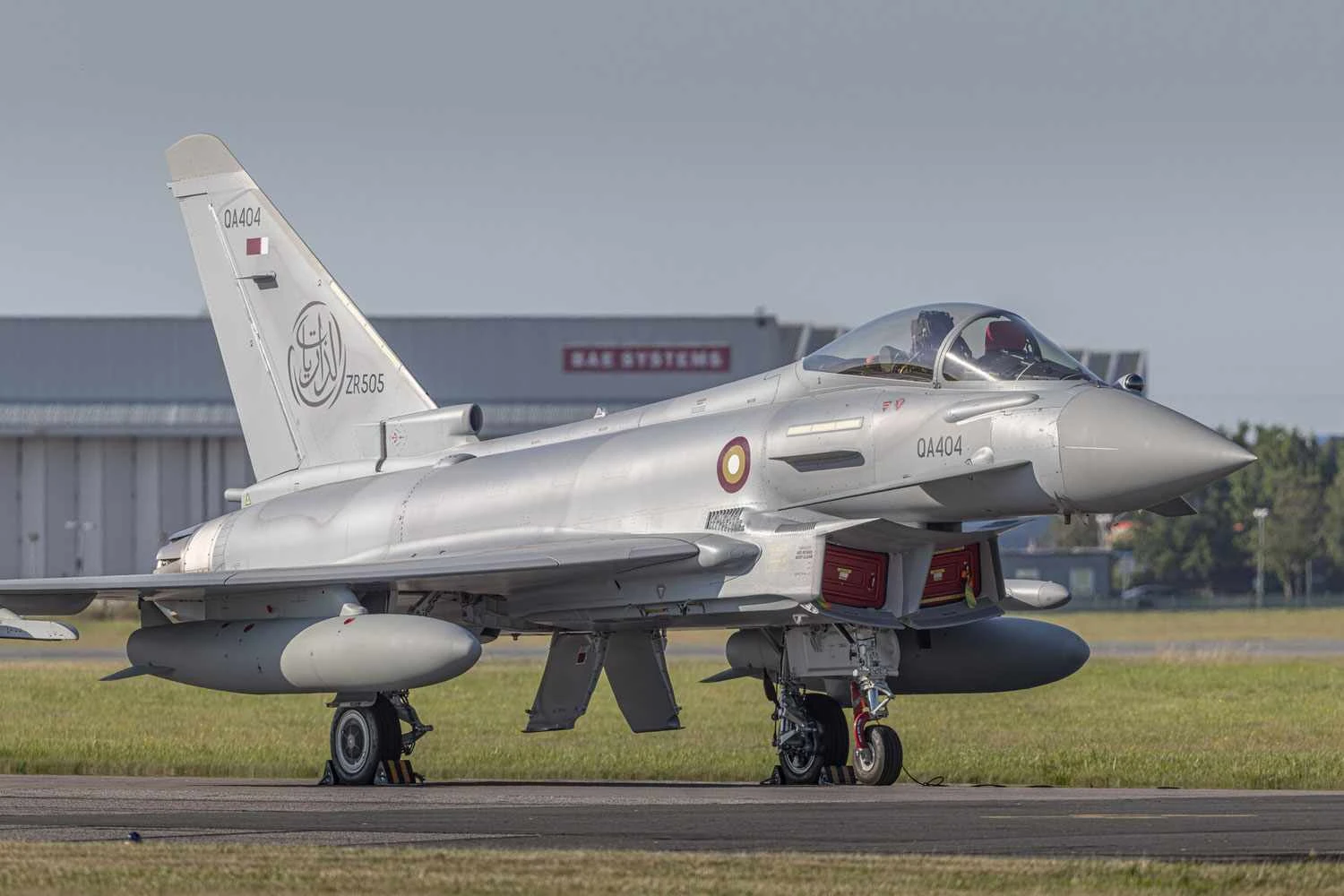
The Qatar Emiri Air Force currently operates three modern fighter types: the F-15QA, the Eurofighter Typhoon and the Dassault Rafale.
The F-15QA is one of the most advanced versions of the long-serving F-15 Eagle and served as the technological basis for the U.S. Air Force’s F-15EX Eagle II. The aircraft incorporates digital fly-by-wire flight controls, the AN/APG-82(V)1 active electronically scanned array radar, large-area cockpit displays and modern electronic warfare systems. It is powered by General Electric F110-GE-129 engines and includes additional wing hardpoints that allow it to carry a larger weapons load than earlier F-15 variants.
The F-15EX was later developed from the Qatari configuration, incorporating additional U.S.-specific systems such as the AN/ALQ-250 Eagle Passive Active Warning Survivability System (EPAWSS) and an open mission systems architecture intended to simplify upgrades.
The engagement marks the first confirmed air-to-air kills for the F-15QA variant. It also adds to the combat record of the F-15 family, which has accumulated more than 100 aerial victories since entering service in the 1970s.
The incident took place amid escalating tensions in the region following U.S. and Israeli strikes on Iran. Tehran has responded with large-scale missile and drone attacks targeting U.S. bases and regional infrastructure across the Gulf, according to officials cited in the reports.