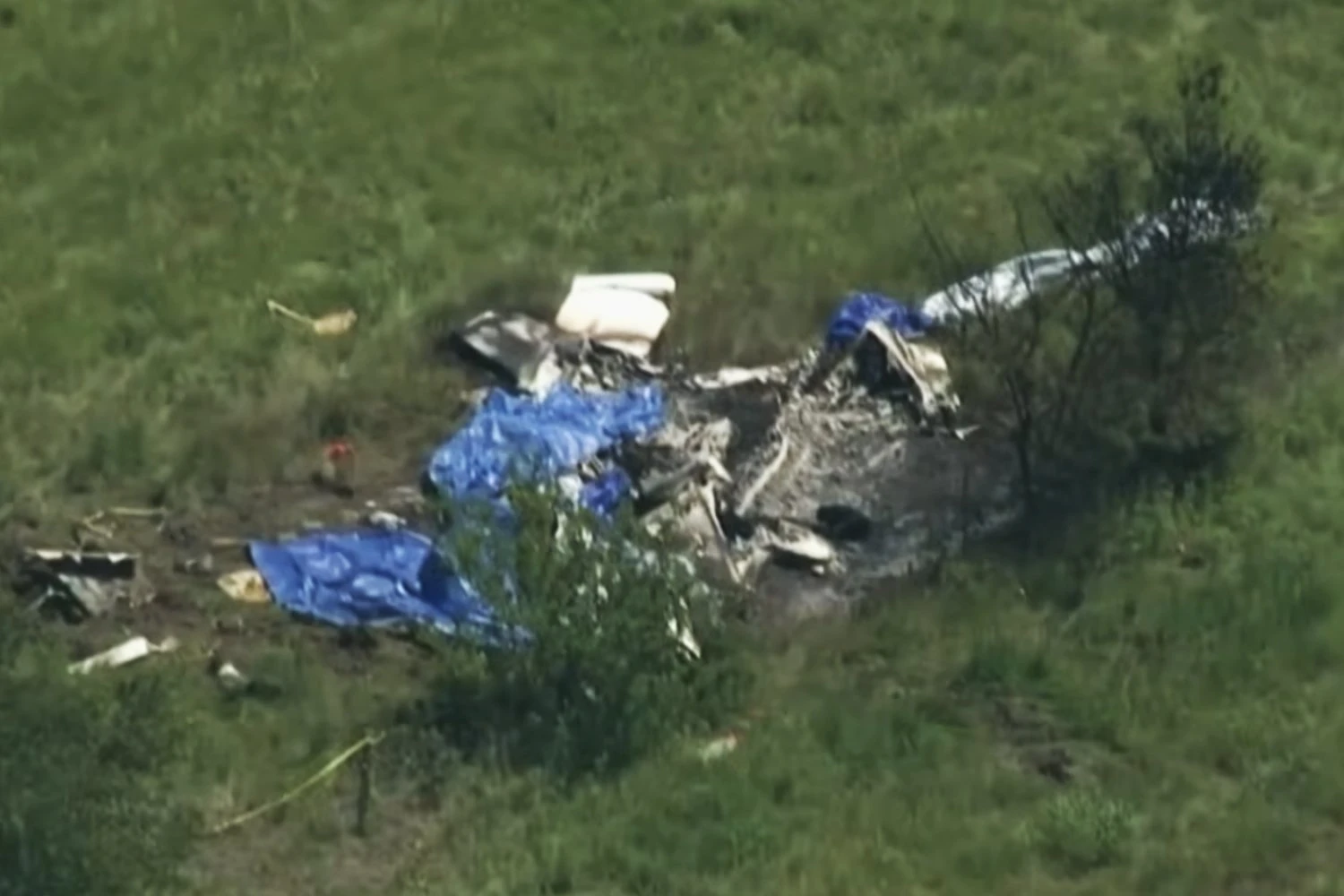
A Pacific Aerospace 750XL turboprop crashed shortly after takeoff in Missouri on Sunday, killing all 12 people on board in one of the deadliest U.S. skydiving accidents in recent years.
The aircraft departed Butler Memorial Airport at approximately 11:20 a.m. local time on a parachute flight operated by Skydive Kansas City. According to local authorities, the pilot attempted to return after the aircraft failed to gain altitude, but the airplane crashed a short distance from the airport and was destroyed by impact and post-crash fire.
The victims included the pilot and 11 skydivers. Emergency responders searched the area beneath the aircraft's flight path but found no evidence that any occupants had exited the aircraft before the crash.
The Federal Aviation Administration (FAA) identified the aircraft as a Pacific Aerospace 750XL, a utility turboprop designed and manufactured in New Zealand. The type is widely used by skydiving operators because of its ability to carry large groups of parachutists while operating from relatively short runways.
Related news
Originally developed from the PAC Cresco agricultural aircraft, the P-750 first flew in 2001 and received FAA certification in 2004. More than 120 examples have been produced. The aircraft is powered by a Pratt & Whitney Canada PT6 turboprop engine and was designed for multiple roles, including parachuting, cargo transport, aerial survey work, medical evacuation and passenger operations.
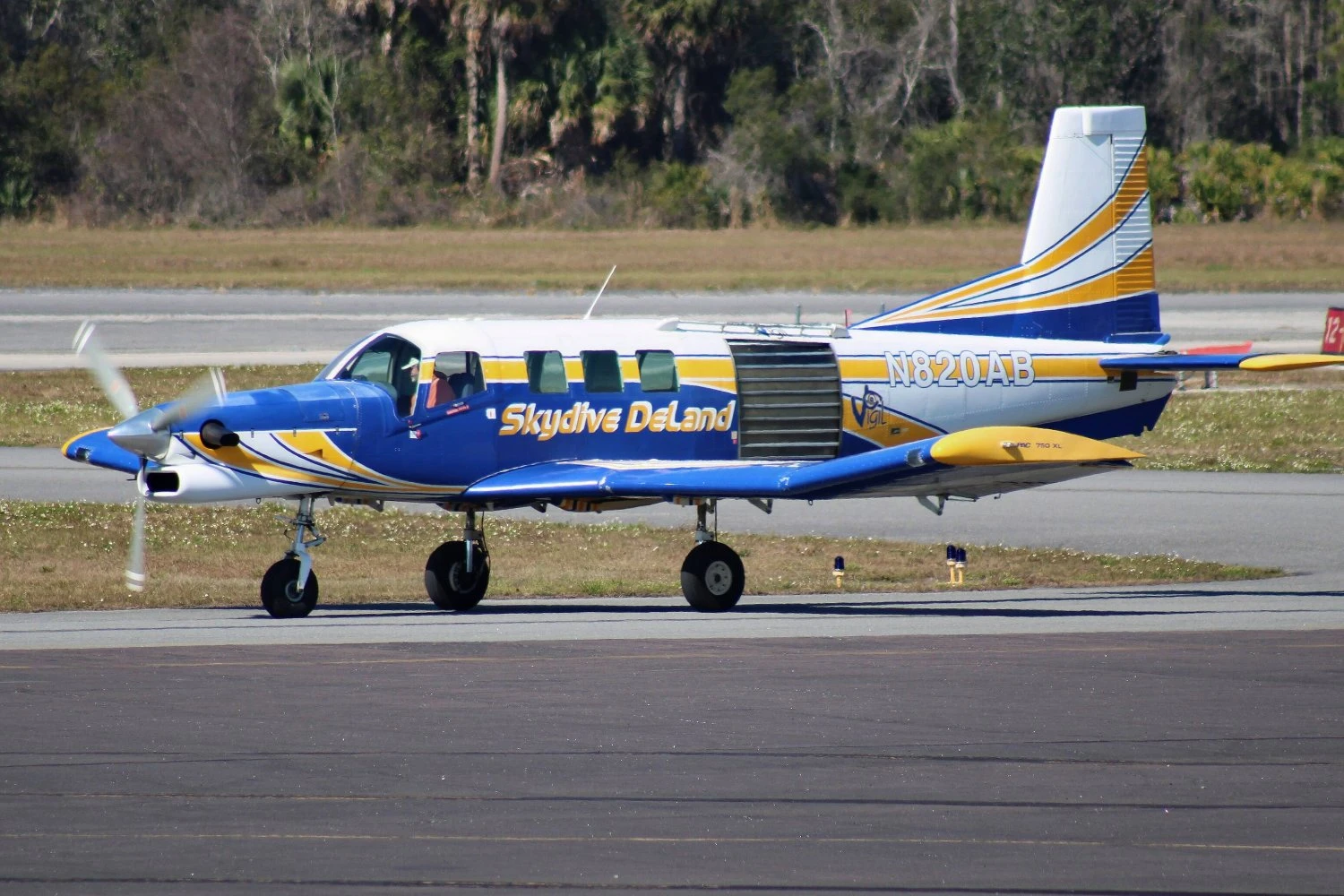
The model was specifically developed to combine high payload capability with short takeoff and landing performance, a characteristic reflected in its XSTOL designation. In addition to parachuting missions, the aircraft has found operators in remote regions where runway infrastructure is limited.
The aircraft registration N221BN involved in Sunday's accident was reportedly built in 2010. Flight tracking data indicated it had conducted several successful flights in the days preceding the crash, including multiple skydiving sorties on Friday, Saturday and earlier on Sunday.
Authorities have not determined what caused the accident. Local officials suggested the aircraft may have experienced a loss of power during the initial climb, but investigators have not confirmed that scenario.
The National Transportation Safety Board (NTSB) has assumed control of the investigation and will examine the aircraft's engine, propeller, maintenance history and operational records. The FAA is also participating in the inquiry.