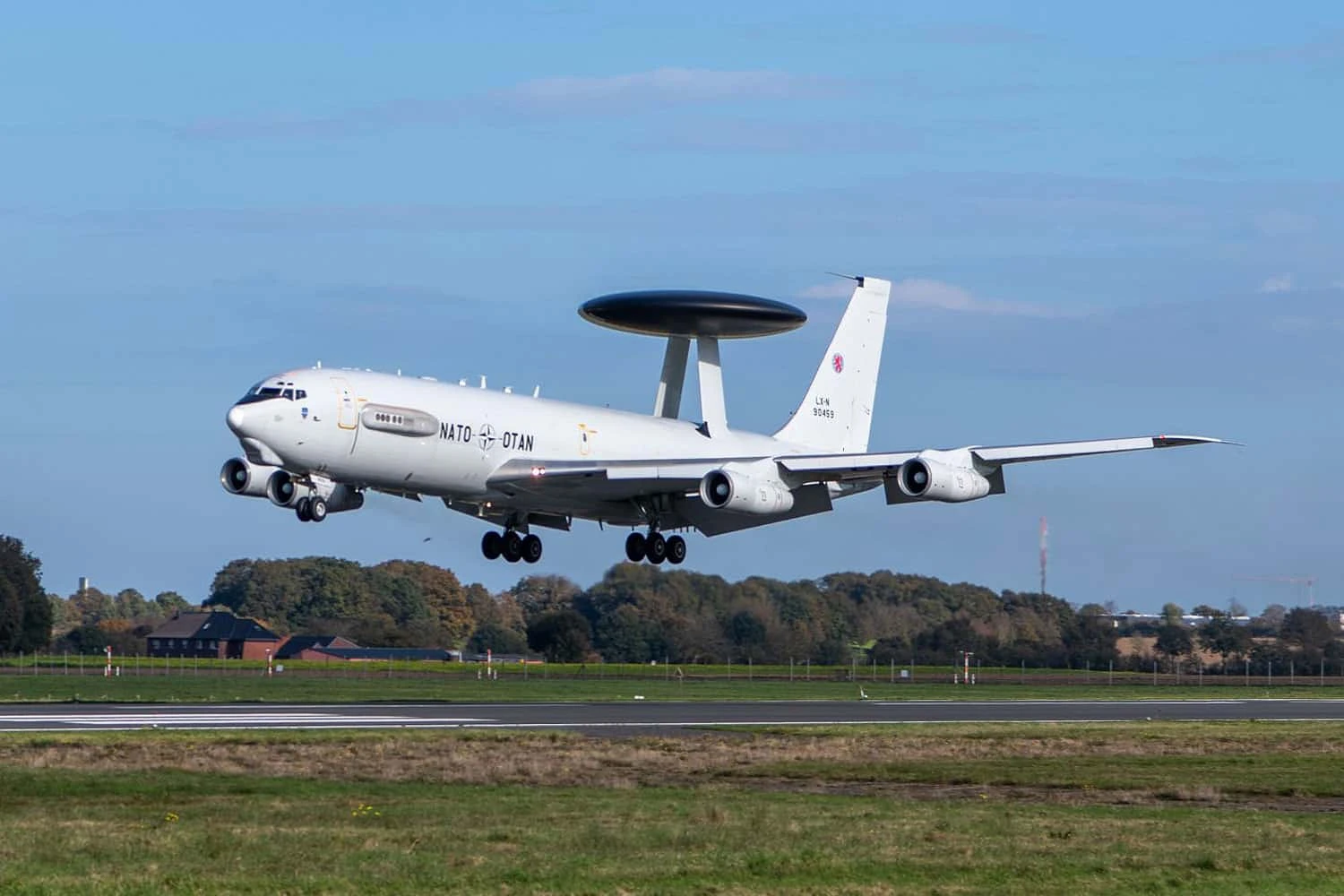
NATO will reinforce airborne surveillance over Poland with a Boeing E-3A AWACS following an incident in which three Russian cruise missiles entered Polish airspace and landed inside the country.
Supreme Allied Commander Europe (SACEUR) General Alexus Grynkewich authorized the forward deployment of a NATO Airborne Warning and Control System aircraft, according to the Alliance.
Polish Deputy Defense Minister Paweł Zalewski said the aircraft would be made available to Poland after a meeting of the North Atlantic Council in Brussels on Monday.
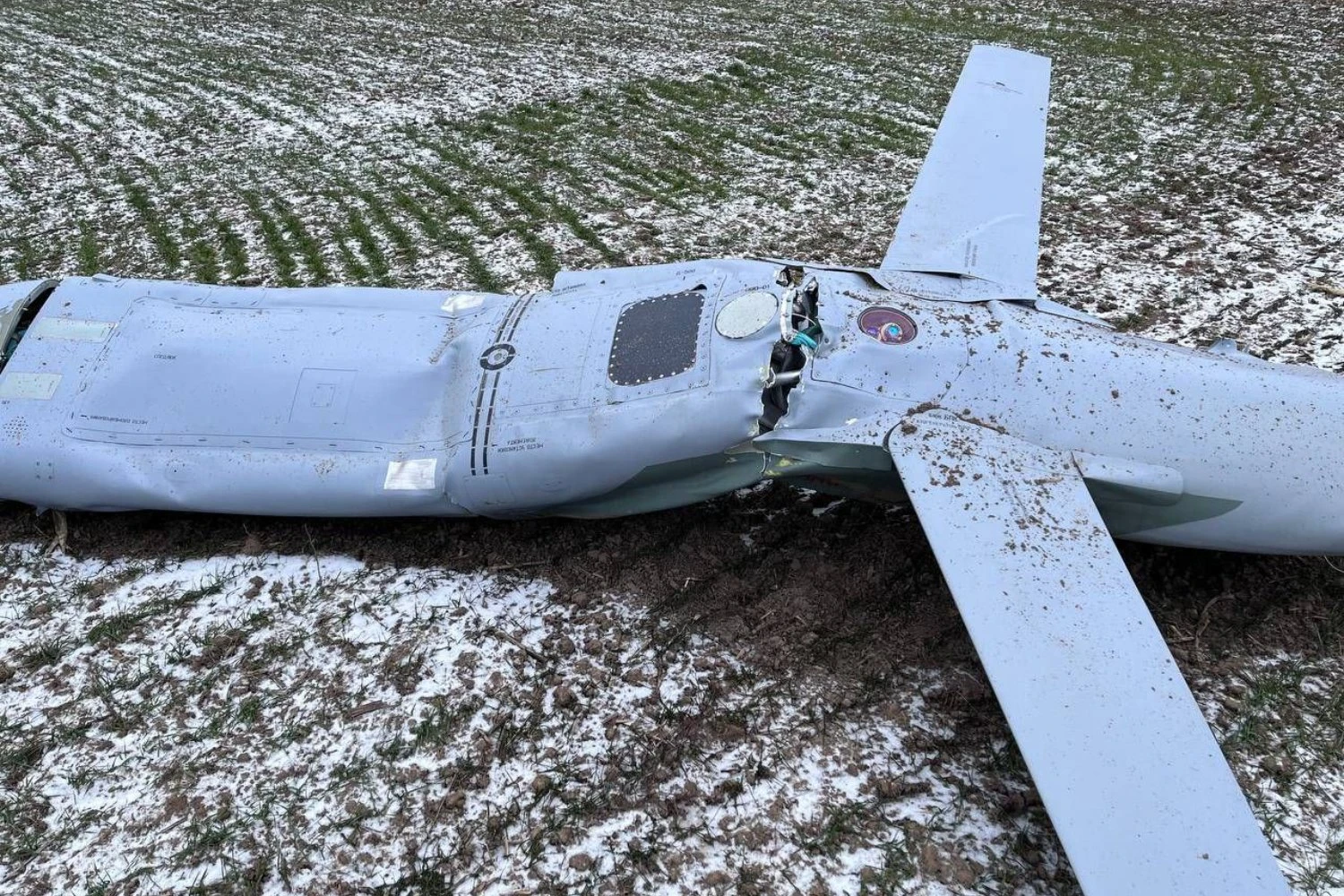
The move follows Friday's incident in southeastern Poland. Polish prosecutors subsequently identified the three objects that landed in the country as Russian Kh-101 cruise missiles.
AWACS already patrol NATO's eastern flank
The latest deployment does not mark the beginning of E-3 operations over Poland. NATO AWACS aircraft already regularly conduct surveillance missions along the Alliance's eastern flank and have been operating over Polish territory under the Eastern Sentry activity.
The operation was launched after Russian drones violated Polish airspace in September 2025. NATO conducted its first AWACS surveillance flight in support of Eastern Sentry on September 19 of that year.
E-3As have also been active over Poland in recent days. Flight-tracking data showed one NATO aircraft patrolling Polish airspace near Russia's Kaliningrad region on November 21, before the latest reinforcement was announced.
Follow Air Data News: WhatsApp | Instagram | LinkedIn | Twitter | Facebook
The new measure therefore represents an additional reinforcement of an existing surveillance presence rather than the introduction of the E-3A into Polish airspace.
NATO said Grynkewich is also assessing the possible deployment of additional capabilities as the Alliance reviews its deterrence and defense posture in Poland and elsewhere along its eastern flank.
One E-3A can monitor an area the size of Poland
NATO operates 14 E-3A aircraft from NATO Air Base Geilenkirchen in Germany. Unlike most aircraft used in NATO operations, the fleet is owned and operated directly by the Alliance and staffed by multinational crews.
Based on the Boeing 707 airframe, the E-3A carries a rotating radar dome measuring 30 feet (9.1 meters) in diameter. Its sensors allow crews to detect, identify and track aircraft and other targets while transmitting the resulting surveillance picture to Allied command centers and combat aircraft.
According to NATO, an E-3A operating at 30,000 feet (9,150 meters) can monitor more than 120,000 square miles (312,000 square kilometers), an area roughly equivalent to the size of Poland.
Related news

The aircraft can detect low-altitude targets at distances of up to 215 nautical miles (400 km) and medium-altitude targets at up to 280 nautical miles (520 km). Missions can exceed 10 hours and be extended through aerial refueling.
NATO's E-3A fleet has conducted hundreds of surveillance flights along the eastern flank since Russia launched its full-scale invasion of Ukraine in 2022, monitoring aircraft, missiles and drones approaching Allied territory.

Report an error