 Air Transport
A renewed search for Malaysia Airlines Flight MH370 has failed to locate the missing aircraft more than twelve years after the Boeing 777 disappeared during a flight from Kuala Lumpur to Beijing.
Malaysia’s Air Accident Investigation Bureau said a seabed search conducted by marine robotics company Ocean Infinity between March 2025 and January 2026 did not produce any confirmed evidence of the aircraft’s wreckage.
The effort covered about 7,571 square kilometers of ocean floor in the southern Indian Ocean, an area where satellite analysis suggests the aircraft likely crashed after deviating sharply from its planned route. The search was carried out in two phases but was periodically interrupted by poor weather conditions.
The mission was conducted under a “no-find, no-fee” agreement in which Ocean Infinity would receive a payment of $70 million only if the wreckage were discovered.
Families of those on board have urged Malaysian authorities to continue the search and extend the contract with Ocean Infinity or other deep-sea exploration companies if necessary.
Major wreckage and black boxes never found
Malaysia Airlines Flight MH370 vanished on March 8, 2014 with 239 people on board, including 227 passengers and 12 crew members, most of them Chinese nationals.
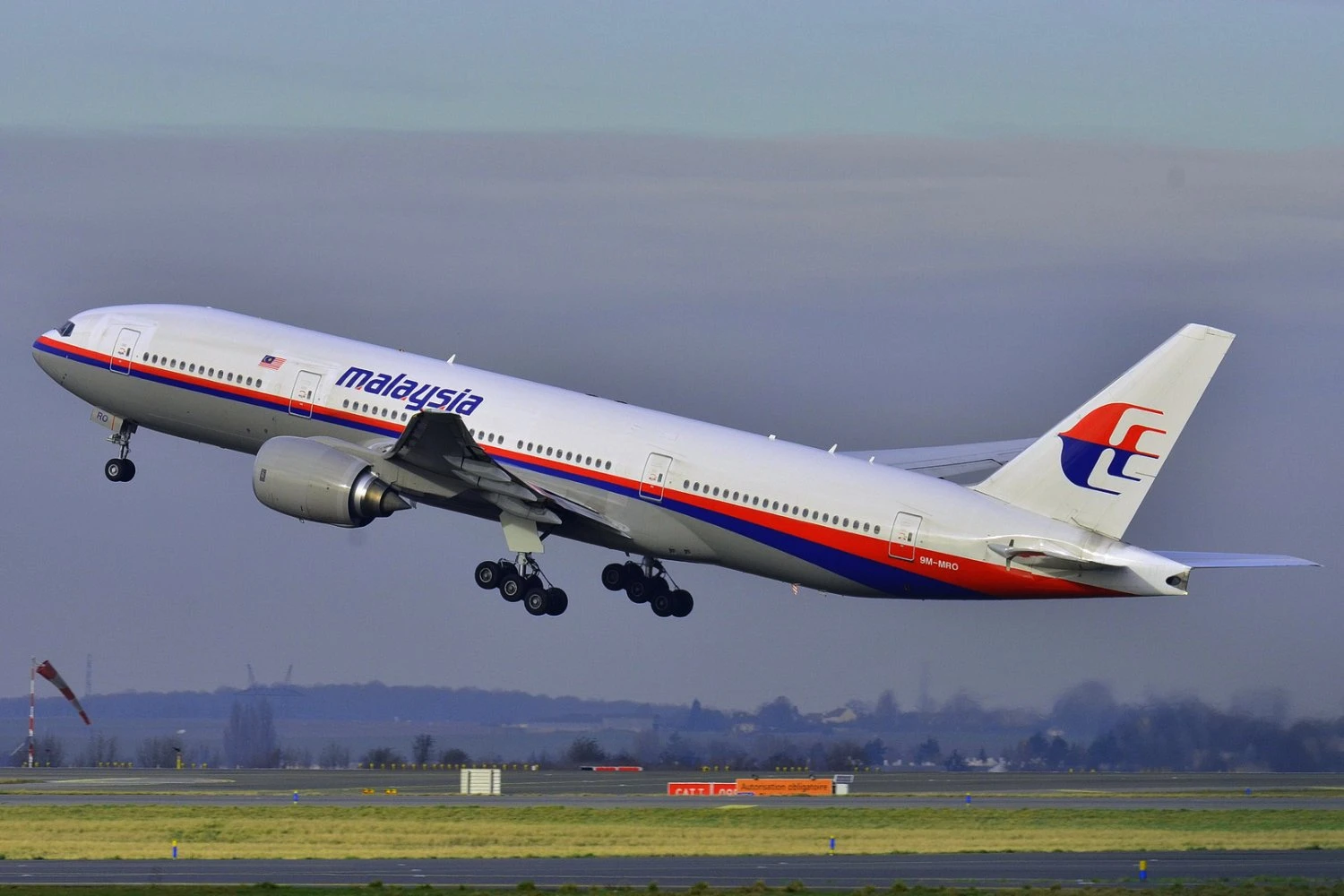
The aircraft involved was a Boeing 777-2H6ER registered 9M-MRO, delivered to Malaysia Airlines in 2002 and powered by Rolls-Royce Trent 892B engines. At the time of the disappearance, the twin-engine widebody had accumulated more than 53,000 flight hours over 7,526 flights.
MH370 departed Kuala Lumpur International Airport at 00:41 local time bound for Beijing Capital International Airport. The aircraft climbed normally to its planned cruising altitude of 35,000 feet and was last heard from at 01:19 when the crew acknowledged instructions to contact air traffic control in Ho Chi Minh City.
Seconds later the aircraft’s transponder stopped transmitting as it passed the IGARI waypoint over the South China Sea.
Primary radar data later indicated the aircraft turned back across the Malaysian peninsula and flew northwest along the Strait of Malacca before disappearing from radar coverage at 02:22.
Satellite communications data recorded several automated “handshakes” between the aircraft and an Inmarsat satellite network during the following hours. Analysis of those signals later suggested the aircraft flew south into the remote southern Indian Ocean.
The disappearance triggered one of the largest aviation search operations in history. Early efforts focused on the South China Sea before investigators concluded the aircraft had likely diverted far from its intended route.
See also: Planes that never made it to their destination
Multinational search missions involving ships and aircraft scanned vast areas of ocean surface and seabed but found no confirmed wreckage.
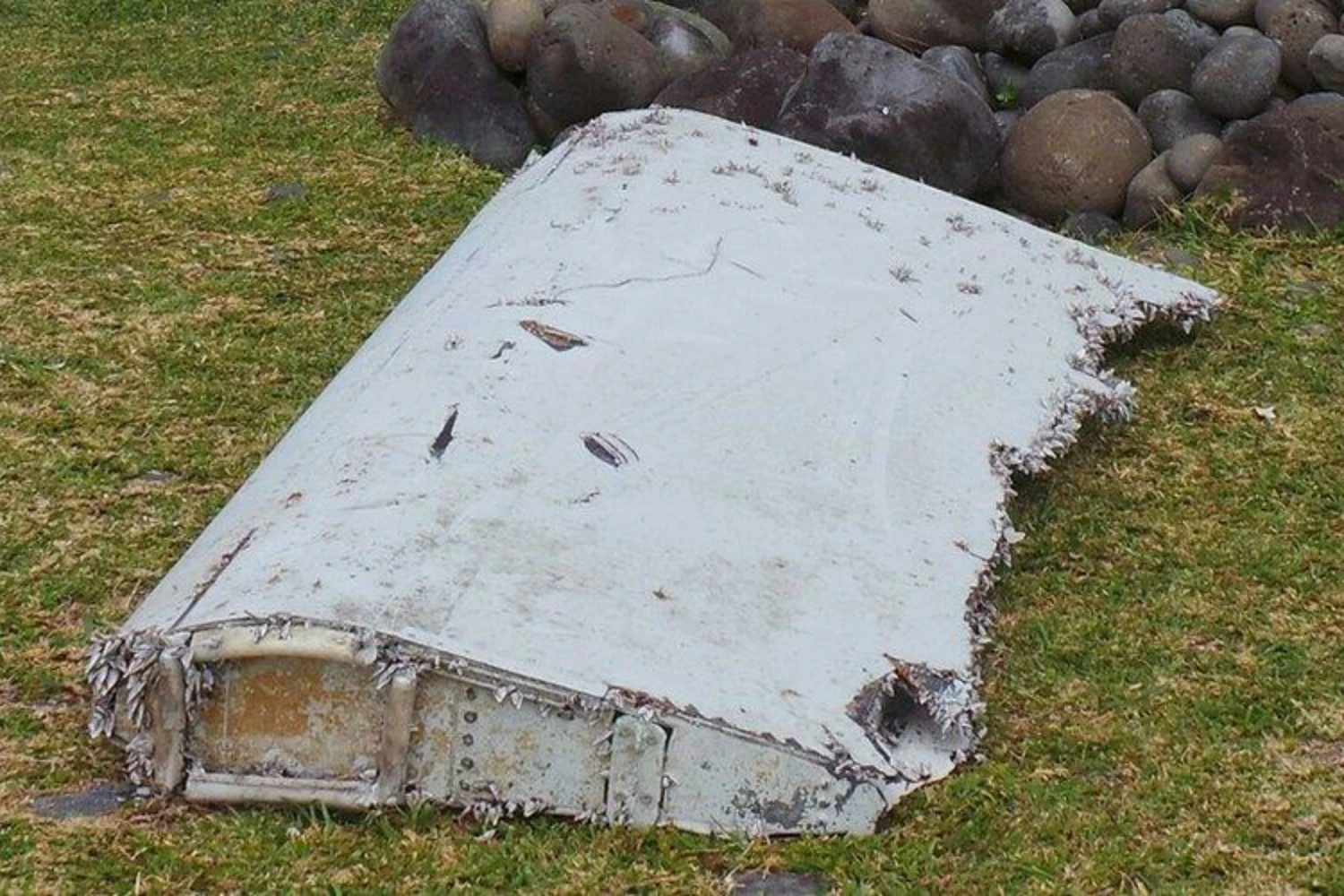
In July 2015, debris identified as part of the aircraft’s wing — known as a flaperon — washed ashore on the island of Réunion in the western Indian Ocean. Additional fragments believed to be from MH370 were later recovered along the coasts of East Africa and nearby islands.
Despite these discoveries, the aircraft’s main wreckage and flight recorders have never been located.
A privately funded search conducted by Ocean Infinity in 2018 also failed to find the aircraft. The latest mission renewed hopes among families that new technology or refined search areas could finally reveal the location of the missing jet.
Investigators have never been able to determine the cause of MH370’s disappearance, leaving one of aviation’s most enduring mysteries unresolved.