 Defense
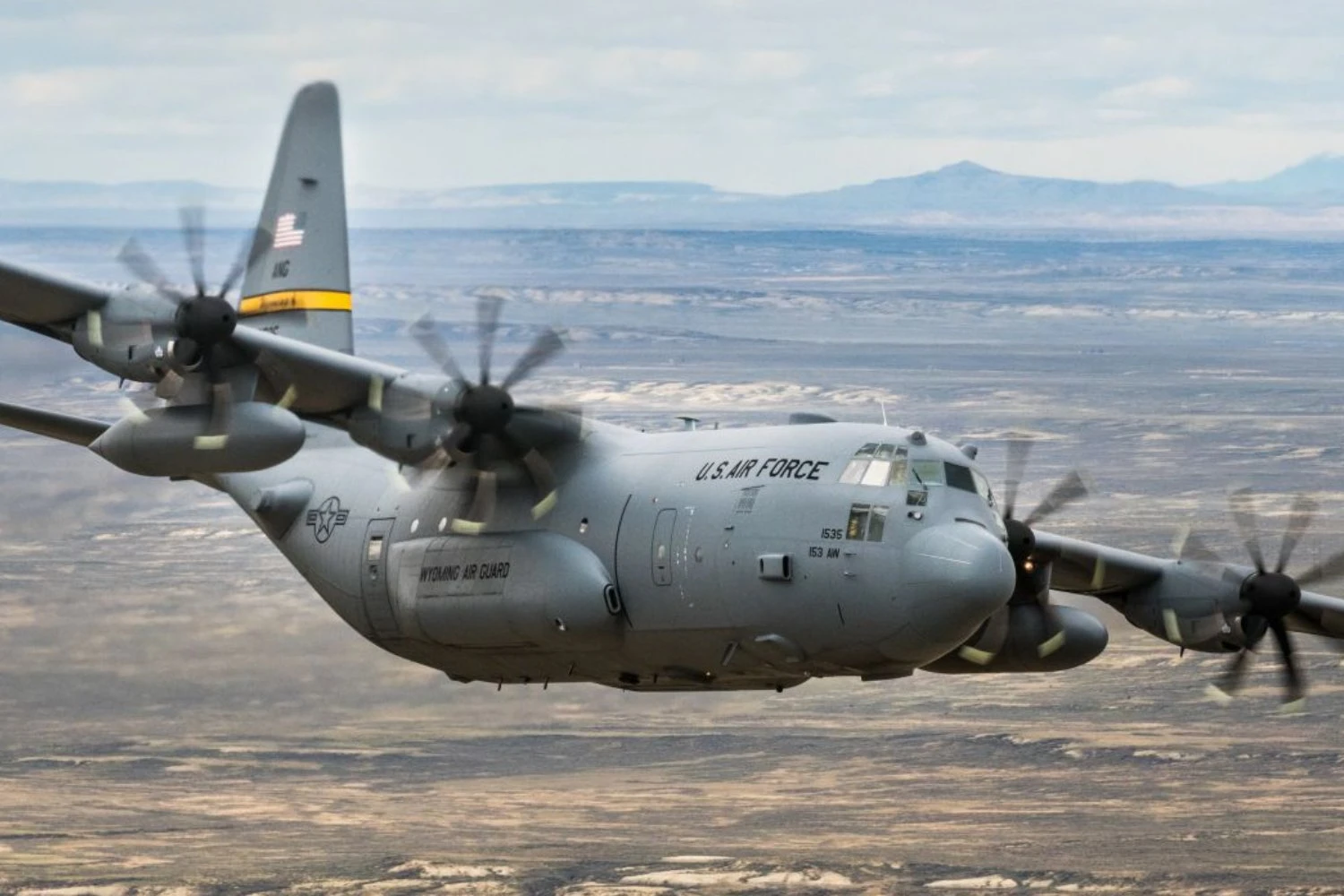
U.S. technology company Merlin has completed the Preliminary Design Review (PDR) for its autonomous flight system being developed for the Lockheed Martin C-130J Super Hercules, under a program awarded by U.S. Special Operations Command (USSOCOM).
The review confirms that the design for integrating the company’s autonomous flight system into the aircraft meets the program’s technical and safety requirements and allows the project to move into the Critical Design phase, when detailed engineering work begins.
Merlin is developing what it calls the “Merlin Pilot,” a software-based autonomy system intended to control aircraft from takeoff to landing without a human crew on board. The program involves integrating the autonomy system into a large military transport aircraft
USSOCOM selected Merlin as the prime contractor for the project under an Indefinite Delivery/Indefinite Quantity (IDIQ) contract that could reach $105 million.
The Lockheed Martin C-130J Super Hercules is the latest version of the long-running Hercules transport family and serves as the U.S. military’s main tactical airlifter. The aircraft is widely used for cargo transport, special operations, humanitarian missions and aerial refueling.
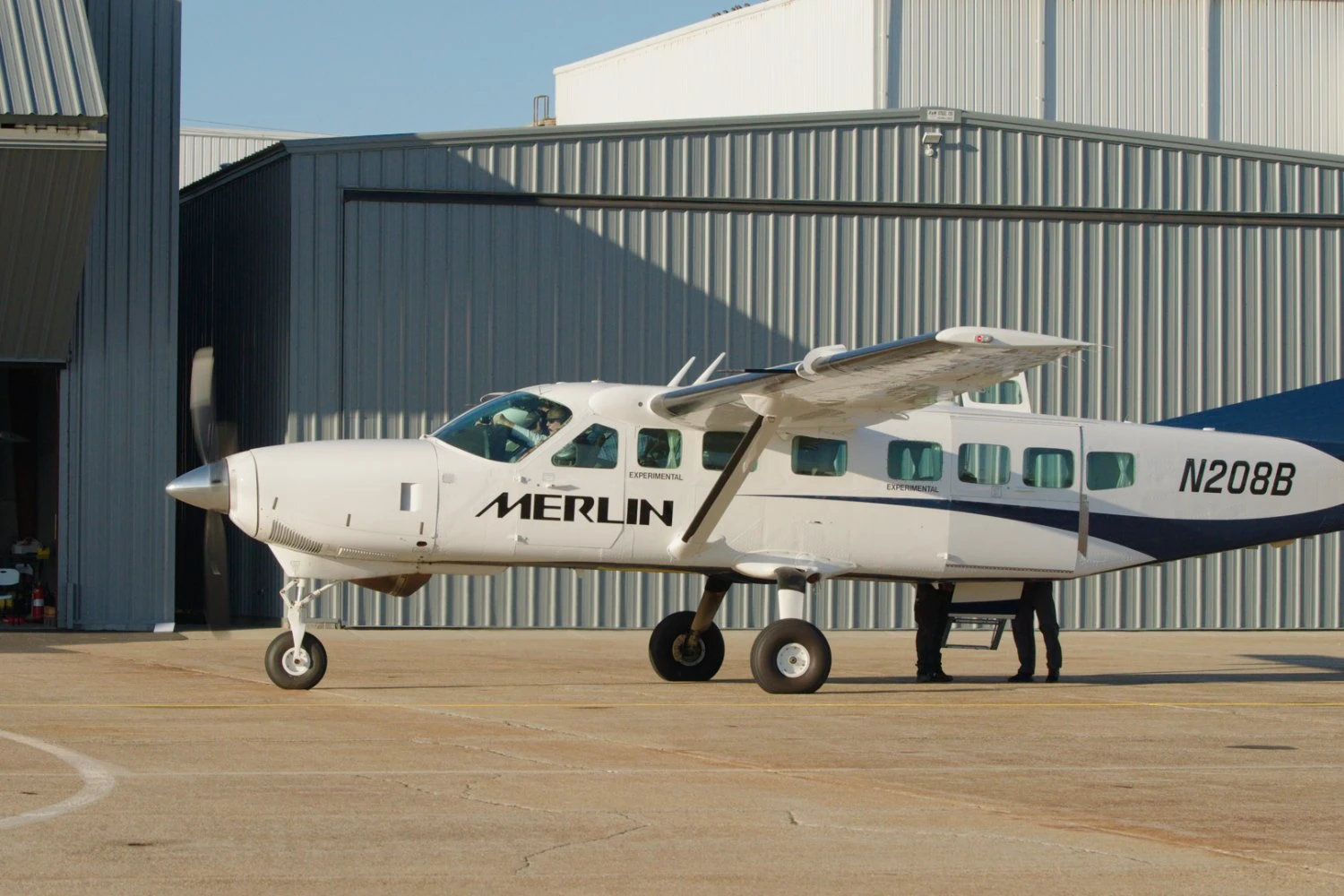
Merlin’s approach is to create a common autonomous flight architecture that could later be adapted to other aircraft types. According to the company, the same software framework developed for the C-130J could be applied to cargo turboprops, tankers or commercial freighters with additional integration work rather than a completely new system.
The company argues that progress toward certification is a central element of the project. In military aviation programs, the Preliminary Design Review assesses whether the system architecture, safety approach and development process are mature enough to proceed to detailed design.
Following the next milestone, the Critical Design Review, the program is expected to move into integration and ground testing before flight demonstrations that would show the aircraft operating autonomously from takeoff to landing.
Autonomous aviation has drawn increasing attention in both the defense and commercial sectors as developers attempt to address pilot shortages, expand the range of missions aircraft can perform and enable operations in environments considered too risky for crews.