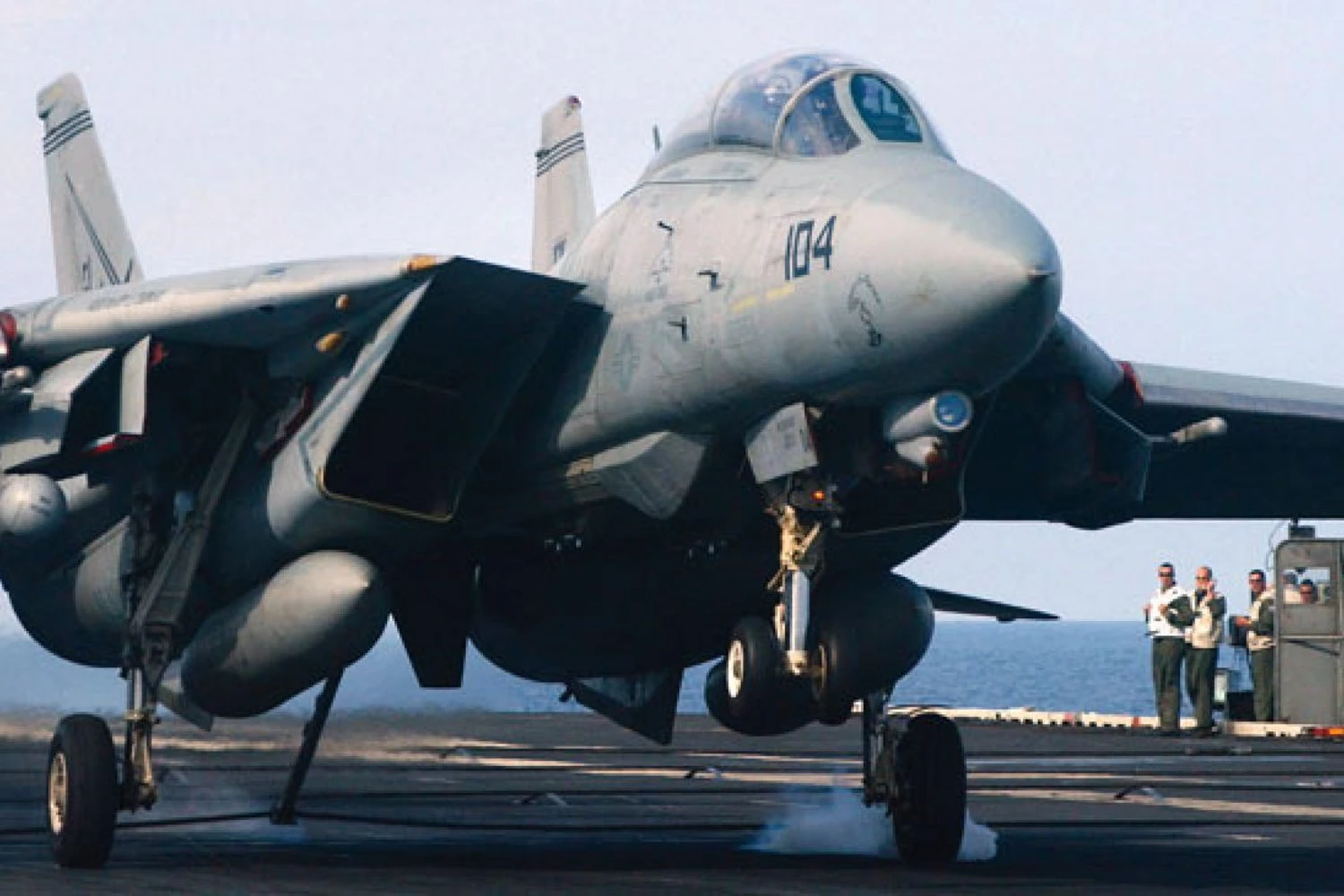
U.S. lawmakers have approved legislation that could lead to the return of a Grumman F-14 Tomcat to flight, nearly two decades after the aircraft was retired from Navy service.
The proposal, known as the “Maverick Act” — a reference to the F-14 pilot portrayed by Tom Cruise in the 1986 film Top Gun — passed the Senate in April and would authorize the transfer of three retired F-14s from storage in Arizona to the U.S. Space & Rocket Center in Huntsville, Alabama. The bill still requires approval from the House of Representatives.
Under the legislation, the aircraft would be demilitarized and handed over for public display. However, the text leaves open the possibility that one of the jets — specifically an F-14D variant — could be restored to flying condition for civilian use.
The three aircraft identified include two F-14Ds and one older F-14A. All are believed to have been held at the Aerospace Maintenance and Regeneration Group (AMARG), the U.S. military’s storage facility known as the “Boneyard.” Only a handful of Tomcats remain there, out of more than 600 operated by the U.S. Navy before the type’s retirement in 2006.
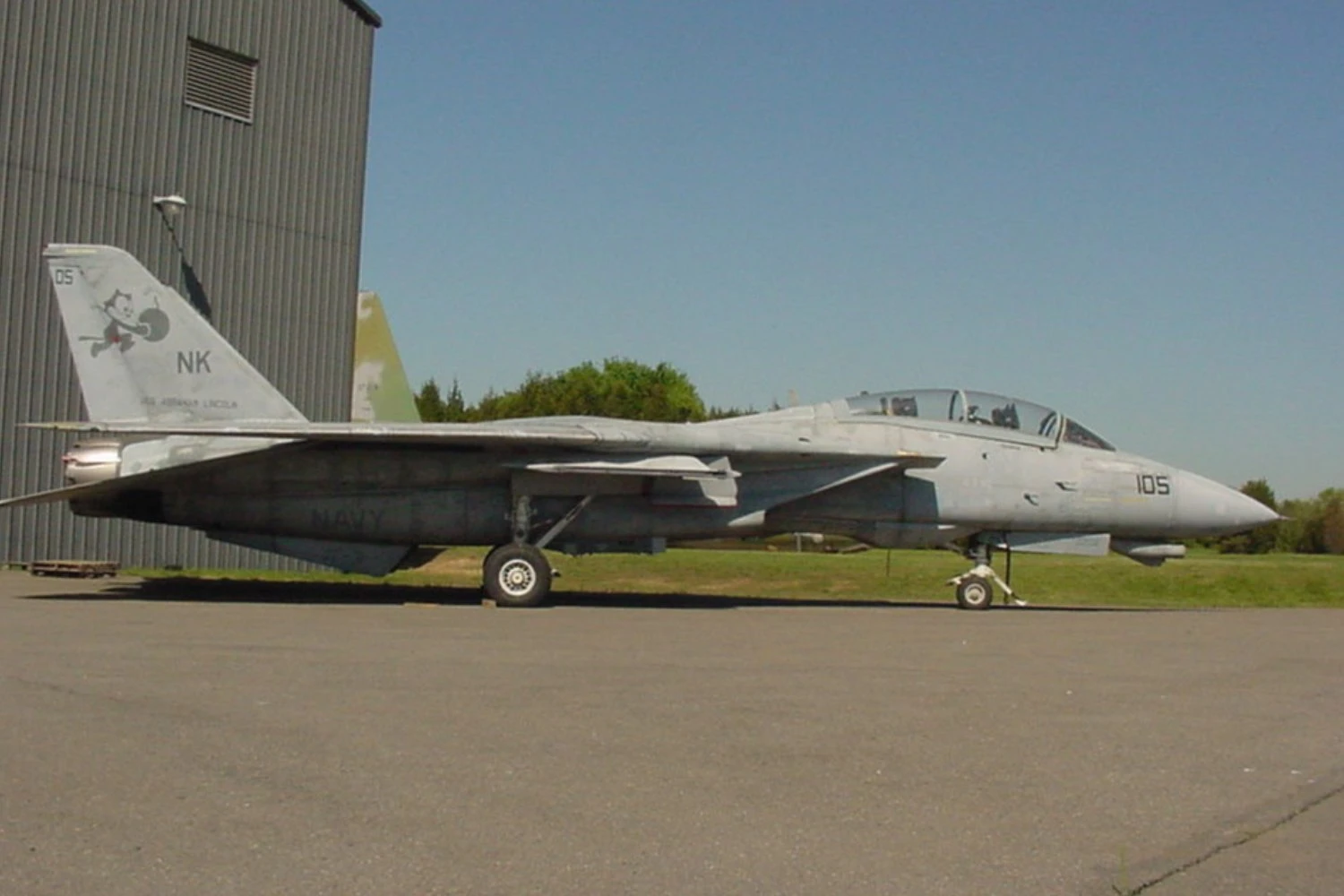
Any attempt to return an F-14 to flight would face significant technical and financial hurdles. Production of the aircraft ended in the early 1990s, and much of the remaining fleet was dismantled after retirement to prevent spare parts from reaching Iran, the only foreign operator of the type.
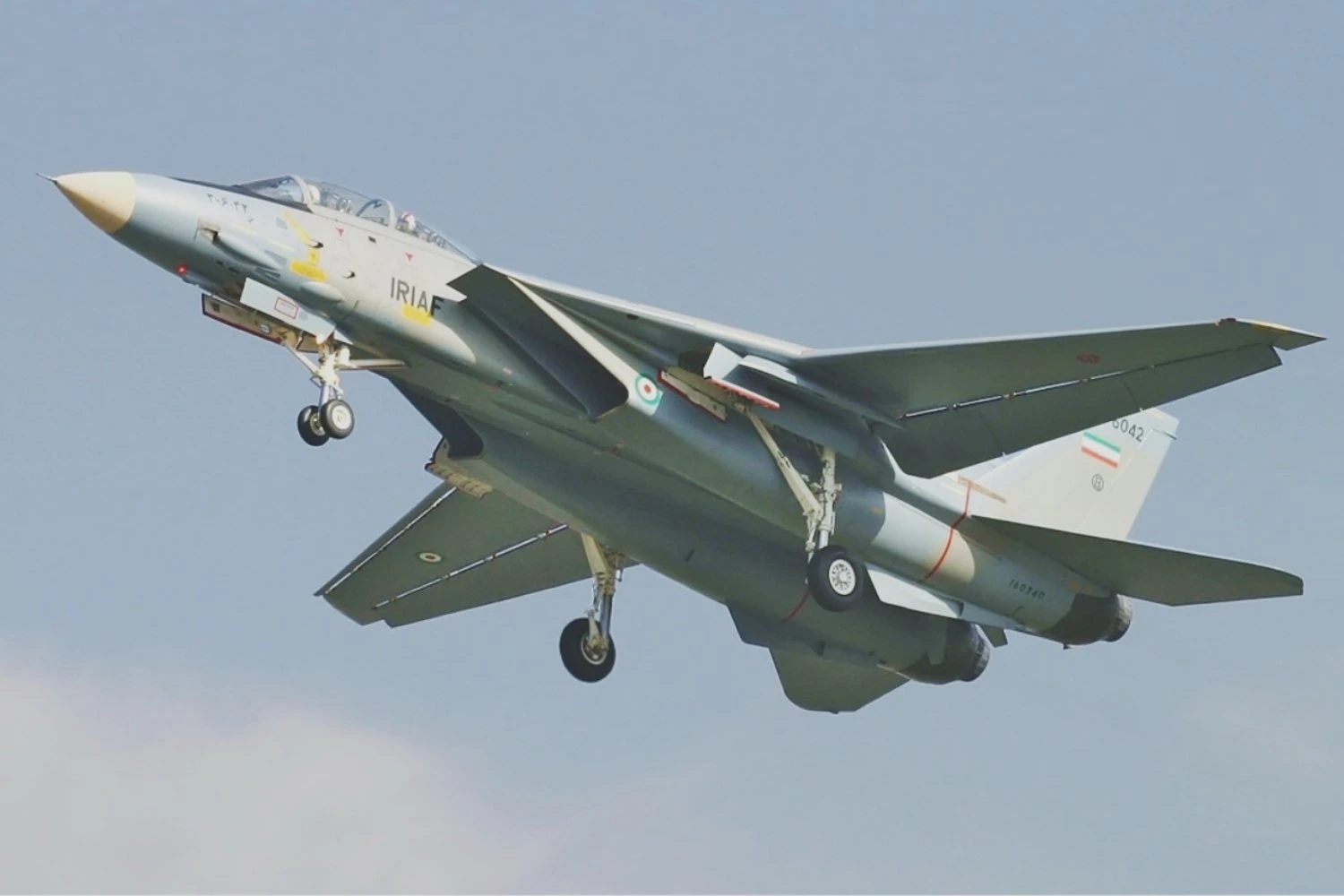
Iranian Tomcats destroyed
Iran acquired 80 F-14s in the 1970s, before the Islamic Revolution ended its alliance with the United States. The aircraft remained in service for decades despite limited access to parts. Recent military strikes have raised doubts about whether any Iranian Tomcats are still operational, although there is no confirmed evidence of their destruction.
The U.S. Navy is not authorized to fund restoration work under the proposed law, and any effort to make an aircraft airworthy would depend on external organizations. Even then, the availability of parts and technical expertise remains uncertain.
The bill also requires that the transferred aircraft be stripped of any combat capability, preventing their use as weapons platforms. Still, it allows the Navy to provide technical documentation and excess spare parts to support restoration or display.
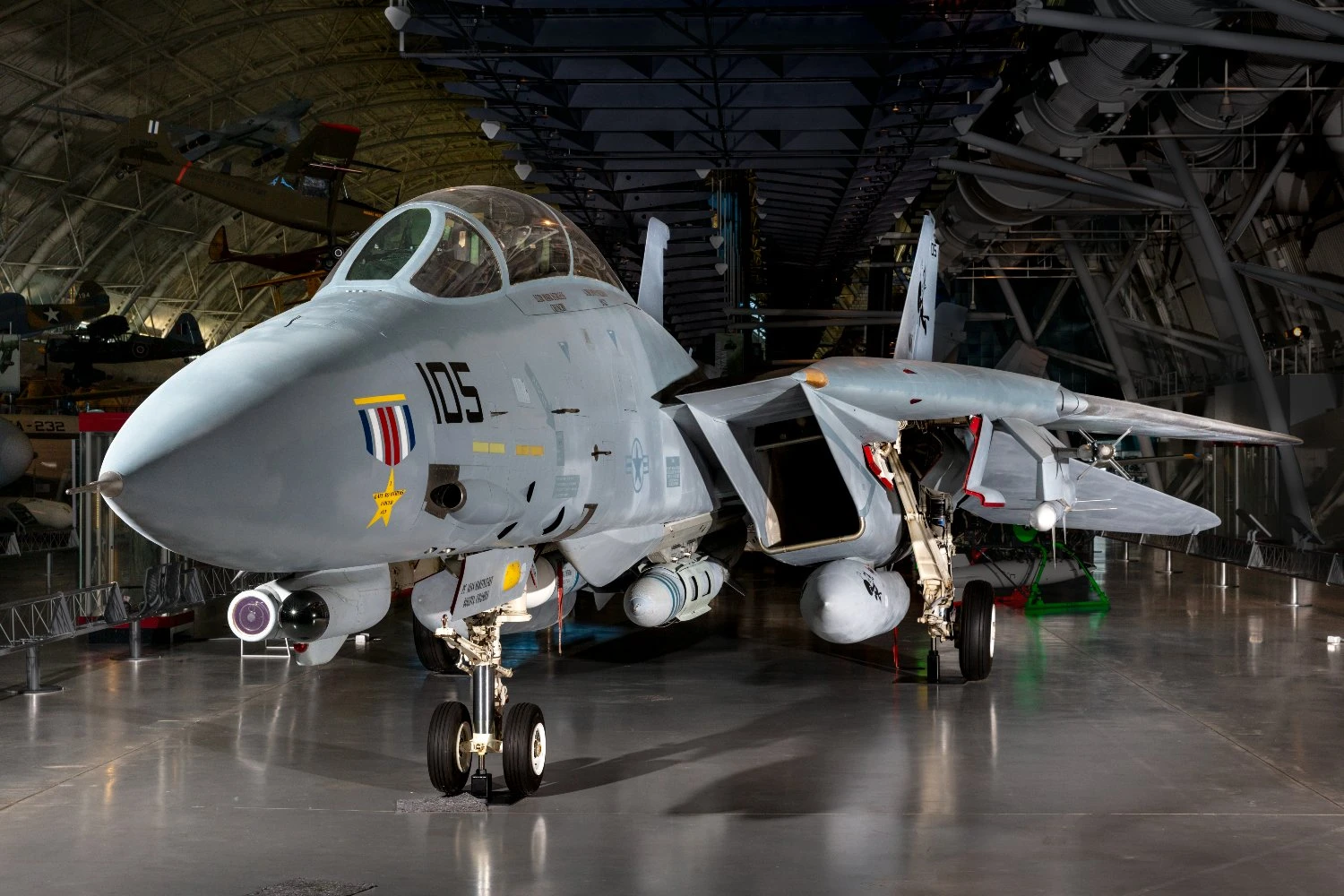
The F-14, introduced in the 1970s as a carrier-based air superiority fighter, became widely known beyond military circles through its appearance in the film “Top Gun.” Its combination of variable-sweep wings, long-range radar and Phoenix missiles made it a central element of U.S. naval aviation during the Cold War.
If approved, the legislation would mark a rare exception to longstanding restrictions that led to the destruction of most surviving Tomcats, opening a narrow path for one of the last examples to return to the air.
See also: 50 years of the F-14 Tomcat, one of the most iconic fighters in history