 Defense
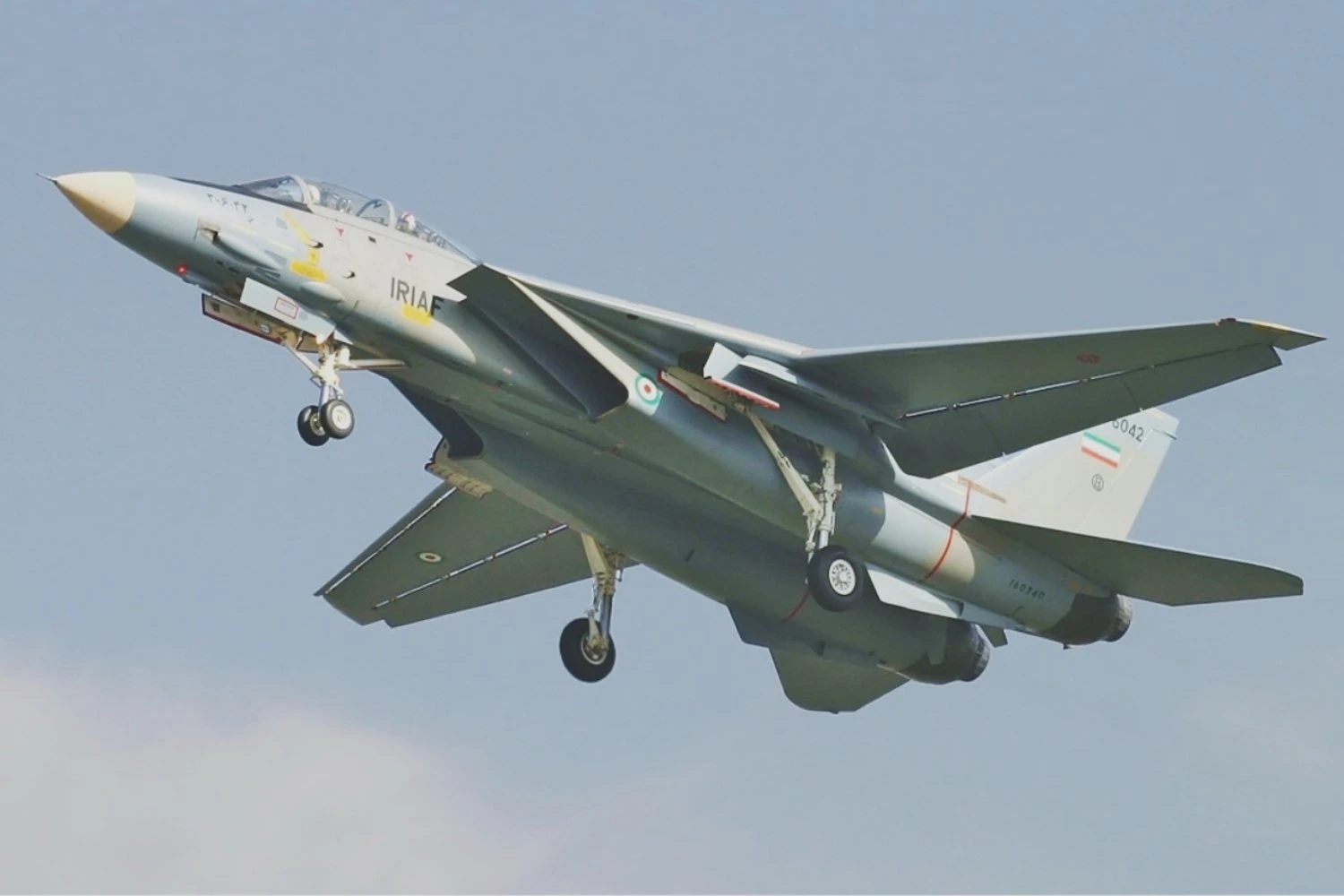
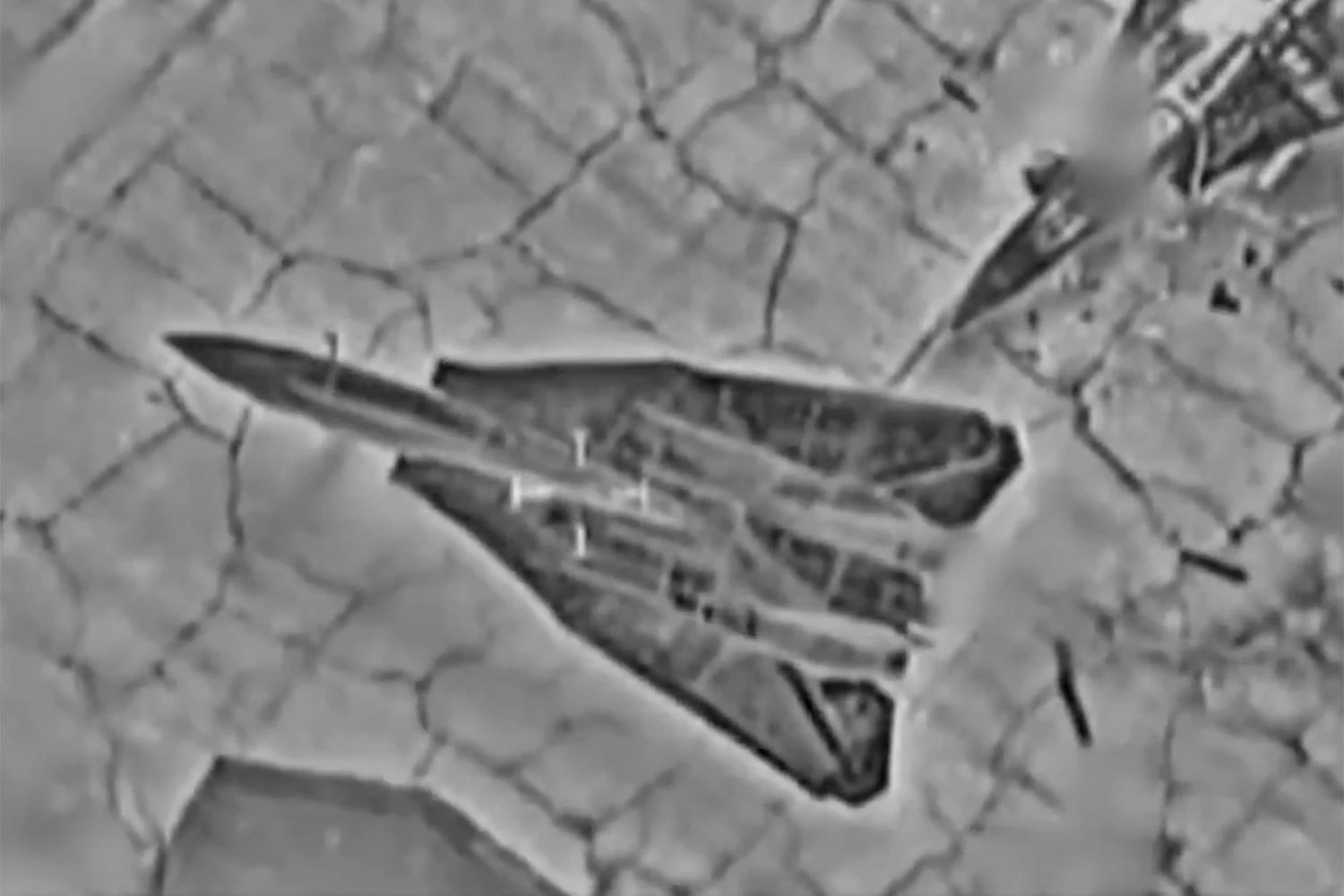
Israeli airstrikes destroyed several Iranian F-14 Tomcat fighter jets at Isfahan airport as part of a series of attacks targeting military infrastructure across the country, according to the Israel Defense Forces (IDF).
The strikes also hit detection and air defense systems that Israeli officials said posed a threat to Israeli aircraft operating over Iran. The IDF said the destruction of the F-14s was part of an effort to weaken Iran’s ability to challenge Israeli air operations.
The attacks occurred amid a broader wave of strikes across Iran. Israeli forces said they hit hundreds of targets in recent days, including ammunition bunkers and facilities linked to the Islamic Revolutionary Guard Corps.
Another attack earlier in the conflict reportedly destroyed 16 aircraft used by the IRGC’s Quds Force at Tehran’s Mehrabad airport.
The F-14 Tomcat is a U.S.-designed fighter aircraft that Iran acquired before the 1979 Islamic Revolution. In the mid-1970s, the country ordered 79 of the aircraft from the United States while it was still ruled by Shah Mohammad Reza Pahlavi.
After the revolution, relations between Washington and Tehran collapsed and Iran lost access to official technical support, spare parts and upgrades for the aircraft.
Despite those limitations, the Islamic Republic of Iran Air Force has continued operating the F-14 for decades through a combination of reverse engineering, local maintenance and the use of cannibalized parts from retired aircraft.
The United States Navy retired the F-14 in 2006, replacing it with the F/A-18 Super Hornet. Iran remains the only country still flying the twin-engine fighter.
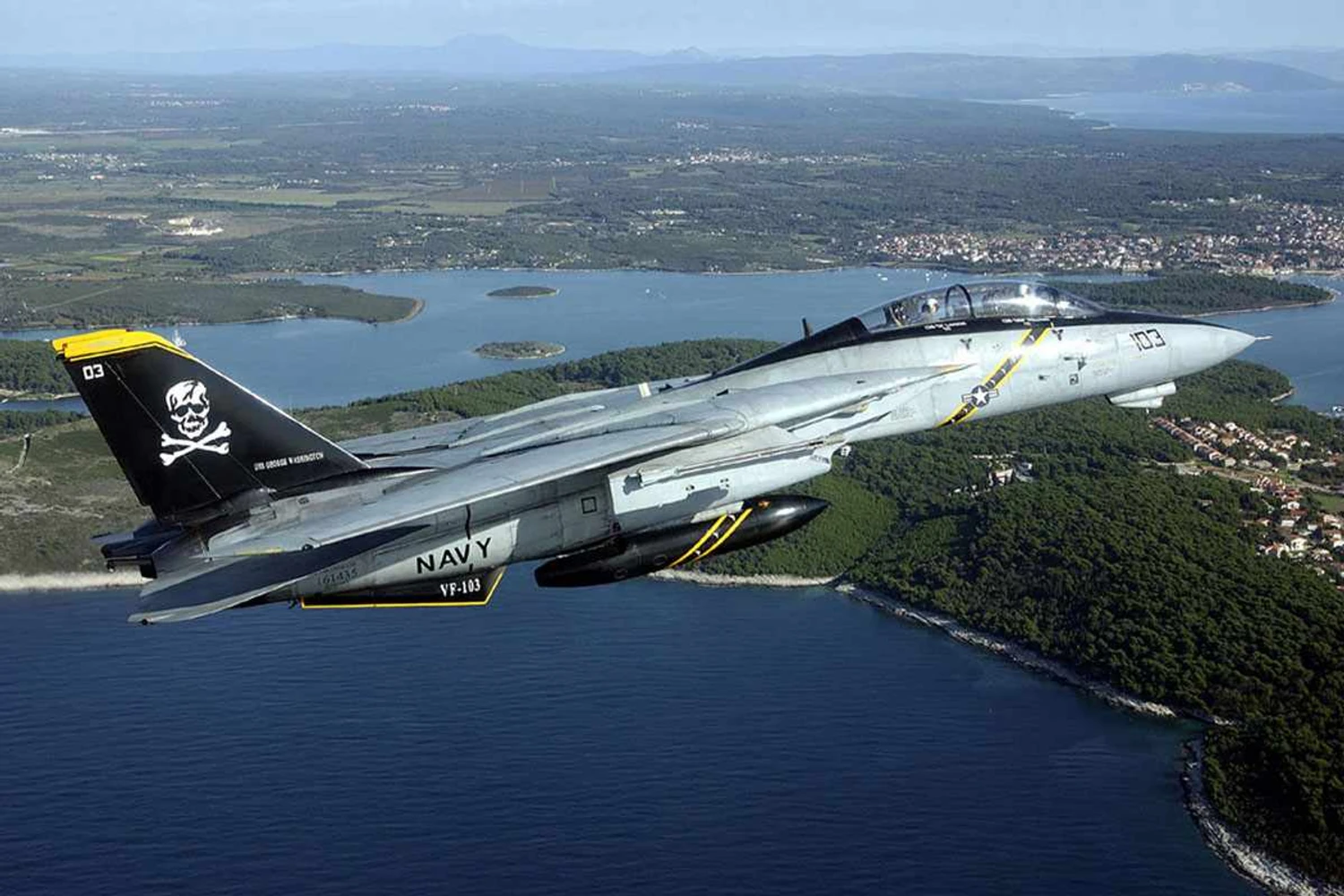
Although the aircraft gained international fame through the 1986 film *Top Gun*, Iran’s remaining fleet is widely considered technologically outdated. Analysts say the lack of manufacturer support and modern upgrades has limited the jets’ combat effectiveness after nearly five decades of service.
The strikes against the aircraft at Isfahan are therefore seen more as a symbolic blow to Iran’s air force than the elimination of a major operational capability.
Nevertheless, the attacks highlight Israel’s attempt to reduce potential threats to its aircraft as it continues conducting operations deep inside Iranian territory.