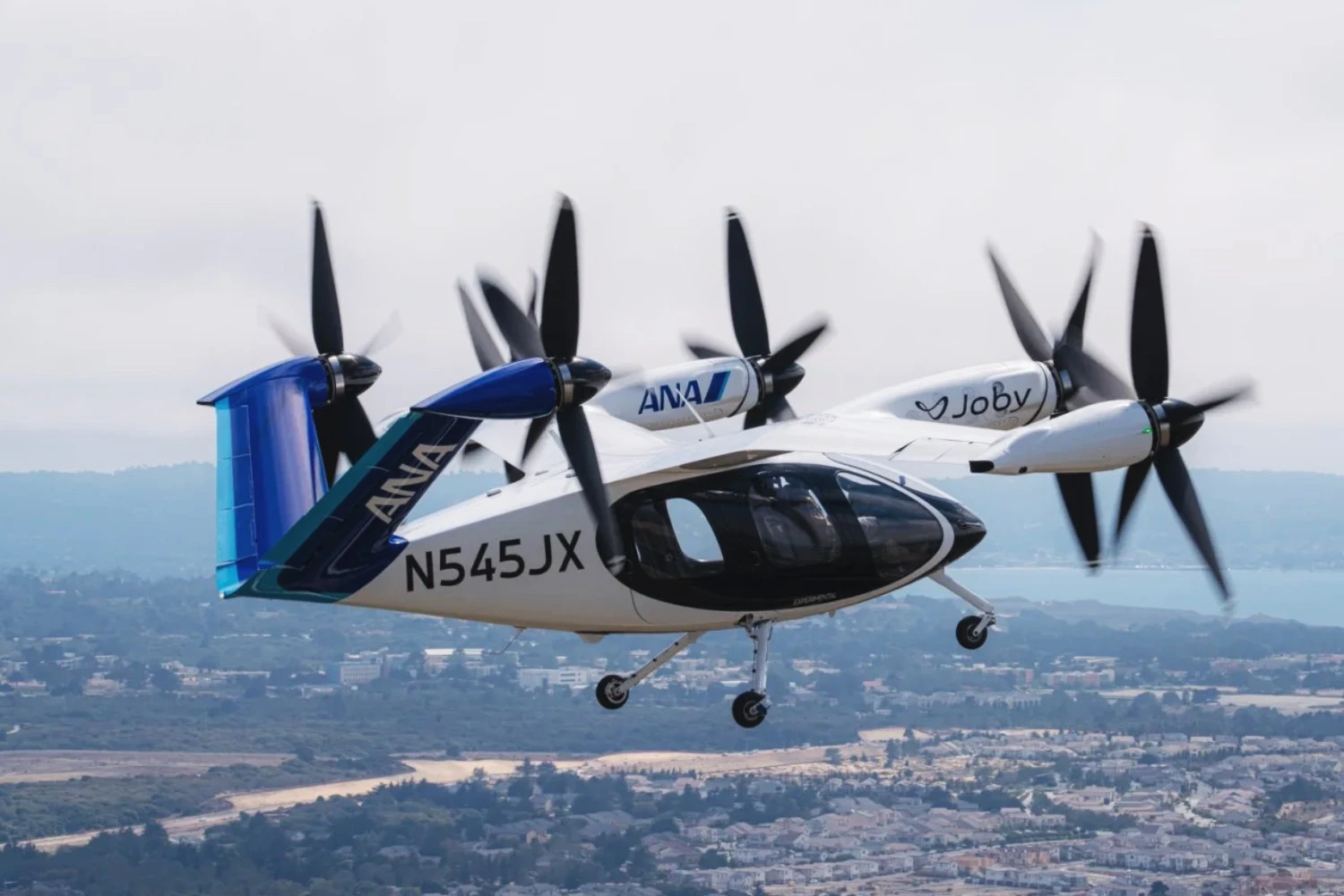
Joby Aviation has agreed to acquire defense technology company Resonant Sciences for approximately $500 million, giving the company a much larger presence in the military sector while keeping its commercial electric air taxi business separate.
Under the agreement, expected to close in the first half of 2027, Resonant will become Joby's dedicated defense business and will continue to operate under its own name and management. Joby said its commercial division will continue to pursue certification and entry into service of its electric air taxi.
Follow Air Data News: WhatsApp | Instagram | LinkedIn | Twitter | Facebook
Founded in 2015 and based in Dayton, Ohio, Resonant Sciences develops radio-frequency (RF) systems, mission equipment, electronic warfare technologies and low-observable aircraft structures for U.S. government agencies and major defense contractors. The company employs about 250 people and generated more than $100 million in revenue over the past 12 months.
Joby plans to combine its turbine-electric and hydrogen-electric aircraft programs, autonomy software and propulsion technologies with Resonant's expertise in sensing, communications and mission systems. The company said the combination will open opportunities in autonomous military aircraft and other defense applications.
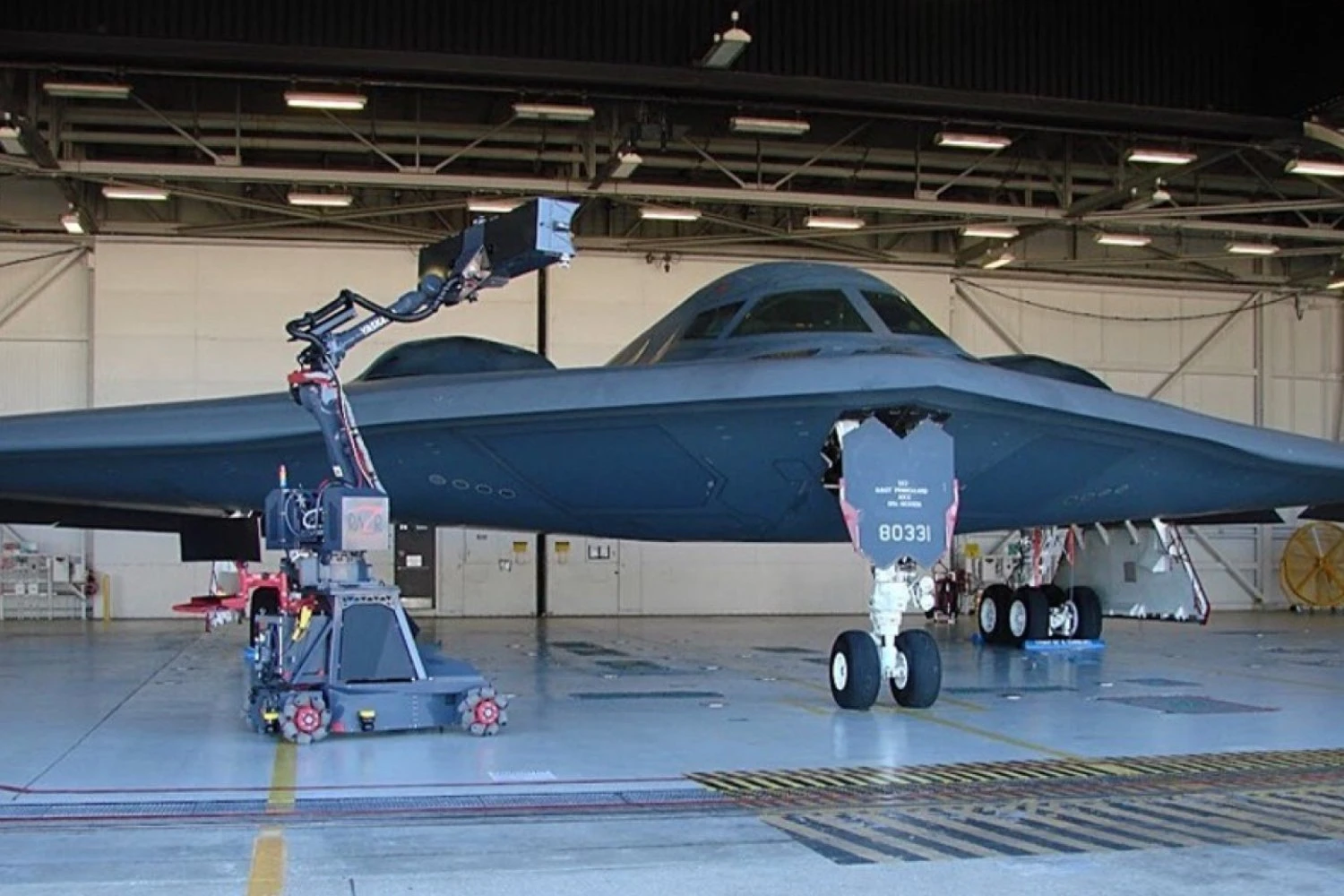
The acquisition also gives Joby an established defense business with classified facilities, long-term government contracts and manufacturing operations. Resonant currently operates more than 100,000 square feet of engineering and production space, and another 125,000-square-foot facility is under construction. Together with Joby's existing sites in Ohio, the combined operation will total nearly one million square feet dedicated to aerospace and defense activities.
The announcement came one day after Archer Aviation revealed its own move into the defense sector through the acquisition of three Boeing subsidiaries: autonomous aircraft developer Wisk Aero, drone manufacturer Insitu and digital aviation company SkyGrid.
Related news
January 12, 2026
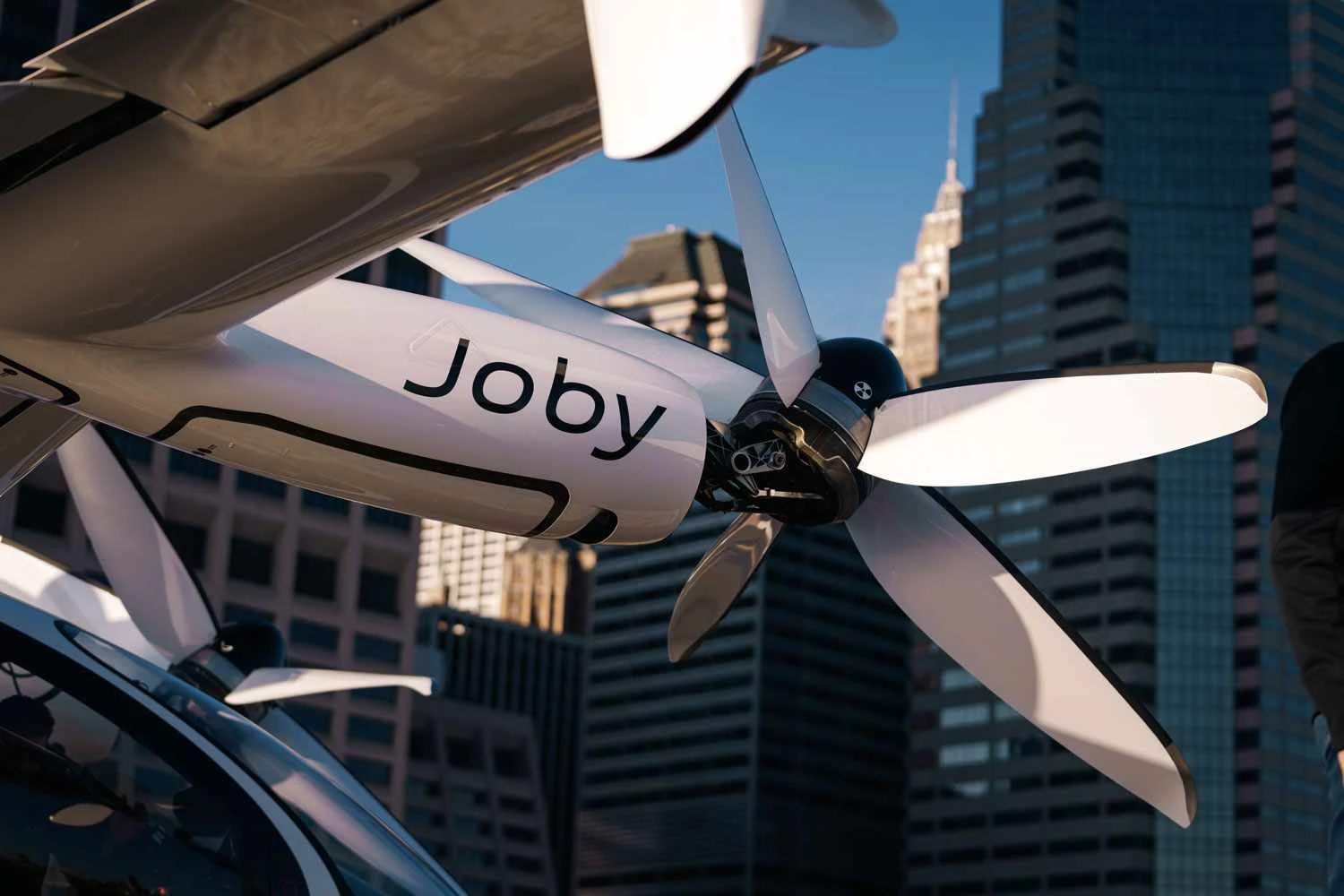
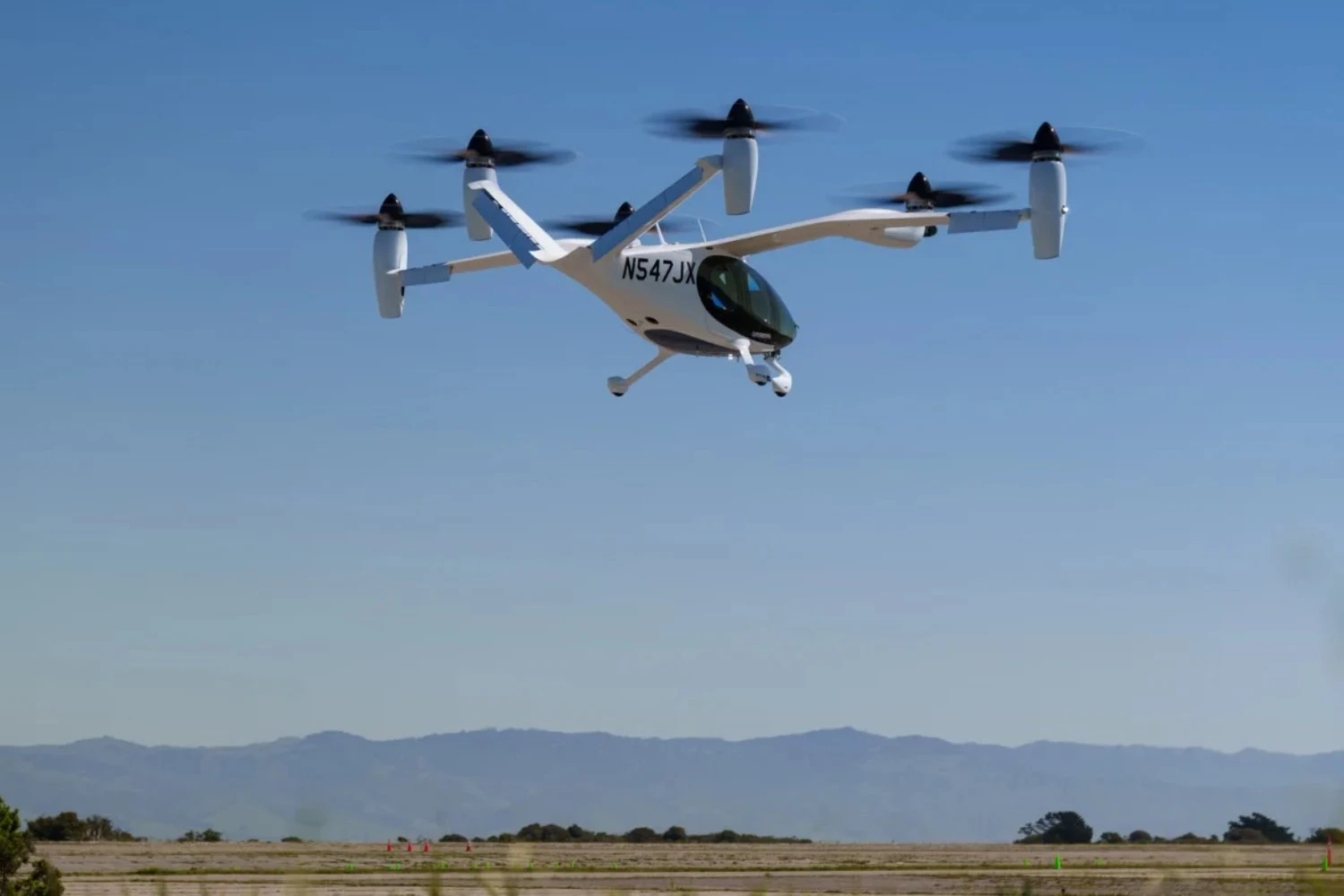
The two transactions point to a similar strategy among leading urban air mobility developers. Both Joby and Archer continue to pursue FAA certification of their electric aircraft, but military customers offer another source of revenue in autonomy, unmanned aircraft and advanced mission systems.
Defense procurement also follows a different path from commercial passenger certification, which may allow the two companies to generate business sooner while their civil aircraft complete the regulatory process.