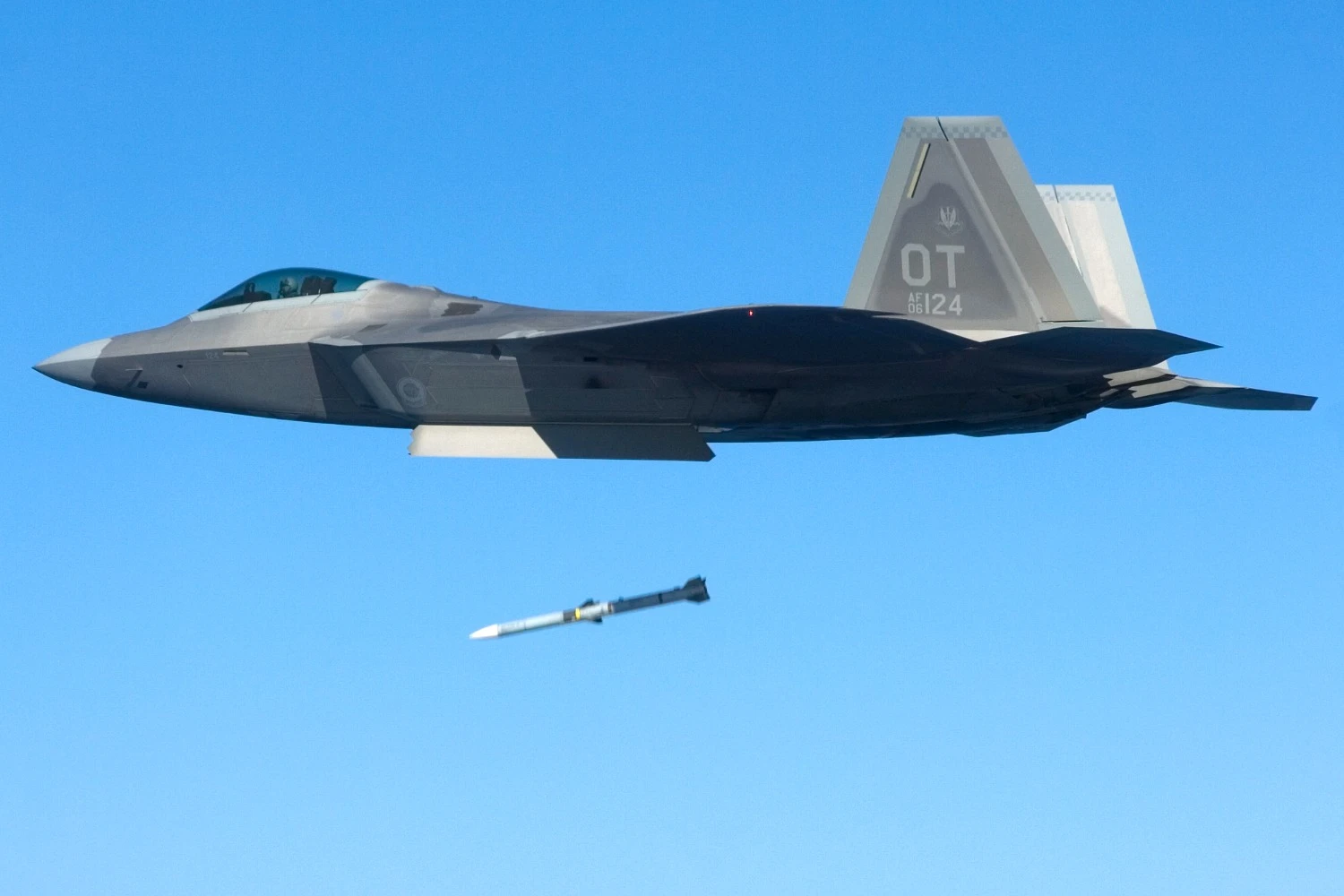
Japan is set to become the first country outside the United States to conduct final assembly of AIM-120 AMRAAM missiles under a new agreement between Washington and Tokyo.
Japanese Defense Minister Shinjiro Koizumi announced the agreement on October 28 after meeting with US Defense Secretary Pete Hegseth in the Philippines. The plan calls for a final assembly and inspection facility in Japan, although its location, opening date and production capacity have not been disclosed.
Follow Air Data News: WhatsApp | Instagram | LinkedIn | Twitter | Facebook
The agreement follows more than two years of discussions over Japanese participation in AMRAAM production. Mitsubishi Electric and Raytheon participated in a feasibility study, and the two countries agreed in April to include circuit card assemblies in the scope of co-production while they continued talks over final assembly.
Mitsubishi Electric said at the time that the AMRAAM was manufactured in the United States. Despite a large international supply chain and previous proposals for overseas co-production, no earlier final assembly line for the AIM-120 outside the country has been identified.
Widely used missile
The AIM-120 entered service in 1991 and replaced the AIM-7 Sparrow as the main medium-range air-to-air missile for US fighters. Unlike the Sparrow, which required the launching aircraft to continue illuminating its target with radar, the AMRAAM has its own active radar seeker for the final stage of an engagement.
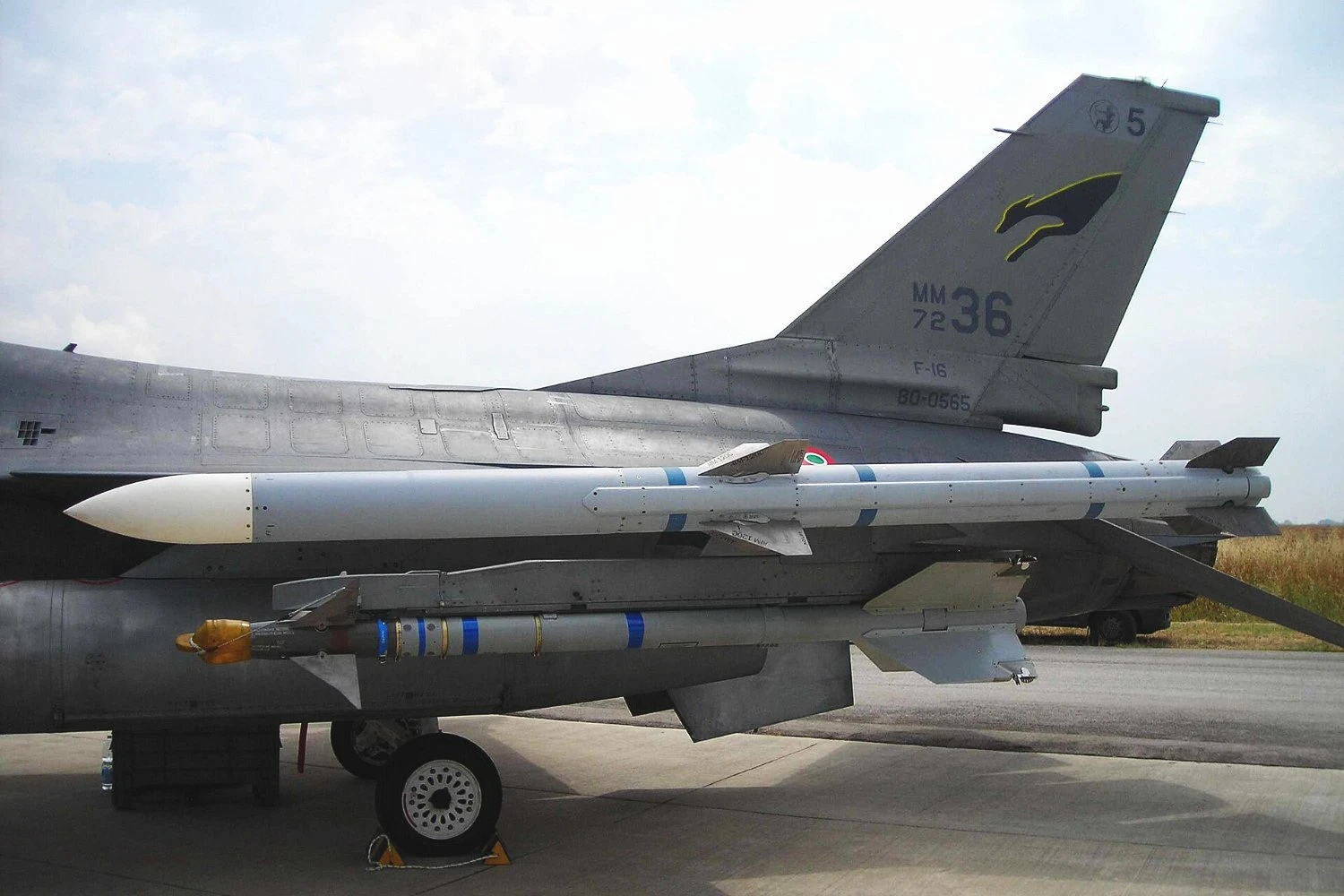
For longer-range shots, the missile initially uses inertial navigation and can receive updated target information before activating its own radar. This allows fighters to engage aircraft beyond visual range without having to maintain radar illumination until impact. Modern versions can hit targets at around 100 miles (160 km), although actual reach varies with launch conditions and the target.
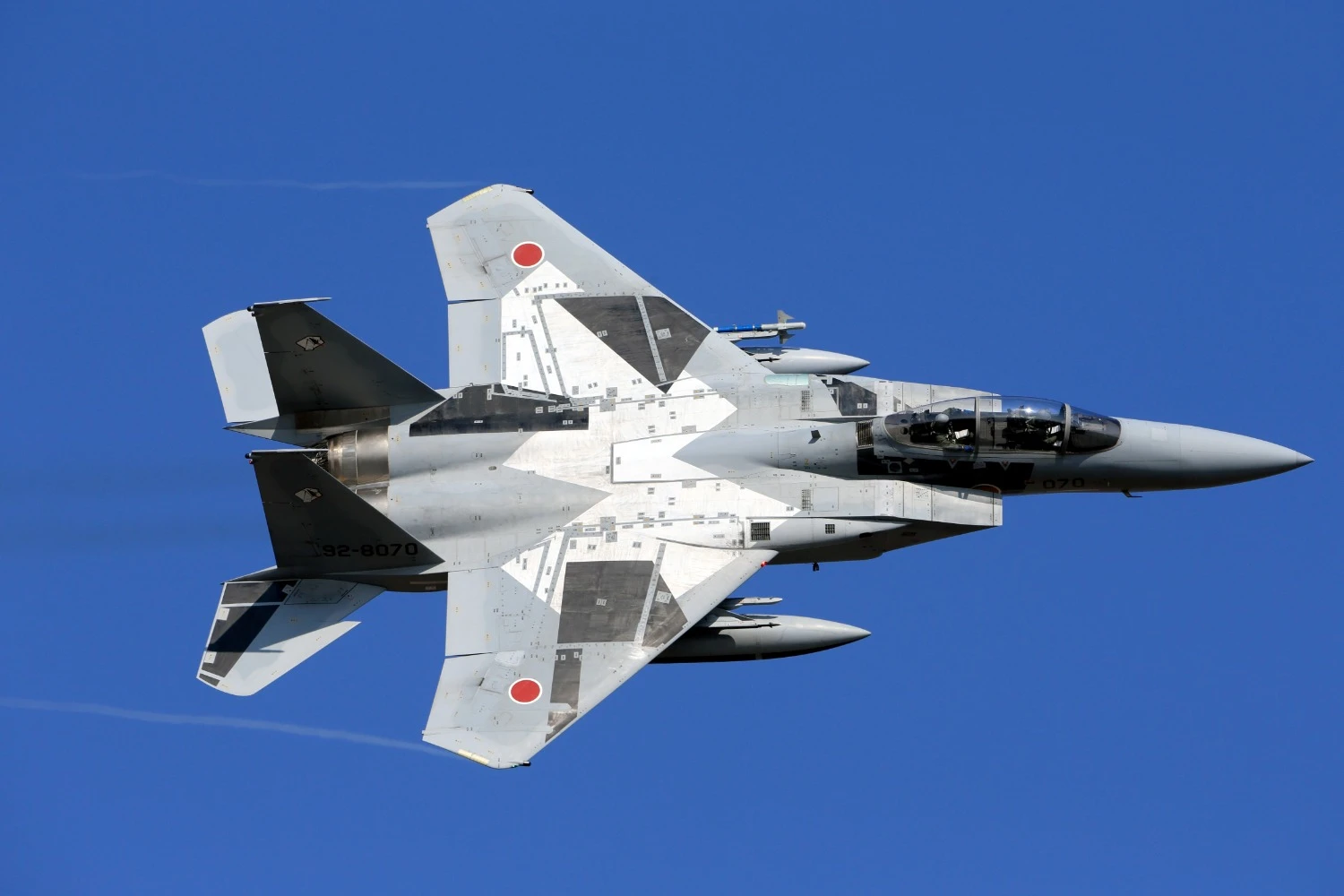
The weapon is far from limited to US forces. Manufacturer RTX says the AMRAAM is fielded by 44 countries and has been integrated with 14 platforms. It can arm aircraft including the F-15, F-16, F/A-18, F-22, F-35, Eurofighter Typhoon and Saab Gripen.
AMRAAMs are also used as surface-to-air interceptors by NASAMS air-defense systems, including those supplied to Ukraine.
A successor is already under development. Lockheed Martin's AIM-260 Joint Advanced Tactical Missile is intended to eventually replace the AMRAAM in US service, with greater range while remaining small enough for internal carriage by fifth-generation fighters. The AIM-120 is nevertheless expected to remain in production and serve alongside the new missile for years.
Production expansion
The Japanese facility comes as Raytheon sharply increases AMRAAM output to meet US and international demand. The company received a multiyear contract worth up to $20.7 billion in September and plans to raise annual production to at least 1,900 missiles.
Japan's participation had been under study since 2024. Mitsubishi Electric has discussed production of electronic circuit boards as well as final assembly, but Tokyo has not yet identified the company that will operate the new facility.
Previous attempts to establish AMRAAM production abroad did not reach this stage. European countries considered co-production and assembly of the missile as far back as the 1980s, while Raytheon is currently studying the addition of European suppliers for AMRAAM components.
The Japanese agreement covers final assembly and inspection rather than complete domestic manufacture. Other components will continue to come from the missile's supply chain, with the exact division of production between Japan and the United States still to be disclosed.
