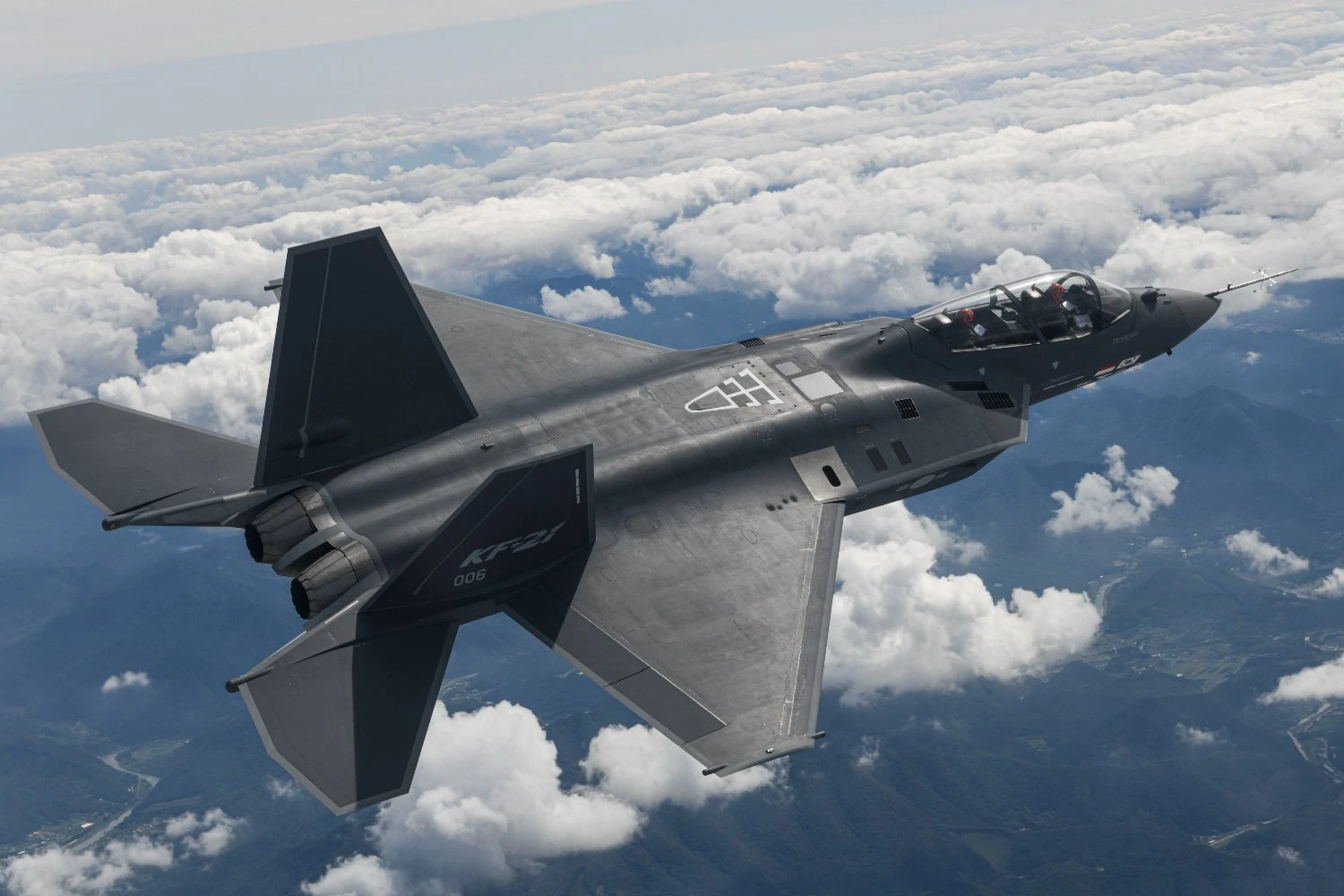
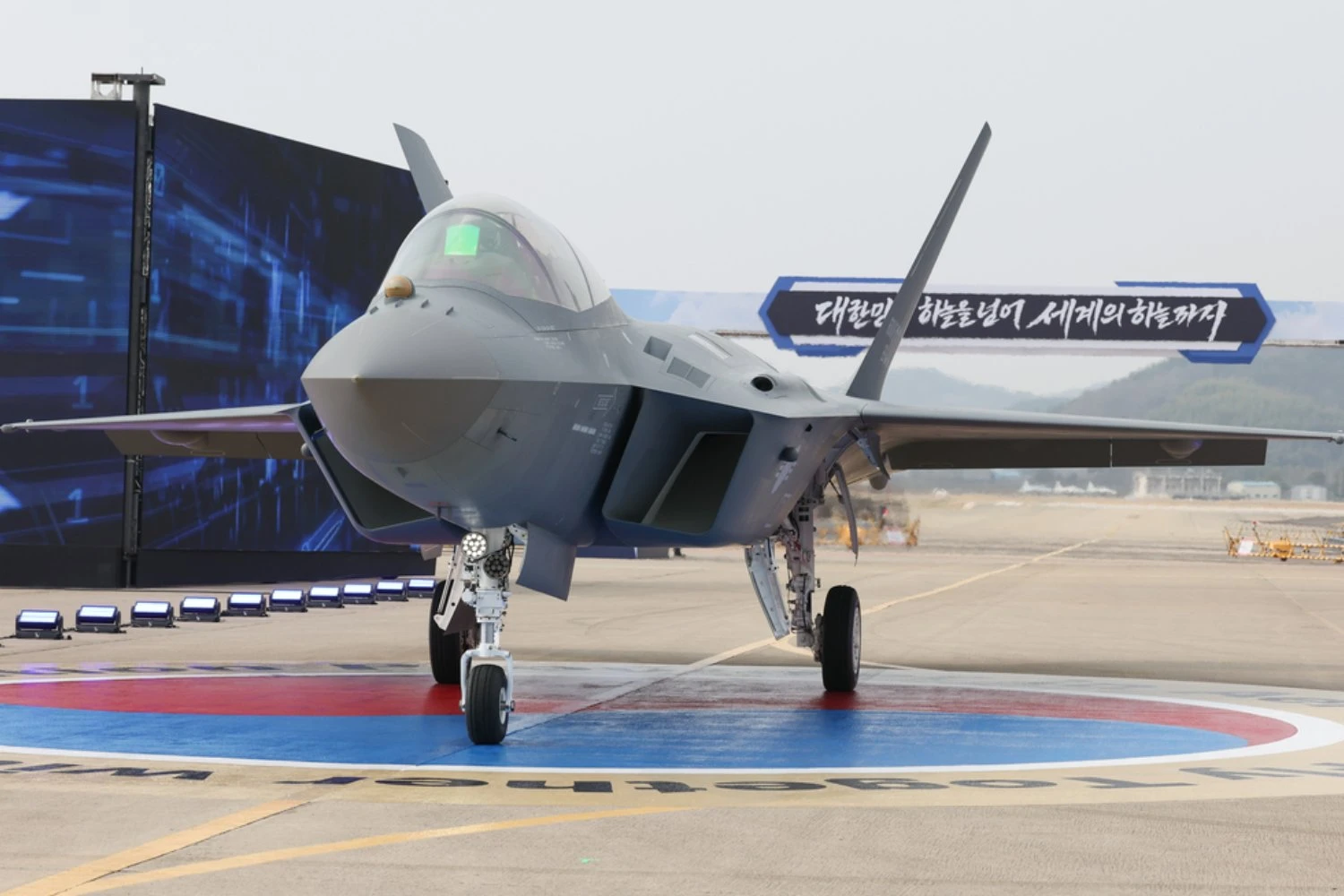
South Korea has agreed to transfer one of the six KF-21 Boramae prototypes to Indonesia, advancing the long-delayed joint fighter program between the two countries as the aircraft nears the end of its development phase.
The handover will involve the fifth prototype, a single-seat jet already used in flight tests, including aerial refueling trials and validation of key avionics such as the active electronically scanned array (AESA) radar. The package is valued at about 600 billion won ($398 million), matching Indonesia’s revised financial commitment to the program.
Jakarta has so far paid 536 billion won and is expected to settle the remaining 64 billion won by June, when the KF-21 development phase is scheduled to conclude after more than a decade. The agreement also includes technology transfer, support for local research personnel and access to development data.
Related news
March 28, 2026
March 26, 2026
Indonesia originally committed to cover about 20% of the program’s development cost, estimated at roughly 1.6 trillion won, but payment delays led to a renegotiation. The final deal reduced its contribution to 600 billion won and scaled back the scope of technology transfer.
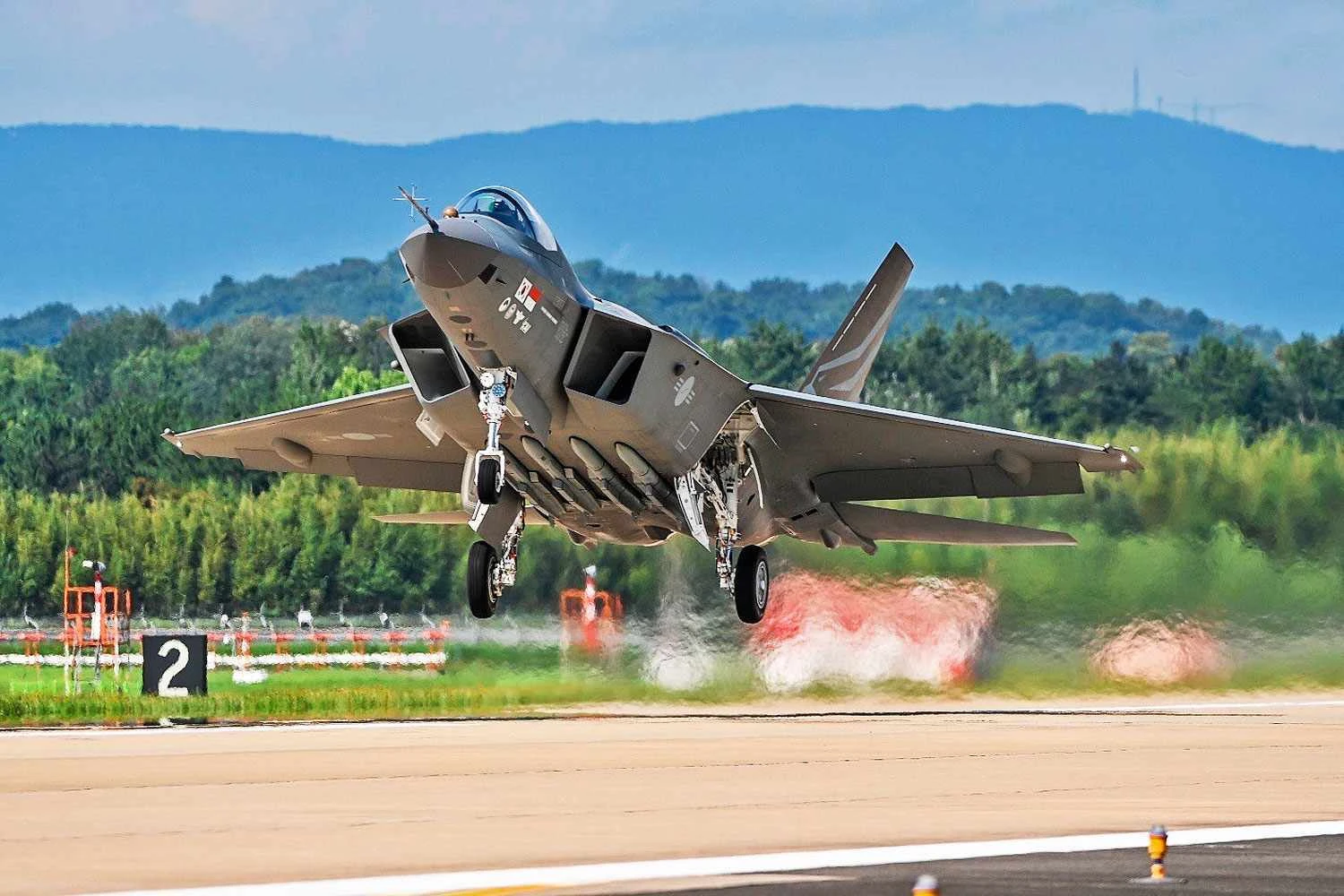
KF-21 Boramae fighter (DAPA) 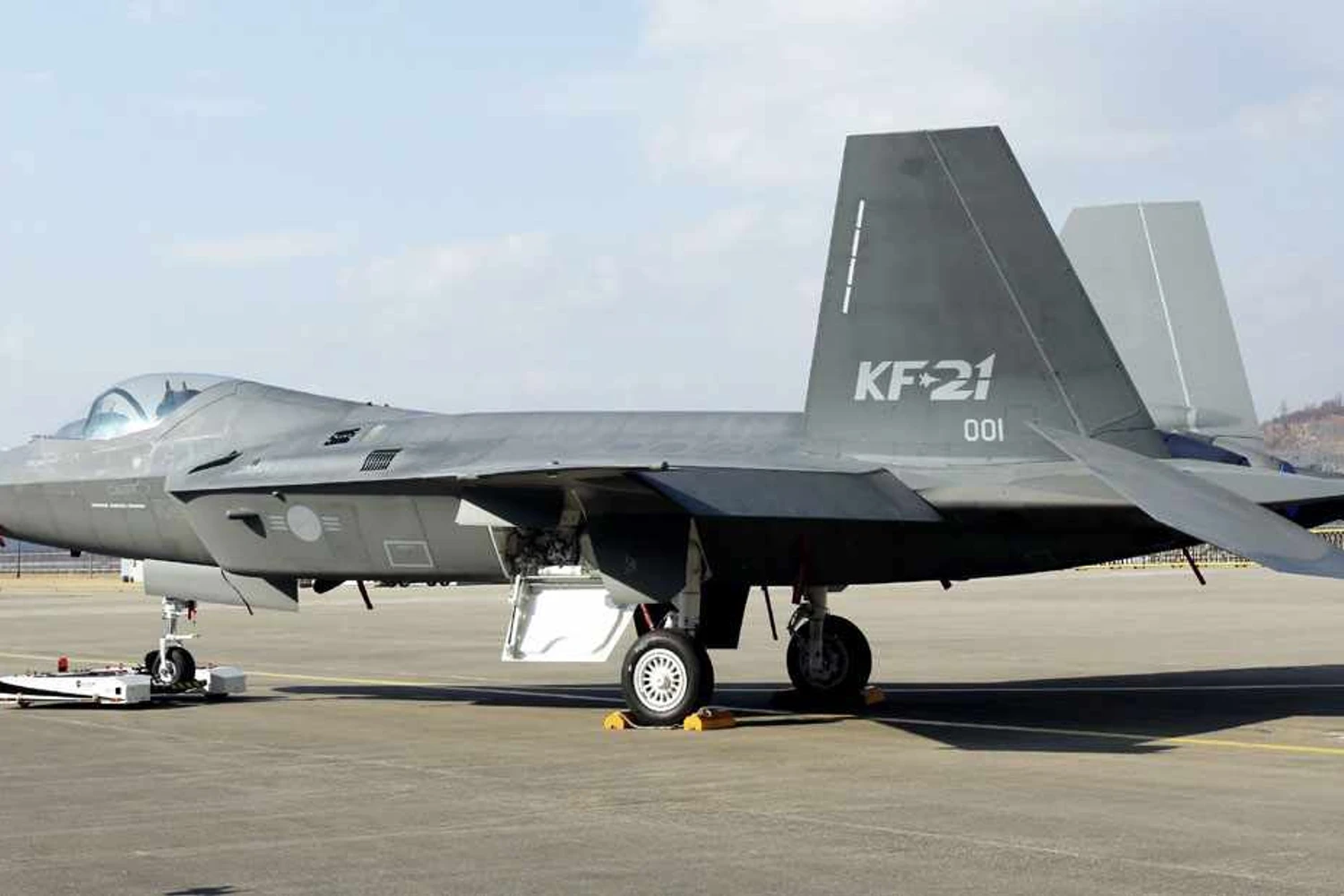
KAI KF-21 Boramae (KAI) 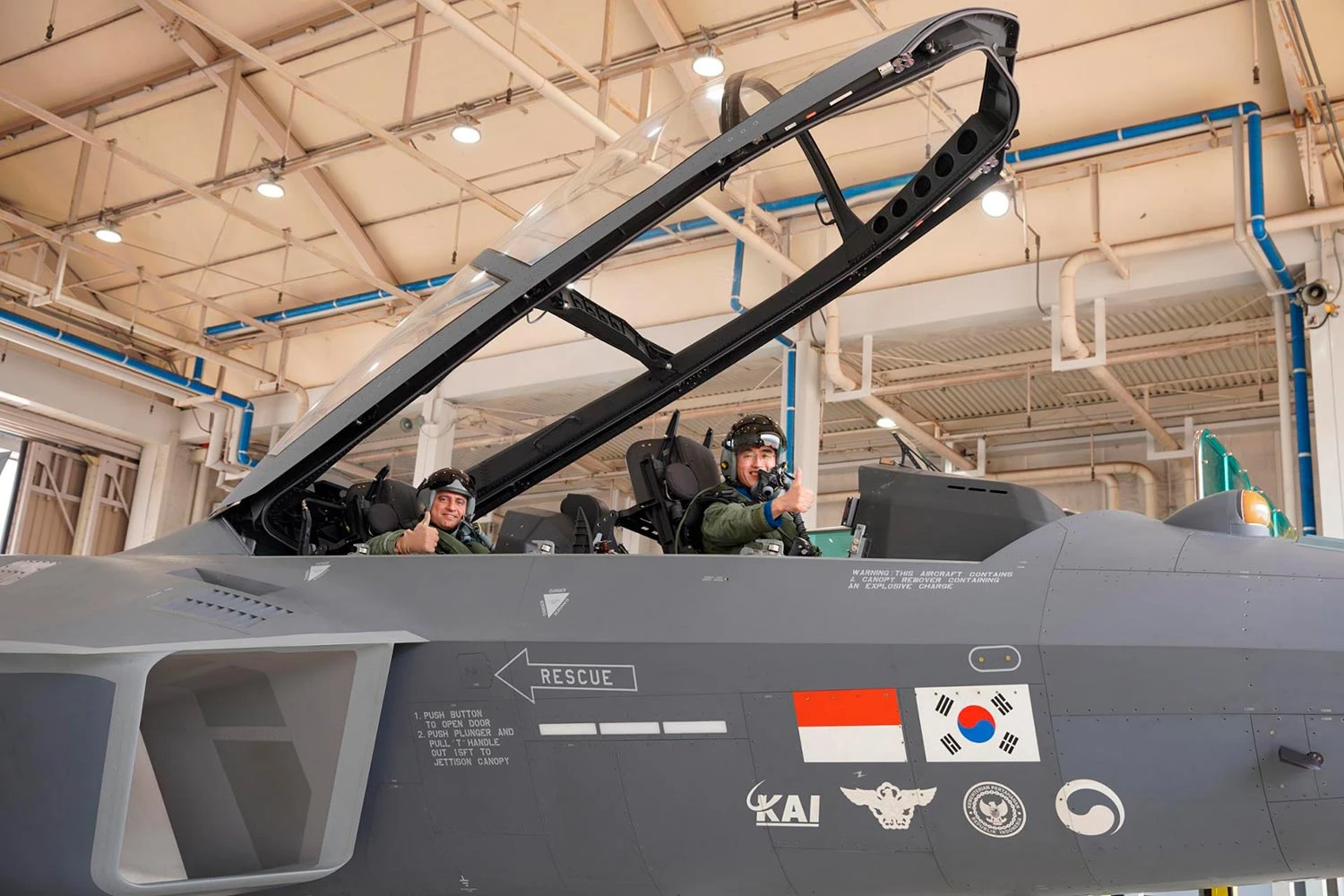
Major General Rashed Mohammed A. Al Shamsi aboard the KF-21 (ROKAF)



The KF-21, developed by Korea Aerospace Industries, is South Korea’s first indigenous advanced fighter program and is intended to replace aging fleets such as the F-4 and F-5 while expand the country’s defense export portfolio. Talks are also underway on a potential order of 16 production aircraft by Indonesia, which could become the jet’s first export customer.
The potential acquisition comes as Indonesia keeps multiple fighter procurement paths open. The government has signaled interest in expanding its order of Dassault Rafale jets and last year announced an agreement involving Turkey’s KAAN fighter program. Jakarta has also evaluated China’s J-10CE as part of its effort to modernize its air combat fleet.
Recent news
April 07, 2026
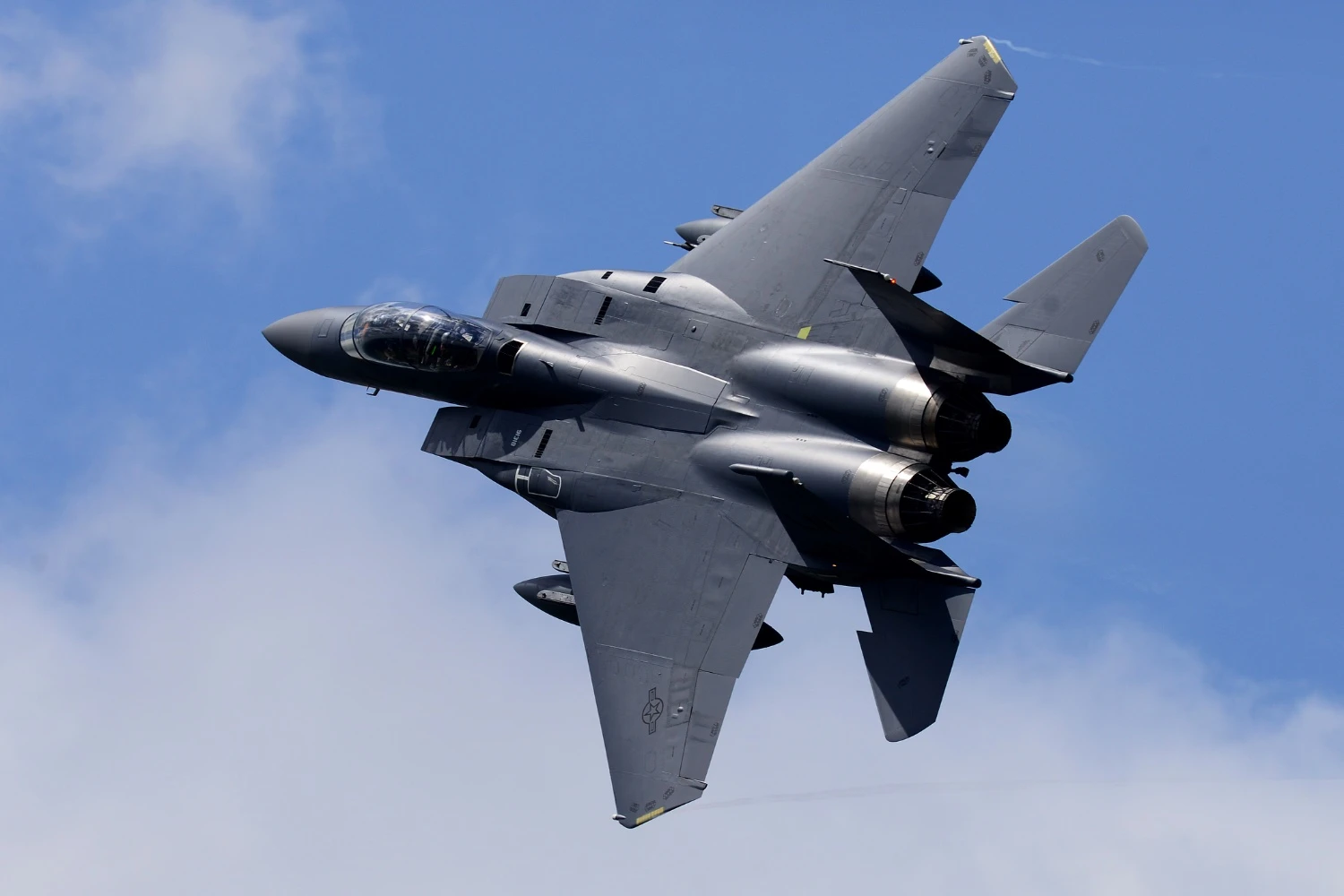
At the same time, Boeing recently confirmed that discussions over a possible F-15EX deal are no longer active, despite a memorandum of understanding signed in 2023, which narrows the US manufacturer’s prospects in the Indonesian market.