 Industry
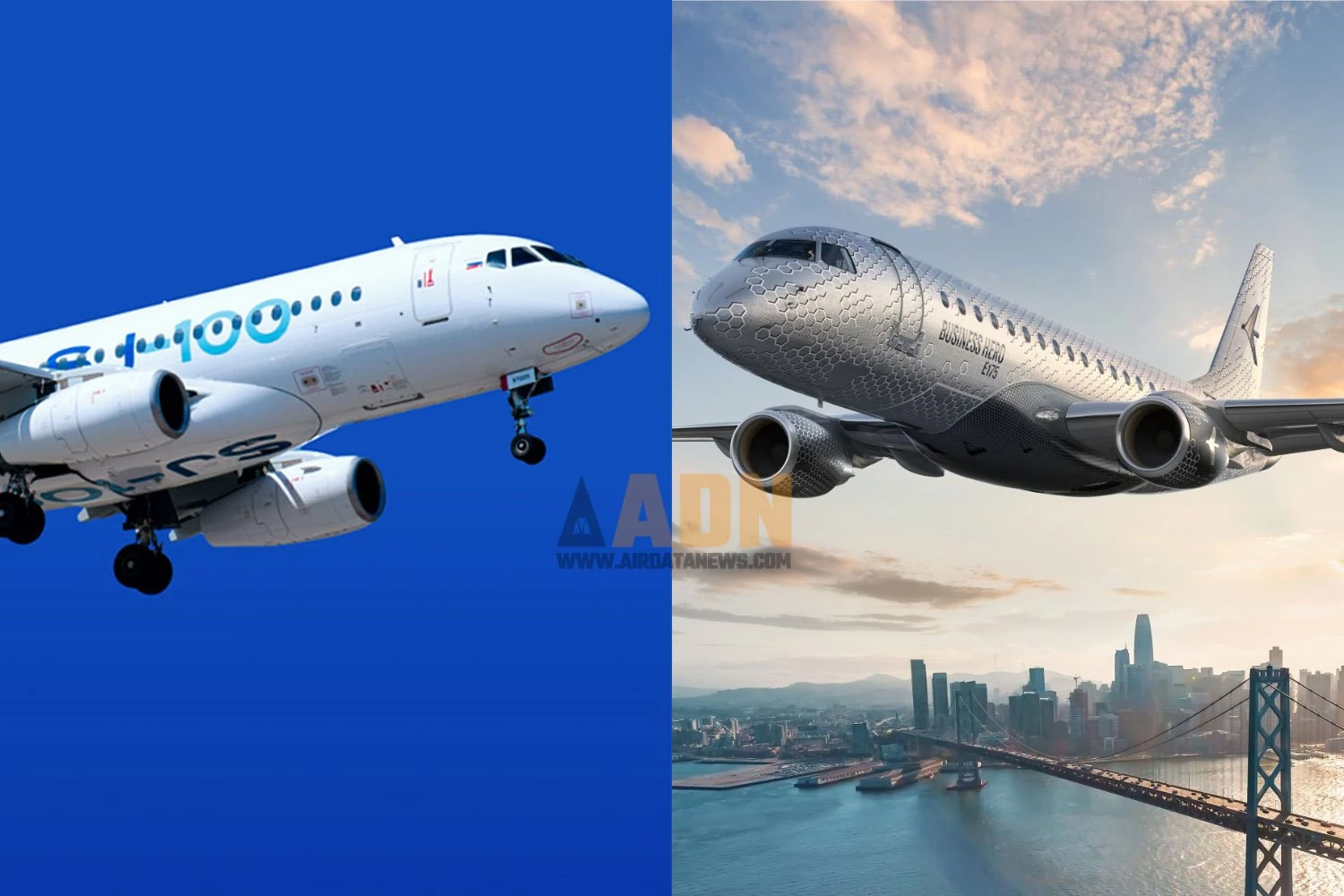
India’s effort to expand domestic aerospace manufacturing has brought two regional jets into focus: the Embraer E175 and the Yakovlev SJ-100. Both aircraft have been linked to production plans in the country as part of New Delhi’s strategy to strengthen its industrial base and meet potential demand for 80–100 seat commercial aircraft.
Although they compete in a similar market segment, the two jets differ significantly in operational history, technical characteristics and industrial structure.
The Embraer E175 entered service in 2005 and has built a large installed base, particularly in the United States, where it dominates the 76-seat regional market due to scope clause limits that restrict aircraft size and weight at major carriers’ regional affiliates. The aircraft benefits from an established production system and a global maintenance and parts network.
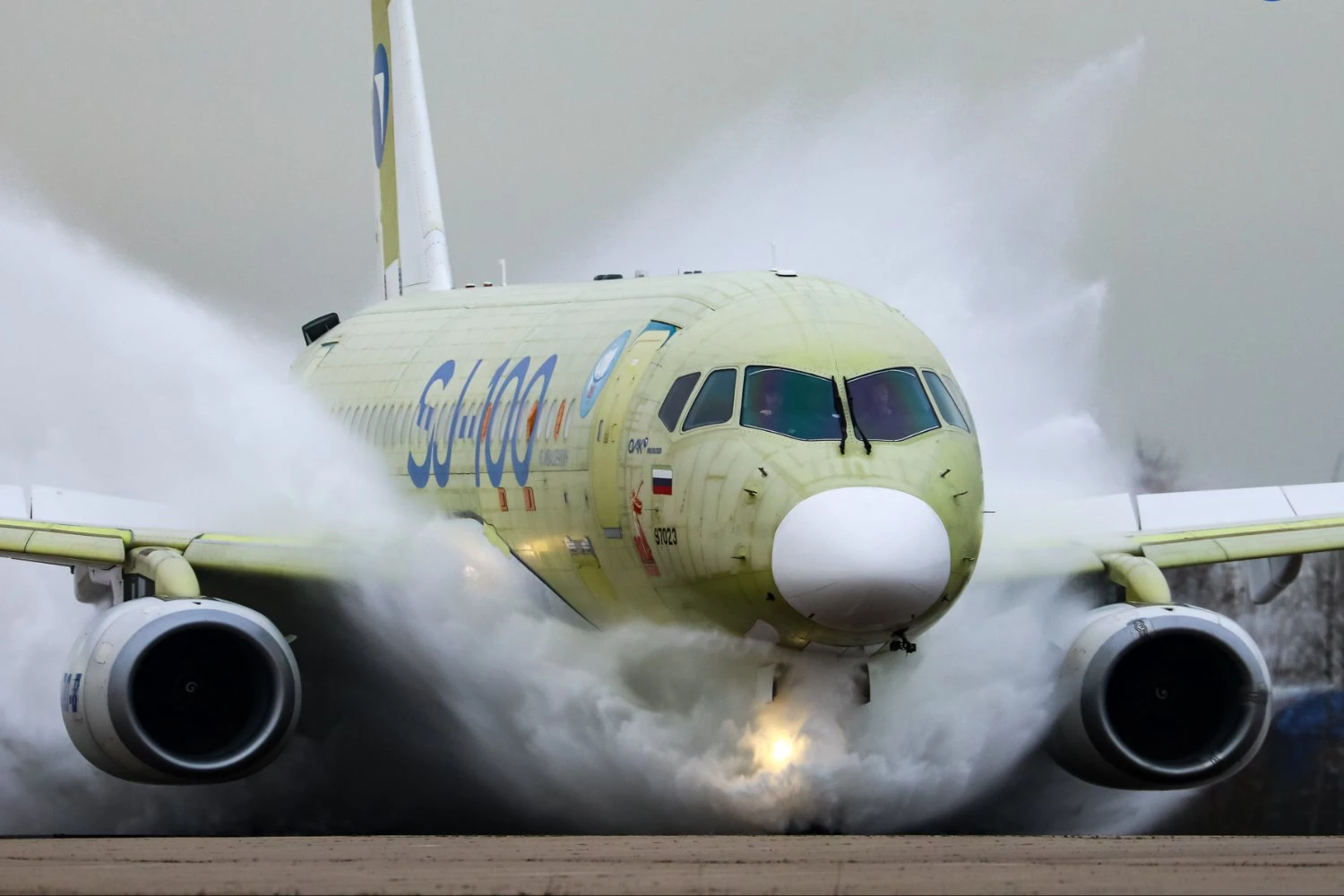
The Yakovlev SJ-100 is an updated version of the Superjet 100, redesigned to replace Western components with domestically produced systems following international sanctions. Its new PD-8 engines and other locally sourced systems are still moving toward full-scale serial production. As a result, the aircraft does not yet have the same depth of global support infrastructure as the E175.
Capacity and cabin
The SJ-100 carries more passengers. Typical seating ranges from 87 to 103 passengers, with layouts accommodating up to 108. The E175 seats 76 passengers in a standard two-class configuration and up to 88 in a high-density layout.
The Russian jet also features a wider cabin cross-section, which can translate into wider seats or aisles depending on configuration.
Weights, range and performance
The SJ-100 has a higher maximum takeoff weight at 49,450 kg, compared with 40,370 kg for the E175. It also offers greater fuel capacity and payload.
The E175, however, provides longer range in typical passenger configuration, at approximately 4,074 km, versus around 3,530 km for the SJ-100 with 98 passengers.
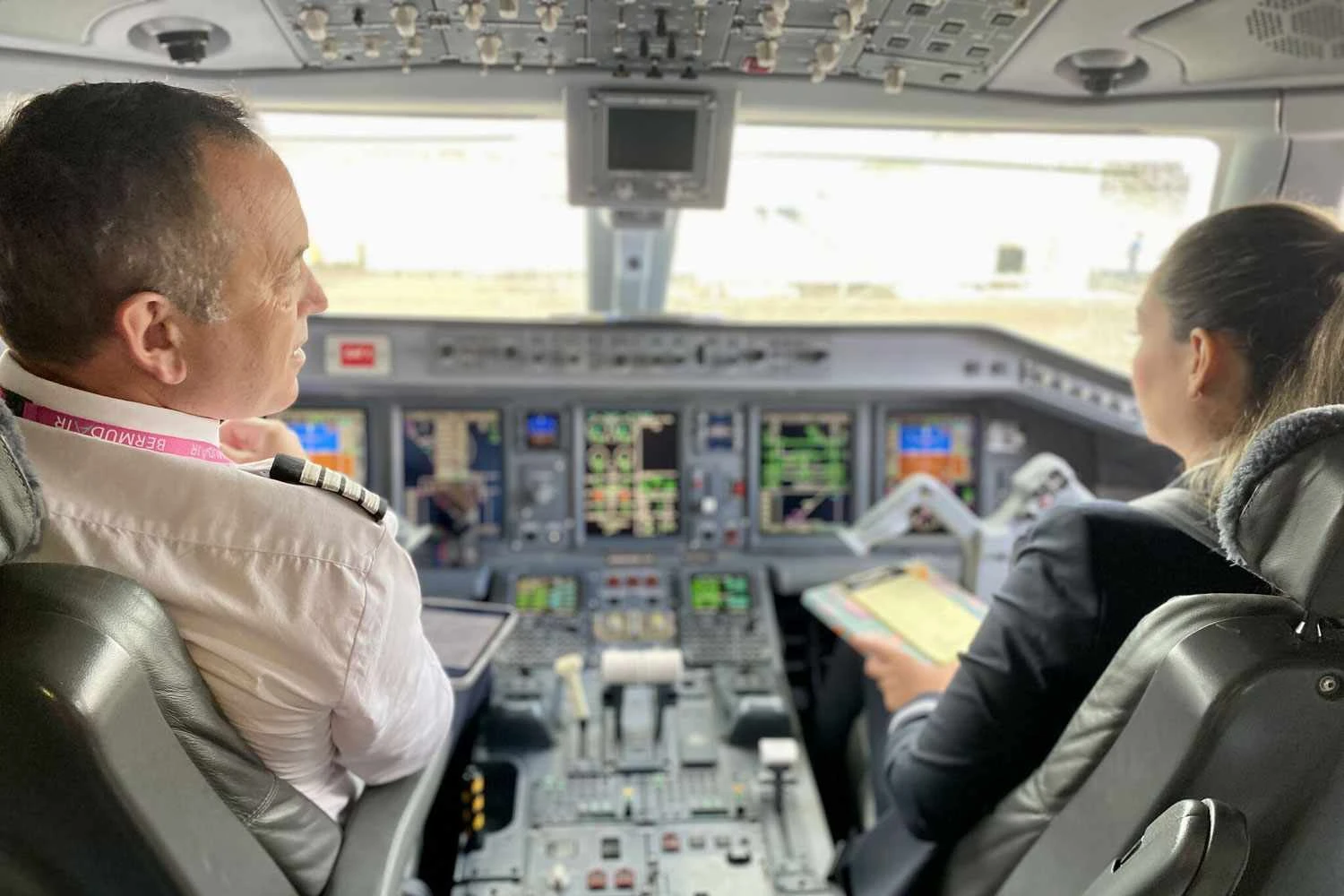
Runway performance is another point of comparison. The SJ-100 requires roughly 1,900 meters for takeoff at maximum weight, compared with 2,244 meters for the E175. The Superjet family was designed with hot-weather and higher-altitude operations in mind, conditions relevant to parts of India.
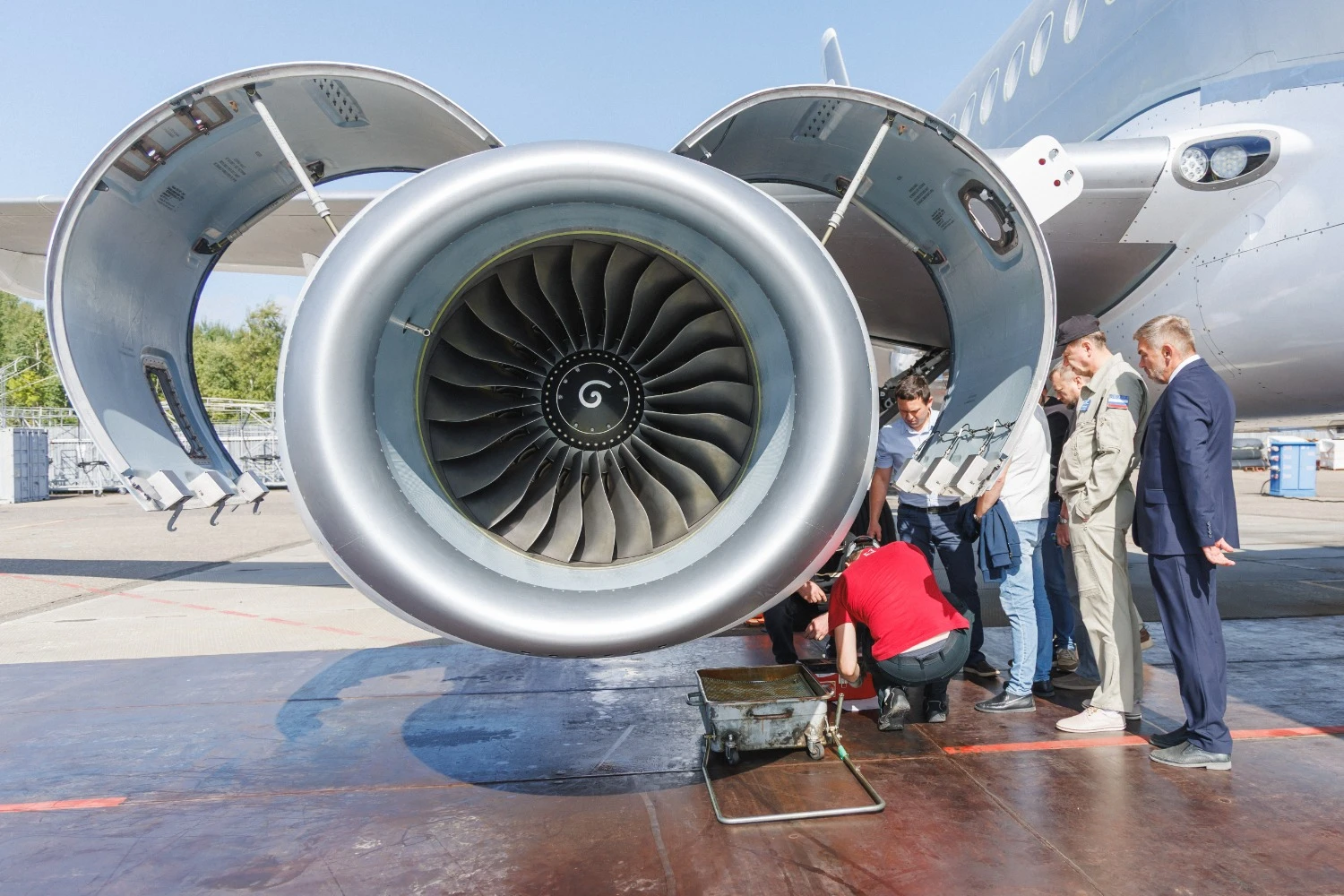
The E175 is powered by two General Electric CF34-8E engines rated at about 64 kN each, while the SJ-100 uses two Aviadvigatel PD-8 engines rated at 78 kN each. The CF34 engine family has decades of operational data and global support coverage. The PD-8 is newer and central to Russia’s import-substitution strategy.
Industrial partnerships in India
Industrial structure may weigh as heavily as performance metrics.
United Aircraft Corporation (UAC), which controls Yakovlev, has signed an industrial cooperation agreement with Hindustan Aeronautics Limited (HAL), India’s state-owned aerospace manufacturer. HAL produces a range of military and civil aircraft, though largely for domestic use.
Embraer, by contrast, is preparing a joint venture with Adani Aerospace. The Adani Group is one of India’s largest conglomerates with interests spanning defense, infrastructure and logistics, but it does not have prior experience in manufacturing commercial aircraft.
For India, the decision involves balancing aircraft capability, industrial risk and long-term support considerations alongside the goal of building a domestic aerospace ecosystem.