The U.S. Air Force's Collaborative Combat Aircraft (CCA) program has moved from concept to production in little more than two years, showing how rapidly the service has adapted its fighter modernization strategy to lessons emerging from recent conflicts.
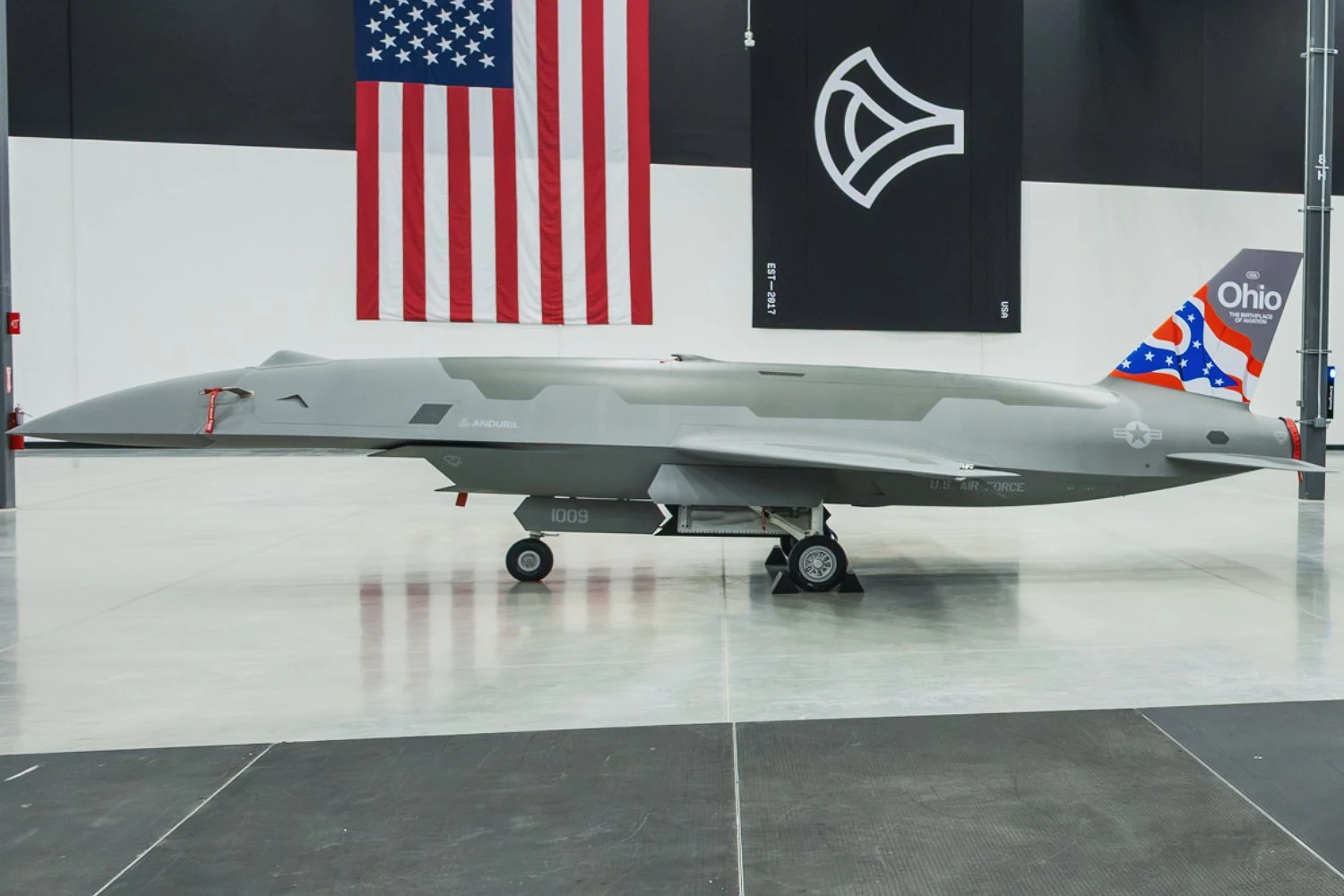
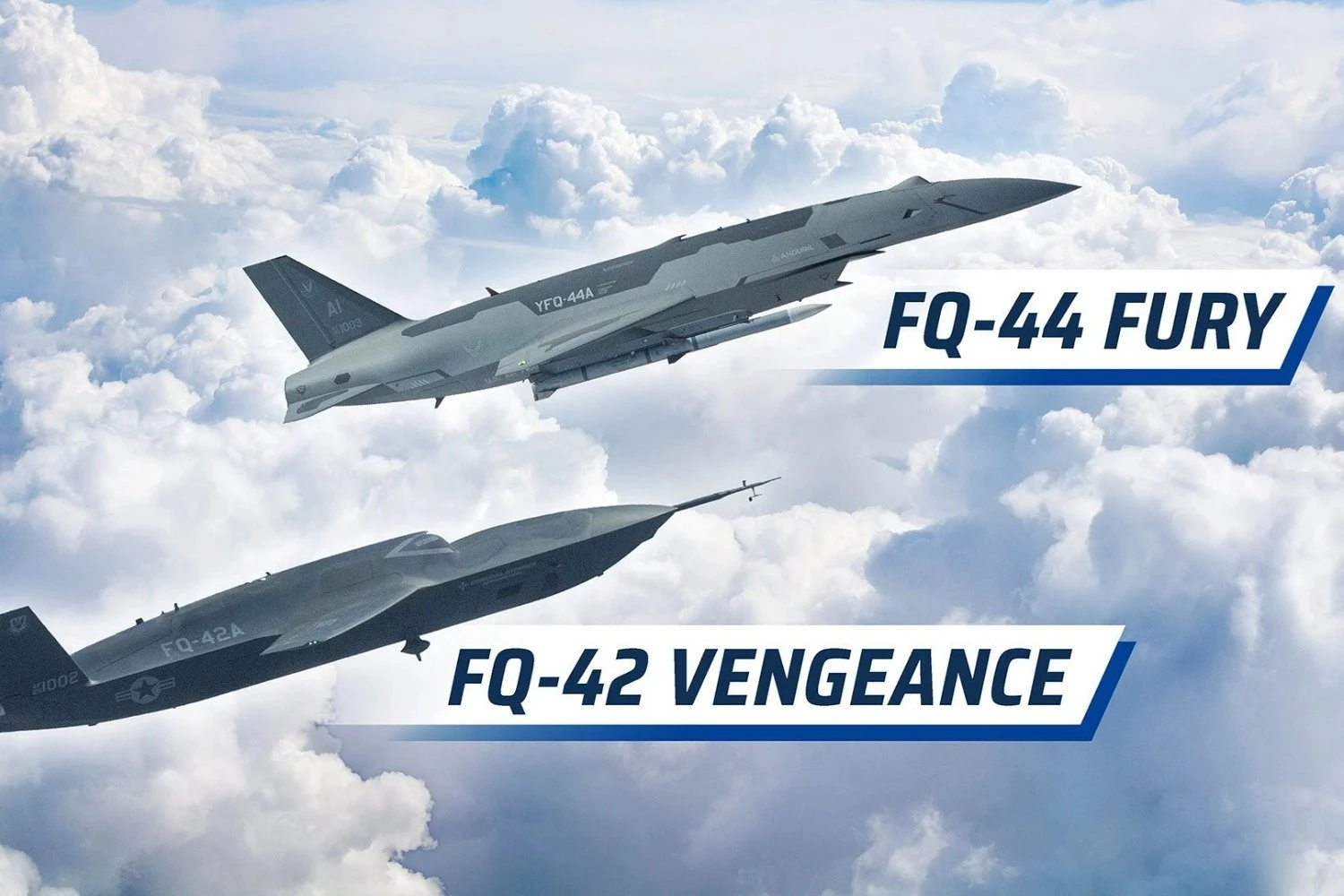
Within days of each other, Anduril revealed the first production-standard YFQ-44A Fury built at its new Arsenal-1 facility in Ohio, while General Atomics announced that manufacturing of its FQ-42A Dark Merlin is also underway.
Related news
September 21, 2026
September 16, 2026
Although the two announcements contained few technical details, together they illustrate the pace at which the Air Force is pushing its first generation of semi-autonomous combat aircraft toward operational service.
The urgency contrasts with the traditional timeline of U.S. tactical aircraft programs, which often spend years between prototype flights and production approval. The CCA effort has compressed that process into a much shorter period.
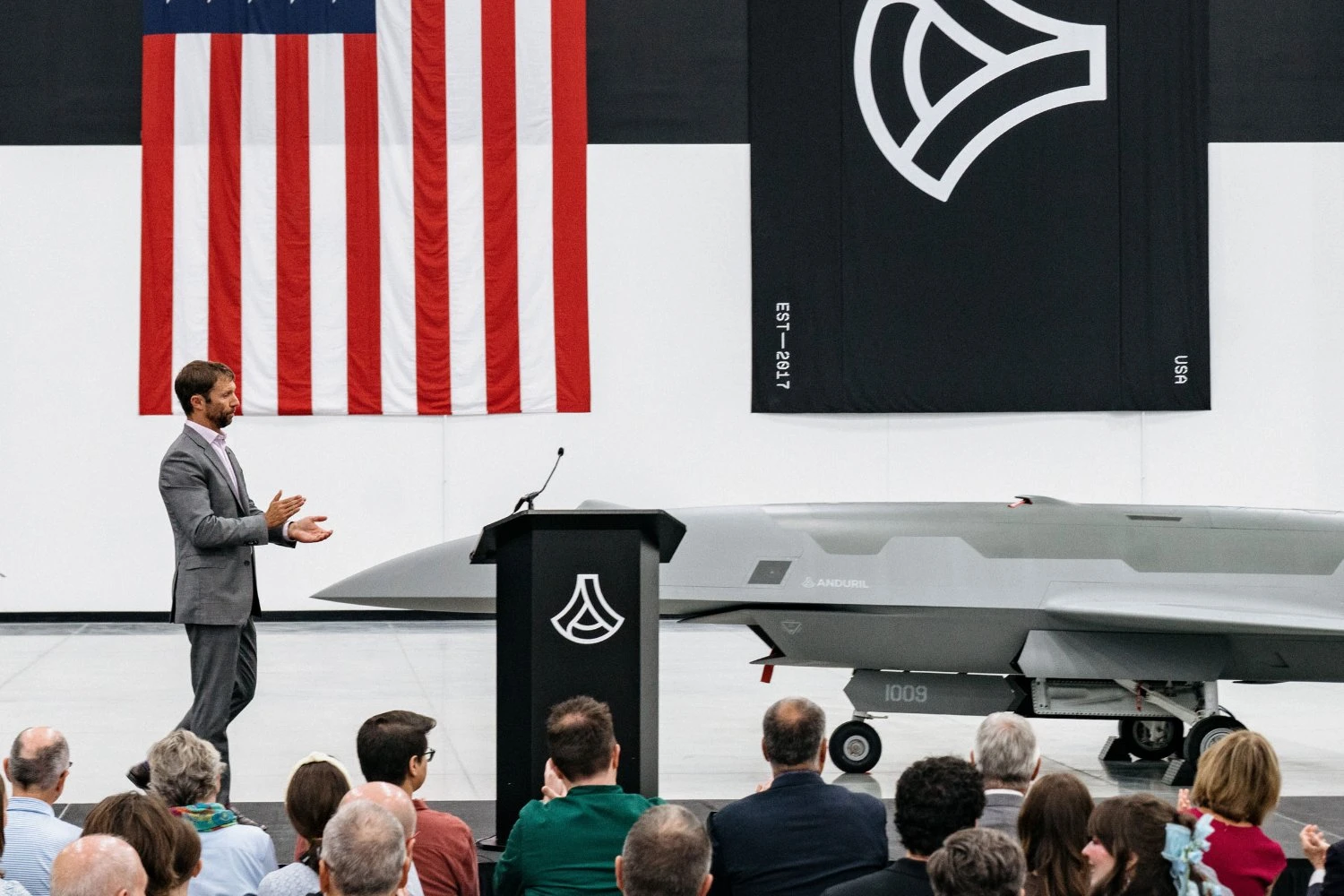
The first serial production YFQ-44A | Anduril 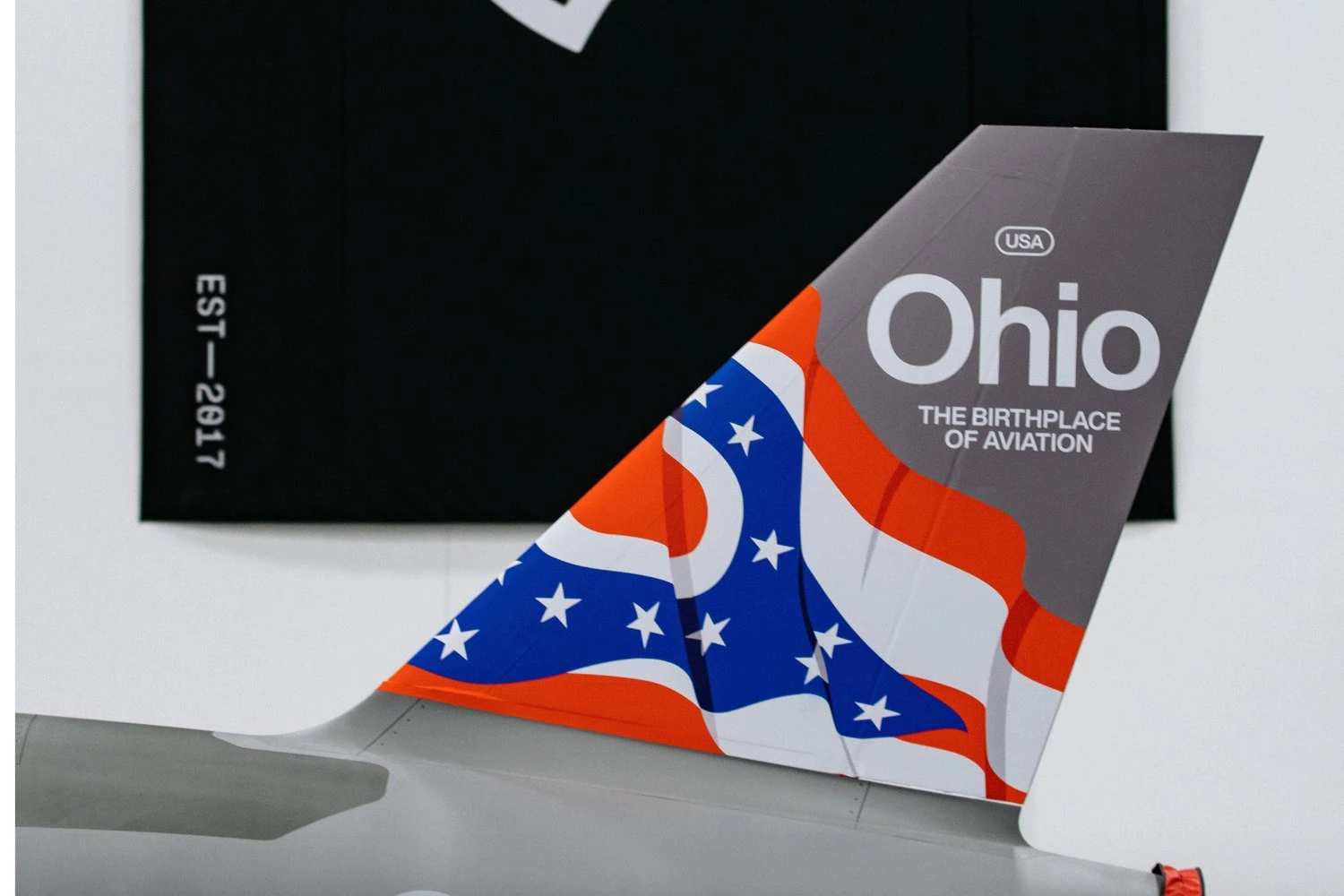
The first serial production YFQ-44A | Anduril


The shift comes after a changing view of future air combat. Since Russia's invasion of Ukraine in 2022, inexpensive drones have transformed the battlefield, demonstrating that mass, attrition and autonomous systems can complement — and sometimes challenge — traditional high-end combat aircraft.
The Air Force does not envision CCAs replacing crewed fighters. Instead, they are expected to operate alongside aircraft such as the F-35, F-47 and, eventually, the B-21, carrying sensors, electronic warfare payloads or weapons while assuming higher-risk missions.
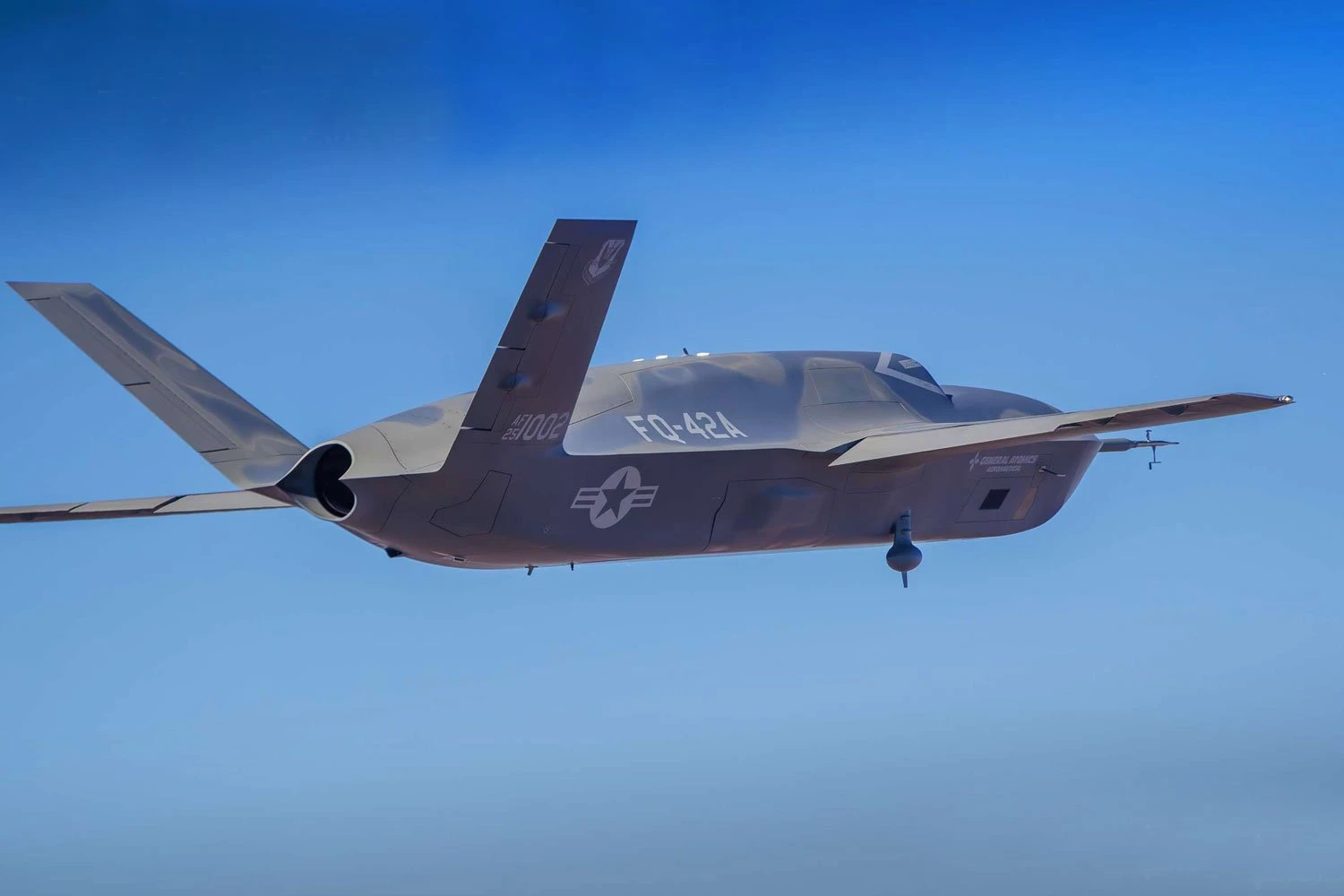
The first increment of the program selected two competing designs in 2024: Anduril's Fury, designated YFQ-44A, and General Atomics' Dark Merlin, designated FQ-42A. Since then, both companies have progressed through flight testing, although General Atomics temporarily suspended its campaign earlier this year after losing a prototype in an accident attributed to flight-control software. Testing resumed after corrective changes were validated with the Air Force.
Follow Air Data News: WhatsApp | Instagram | LinkedIn | Twitter | Facebook
Anduril has moved particularly quickly. Construction of its Arsenal-1 factory began only in early 2025, yet the site has already produced its first operational-standard aircraft. The company has previously indicated the facility could eventually manufacture up to 150 CCAs annually.
Whether those production rates are ultimately achieved remains to be seen. Even so, the appearance of production aircraft from both competitors suggests the Air Force is treating collaborative combat aircraft less as an experimental technology and more as a capability it wants to field before the end of the decade.