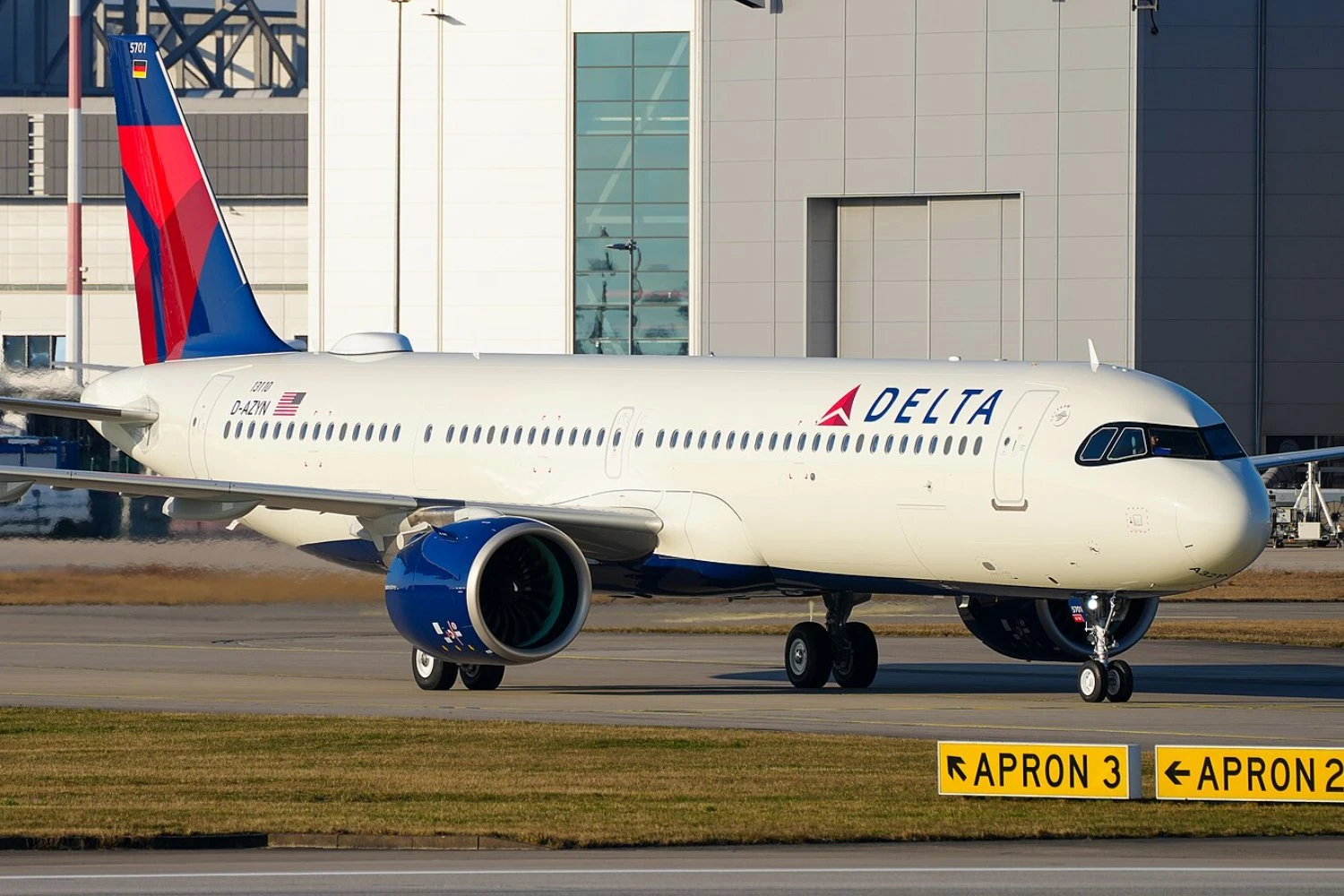
Airbus will convert its former A380 wing production facility in Broughton, Wales, into a new A321 wing line, giving another part of the infrastructure created for the superjumbo a new role.
The manufacturer will invest £150 million, equivalent to about US$200 million at current exchange rates, in the conversion. The project is scheduled for completion by the end of 2026, and production of the first wing has already started.
The facility will have six wing production jigs, an equipping line and a paint shop dedicated to the A321. Airbus will add around 480 jobs at Broughton during 2026, including 250 associated with the converted factory. The site currently employs about 6,000 people.
5,691 A321neo still to be delivered
The additional capacity comes as the A321neo accounts for most of the demand within the A320neo family. Airbus had recorded orders for 7,917 A321neo aircraft through the end of August, but had delivered only 2,226, leaving a backlog of 5,691 jets.
Follow Air Data News: WhatsApp | Instagram | LinkedIn | Twitter | Facebook
Airbus is expanding its industrial system to support a target production rate of 75 A320 Family aircraft per month. Broughton manufactures wings for the narrowbody family before they are transported to final assembly lines in Toulouse, Hamburg, Tianjin and Mobile.
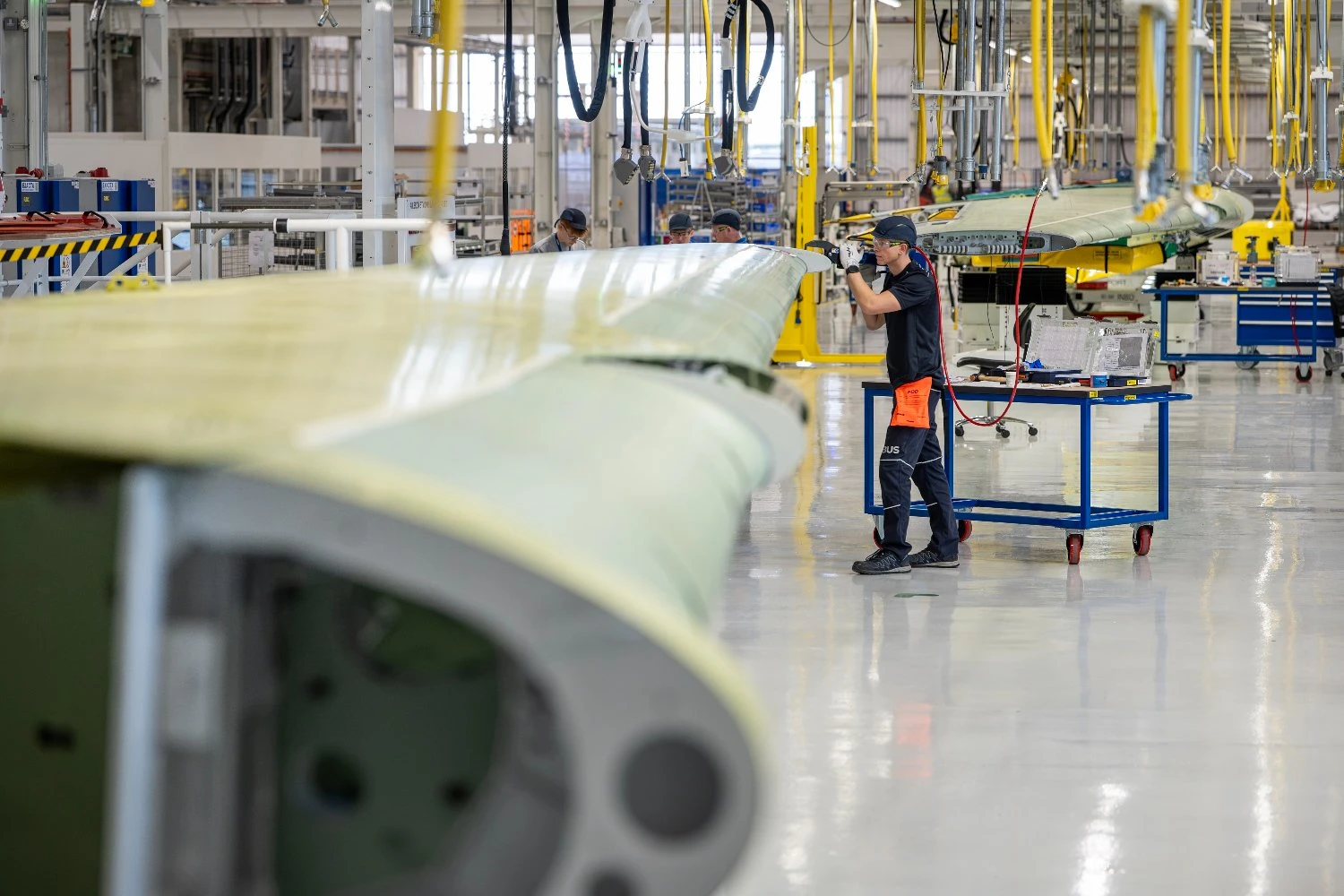
The new A321 line will occupy Broughton's West Factory, an 83,500-square-meter building opened in 2003 primarily to assemble wings for the A380. Airbus invested £350 million in the facility at the time, ahead of the superjumbo's first flight in 2005.
Recent news
September 22, 2026
September 21, 2026
September 21, 2026
A380 facilities find new roles
Broughton is not the only major Airbus facility originally created for the A380 that has been reassigned to narrowbody production. In Toulouse, the Jean-Luc Lagardère building that housed final assembly of the A380 now contains A320 Family assembly lines capable of producing the A321neo.
Production of the A380 ended in 2021 after 251 aircraft were delivered. Its exceptionally large industrial infrastructure left Airbus with buildings designed to handle aircraft components much larger than those of its narrowbody models.