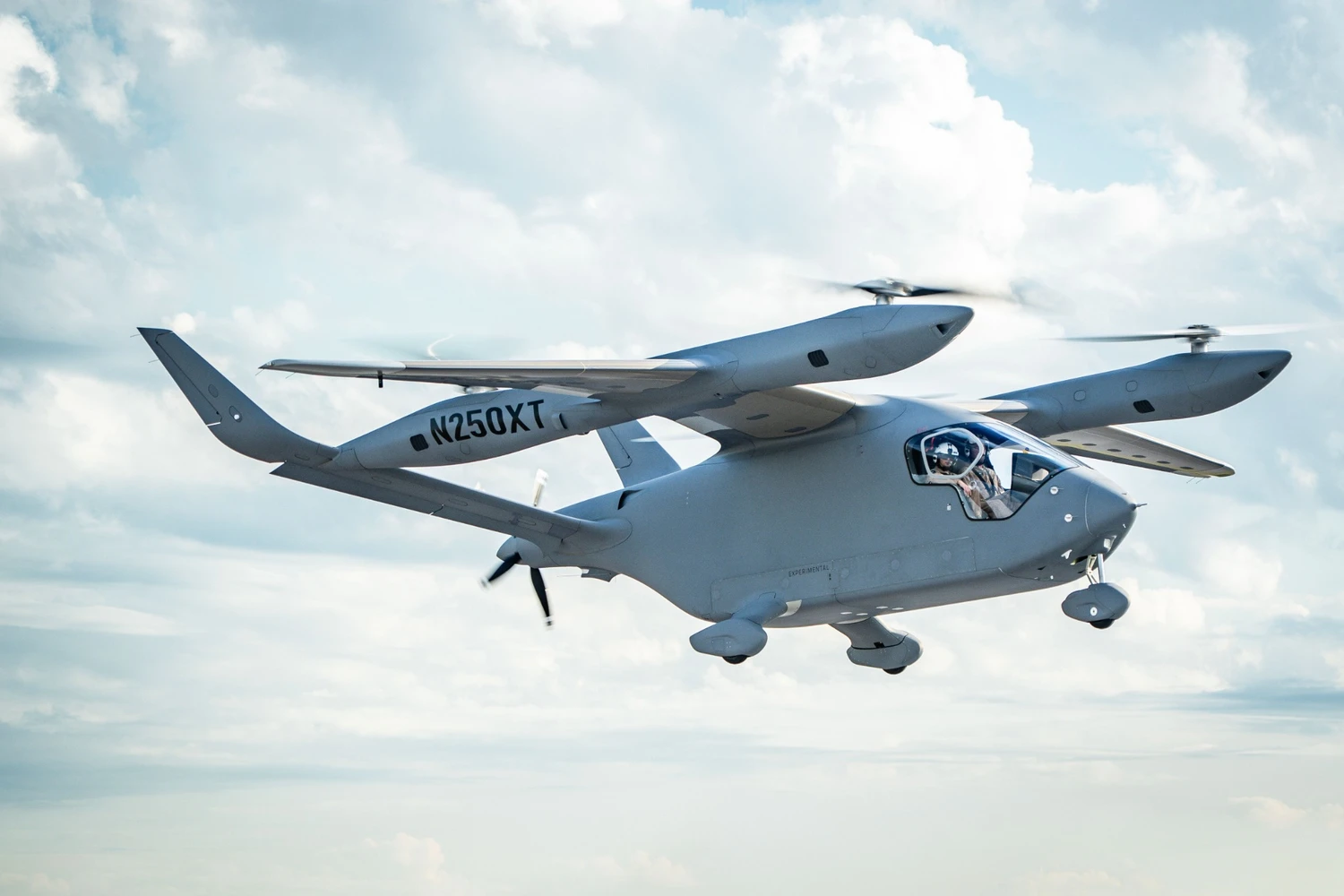
The BETA Technologies ALIA A250 has become the first electric vertical takeoff and landing aircraft to receive special authorization from the US Federal Aviation Administration (FAA) to carry prospective customers on demonstration flights before completing type certification.
Announced by the FAA on October 21, the approval allows BETA to take representatives of potential operators aboard the aircraft under specific operating conditions. It does not constitute type certification or authorize the A250 to begin commercial passenger services.
The first flight under the authorization took place on October 20, between Plattsburgh, New York, and Burlington, Vermont. The aircraft covered approximately 39 miles (63 km) in 20 minutes, performing a vertical takeoff, transition to wingborne flight and vertical landing.
The FAA issued the approval through a special airworthiness certificate for market survey operations. This regulatory provision allows manufacturers to demonstrate experimental aircraft to prospective customers before certification, subject to restrictions.
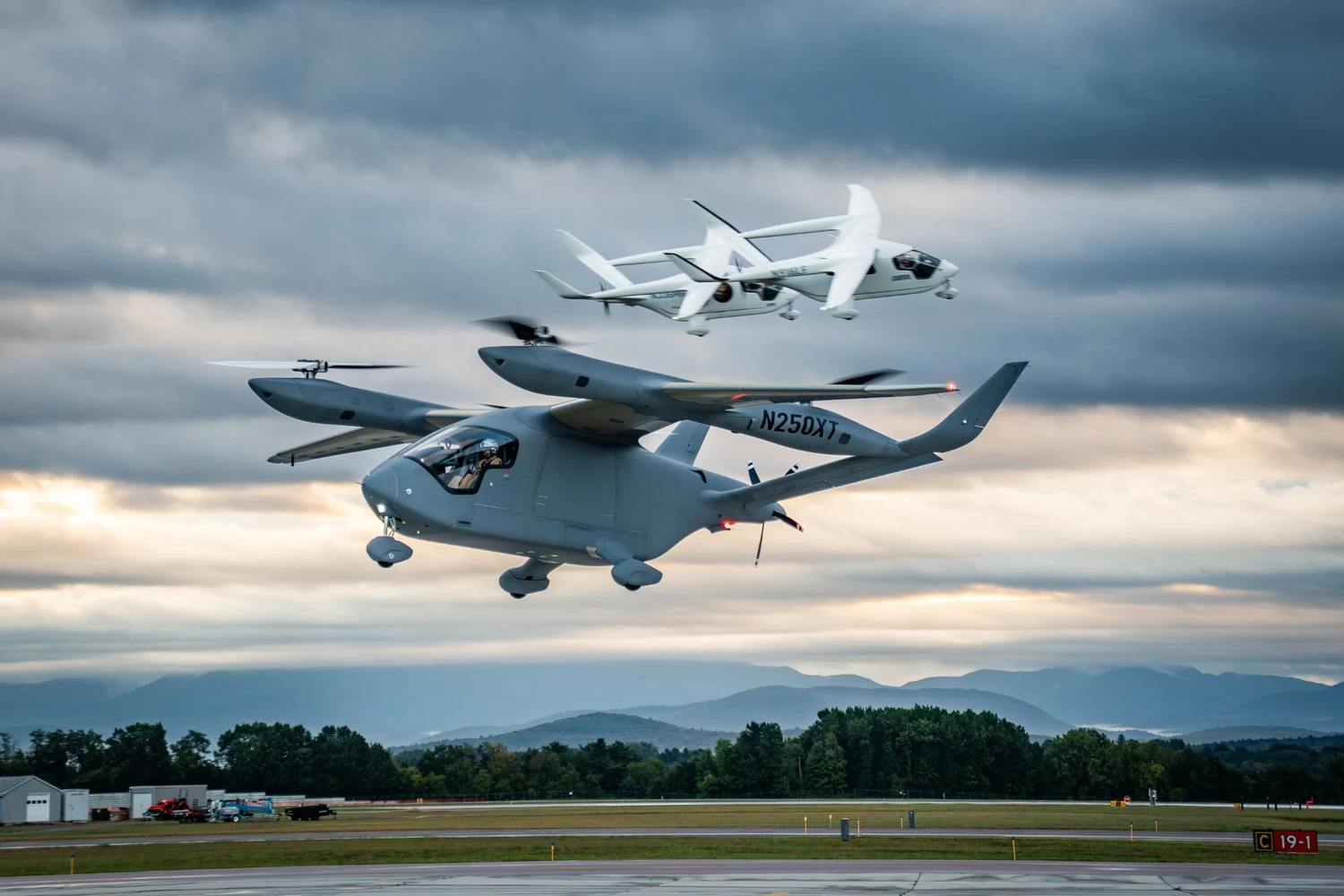
How the ALIA A250 works
Unlike eVTOL aircraft with tilting propellers or rotors, the A250 uses a fixed-wing configuration with four dedicated vertical-lift propulsion units. A separate rear-mounted propeller provides thrust during conventional forward flight.
During takeoff, the vertical-lift propellers raise the aircraft without a runway. As it accelerates, the wings progressively generate the lift needed for forward flight, allowing the vertical-lift system to be disengaged until the landing phase.
Follow Air Data News: WhatsApp | Instagram | LinkedIn | Twitter | Facebook
The aircraft has a wingspan of 50 feet (15.24 m) and is designed to accommodate five passengers and one pilot. BETA also plans a two-pilot training configuration. Its published maximum speed is approximately 176 mph (283 km/h), and the company advertises an optimized charging time of about 35 minutes.
These specifications remain subject to the aircraft's development and certification process. The FAA's demonstration authorization does not establish an approved passenger capacity or operating envelope for commercial service.
Conventional ALIA CX300 is also under development
BETA is developing a second aircraft, the ALIA CX300, which shares battery, electric propulsion and onboard technologies with the vertical-takeoff A250.
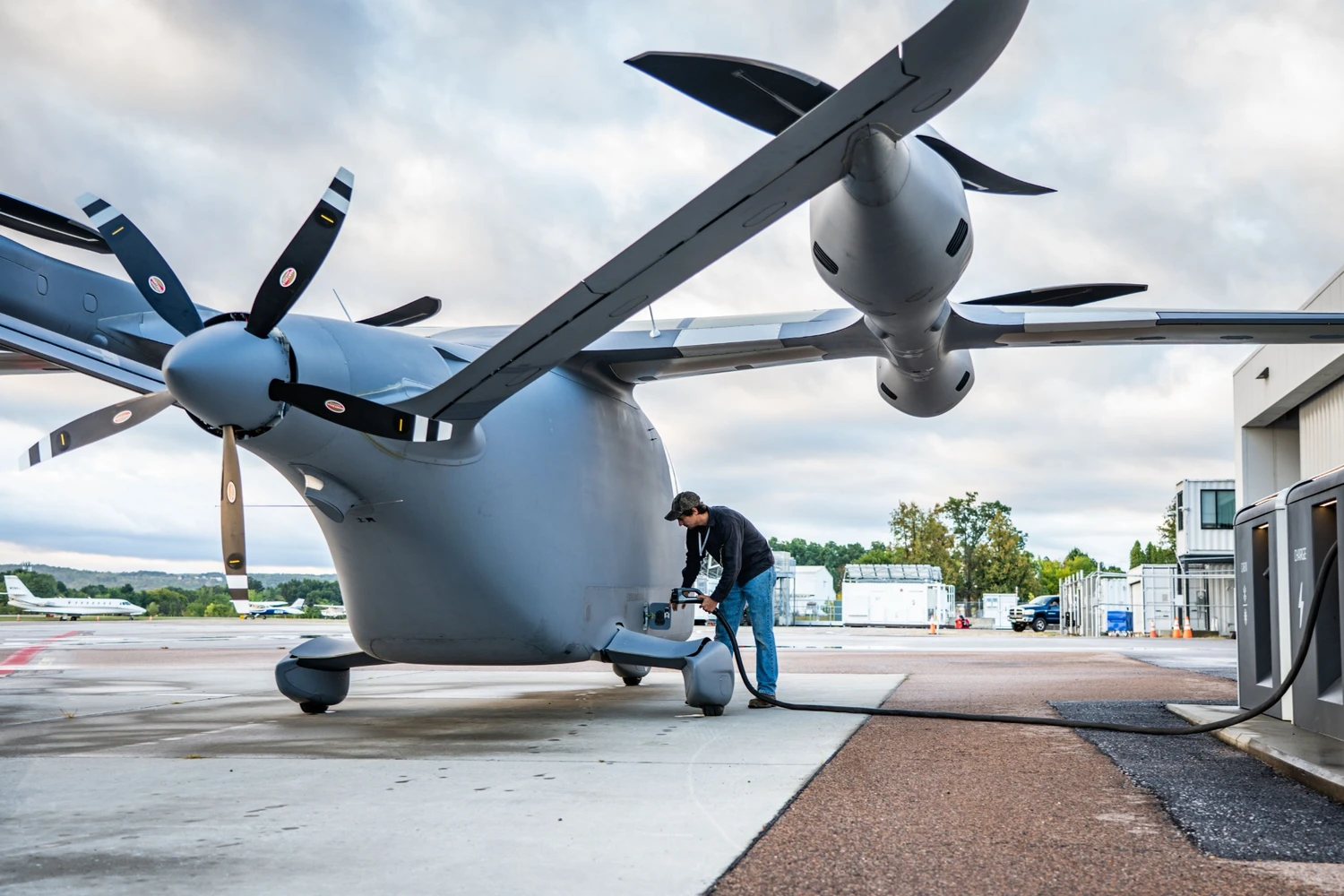
The CX300 dispenses with the vertical-lift propulsion system and instead uses conventional runways. This configuration reduces the complexity associated with vertical flight and allows the aircraft to operate from existing airports on regional routes.
The conventional aircraft is further ahead in BETA's certification plans. The manufacturer intends to certify the CX300 first, followed by the A250. In its 2025 annual report, BETA disclosed 158 firm orders and 402 options for the A250, although neither aircraft had yet entered certified commercial service.
Related news
Both designs are being developed for applications including regional passenger transport, cargo operations and medical missions. The A250's ability to take off and land vertically would expand the range of possible operating locations, but also introduces additional infrastructure and operational requirements.
The special authorization gives prospective customers an opportunity to evaluate the A250 in flight before certification. A date for the start of commercial passenger operations has not been established.

Report an error