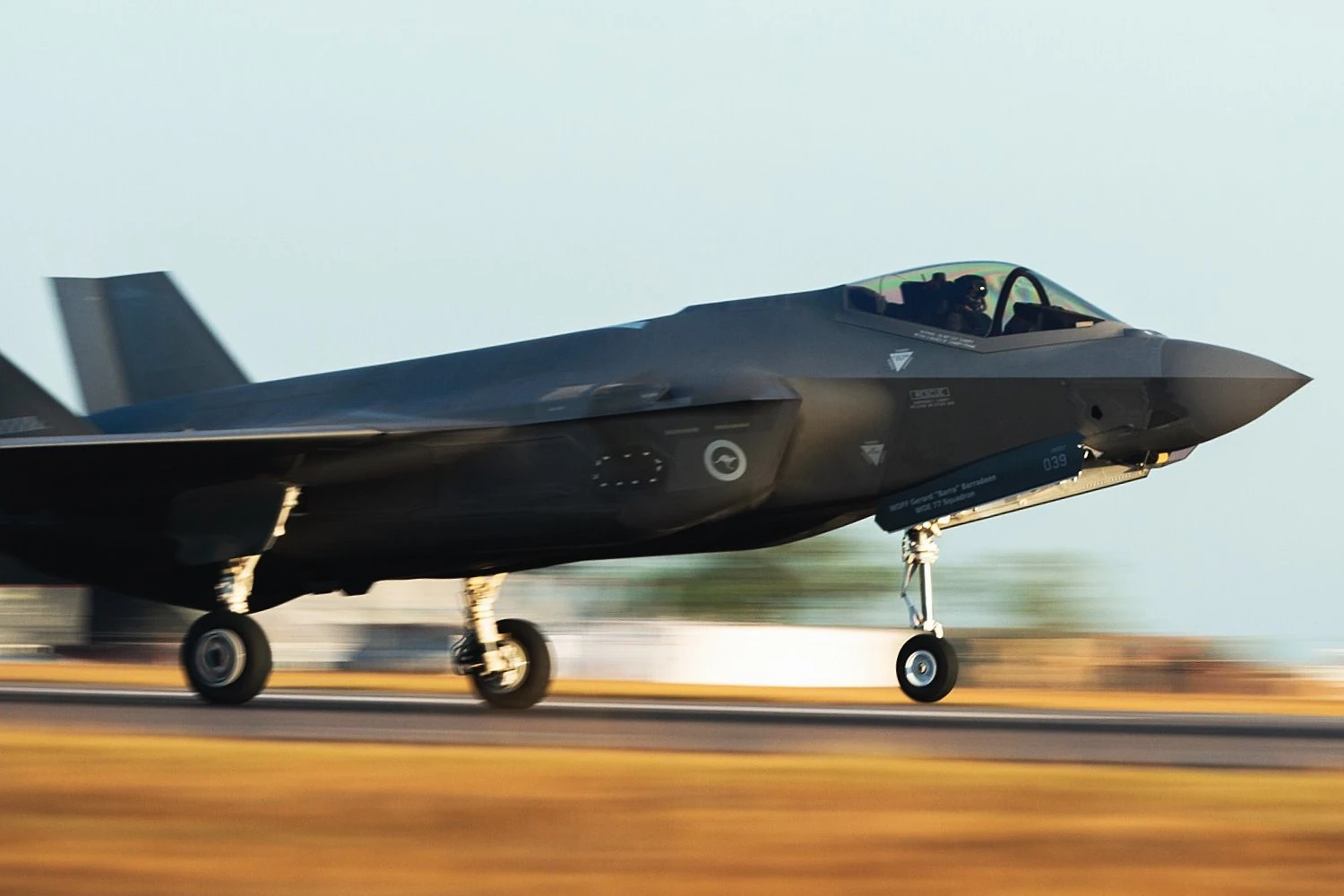
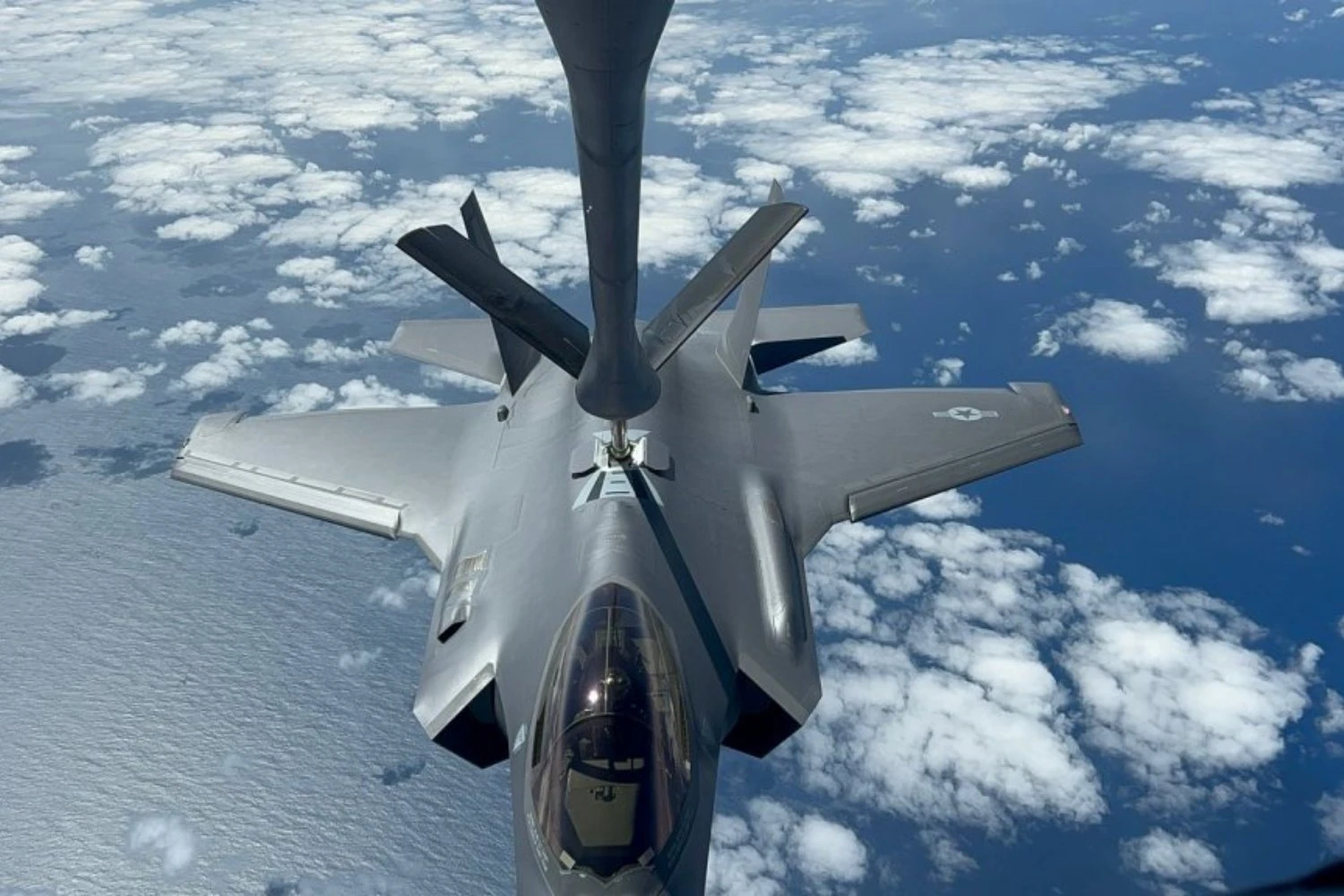
Sensitive components from an F-35 Lightning II have gone missing after a shipment traveling from Australia to the United States for repairs was unexpectedly diverted to Hong Kong, raising concerns that technology from the stealth fighter could become accessible to China.
The incident was first reported by Politico, which cited three people familiar with the matter. The Pentagon has acknowledged a problem with the shipment and said US authorities are trying to recover the components.
Follow Air Data News: WhatsApp | Instagram | LinkedIn | Twitter | Facebook
The parts were being transported across the Pacific by an intermediary on behalf of Lockheed Martin, the F-35's manufacturer. It remains unclear why the shipment was diverted to Hong Kong or who currently has possession of the missing equipment.
The F-35 Joint Program Office said it was aware of a shipment issue involving unserviceable F-35 components and was working with US authorities and industry partners to retrieve them, investigate what happened and introduce safeguards against a similar incident.
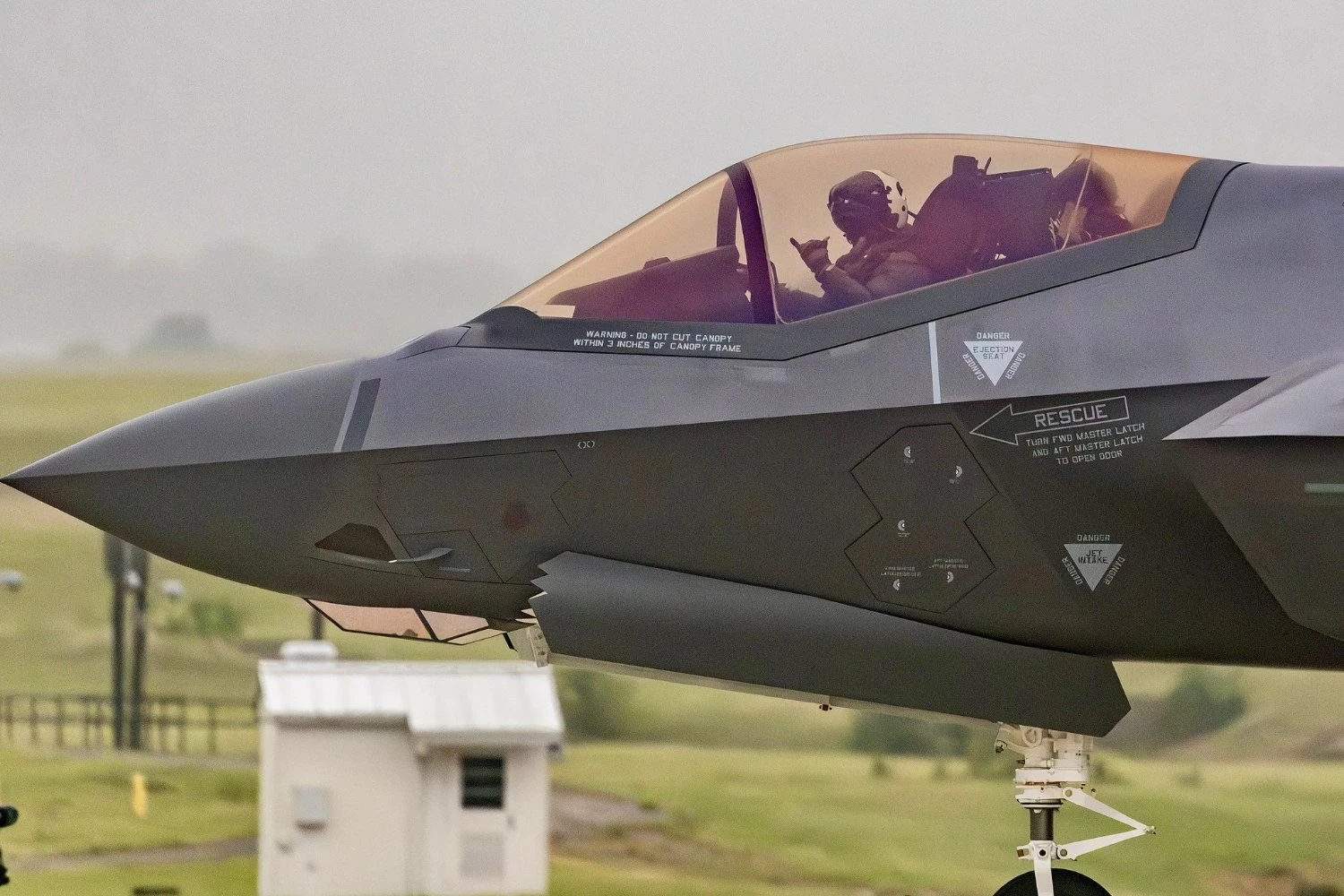
Cockpit canopy among missing parts
Among the equipment was reportedly an F-35 cockpit canopy, according to two people familiar with the shipment who spoke to Politico.
The canopy is more than the transparent enclosure covering the cockpit. It incorporates materials associated with the F-35's low-observable characteristics, making physical access to the component potentially useful to a country studying the aircraft's stealth technology.
There is no public evidence that Chinese authorities or the People's Liberation Army have obtained or examined the missing components.
Their arrival in Hong Kong nevertheless prompted security concerns in Washington because the territory is a special administrative region of China.
US State Department and Pentagon officials began briefing congressional staff from national security committees about the incident in June, according to Politico. Additional briefings are expected.
China already operates J-20 stealth fighter
China has invested heavily in its own low-observable combat aircraft and is now the only country besides the United States to have developed two different types of fifth-generation stealth fighters.
The Chengdu J-20 entered service with the People's Liberation Army Air Force in 2017 and has since moved into larger-scale production. The twin-engine aircraft is a considerably larger design than the F-35 and was developed primarily for air-superiority missions.
China has also developed the smaller Shenyang J-35 family, whose configuration has frequently led to comparisons with Lockheed Martin's F-35.
The land-based J-35A was publicly unveiled in 2024. Chinese authorities describe it as a medium-sized stealth multirole fighter capable of air-superiority as well as attacks against ground and maritime targets.
Recent news
A naval version is also under development for operation from Chinese aircraft carriers. Unlike the single-engine F-35, both the J-20 and J-35 use two engines.
Physical access to an F-35 component would therefore come as China already possesses a mature stealth-aircraft development effort rather than attempting to build its first low-observable fighter. US officials have previously accused China of seeking information on advanced American military programs through cyber and other intelligence operations.
Global F-35 supply chain
The unusual route taken by the missing components is related to the multinational structure of the F-35 program.
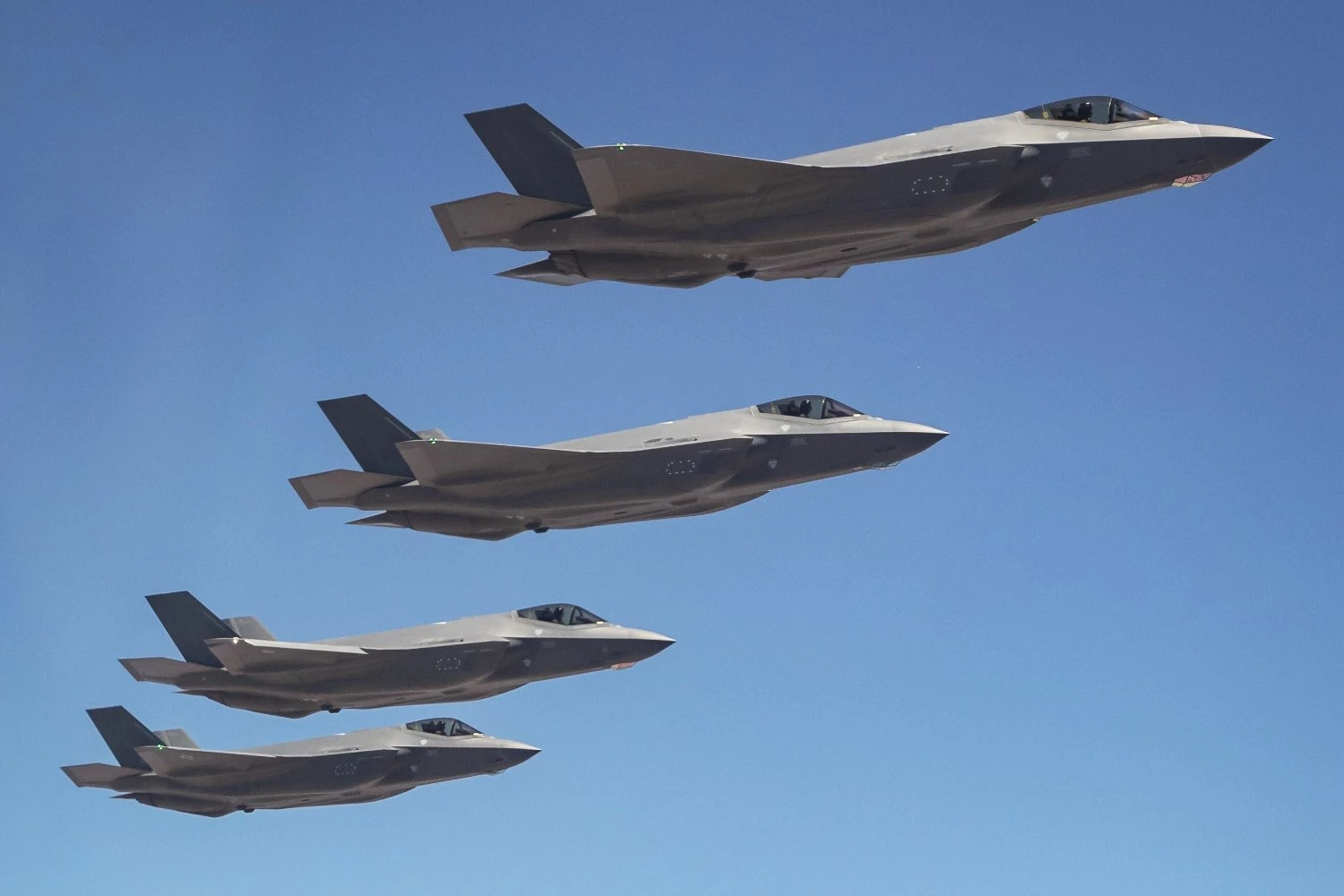
Australia operates 72 F-35As and is one of several international maintenance hubs supporting the aircraft. Components that cannot be repaired locally can be sent elsewhere through the program's global sustainment network.
Australia does not currently have the capability to perform the required repair on F-35 canopies, according to Politico, which explains why the component was being transported to the United States.
Lockheed Martin manages movements within the F-35 global spare-parts pool and uses commercial logistics providers to transport equipment between operators and repair facilities.
The company told Politico that it could not discuss individual shipments for security reasons, but said it follows US regulations governing the transportation of aircraft components.