Ethiopia has received its first Sukhoi Su-35 fighters from Russia, publicly acknowledging an acquisition that had remained undisclosed until documents attributed to Russian defense conglomerate Rostec were leaked last year.
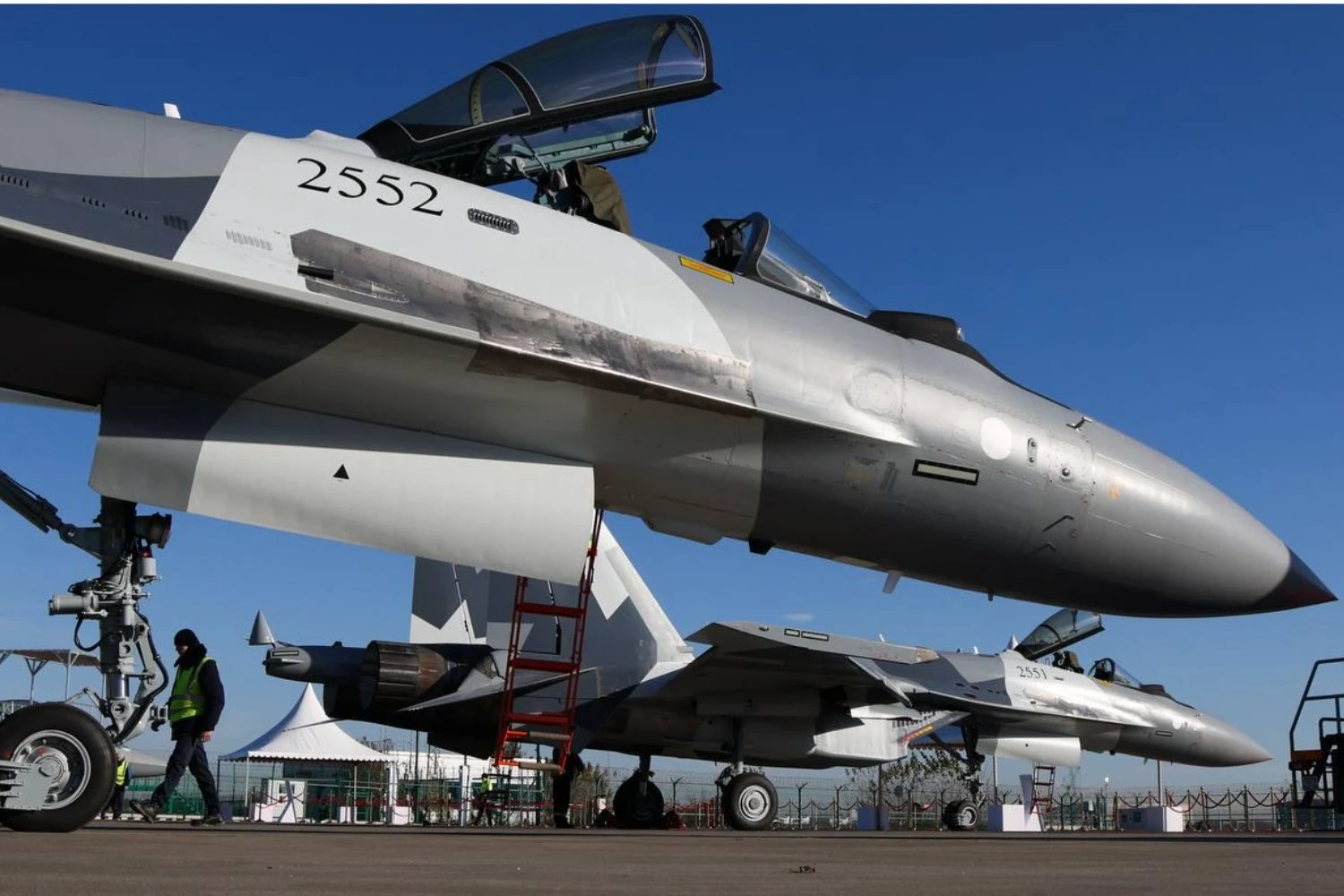
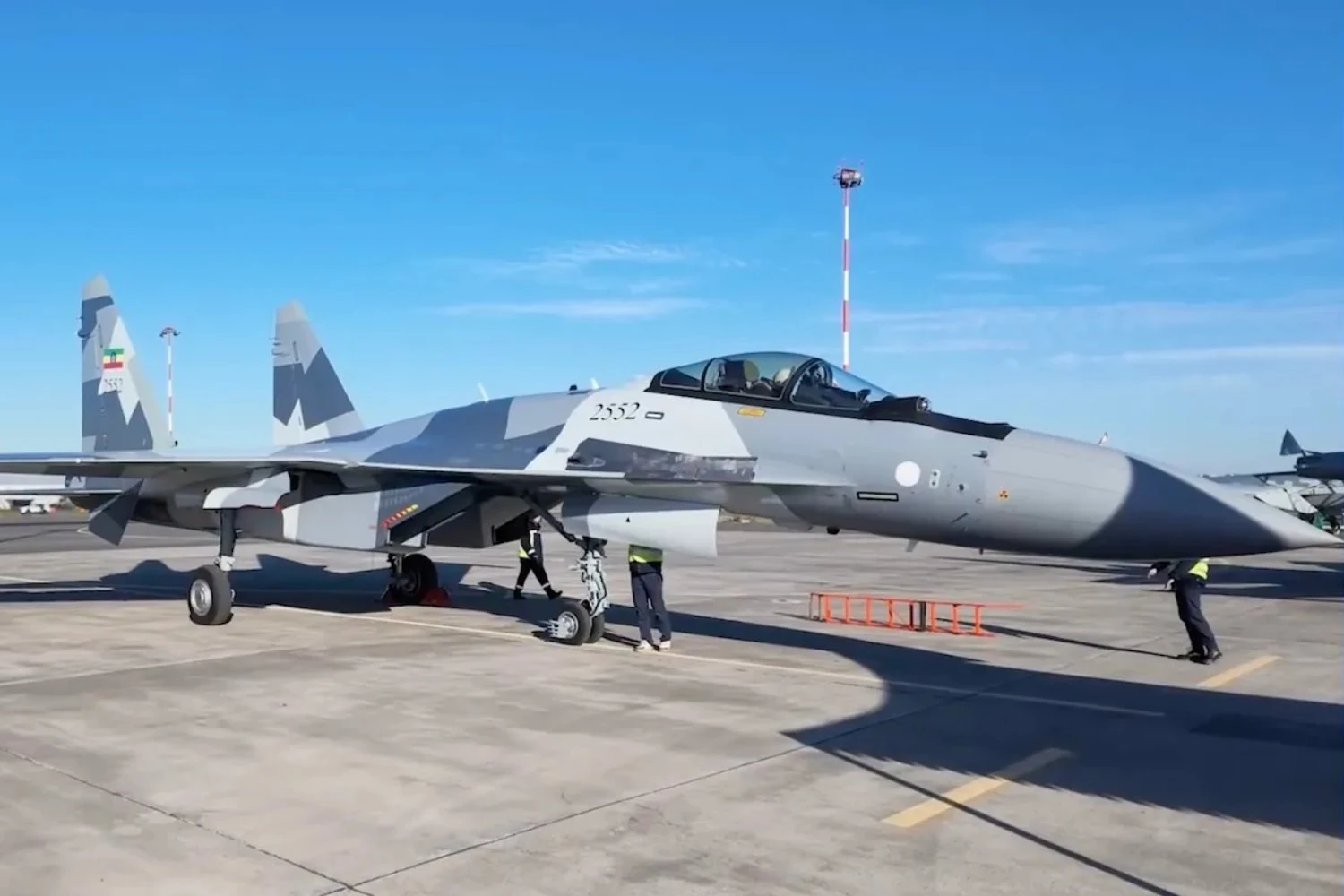
The first batch comprises two aircraft, according to Russian state arms exporter Rosoboronexport. Ethiopian Prime Minister Abiy Ahmed announced the acquisition during a visit to Russia on October 28, when two Su-35s carrying Ethiopian markings and the numbers 2551 and 2552 were displayed at Zhukovsky International Airport near Moscow.
Follow Air Data News: WhatsApp | Instagram | LinkedIn | Twitter | Facebook
Abiy said Ethiopia will receive 12 Su-35s under an earlier agreement with the Russian government and thanked President Vladimir Putin for helping accelerate the program by one year.
The announcement created some confusion over how many aircraft have actually been delivered. Ethiopia's state news agency ENA quoted Abiy as saying the country had received its “first twelve” Su-35s, but Rosoboronexport told Reuters that the initial batch consisted of two aircraft. Photographs released during Abiy's visit also showed only the two fighters.
Secret deal surfaced in 2025
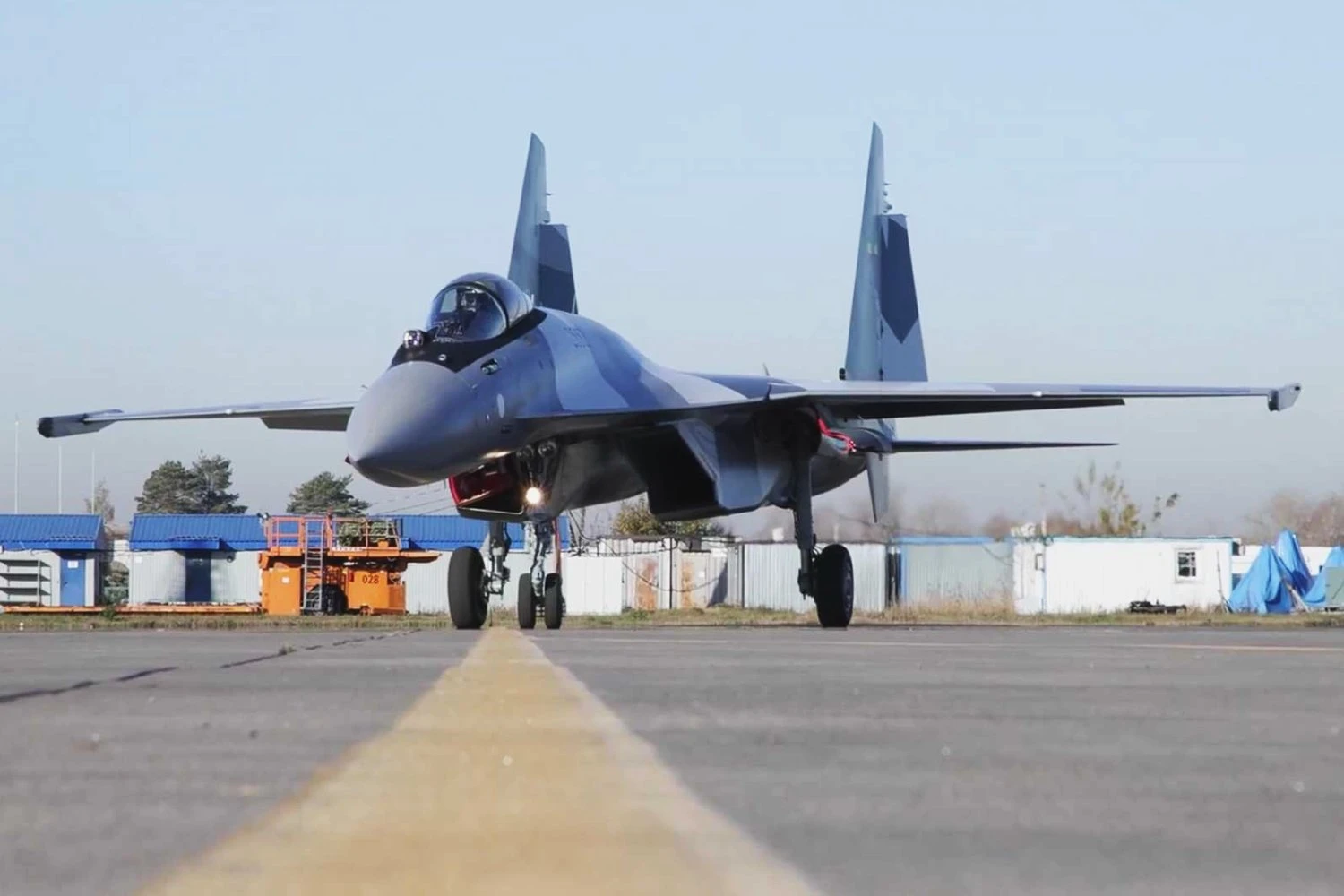
Ethiopia had never previously confirmed an Su-35 order, although evidence of the acquisition emerged in October 2025 after the Black Mirror hacker group released documents it said had been obtained from Rostec.
The leaked material indicated that Russia's KRET electronics group received orders in 2022 for control and display systems intended for six Su-35s for Ethiopia. The documents suggested that a contract covering six aircraft had been signed around that period, but neither Moscow nor Addis Ababa publicly acknowledged the deal.
Abiy's announcement now points to a 12-aircraft program, twice the number identified in the leaked documents. It is not clear whether the original acquisition was subsequently expanded or whether the 2025 material covered only part of the order.
Related news
September 10, 2026
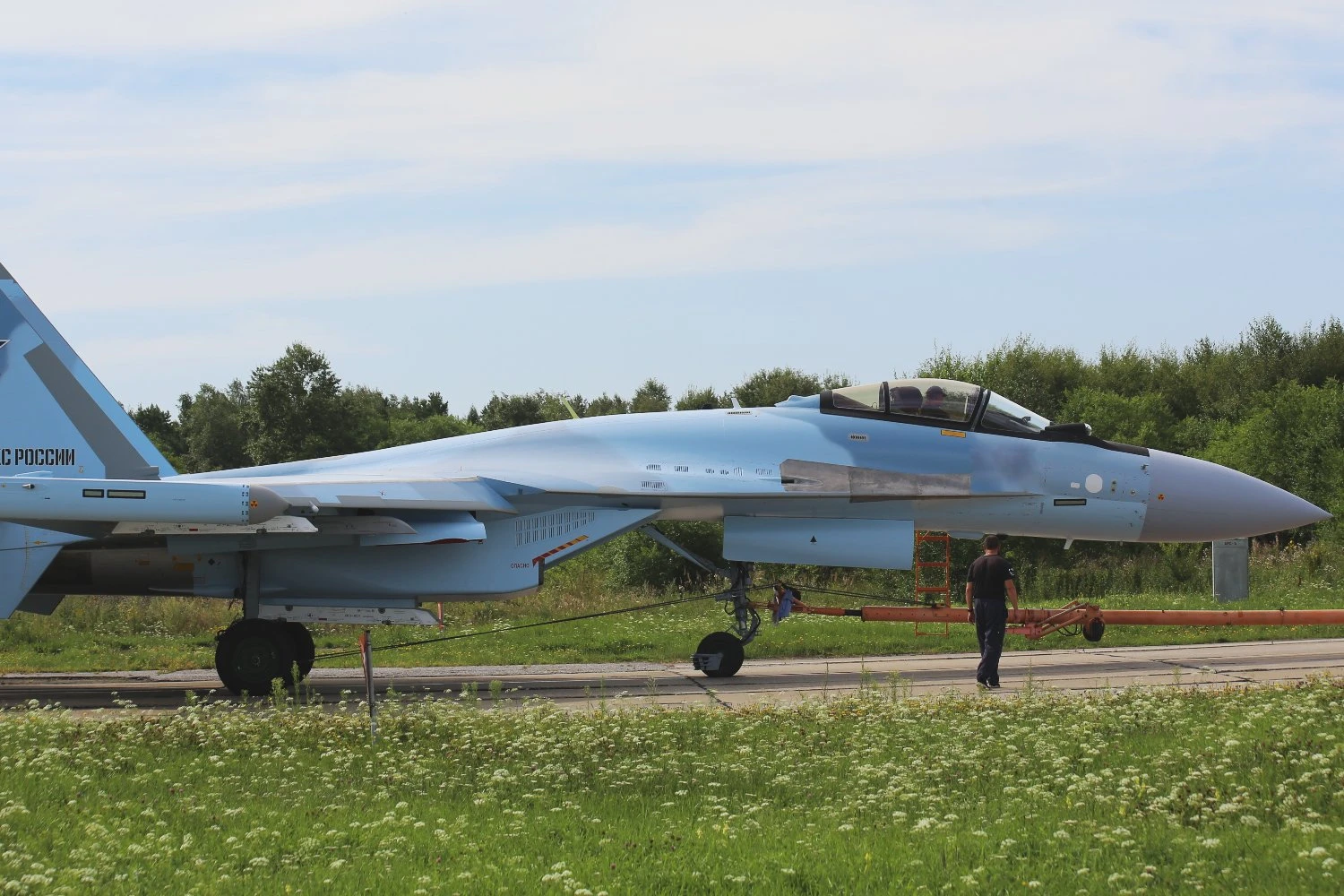
The origin of the first two Ethiopian aircraft is also unclear. Their camouflage resembles the scheme applied to Su-35s manufactured for Egypt under a contract that was never completed, raising the possibility that Russia used already-built aircraft to accelerate deliveries to Ethiopia. No construction numbers or other evidence have yet emerged to establish that the Ethiopian fighters came from the former Egyptian batch.
Flanker fleet expands
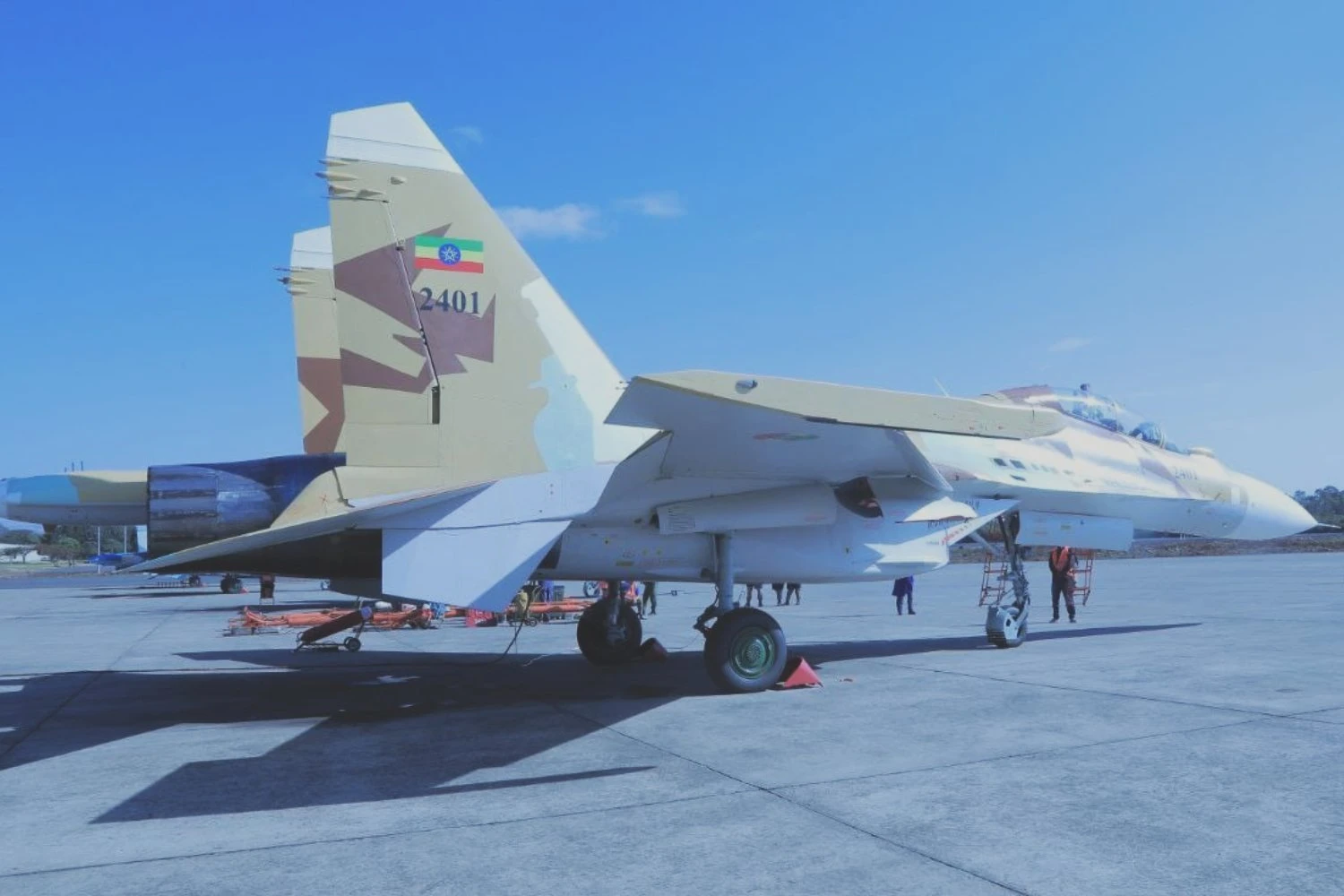
The Su-35 is the latest member of the Sukhoi Flanker family to enter Ethiopian service. The country's air force has operated Su-27s for decades and received at least two Su-30 fighters in January 2024.
Those Su-30s are believed to have come from a group of former Indian Air Force Su-30Ks returned to Russia after India transitioned to the more advanced Su-30MKI. At least one of the Ethiopian aircraft has subsequently been linked by its construction number to a former Indian jet.
The single-seat Su-35 is a substantially modernized development of the Su-27. It is powered by two AL-41F1S engines with thrust-vectoring nozzles and uses the Irbis-E radar, giving the Ethiopian Air Force a considerably newer fighter capability alongside its older Flankers.
The Su-35 has achieved relatively limited export success. China became its first foreign operator, while Algeria began receiving the type in 2025. Iran has also been linked to a large Su-35 acquisition.
S-400s also ordered
The fighter acquisition is part of a wider Russian air defense package. Abiy also announced that Ethiopia will receive four batteries of the S-400 long-range surface-to-air missile system.
He did not disclose the value of either acquisition, the delivery schedule for the S-400s or where the new systems will be deployed.
Ethiopia already operates Russian Pantsir-S1 short-range air defense systems alongside older Soviet-designed equipment. The S-400 would add a long-range component to that network.
The new equipment is arriving amid renewed security tensions in and around Ethiopia. Fighting has again intensified in the country's north, while relations with neighboring Eritrea have deteriorated. Addis Ababa has accused Eritrea of supporting rebel forces, an allegation Asmara denies.