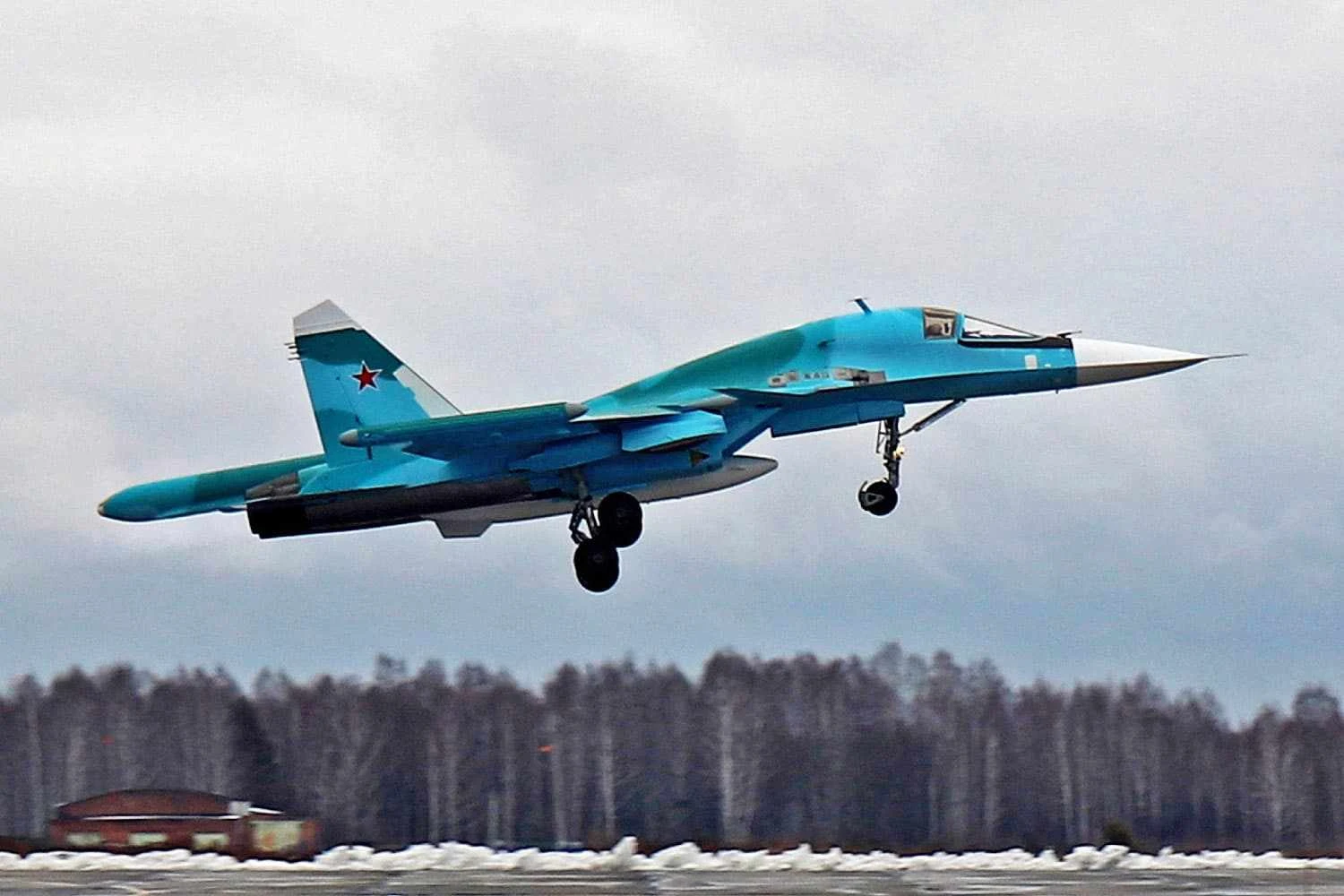
Ukraine says six Russian Sukhoi Su-34 fighter-bombers were damaged in a missile strike on Borisoglebsk air base in Russia's Voronezh region on Thursday, potentially affecting a significant number of aircraft used for attacks against Ukrainian targets.
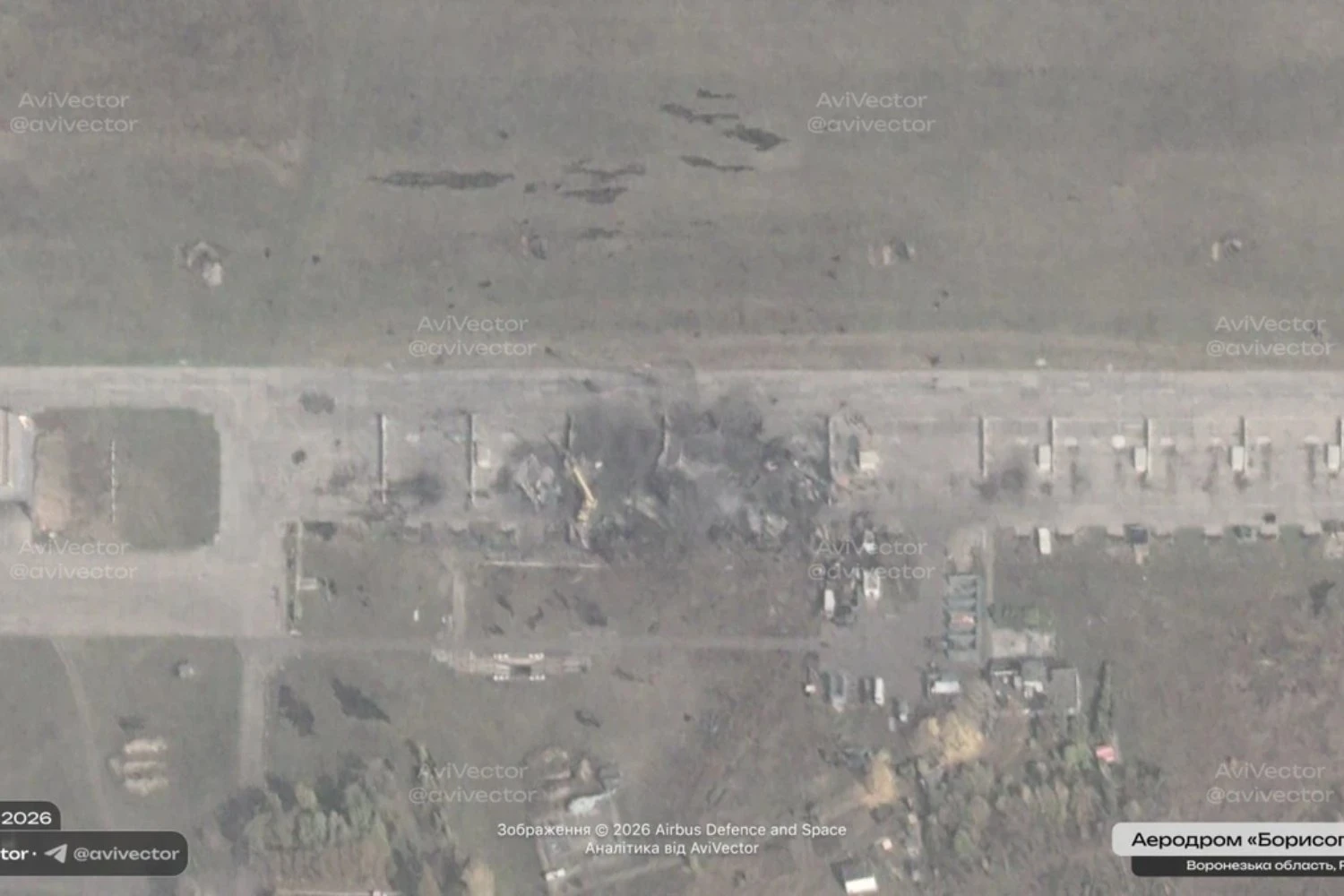
The Ukrainian General Staff said the six Su-34s suffered varying degrees of damage in the October 15 attack. The country's Navy separately claimed that six aircraft were destroyed, although the extent of the losses has not been independently confirmed.
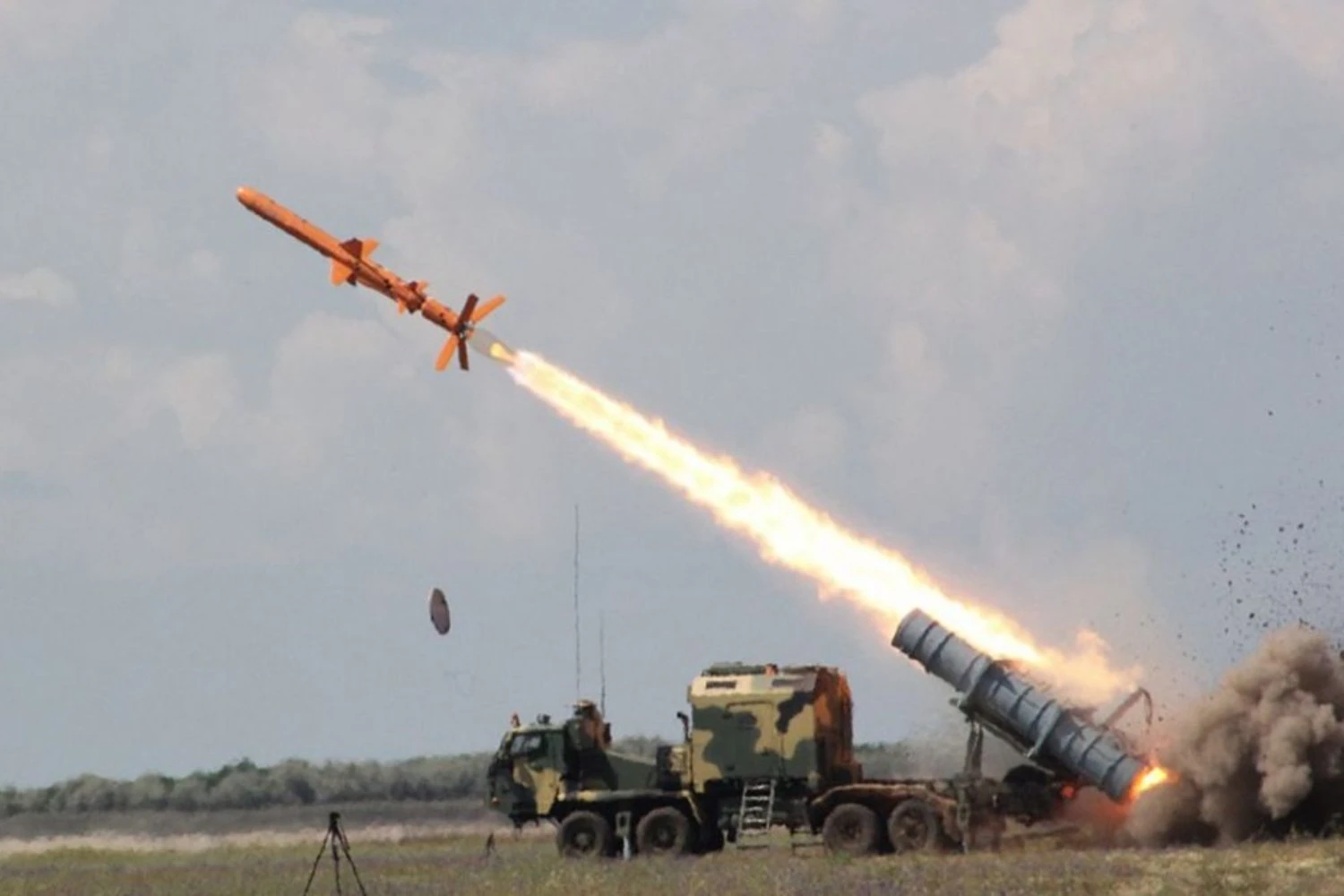
The strike involved Ukrainian-made Neptune missiles and targeted the airfield, located about 370 km (230 miles) from the front line. Explosions and a fire were reported at the facility after the attack.
Satellite images taken before and after the strike indicate that an aircraft parking area was hit. Images from October 13 showed six aircraft at the base, but available post-strike imagery does not provide enough detail to establish the condition of each jet.
Follow Air Data News: WhatsApp | Instagram | LinkedIn | Twitter | Facebook
Six aircraft would represent a significant number of Su-34s affected in a single attack, but the operational impact will depend on the severity of the damage and whether the aircraft can be repaired.
Su-34 widely used for glide bomb attacks
The Su-34 is a twin-seat supersonic fighter-bomber developed from the Su-27 family and is one of Russia's main tactical strike aircraft.
Russian forces have extensively used the type during the war in Ukraine, including to launch guided glide bombs from positions beyond the immediate reach of many Ukrainian air defense systems.
Follow Air Data News: WhatsApp | Instagram | LinkedIn | Twitter | Facebook
The aircraft targeted at Borisoglebsk were identified by Ukraine as Su-34Ms, an improved version equipped with updated onboard systems and expanded weapons capabilities.
Russia has continued producing Su-34s during the war to replenish and expand the fleet. United Aircraft Corporation has delivered several new batches to the Russian Aerospace Forces in recent years, without disclosing the number of aircraft in each delivery.
Neptune used against Russian air base
Ukraine originally developed the Neptune as an anti-ship cruise missile. The weapon gained prominence after the sinking of the Russian Navy cruiser Moskva in April 2022.
The country subsequently developed a land-attack version, allowing the missile to be employed against targets inside Russian territory.
President Volodymyr Zelensky said in March 2025 that Ukraine had successfully tested and used an extended-range version known as Long Neptune, with a claimed range of 1,000 km (620 miles).
Ukraine did not specify which Neptune variant was used against Borisoglebsk, making it unclear whether the strike involved the extended-range version.
Airfield previously targeted by Ukraine
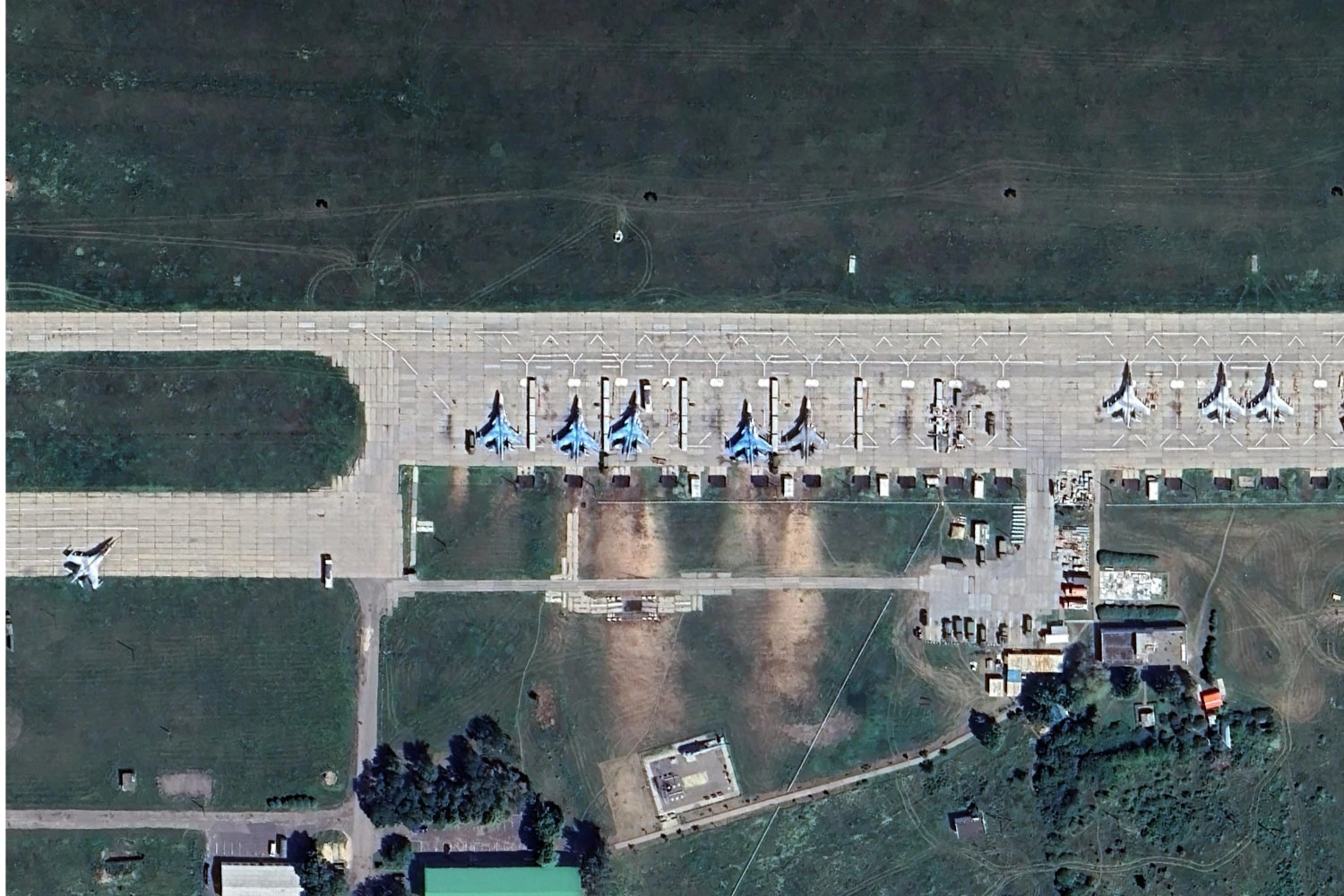
Borisoglebsk has previously been targeted by Ukrainian forces. An attack in July 2025 reportedly struck facilities associated with glide bombs and other infrastructure at the airfield.
The base has been used by Russian Su-34, Su-35S and Su-30SM combat aircraft.
Ukraine has also repeatedly targeted Russian military aviation at other airfields. In April 2024, Kyiv claimed that six Russian military aircraft had been destroyed and eight damaged in an attack against Morozovsk air base, although the extent of those losses was disputed.
Russian authorities have not confirmed aircraft losses from Thursday's strike. Voronezh regional governor Alexander Gusev said Russian air defenses intercepted 33 drones and several jet-powered aerial targets during the attacks on the region.