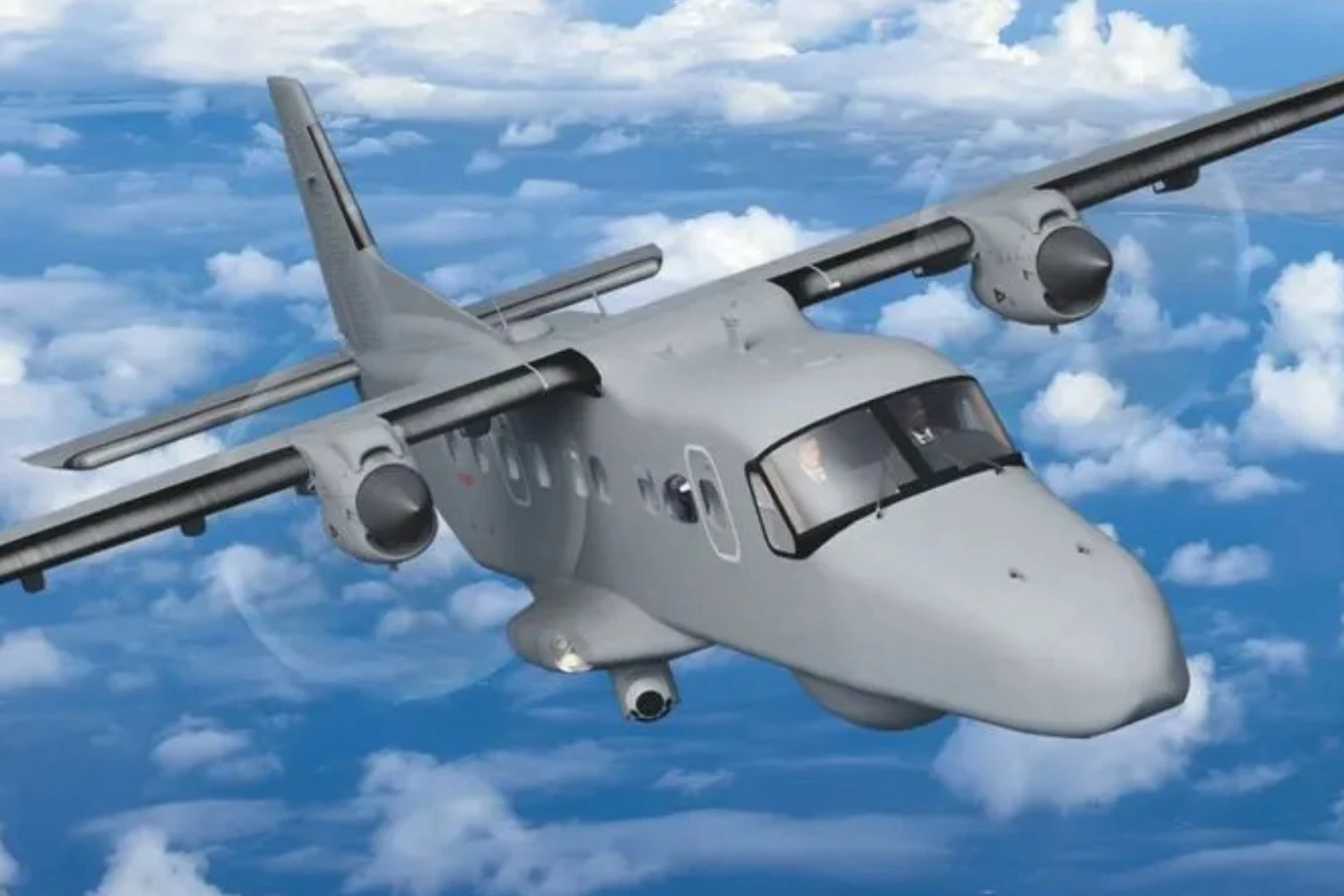
General Atomics AeroTec Systems (GA-ATS) has added a new surveillance and reconnaissance sensor option for the Do228 NXT, the updated version of the German-built Dornier 228 turboprop that recently returned to flight in newly manufactured form.
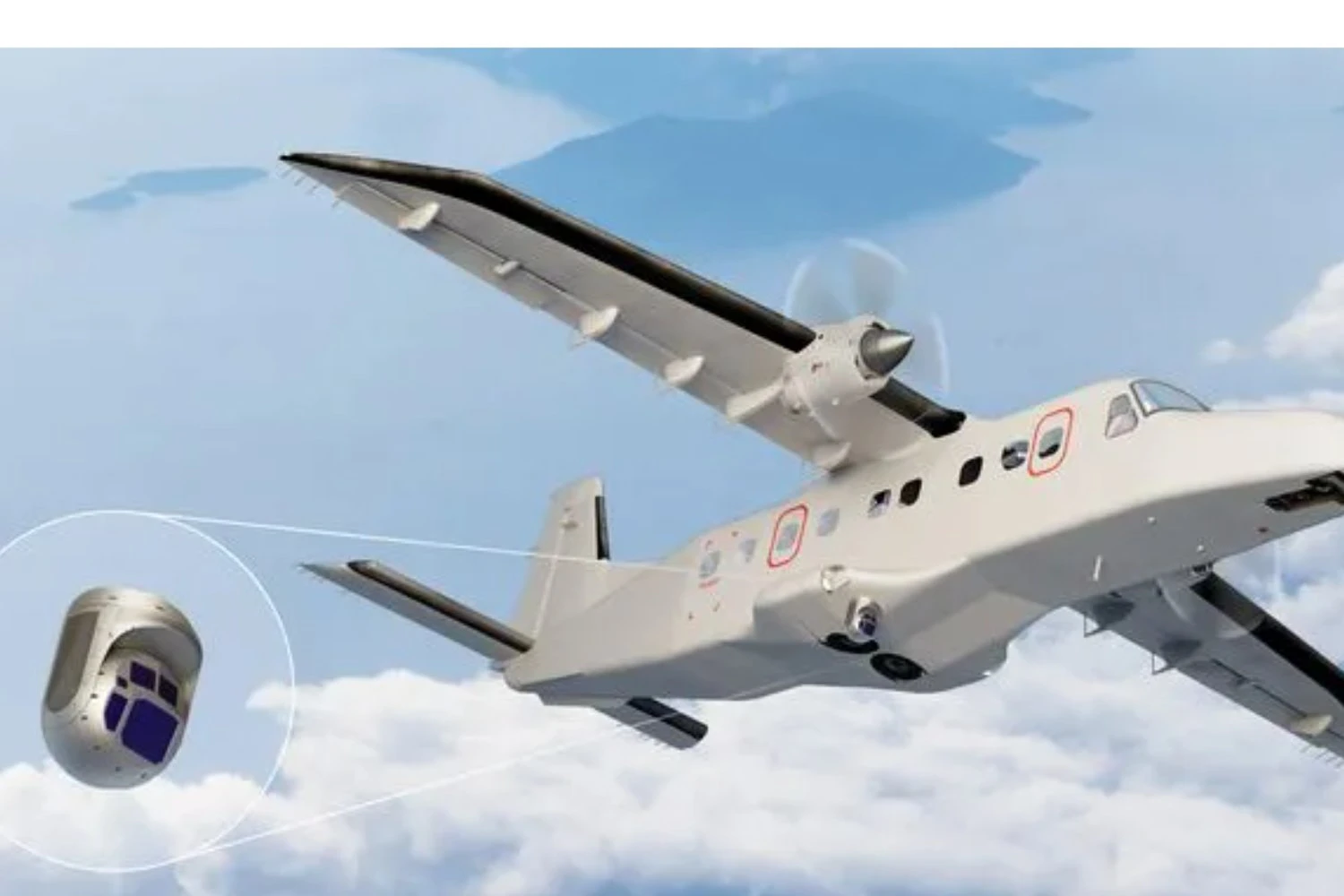
The German manufacturer has reached an agreement with Sweden's TRAKKA Systems to integrate the TrakkaCam TC-375 into the aircraft. The gyro-stabilized multispectral camera can provide high-resolution imagery and video during day and night operations.
Follow Air Data News: WhatsApp | Instagram | LinkedIn | Twitter | Facebook
The equipment is aimed at several of the missions for which GA-ATS is marketing the Do228 NXT, including search and rescue, law enforcement, environmental monitoring and intelligence, surveillance and reconnaissance (ISR). The latter gives the aircraft another configuration for military and government customers.
The TC-375 combines multiple sensors in a stabilized turret and can transmit imagery for real-time analysis. GA-ATS plans to offer the system as an integrated equipment option rather than requiring operators to arrange a separate modification after acquiring the aircraft.
The agreement comes shortly after the first flight of the Do228 NXT and its public debut in June. The aircraft is the latest development of the Dornier 228, a twin-engine utility turboprop whose origins date to the late 1970s and early 1980s.
Production of the type has had an unusual history. Dornier originally manufactured the aircraft in Germany, and Hindustan Aeronautics Limited (HAL) subsequently built the Do228 under license in India. Production in Germany later resumed under RUAG before General Atomics AeroTec Systems acquired the program.
Recent news
September 21, 2026
September 21, 2026
September 21, 2026
The NXT retains the basic characteristics that made the Do228 suitable for short and relatively austere runways but introduces updated systems and equipment. GA-ATS is seeking customers in both the civil and military markets, with special-mission configurations an important part of the program.
The new camera option adds to that approach by allowing the same basic aircraft to be configured for missions ranging from civilian surveillance and rescue work to military ISR.