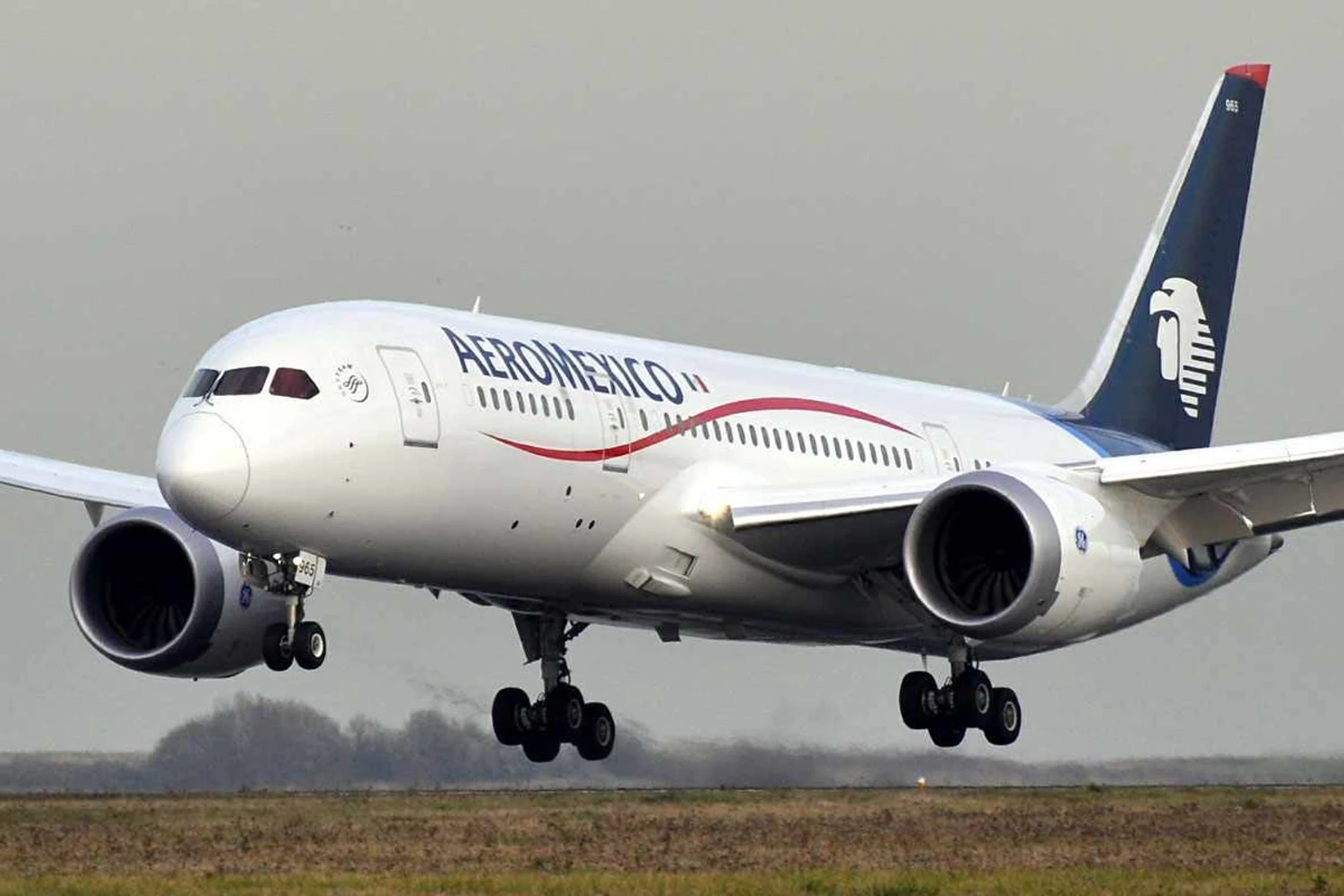
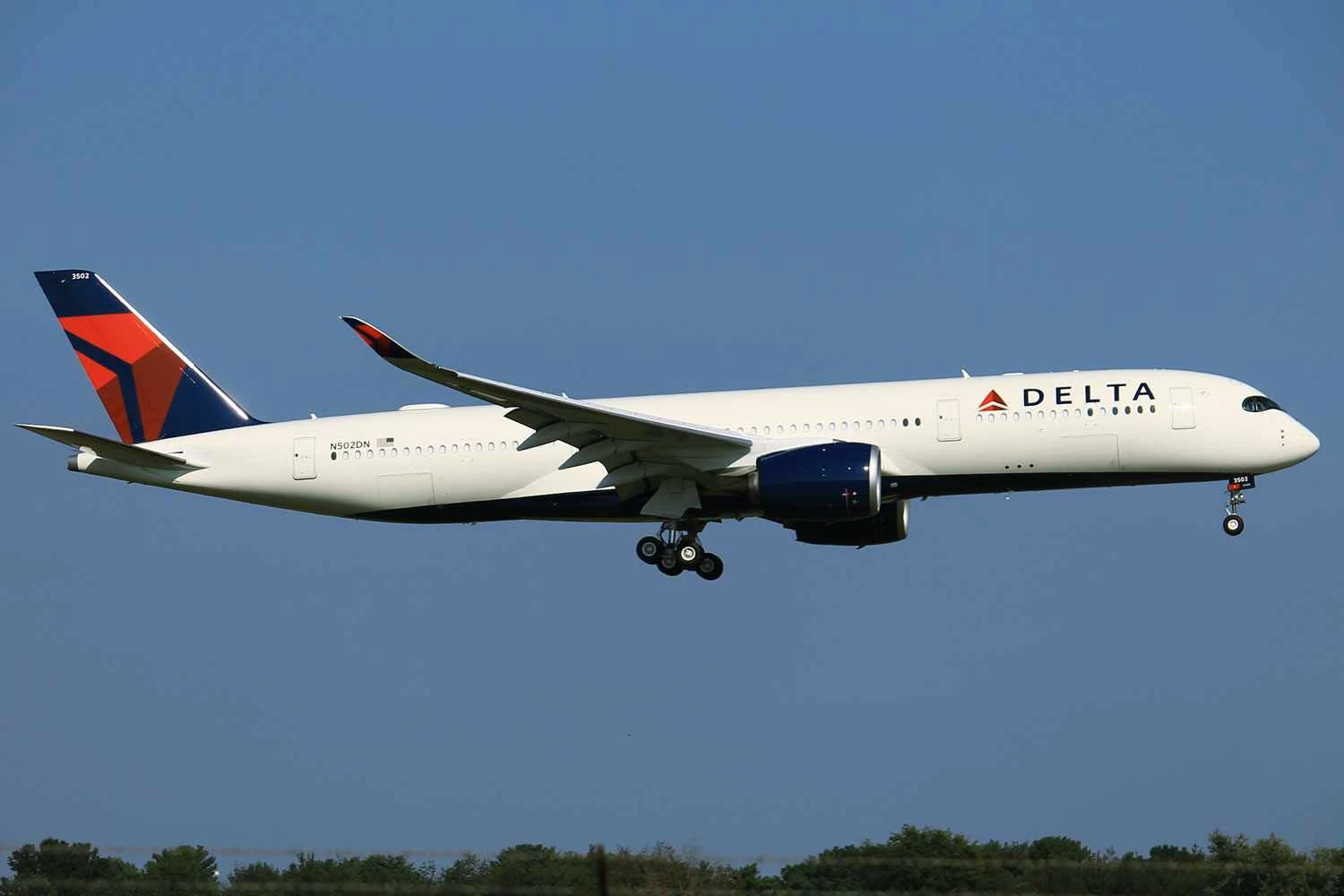
Delta Air Lines and Aeromexico have won their legal battle to preserve their joint venture between the United States and Mexico after a federal appeals court overturned a US Department of Transportation decision requiring the carriers to dismantle the partnership.
The US Court of Appeals for the 11th Circuit ruled on August 20 that the DOT had not adequately justified its decision to withdraw approval and antitrust immunity from the agreement.
Recent news

September 21, 2026
September 21, 2026
September 21, 2026
The ruling removes, at least for now, a major threat to a partnership that has operated since 2017 and allows Delta and Aeromexico to coordinate schedules, pricing and capacity on flights between the two countries.
The case dates back to September 2025, when the DOT issued a final order terminating approval of the Joint Cooperation Agreement. The airlines challenged that decision in court, and implementation of the order was subsequently suspended while the case was considered.
The dispute was not simply about the behavior of Delta and Aeromexico. The US government had become increasingly critical of aviation policies adopted by Mexico, particularly restrictions at Mexico City International Airport (MEX).
Among the issues cited by the DOT were Mexico's decision to force dedicated cargo operations out of MEX, changes involving airport slots and what the US agency considered anti-competitive slot allocation practices.
The department concluded that conditions in the US-Mexico market had changed sufficiently that the Delta-Aeromexico partnership no longer met the standards required for antitrust immunity.
Different treatment becomes central issue
The appeals court, however, found problems with the way the DOT reached that conclusion.
One of the central issues was the market analysis used to assess the partnership. The court found that the department had not reasonably explained why it used a more limited analysis for Delta and Aeromexico than it had employed in previous cases.
The airlines had also argued that the US government imposed requirements on their partnership that it had not applied to comparable international joint ventures, including the cooperation between United Airlines and Japan's All Nippon Airways.
Follow Air Data News: WhatsApp | Instagram | LinkedIn | Twitter | Facebook
The court concluded that the DOT had failed to adequately explain the different treatment.
Delta owns approximately 20% of Aeromexico, making their relationship deeper than a conventional codeshare agreement. Their Joint Cooperation Agreement allows the two SkyTeam carriers to coordinate commercial decisions that independent competitors would normally be prohibited from making.
The scale of that cooperation has grown considerably. Delta has previously said the partnership connected 21 destinations across the United States and Mexico through 73 routes, with more than 100 combined flights on peak days.
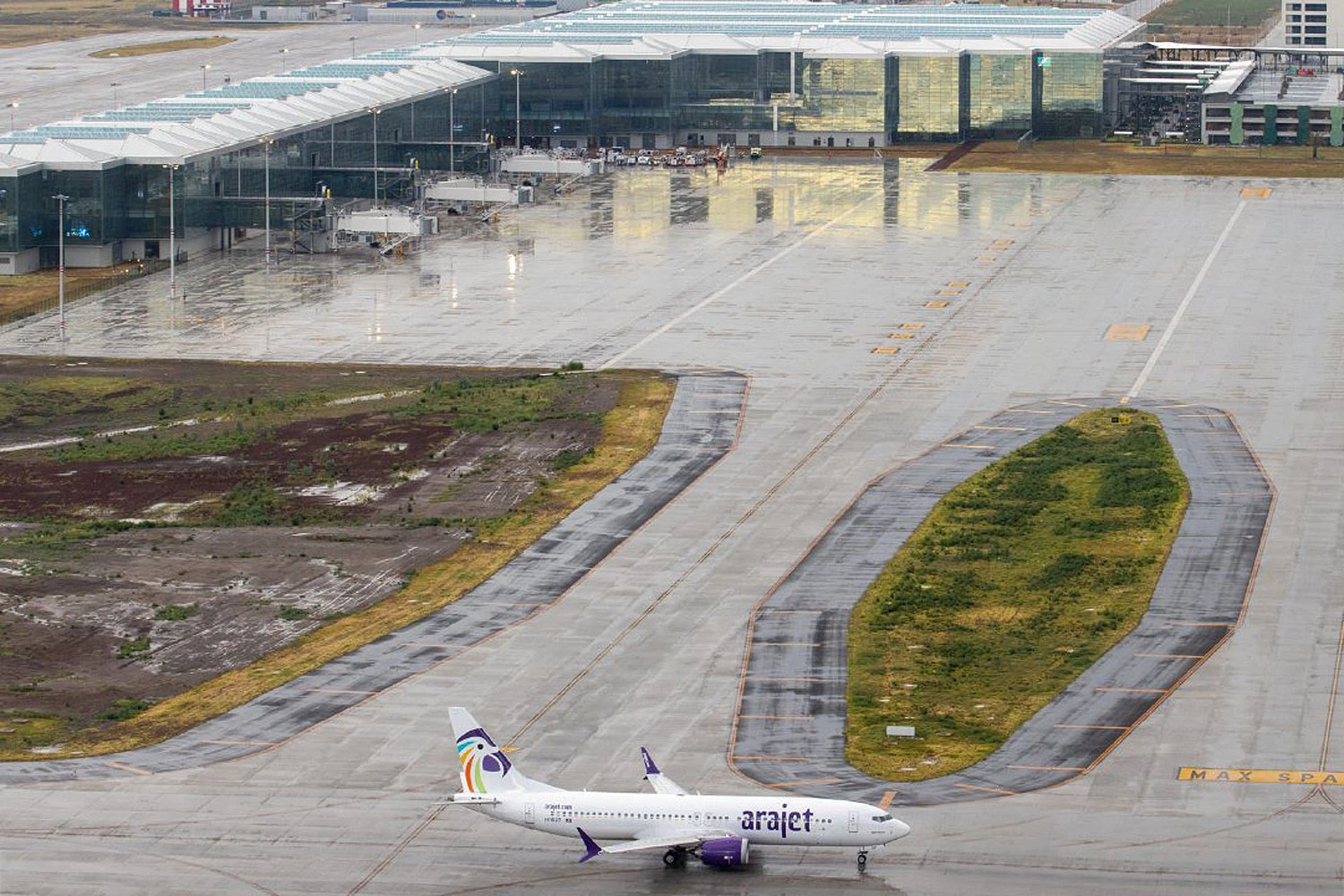
US government had challenged Mexico's aviation policies
The attempt to dismantle the joint venture was part of a wider confrontation between Washington and Mexico over access to the Mexican aviation market.
In its 2025 proceedings, the DOT argued that restrictions imposed by Mexico had undermined the competitive conditions established under the bilateral air transport agreement between the two countries.
The US government subsequently took further action against Mexican airlines, including restrictions involving new services and operations at Felipe Angeles International Airport (NLU), which was developed as an alternative to capacity-constrained MEX.
The court decision does not settle that wider dispute. The DOT can still consider further legal action and continue negotiations with the Mexican government over the conditions faced by US airlines.
For Delta and Aeromexico, however, the immediate consequence is much clearer: the joint venture that the DOT ordered dismantled last September can remain in place.