 Defense
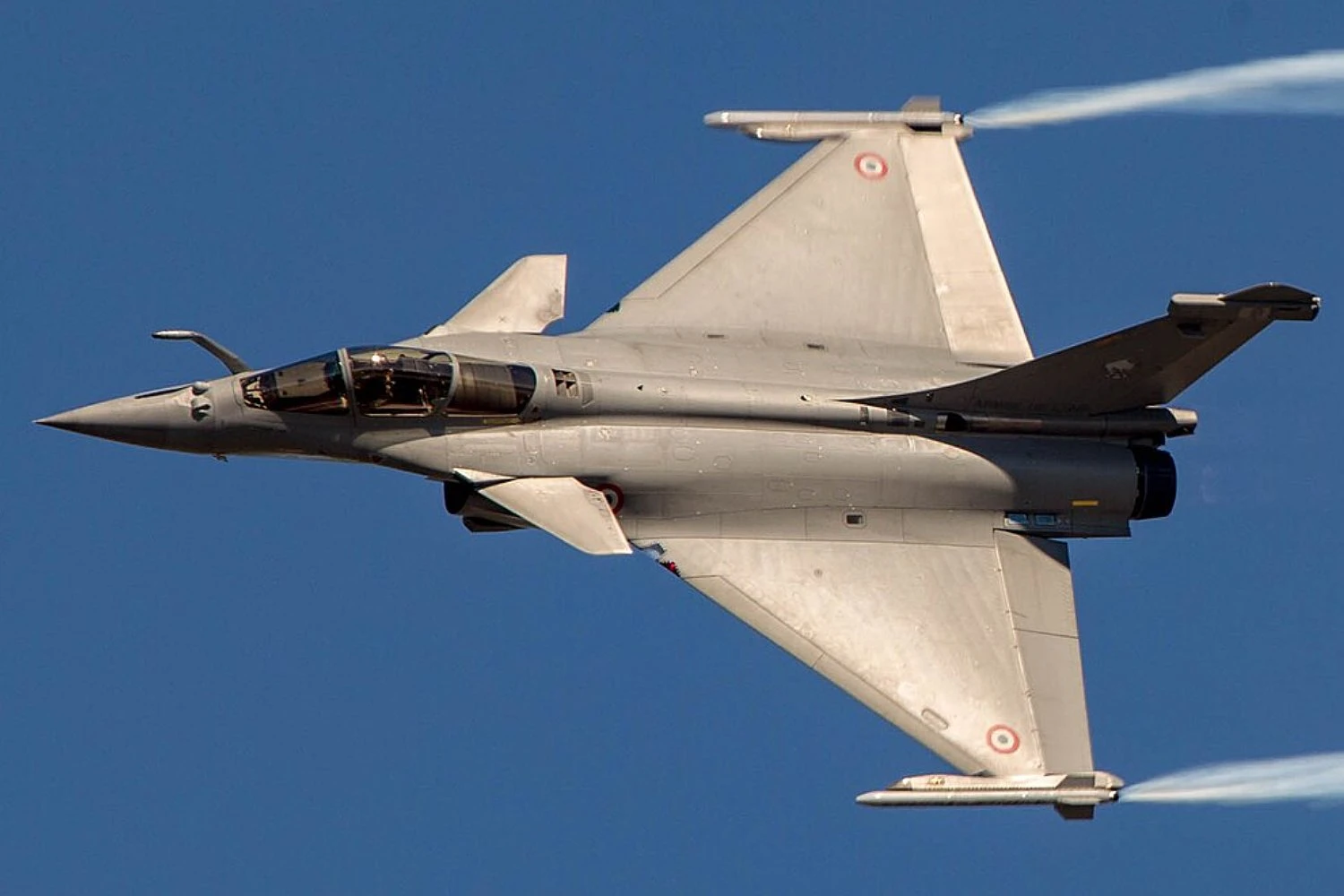
Dassault Aviation is gradually increasing production of its Rafale fighter jet and aims to reach a rate of four aircraft per month by 2029, with the possibility of raising output to five per month depending on future orders, CEO Eric Trappier said. The plan reflects strong export demand for the aircraft in recent years and preparations for additional contracts, according to remarks reported by Aviation Week.
Dassault delivered 26 Rafale fighters in 2025 and expects to hand over 28 aircraft in 2026. The current supply of long-lead components would support a production rate equivalent to four aircraft per month by 2029, assuming roughly eleven working months per year. Trappier said the company typically needs about three years between setting a production target and achieving it on the assembly line.
A potential increase to five aircraft per month has been studied but has not yet been approved. According to the executive, any decision will depend on additional orders. If such a rate were adopted in 2027, it would likely take effect around 2030.
India could play a major role in that expansion. Dassault has partnered with Tata Advanced Systems to manufacture two Rafale fuselage sections per month in the country, with deliveries expected to begin in 2028.
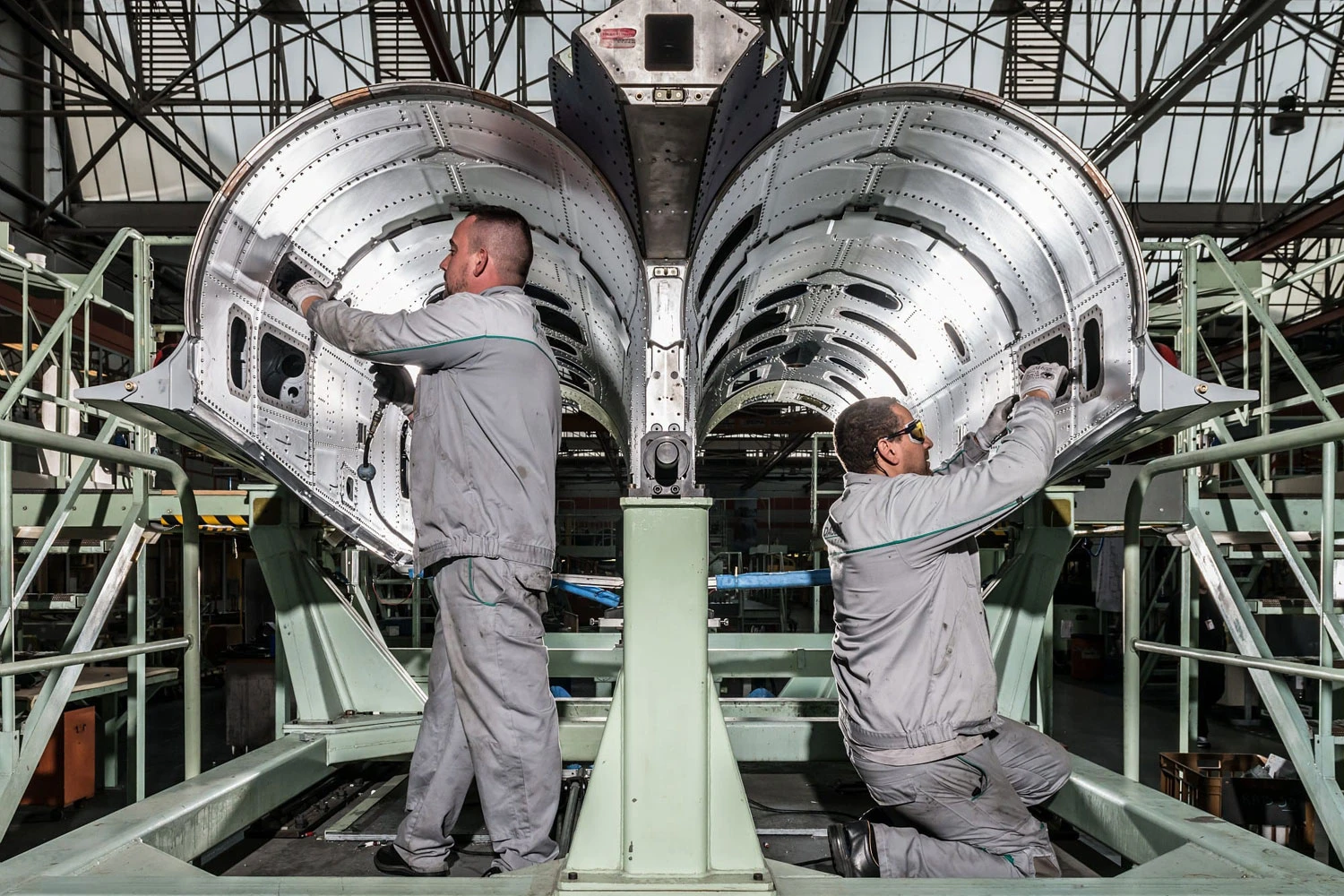
The initiative comes as New Delhi evaluates a proposed order for 114 additional Rafale fighters and seeks greater local production.
If the contract is confirmed, a second Rafale final assembly line could be created in Hyderabad. Indian authorities have signaled that more than half of the components for locally built aircraft should come from domestic suppliers, a requirement that Dassault says it believes it can meet.
As of Jan. 1, Dassault reported a backlog of 220 Rafale fighters out of a total of 533 aircraft ordered since the program began, including 323 for export customers.
The ramp-up in production comes as the company increases hiring to support its industrial plans. Dassault recruited more than 1,500 employees in 2025, bringing its workforce to just over 15,000.
Beyond the current Rafale production cycle, Dassault is also awaiting progress on the Future Combat Air System (FCAS), the multinational European program that is expected to produce the next-generation successor to the Rafale fighter. The outcome of that project is likely to shape the company’s long-term military aviation strategy.