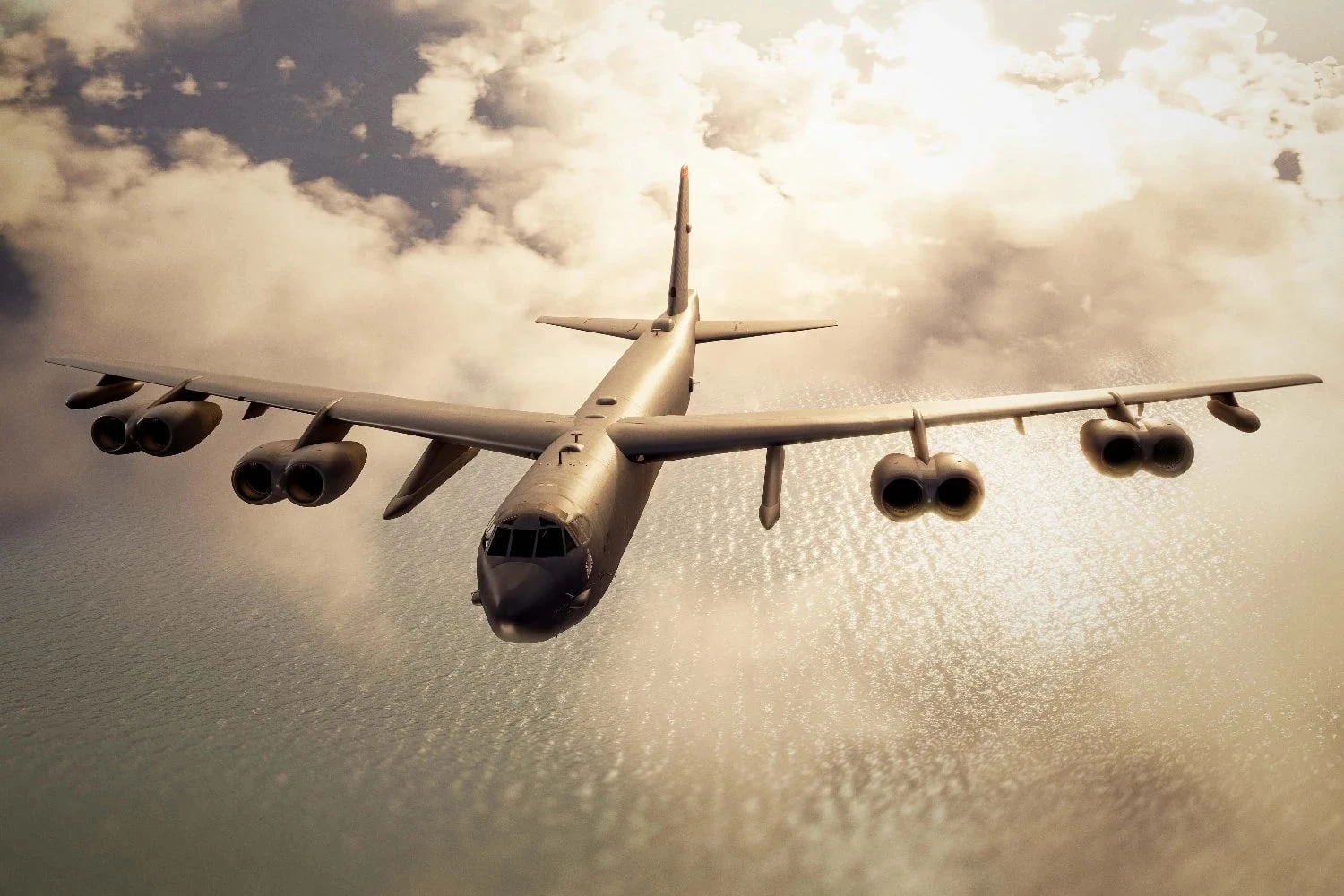
Boeing and Raytheon have received new contracts worth up to a combined US$766 million to continue the US Air Force's B-52 Radar Modernization Program, despite rising costs, schedule delays and the loss of the first radar-equipped flight-test aircraft earlier this year.
The US Department of Defense announced the two awards on August 25. Raytheon received an indefinite-delivery, indefinite-quantity contract with a ceiling of US$603 million for production and sustainment of the AN/APQ-188 radar through August 2031.
An initial US$46 million in fiscal 2026 aircraft procurement funding was obligated with the first delivery order.
Boeing received a separate delivery order worth up to US$162.97 million under an existing B-52 production and sustainment contract. The company will manufacture, kit and deliver Bomb Rack Modernization System equipment in support of the radar program, with work scheduled for completion by December 2028.
Follow Air Data News: WhatsApp | Instagram | LinkedIn | Twitter | Facebook
Approximately US$35 million was obligated at the time of the award. The US$766 million combined figure therefore represents the maximum potential value of the two awards rather than money immediately committed to the program.
Cost rises above US$2.9 billion
The new contracts come after the Government Accountability Office reported in July that the estimated acquisition cost of the Radar Modernization Program had exceeded US$2.9 billion in 2025, an increase of more than 30% from the original estimate.
The program suffered a significant Nunn-McCurdy breach in May 2025 after its unit cost increased by at least 15% over the established baseline.
According to the GAO, the increase resulted from significant design changes, contractor performance problems and greater-than-expected installation complexity. Radar deliveries were also delayed, while critical components needed for integration laboratories arrived later than planned.
Recent news
September 21, 2026
September 21, 2026
September 21, 2026
The Air Force has responded partly by reducing the capability originally required from the new radar. Air Force Global Strike Command and the program office reduced the number of performance requirements from 25 to 20 in late 2024, establishing what officials described as a "minimum viable product."
One of the changes eliminated the need to develop a new radome for the B-52. Details of the other capabilities removed from the program have not been publicly disclosed.
The schedule has also slipped considerably. The production decision is now expected in the third quarter of fiscal 2026, while initial operational capability has moved to the third quarter of fiscal 2030, approximately three and a half years later than previously planned.
Production will begin with flight testing still at an early stage. The GAO said only about two months of an anticipated 18-month developmental flight-test campaign are expected to have been completed when production starts, creating the possibility that equipment already manufactured could require modifications if problems emerge during testing.
First test aircraft lost
Boeing delivered the first B-52 equipped for Radar Modernization Program flight testing to the Air Force in December 2025 after completing ground integration work at its San Antonio facility.
The aircraft was transferred to Edwards Air Force Base in California, where the 419th Flight Test Squadron was conducting the test campaign.
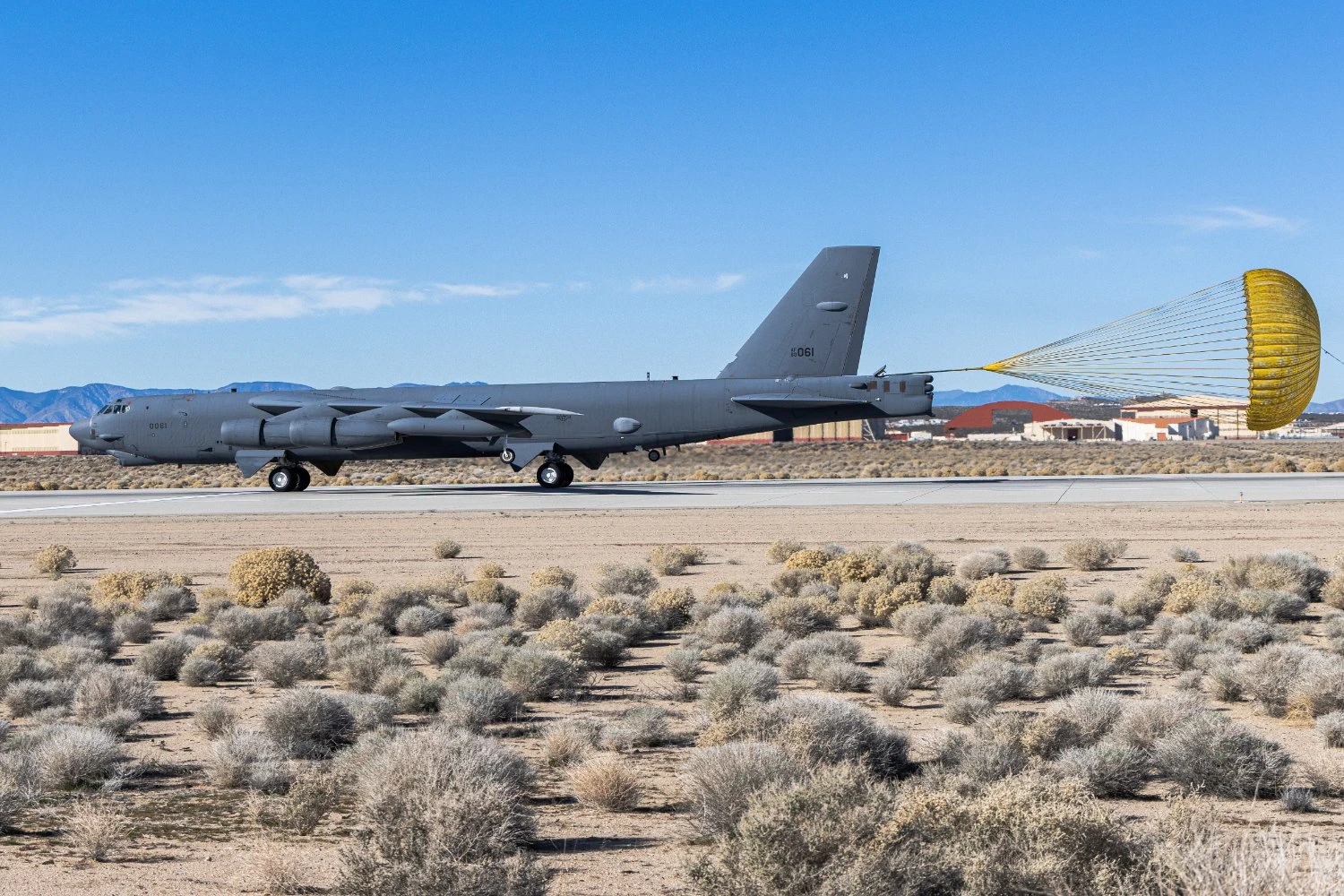
That B-52 crashed shortly after takeoff from Edwards on June 15, 2026, killing all eight personnel aboard. The cause remains under investigation, and there is no evidence establishing a connection between the accident and the new radar.
The Air Force has continued the modernization effort and plans to use a second B-52 assigned to the radar flight-test program, although the accident investigation could affect the testing schedule.
Fighter radar technology for B-52
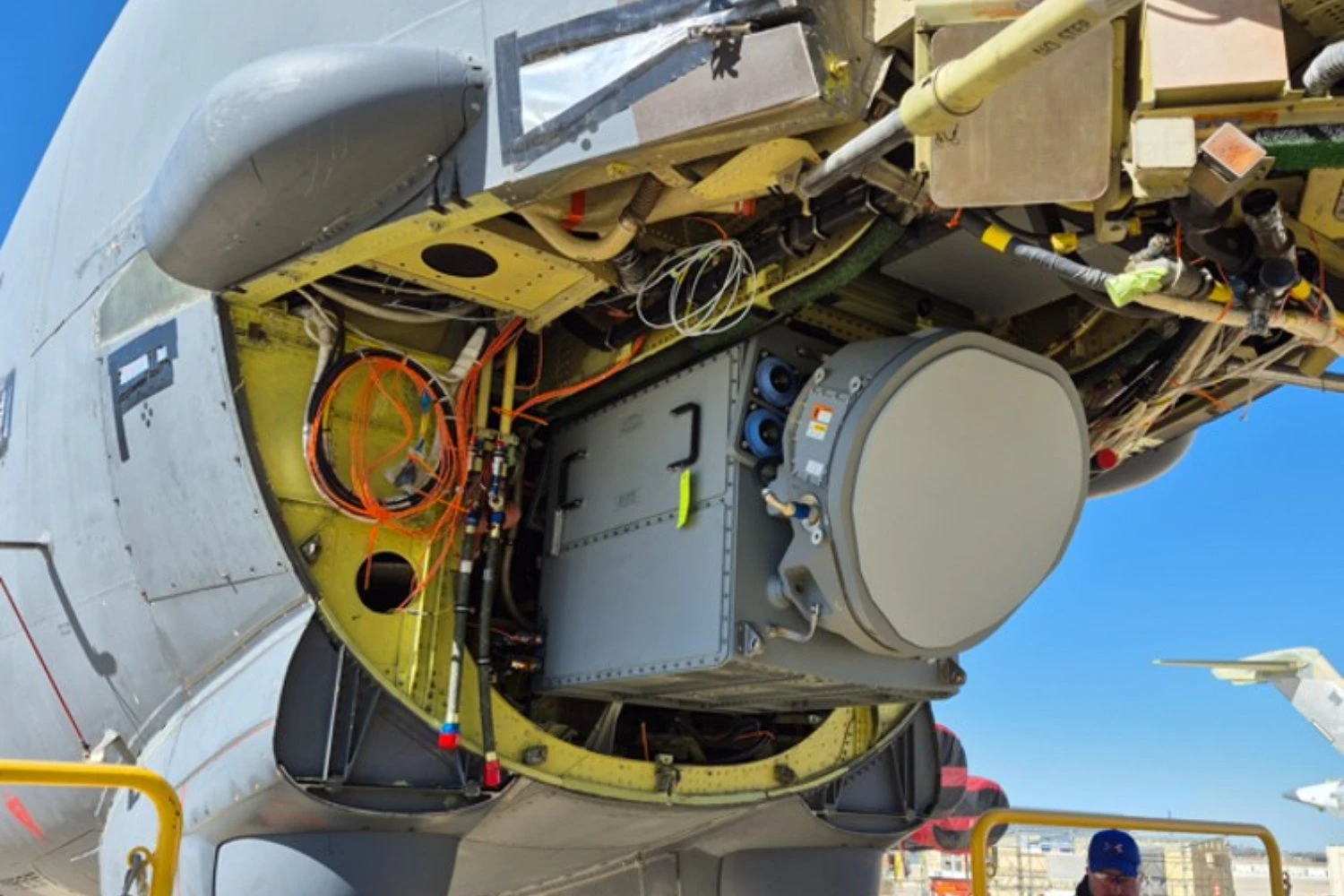
The AN/APQ-188 will replace the mechanically scanned AN/APQ-166 currently installed on the B-52H.
Raytheon's new active electronically scanned array system incorporates technology associated with two modern fighter radars. Its sensor technology is derived from the APG-79 used by the F/A-18E/F Super Hornet and EA-18G Growler, while processing elements are related to the APG-82 installed on the F-15E.
The radar is intended to improve navigation, weather detection, situational awareness and target acquisition for conventional and nuclear missions.
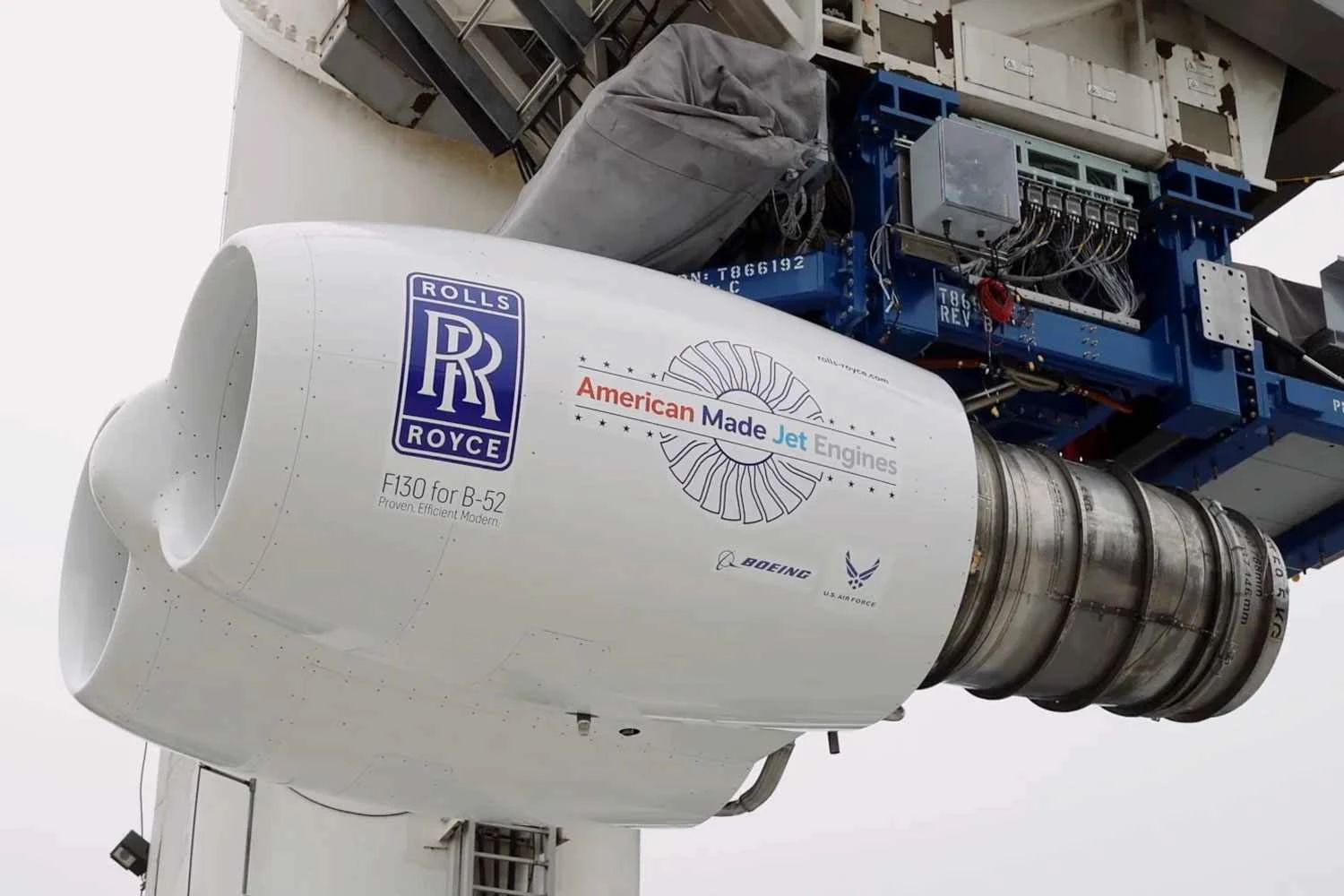
Radar modernization is one of several major changes planned to keep the B-52 operational into the 2050s. The aircraft will also receive Rolls-Royce F130 engines and other systems under the broader modernization effort that will eventually result in the B-52J designation.