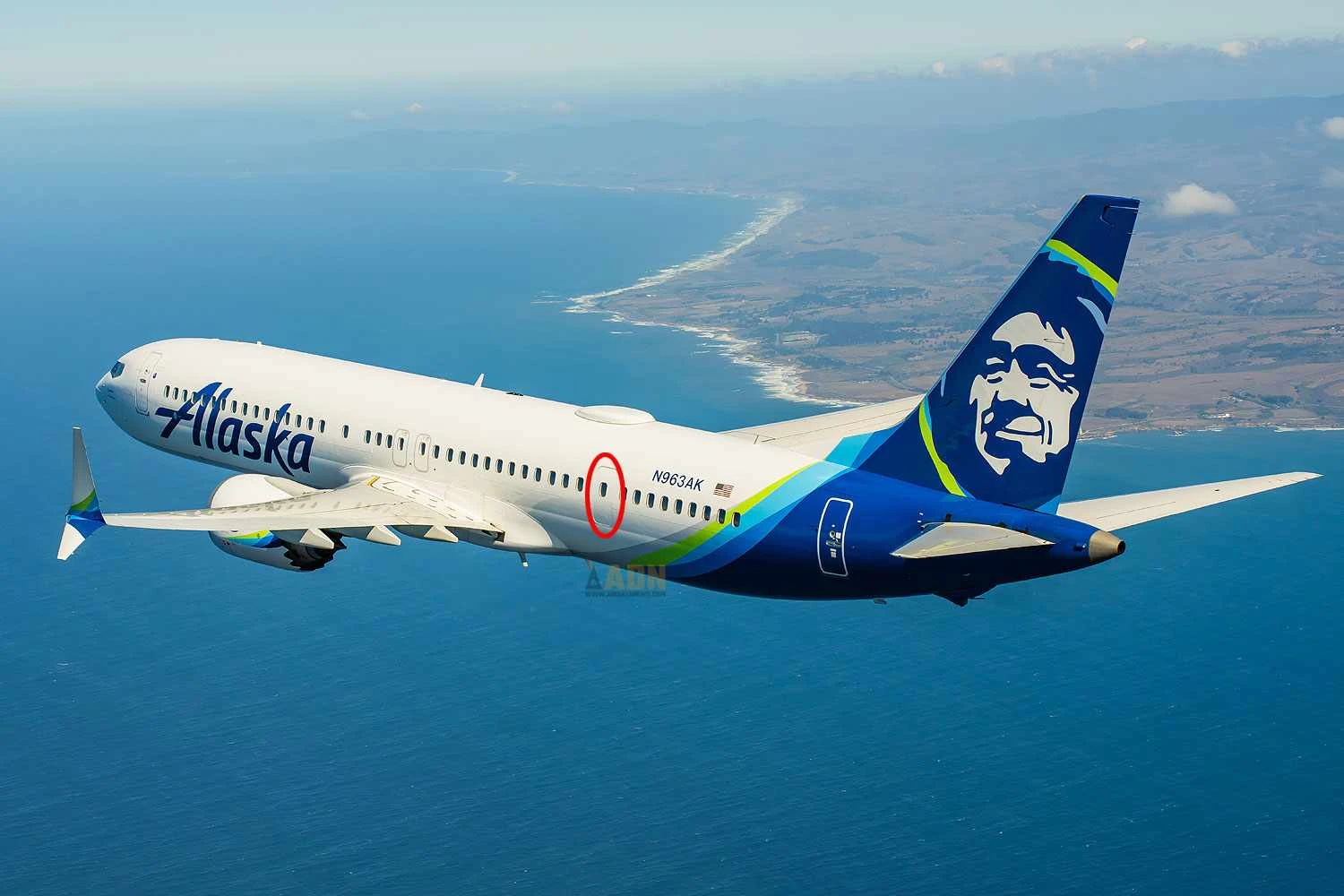
Boeing paid a US$3.1 million fine to the US Federal Aviation Administration (FAA) over hundreds of safety and quality violations, an amount that represented the maximum civil penalty the regulator was allowed to impose under existing law.
The payment was made in January 2026 but had not previously been disclosed. The FAA confirmed the payment to Reuters on Wednesday, September 2, while Boeing separately confirmed to the news agency that it had paid the full US$3.139 million sought by the regulator.
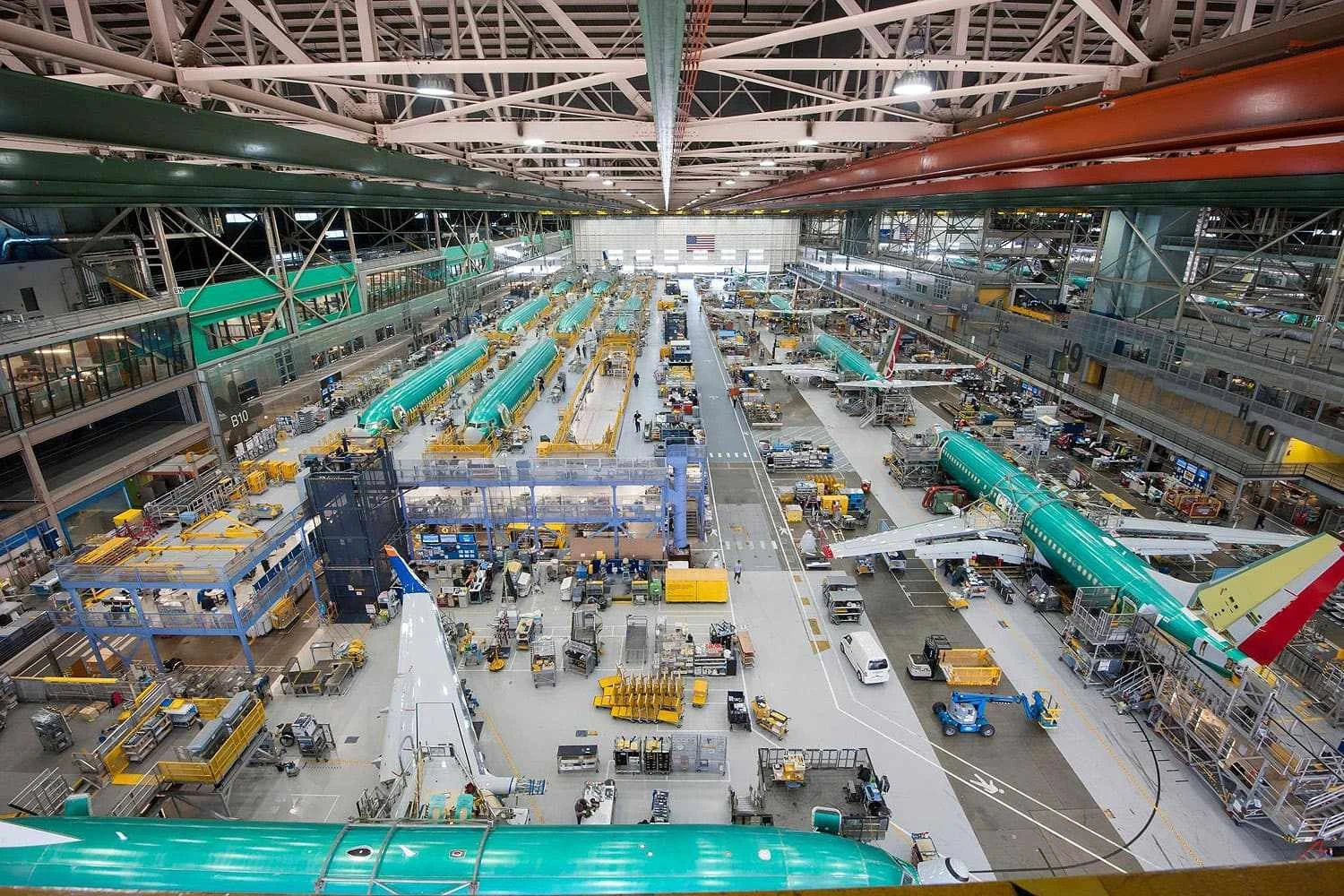
The relatively small amount contrasts with the scale and nature of the violations identified by the FAA. When it proposed the penalty in September 2025, the regulator said it had found hundreds of quality-system violations at Boeing's 737 factory in Renton, Washington, and at the Spirit AeroSystems 737 fuselage plant in Wichita, Kansas.
The violations occurred between September 2023 and February 2024 and included issues connected with the January 2024 Alaska Airlines 737 MAX 9 door-plug accident.
Follow Air Data News: WhatsApp | Instagram | LinkedIn | Twitter | Facebook
At the time, the FAA said it had used its "maximum statutory civil penalty authority consistent with law," meaning the US$3.1 million proposed against Boeing was the maximum amount available to the agency under the applicable legal provisions.
Two unairworthy aircraft presented to FAA
Among the violations, Boeing presented two aircraft that were not airworthy to the FAA for airworthiness certificates and failed to follow its own quality system, according to the regulator.
The FAA also found interference with personnel responsible for carrying out regulatory functions on its behalf.
In one case, a Boeing employee who was not a member of the company's Organization Designation Authorization (ODA) unit pressured an ODA representative to approve a 737 MAX so the manufacturer could meet its delivery schedule. The representative had determined that the aircraft did not comply with applicable standards.
The ODA system delegates some certification functions to qualified company employees, who are required to perform those duties independently on behalf of the FAA rather than in the interests of their employer.
US Senator Richard Blumenthal previously criticized the size of the penalty. Reuters cited the Democratic senator as saying such fines could easily be absorbed by Boeing as a cost of doing business rather than act as a meaningful deterrent.
Blumenthal had chaired a Senate investigation into Boeing's safety and manufacturing practices following the Alaska Airlines accident and testimony from company whistleblowers.
MAX 9 accident triggered scrutiny
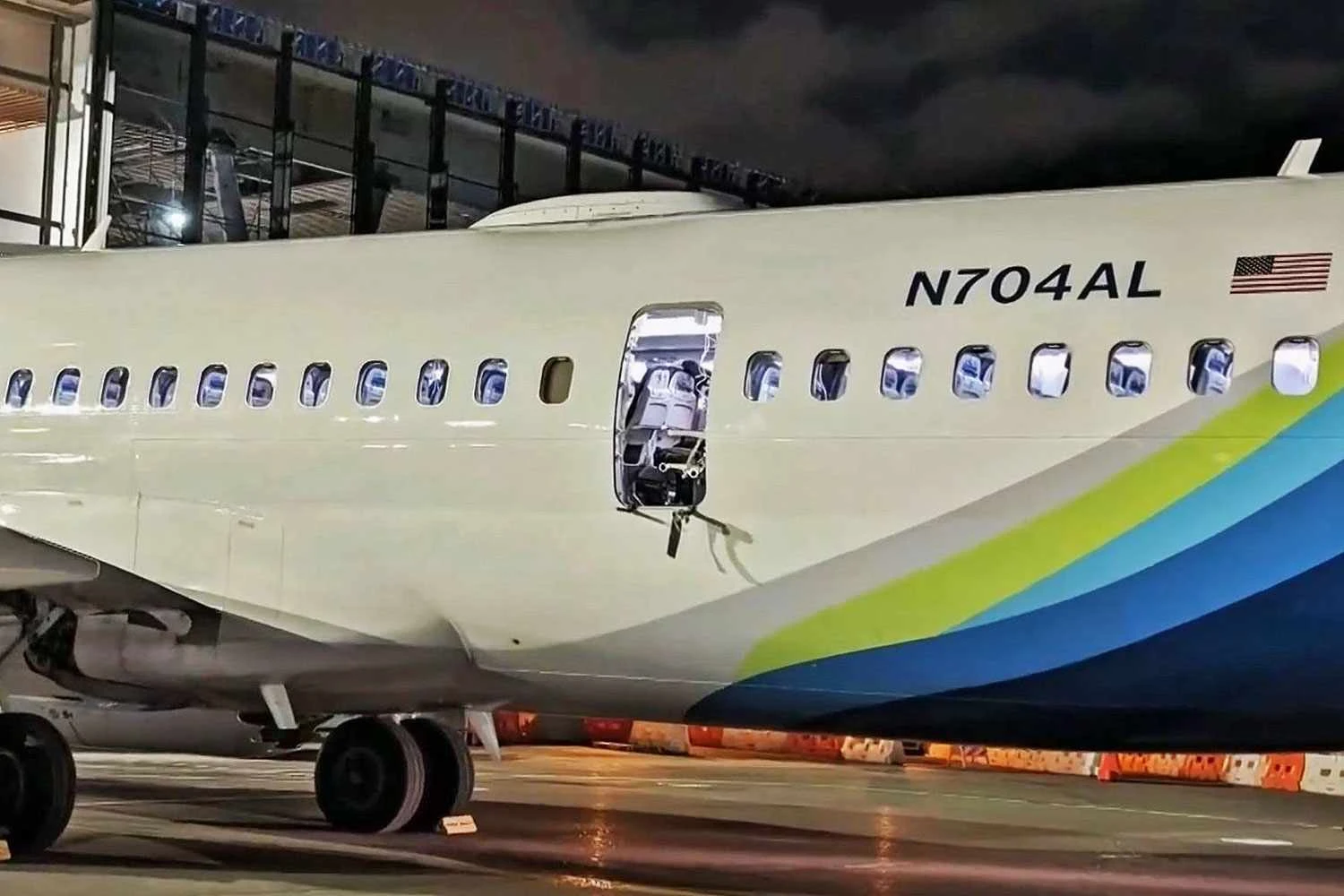
The FAA investigation covered the period surrounding the January 5, 2024 accident involving an Alaska Airlines 737 MAX 9.
A door plug separated from the aircraft shortly after departure from Portland, Oregon, causing rapid decompression. Investigators later determined that four bolts intended to prevent the plug from moving upward were missing.
The accident led to the temporary grounding of 737 MAX 9 aircraft and intensified regulatory scrutiny of Boeing's manufacturing and quality-control processes. The FAA subsequently imposed a production cap of 38 737 MAX aircraft per month, which remained in place until October 2025.
Recent news
September 21, 2026
September 21, 2026
September 21, 2026
Boeing's manufacturing oversight has since changed. In July 2026, the FAA said it would again allow the company to issue airworthiness certificates for all 737 MAX and 787 aircraft after what the regulator described as months of reviews that demonstrated consistent production quality.
The US$3.1 million penalty, however, concerned violations identified during the earlier period of heightened scrutiny. Its payment remained undisclosed for approximately eight months until the FAA confirmed it in response to Reuters.