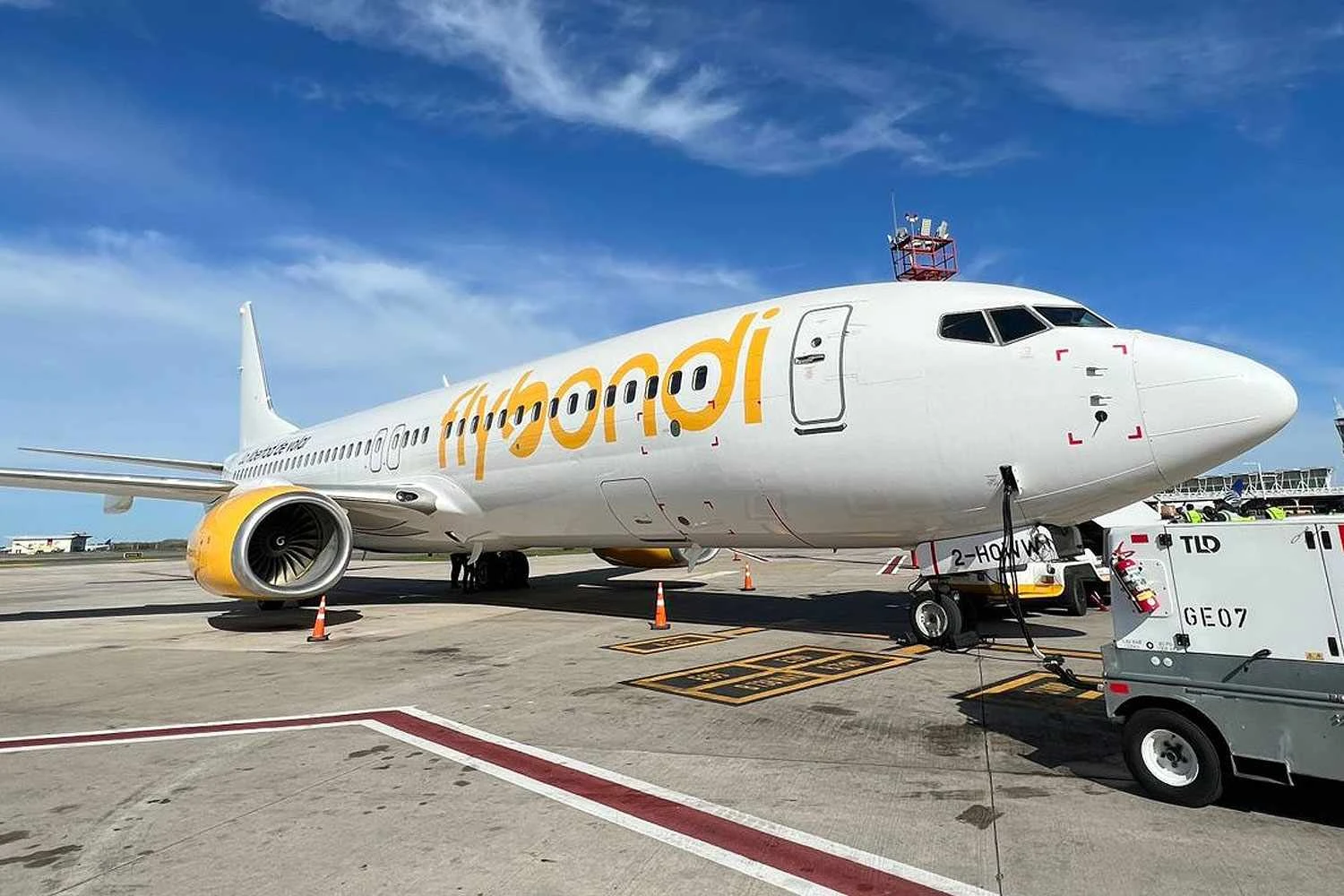
Argentine low-cost carrier Flybondi is facing renewed scrutiny after failing to pay employee salaries for March, adding to operational and financial pressures that have intensified in recent months.
The airline acknowledged the delay internally, attributing it to “administrative reasons” and stating that payments would be made in the coming days. Management described the situation as exceptional, noting that the company had not previously missed payroll obligations during its eight years of operation.
The issue prompted a response from the Flybondi Aviation Workers Association (ATAF), which announced a staff assembly scheduled for April 13 at Ezeiza Airport.
https://x.com/TFlybondi/status/2043514807446311040
Union representatives have also warned of potential industrial action if the situation is not resolved, citing growing uncertainty among employees and a lack of clear communication from the company.
The salary delay comes amid a period of instability for Flybondi. In March, the airline experienced widespread disruptions after several aircraft operated under ACMI leasing agreements were temporarily grounded during contract renegotiations. The episode led to a high number of cancellations and delays across its domestic network.
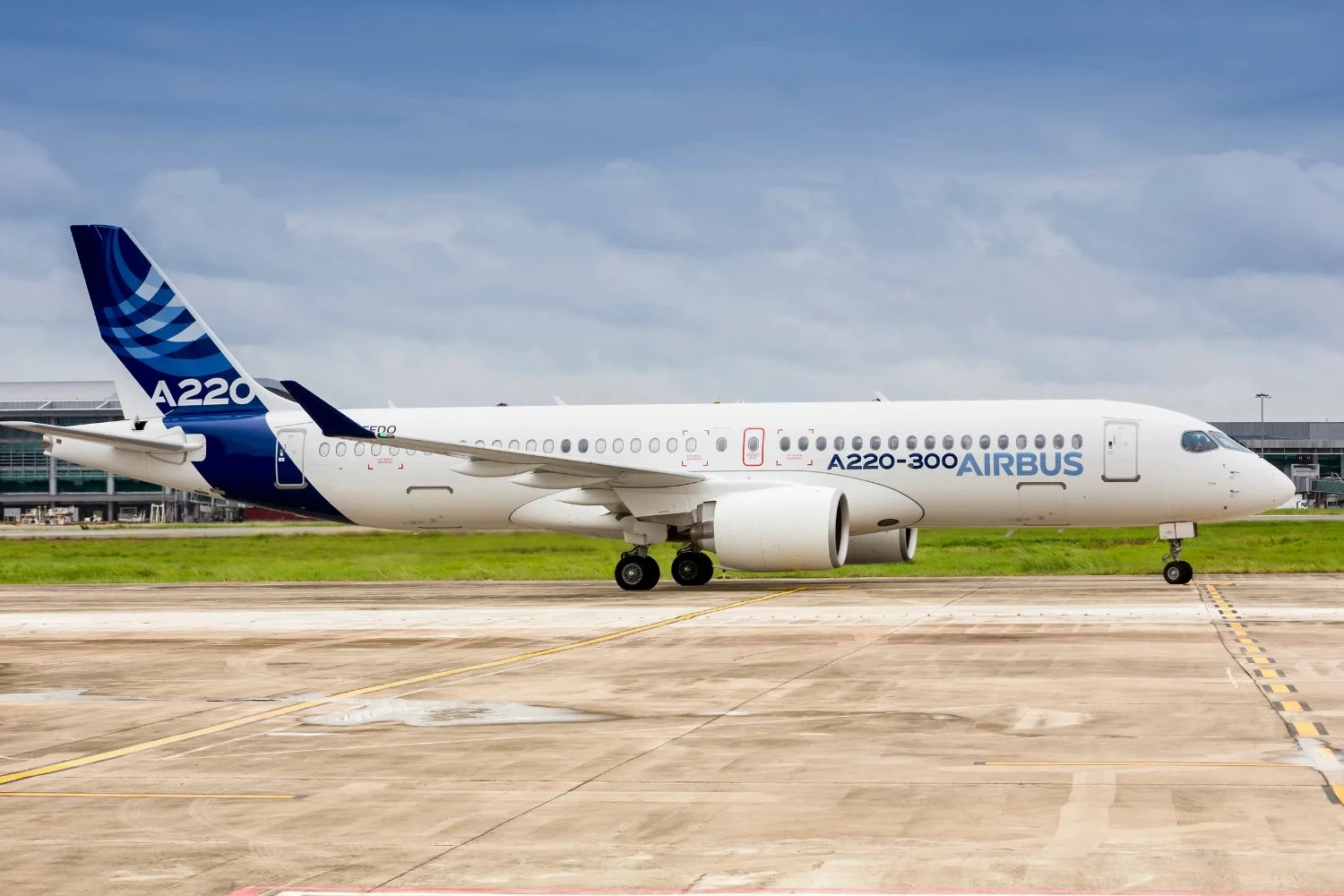
Boeing 737 MAX and Airbus A220 planned
At the same time, the company has been adjusting its route structure and workforce. According to local media reports, Flybondi may have launched voluntary redundancy programs and could be suspending services to southern destinations such as Ushuaia, El Calafate and Puerto Madryn during the low season, despite having previously sold tickets for those routes.
Reports in Argentina also suggest that the current situation is unfolding less than a year after the airline was acquired by investment fund COC Global Enterprise, linked to businessman Leonardo Scatturice, who had announced plans to inject significant capital and expand the fleet.
Flybondi’s in-house fleet currently consists of 12 second-hand Boeing 737-800 aircraft, with an average age of nearly 18 years, while additional capacity has been supported through short-term ACMI agreements.
The combination of operational issues and financial constraints contrasts with the airline’s stated growth ambitions. Flybondi has outlined plans to expand beyond its current fleet, including potential operations with newer-generation aircraft such as the Boeing 737 MAX and the Airbus A220.
That strategy would mark a shift for the carrier, which has relied heavily on leased capacity to scale operations quickly. However, the recent disruption involving leased aircraft has exposed the risks of that approach, particularly when negotiations with suppliers affect fleet availability.
Flybondi operates in a challenging Argentine market, where costs are largely dollar-denominated while revenues depend on a volatile local currency. For ultra low-cost operators, maintaining low fares while managing these pressures remains a difficult balance, especially as the company works to normalize operations and address immediate financial obligations.