 Air Transport
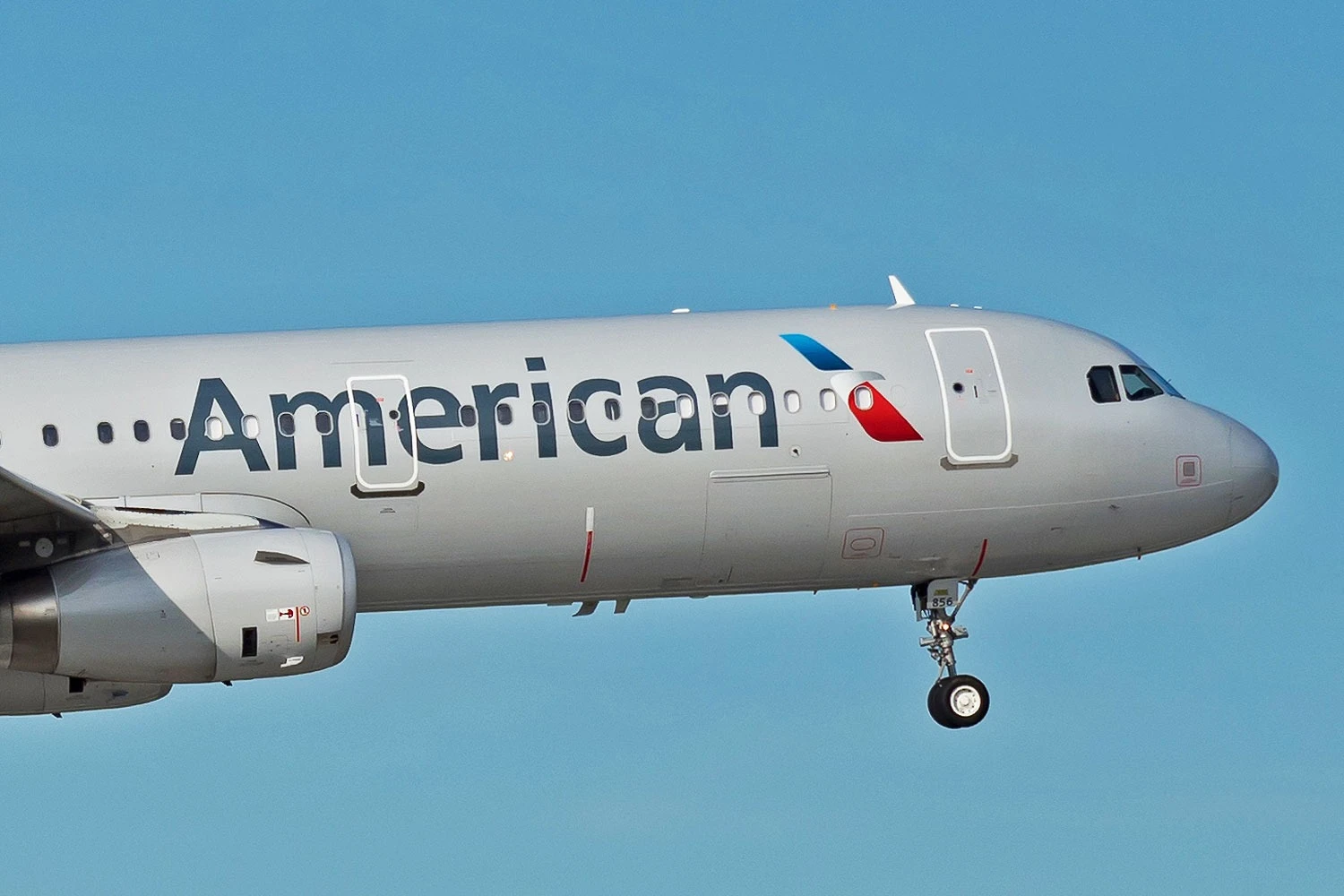
American Airlines has completed 42 transatlantic training flights between Philadelphia (PHL) and Edinburgh (EDI) using a standard Airbus A321neo, as part of preparations for introducing the A321XLR into its fleet in 2026.
Conducted from September 4 to 25, the flights were performed without passengers and served exclusively to train and qualify check pilots under Federal Aviation Administration (FAA) oversight. US agency inspectors participated in the initial legs to validate procedures for extended overwater operations.
Subsequent flights allowed check pilots to instruct the broader pilot group, ensuring operational readiness ahead of the airline’s transition to the long-range A321XLR.
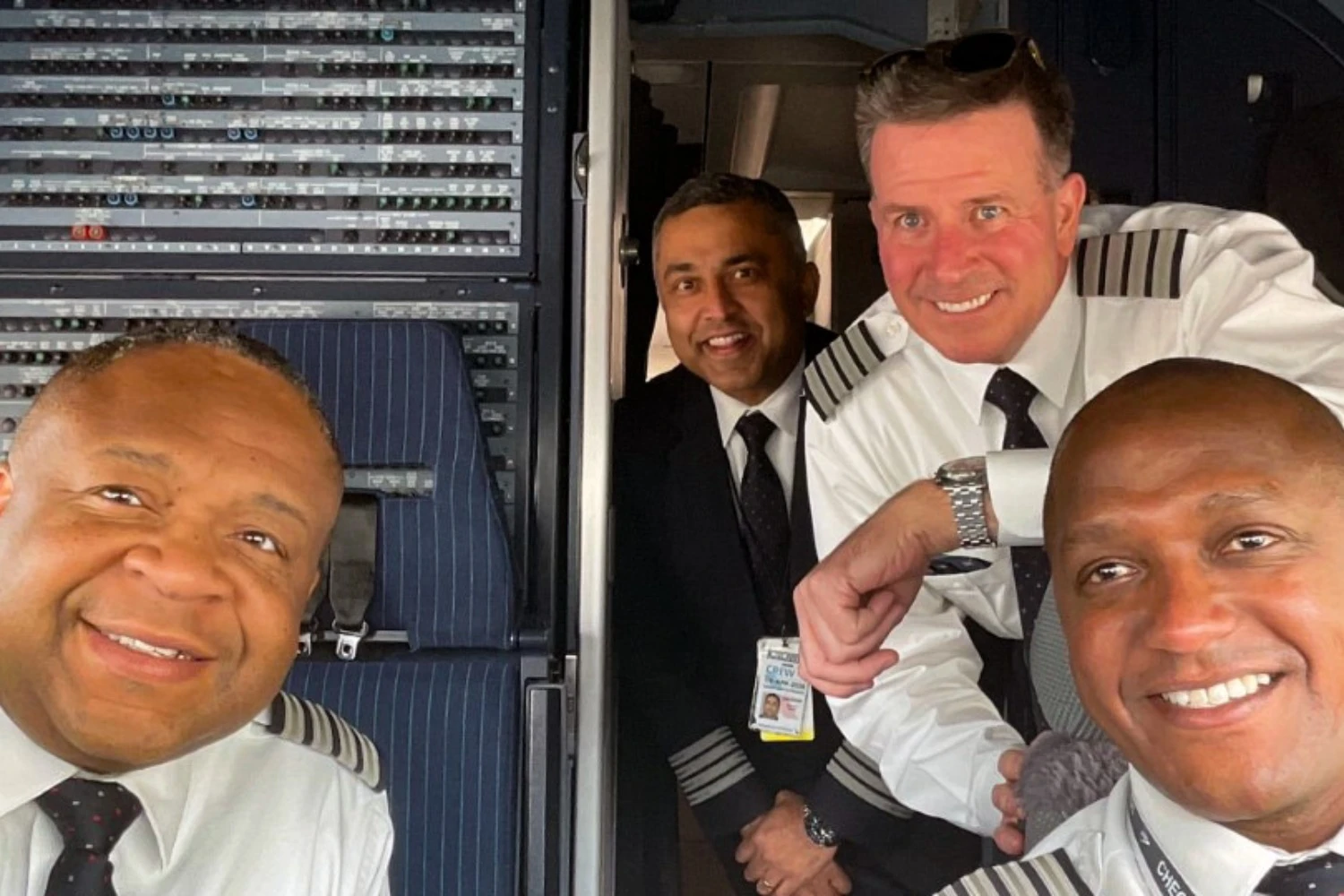
Although no A321XLRs have yet been delivered to the United States — American’s aircraft remain in Europe awaiting cabin installation — the training program enabled crews to gain hands-on experience with the A321neo platform and its transatlantic flight profile.
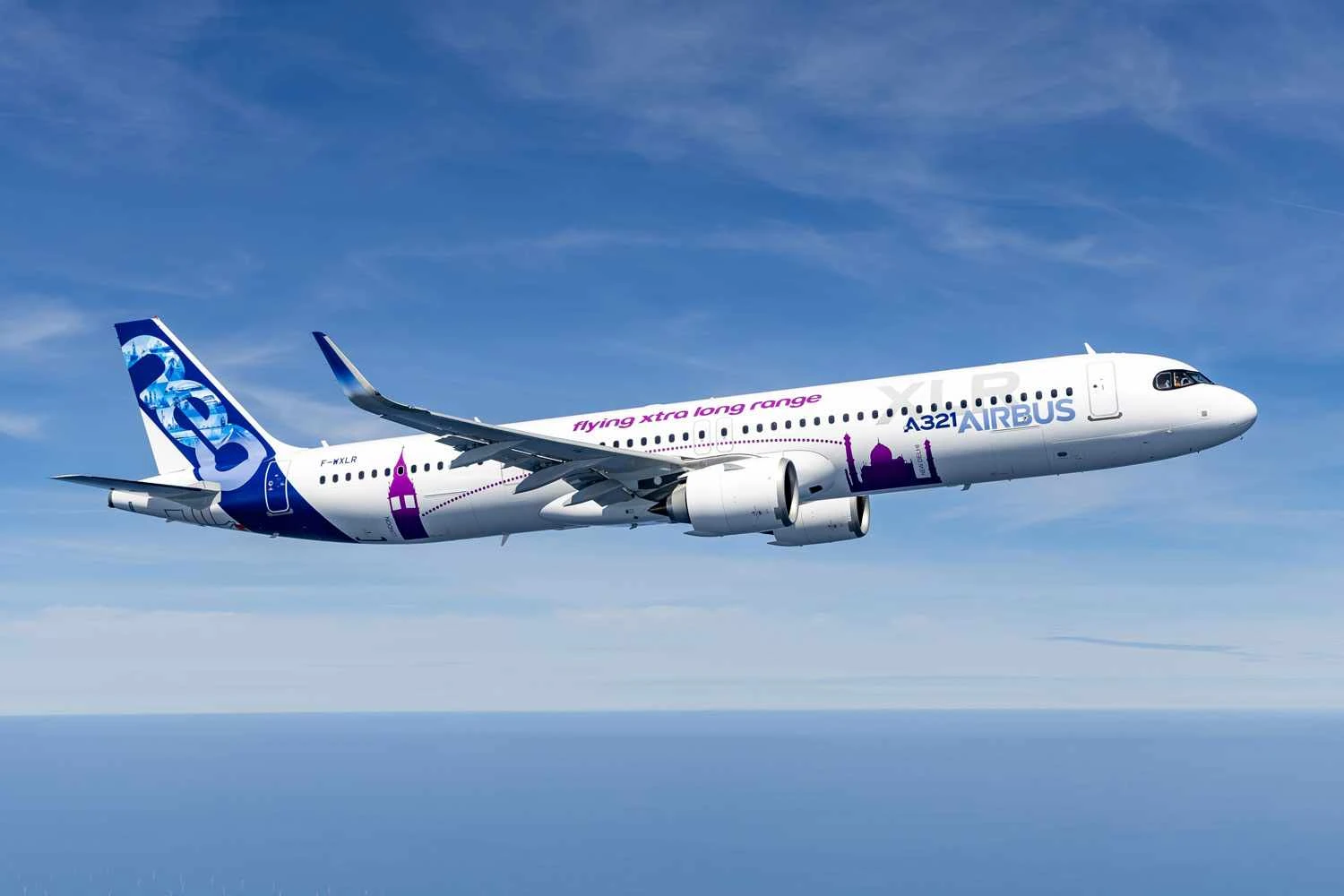
American plans to deploy the A321XLR on select long, thin international routes beginning in 2026, leveraging its 4,700-nautical-mile range to connect secondary U.S. cities with destinations in Europe.
Captain Josh Hall, representing American’s pilot leadership, described the program as “a milestone in preparing for a new era of narrowbody long-haul flying,” highlighting close collaboration between the airline and the FAA.
Further details on initial A321XLR routes and entry-into-service plans will be announced as deliveries near completion.