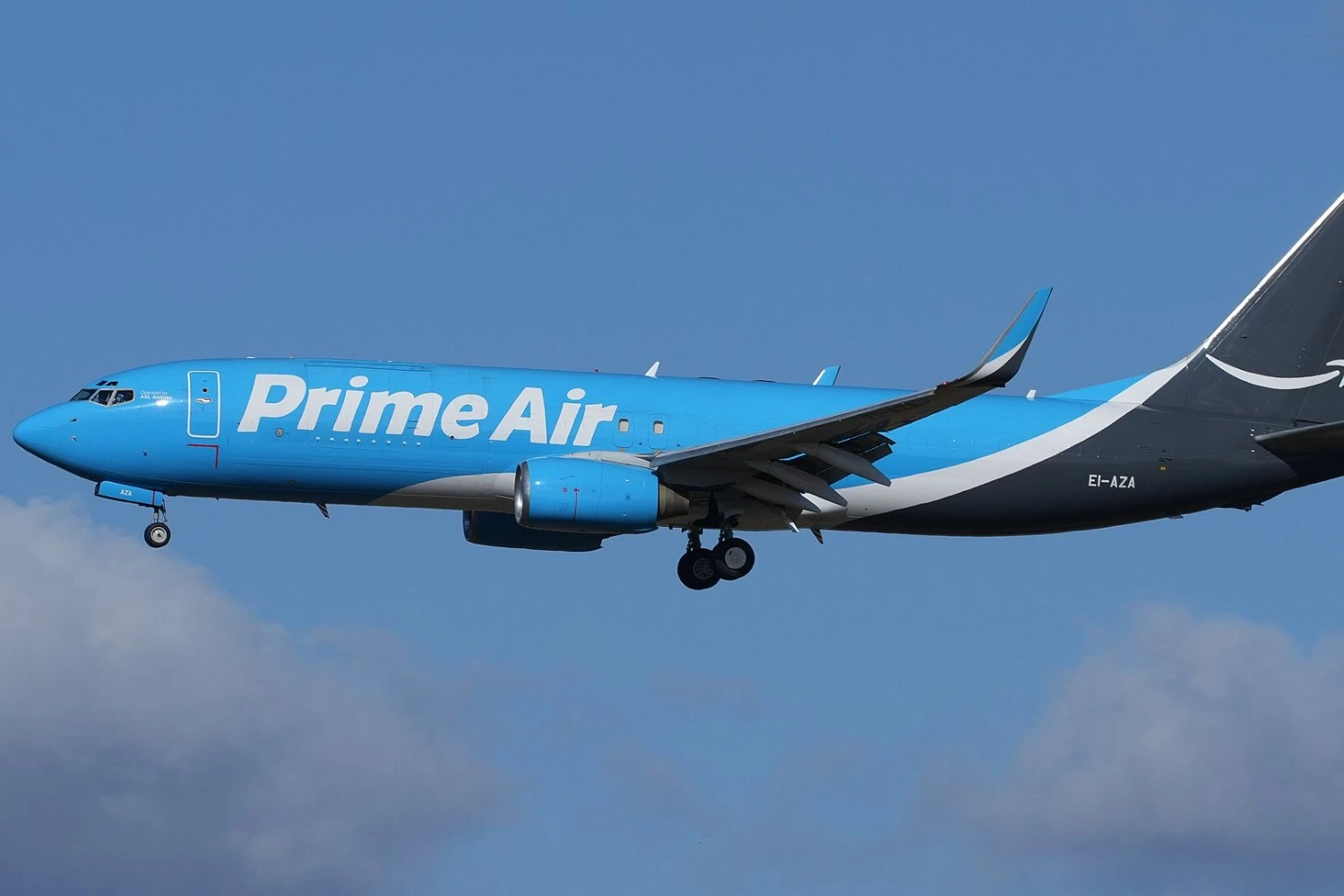
Aircraft painted in Amazon colors carry Amazon packages through a network planned by the e-commerce giant, but Amazon Air is not actually an airline. Its flights are operated by several independent carriers, which provide the crews and hold operational responsibility for the aircraft.
That arrangement has come under scrutiny after a Boeing 767 operated for Amazon by 21 Air crashed in Miami on September 6, killing five people on the ground. Investigators are examining the relationship between Amazon and the carrier as part of the inquiry.
Follow Air Data News: WhatsApp | Instagram | LinkedIn | Twitter | Facebook
Boom Supersonic founder Blake Scholl also questioned the model this week. He claimed Amazon Air has roughly 4.4 times the major accident rate and 18 times the fatal accident rate of global airlines per departure, and suggested subcontracting its flying to multiple carriers could be a factor.
Scholl did not provide the methodology or departure data behind those figures, preventing an independent verification. With only a small number of fatal accidents in the Amazon network, the rate is also highly sensitive to individual events.
https://x.com/bscholl/status/2097676970645676093
Amazon builds network, airlines operate flights
Amazon states in its own cargo terms that it is "not an air carrier." Instead, it contracts certified airlines including Air Transport International (ATI), ABX Air, 21 Air, Sun Country Airlines, Hawaiian Airlines, Cargojet, ASL Airlines and Quickjet.
Amazon nevertheless controls much of the commercial structure around those flights. Its network has more than 100 aircraft serving over 70 airports in North America, Europe and Asia, while an internal organization called Fleet, Aviation Sourcing, and Technical (FAST) manages areas including aircraft, carrier sourcing, technical operations and ground services.
The operating airlines provide pilots, crew training, approved operating procedures and maintenance functions under their own certificates. Amazon's cargo terms explicitly give the pilot in command employed by the carrier final authority over flight safety.
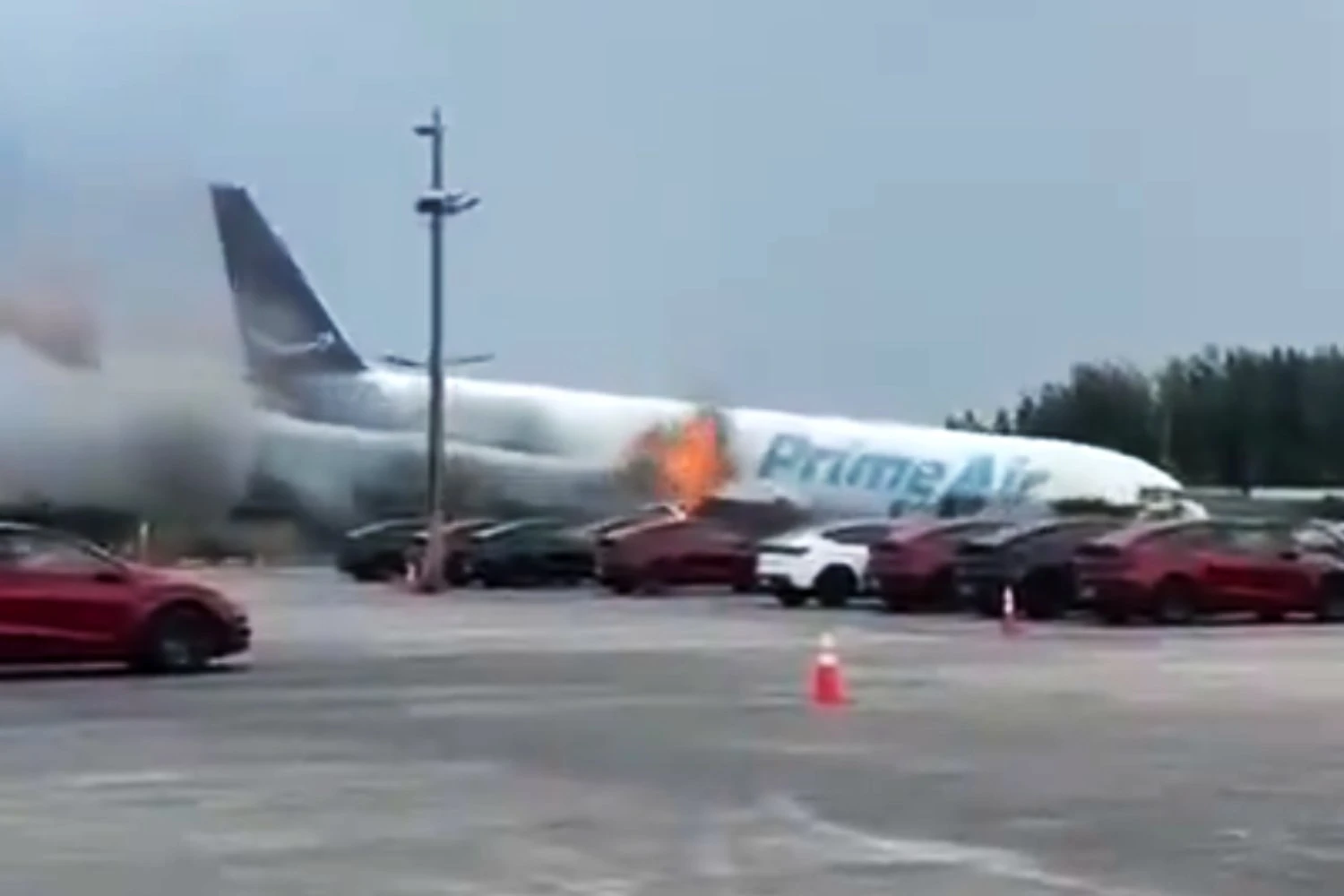
Even the aircraft themselves can pass through several companies. Amazon, for example, leased ten converted Airbus A330-300 freighters from Altavair and contracted Hawaiian to operate them. Hawaiian supplies crews, maintenance and insurance, while Amazon pays charges based on aircraft, flight hours and cycles and covers expenses including fuel.
A 2016 agreement with Atlas Air Worldwide was even more complex. Boeing 767s owned by leasing company Titan Aviation were leased to Amazon, which subleased them to Atlas for operation. Amazon has also had similar arrangements with Air Transport Services Group, and agreements with both groups included warrants allowing Amazon to acquire shares in the companies.
Same colors, different operators
The result is that two aircraft wearing essentially the same Amazon identity can be flown by completely different airlines. The operators range from large cargo specialists such as Atlas Air, ATI, ABX Air and Cargojet to smaller companies such as 21 Air.
That makes Scholl's description of them as "random tier 3 airlines" questionable, but leaves a relevant issue: what common safety standards and oversight does Amazon impose on carriers operating its network beyond the regulatory requirements each airline must meet?
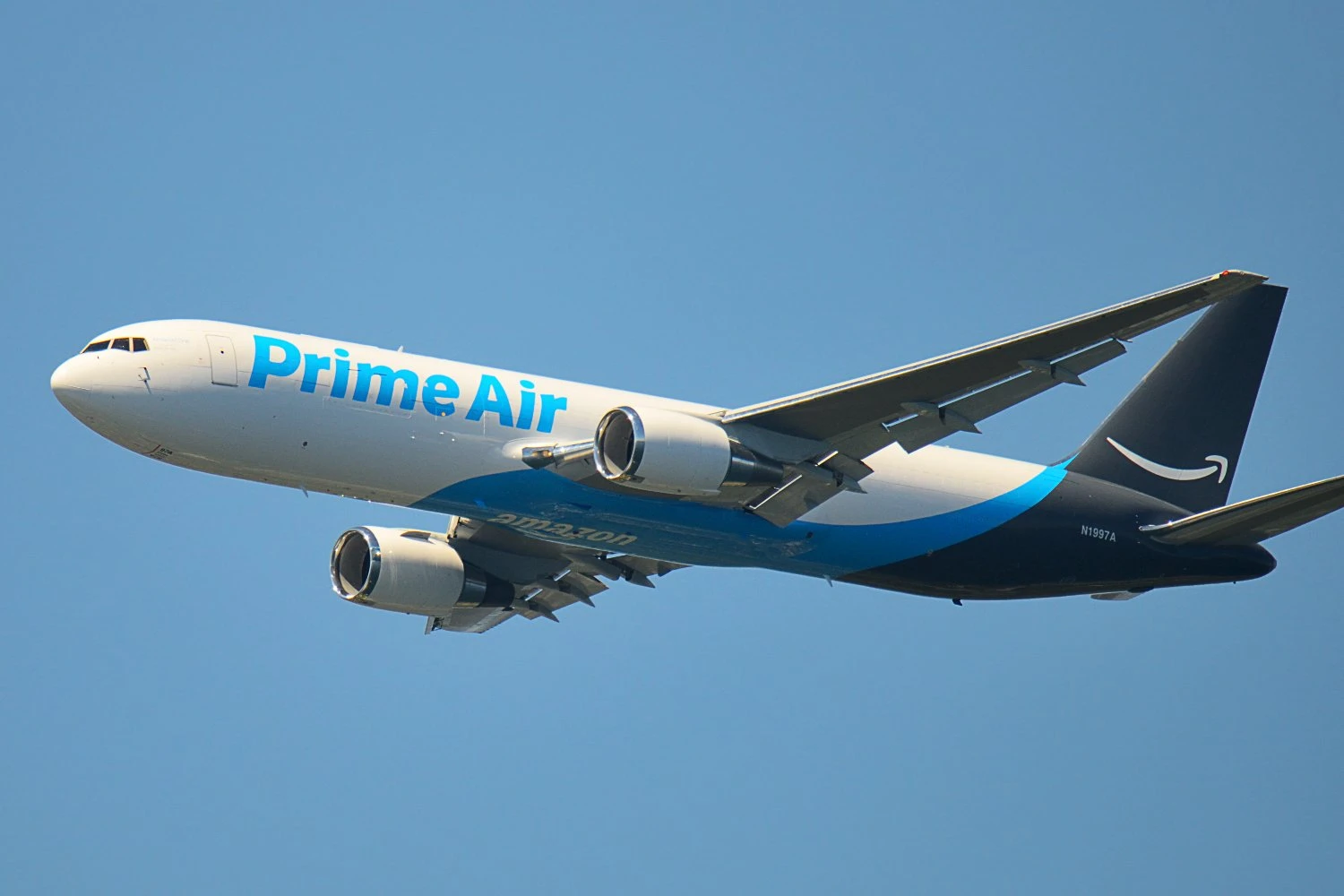
Three accidents involving Amazon flights illustrate why the question has emerged, although they do not establish a common cause.
Atlas Air Flight 3591, a 767 carrying Amazon cargo, crashed near Houston in February 2019, killing all three people aboard. The NTSB attributed the accident primarily to inappropriate actions by the first officer and also identified deficiencies in his evaluation and Atlas' pilot hiring process.
In November 2024, an Amazon-branded 767 operated by Cargojet overran the runway at Vancouver International Airport. The aircraft was substantially damaged, but there were no fatalities.
The September 6 accident in Miami involved 21 Air, a third operator. Its 767 overran the runway and struck vehicles beyond the airport boundary, killing five people on the ground. The NTSB has not determined a probable cause.
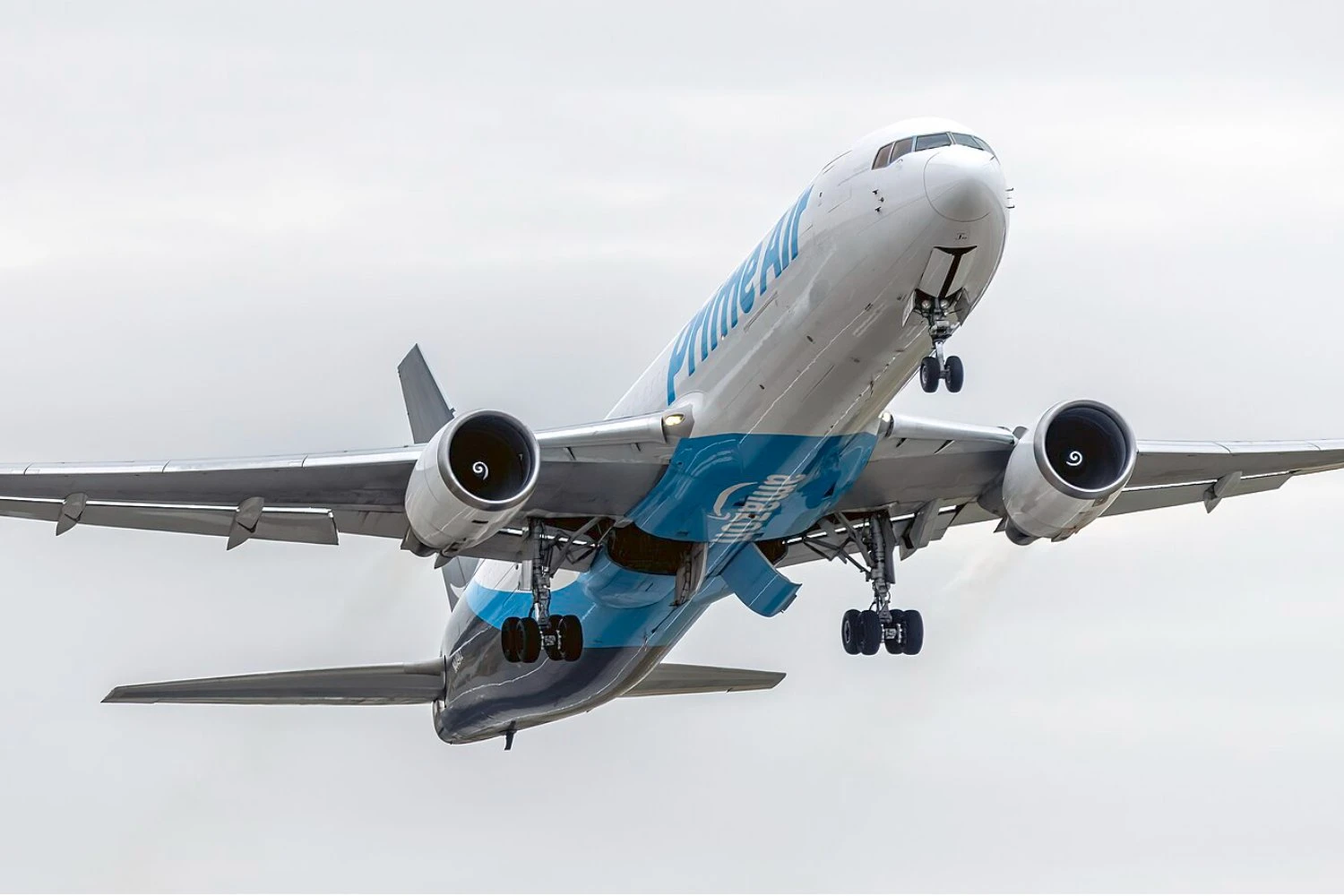
Miami investigation could clarify Amazon's role
The investigation is now examining the relationship between Amazon and 21 Air, including the oversight associated with flights performed within the Amazon network. There is so far no finding that the contracting model contributed to the accident.
Under the regulatory structure, operational control remains with the certificated airline even when Amazon supplies or leases an aircraft, purchases its capacity and incorporates the flight into its logistics network.
Amazon has meanwhile expanded the model beyond transporting its own packages. Amazon Air Cargo now sells airport-to-airport capacity to third-party shippers in the United States, Europe and India, while the flights continue to be performed by contracted airlines.