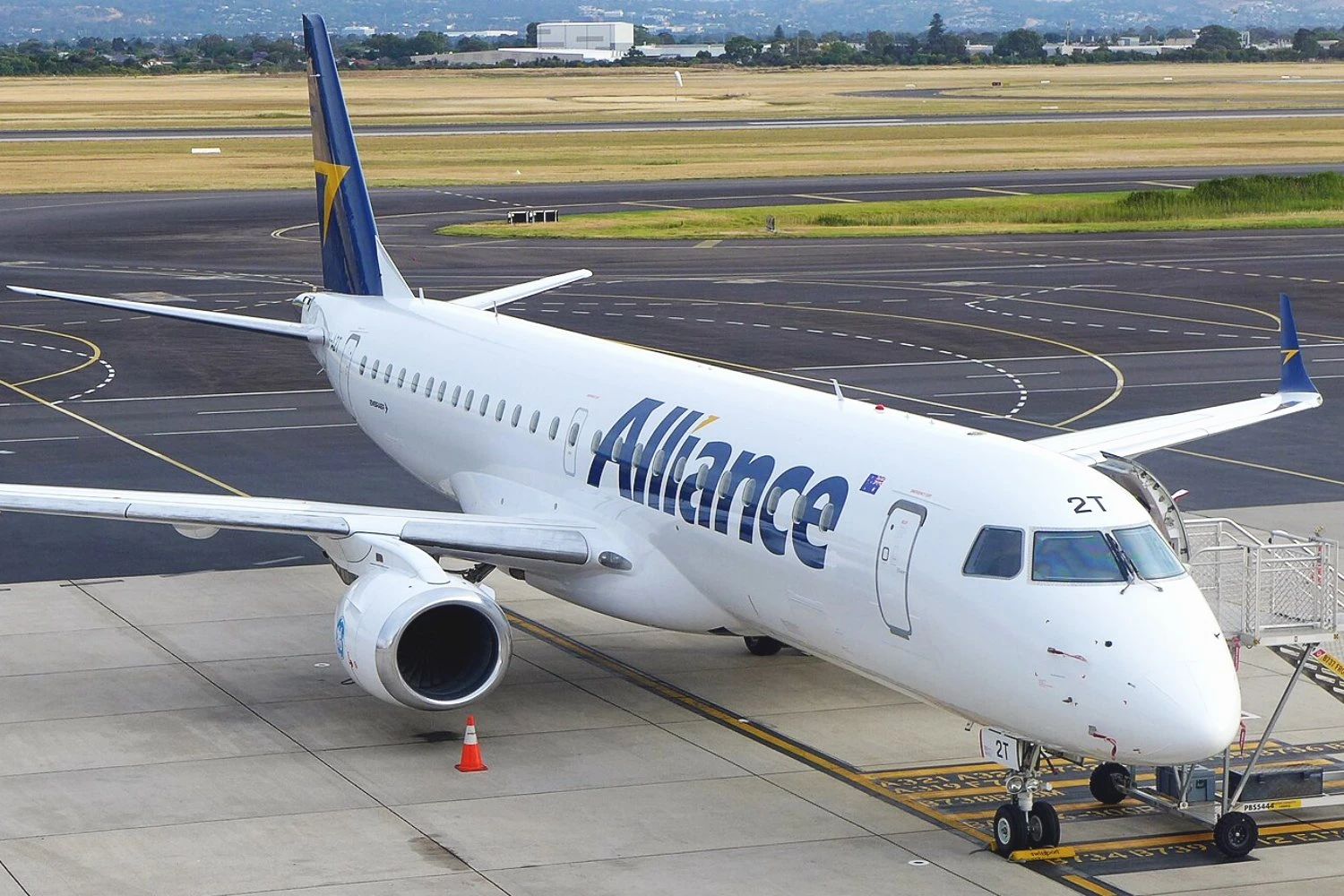
Alliance Airlines has renewed its component support agreement with Embraer as the E190 assumes a larger role in the Australian carrier's operations following a reduction in flying for Qantas and the planned replacement of its remaining Fokker 100s.
The new agreement covers repair support for the E190 fleet and is intended to improve aircraft availability while controlling maintenance costs. Alliance has operated the Brazilian-built regional jet since 2021 and now has the largest E190 fleet in Australia.
The airline turned to second-hand E190s after years of relying heavily on the Fokker 70 and Fokker 100. As the supply of suitable Fokkers and spare parts became increasingly limited, Alliance began acquiring used Embraer aircraft available on the international market.
The expansion was rapid. An initial batch included former Copa Airlines aircraft, followed by E190s previously operated by American Airlines and additional jets acquired from AerCap. Some later acquisitions were intended to provide engines and components rather than enter passenger service.
Follow Air Data News: WhatsApp | Instagram | LinkedIn | Twitter | Facebook
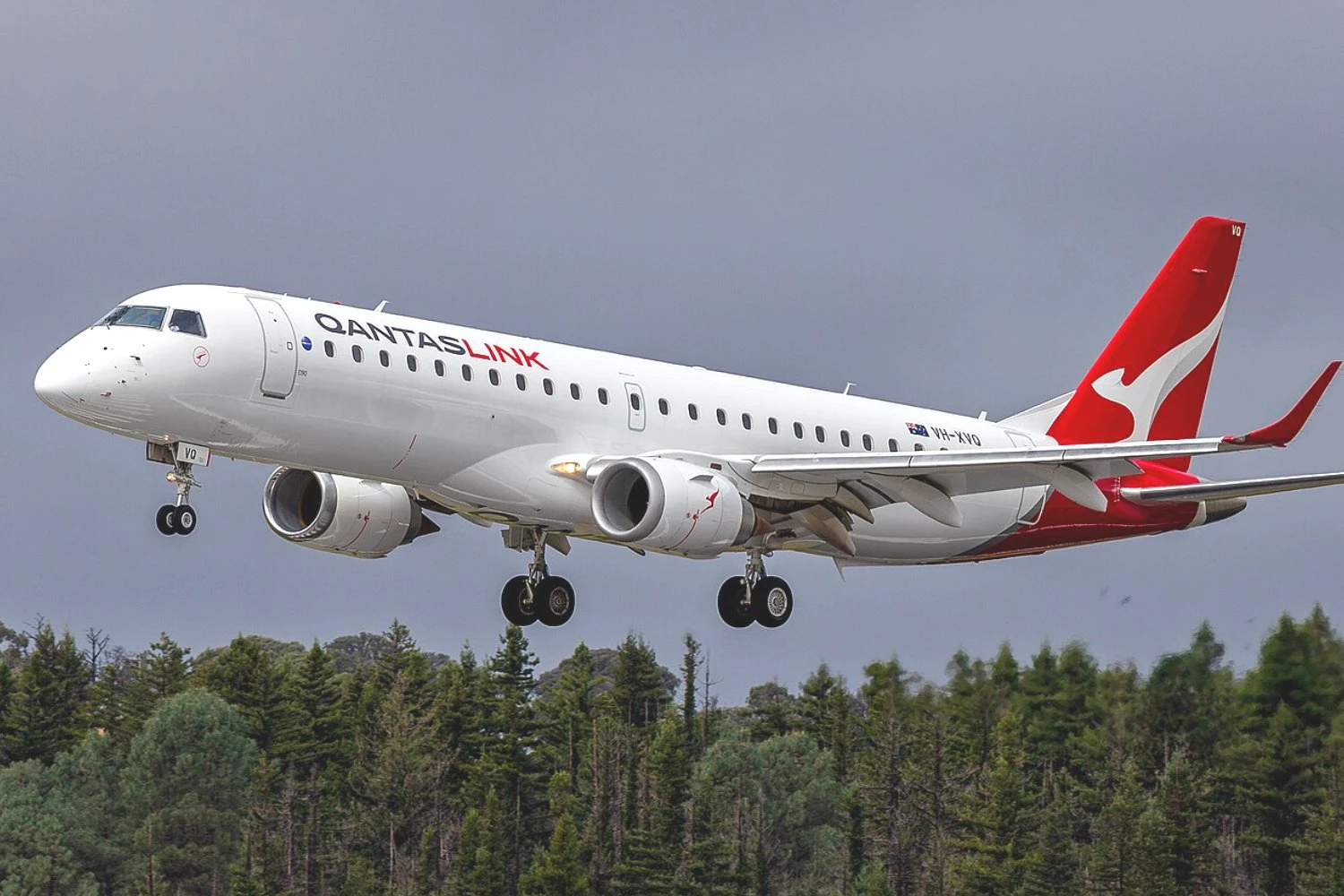
A significant portion of the operational fleet found a home with Qantas. Alliance operates E190s on behalf of QantasLink under a wet-lease agreement that grew from an initial commitment involving 14 aircraft to as many as 30.
That arrangement is now being reduced. Under revised terms announced this year, the number of E190s assigned to Qantas will fall to 23 by the end of fiscal 2027. The companies also agreed to lower flying hours while introducing higher rates and a new annual price adjustment mechanism.
The change will return aircraft to Alliance at the same time other E190s come back from dry leases. The airline has indicated that as many as 12 aircraft could become available as these changes take effect, giving it additional capacity for its own operations or other customers.
From Fokker to Embraer
Rather than reducing its dependence on the type, Alliance plans to use more E190s in its core fly-in fly-out (FIFO) business, which transports workers to mining and resource projects across Australia.
The strategy also addresses the declining economics of its Fokker fleet. Alliance still operates Fokker 70s and Fokker 100s, but earlier this year recorded approximately A$160 million in impairments related to the aircraft, engines and associated spare parts.

The carrier plans to progressively replace the Fokker 100 with the E190 through 2030. Fokker 70s could remain in service longer on missions where their capacity and operating characteristics remain suitable.
Embraer said nearly 70 E-Jets are now operated by six Australian carriers. The manufacturer sees the country as an important market for the family, particularly because regional flying and FIFO operations create demand for aircraft in the E-Jet capacity category.