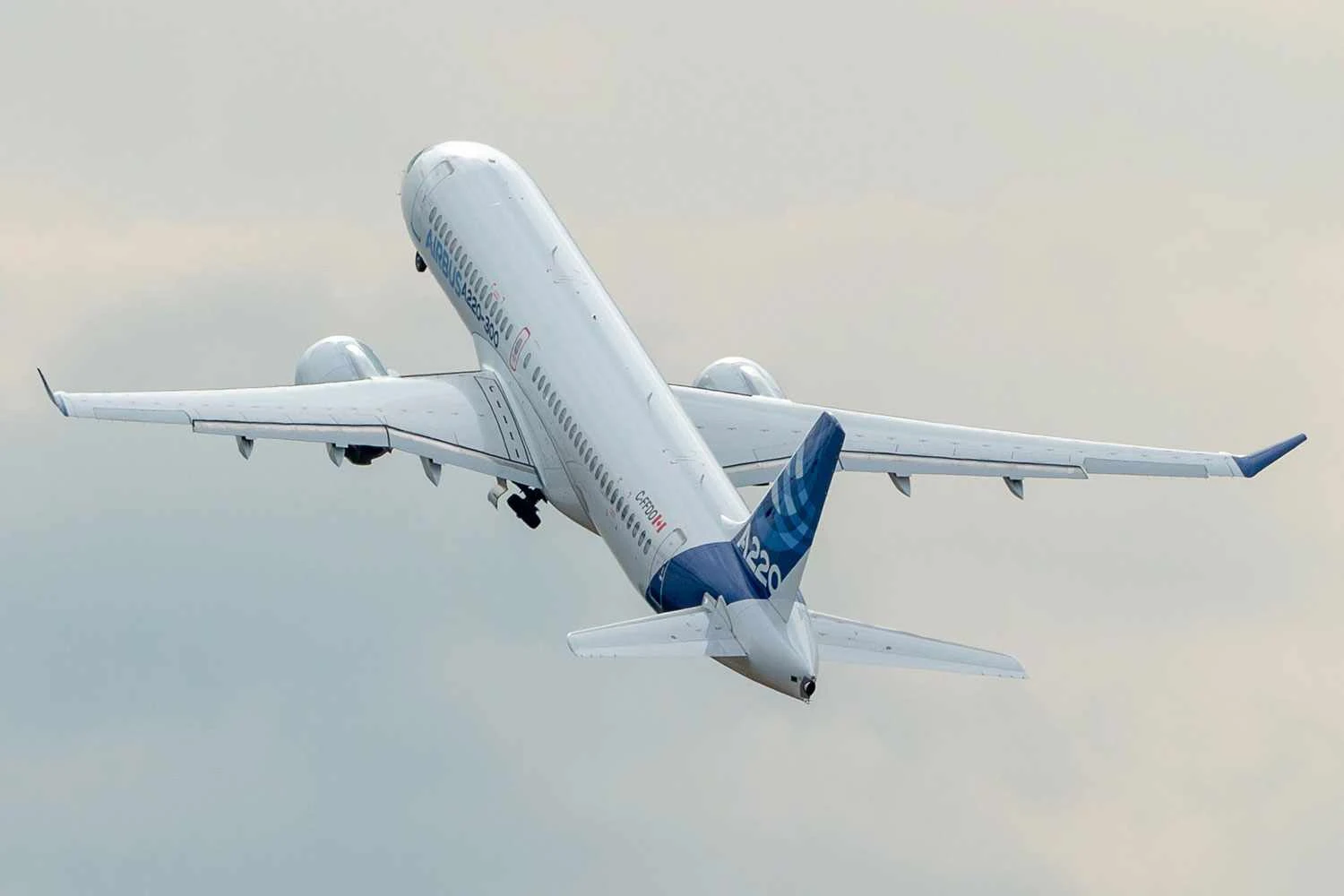
Airbus has announced plans to install its first A220 full-flight simulator in Asia-Pacific at its Singapore training center. The new facility will address the expected growth of the A220 fleet in the region over the next several years.
The simulator will be installed at the Airbus Asia Training Centre (AATC) at Seletar Aerospace Park and is scheduled to become operational in the fourth quarter of 2027. The facility is a joint venture between Airbus and Singapore Airlines.
Follow Air Data News: WhatsApp | Instagram | LinkedIn | Twitter | Facebook
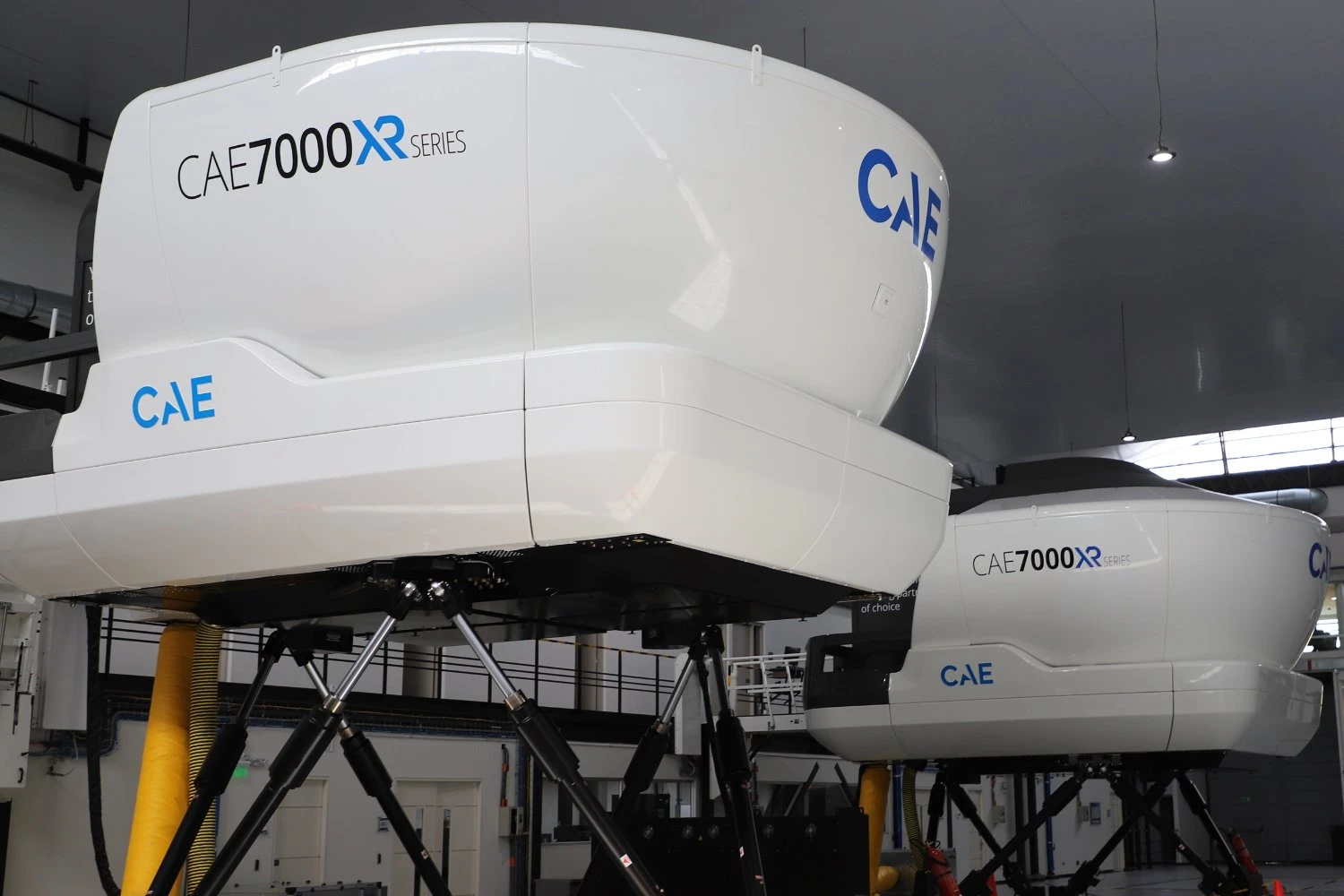
Deployment of the simulator will be carried out with Flight Training Alliance, a joint venture between CAE and Lufthansa Aviation Training that serves as an Airbus-authorized training provider for the A220.
Flight Training Alliance will provide the full-flight simulator, while AATC will operate the device and deliver training. The companies plan to offer initial type ratings and recurrent training for flight crews, supported by A220 instructors and technical personnel.
The Singapore facility can train up to 10,000 people annually and currently has 10 full-flight simulator bays. Four are allocated to the A350, two to the A320 and one each to the A330 and A380. Another houses an ATR 72-600 simulator.
The dedicated training capacity is particularly relevant because the A220 has a separate pilot type rating from other Airbus commercial aircraft. Despite being sold as part of the Airbus product range since the manufacturer took control of Bombardier's CSeries program in 2018, the A220 does not share the common cockpit and type-rating architecture used across the Airbus A320, A330 and A350 families.
A220 largest order
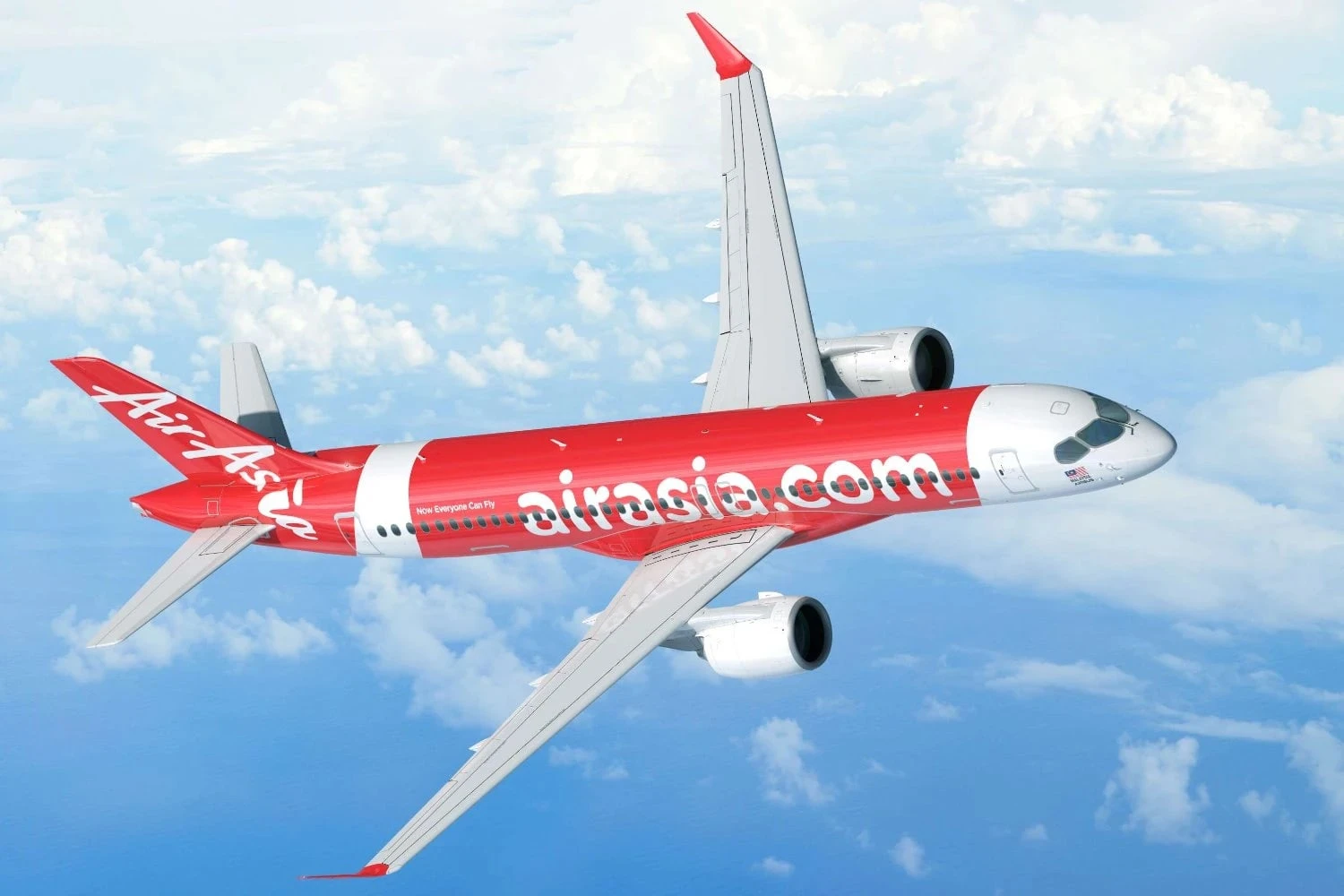
The timing puts the simulator in service shortly before Malaysian low-cost carrier AirAsia is scheduled to begin receiving 150 A220-300s in 2028. The agreement, placed in May, is the largest single firm order for the aircraft and will make AirAsia by far the largest A220 customer in Asia-Pacific.
AirAsia will also become the first operator of a new 160-seat configuration of the A220-300, which adds 10 seats compared with the previous maximum capacity. The airline plans to deploy the aircraft across Southeast Asia and the Asia-Pacific region, particularly on lower-demand routes where its larger A320 and A321 aircraft may provide more capacity than required.
The Malaysian group also holds options for another 150 A220-family aircraft. AirAsia has indicated that it is interested in using those options for the proposed larger A220-500 if Airbus launches the variant.
Existing A220 operators
AirAsia will join an existing but still relatively small group of A220 operators in Asia-Pacific. Australia's Qantas Group has ordered 29 A220-300s for regional subsidiary QantasLink to replace its Boeing 717 fleet. The Australian carrier has been progressively introducing the aircraft across its domestic network, with the A220 configured for 137 passengers.
Korean Air is another established operator, with 10 A220-300s in its fleet. The South Korean airline has operated the type since its Bombardier CSeries era and uses a 140-seat configuration.
The A220 has also recently gained a larger presence immediately north of Australia. Papua New Guinea's Air Niugini introduced its first aircraft in September 2025 and is building an 11-aircraft fleet comprising A220-100s and A220-300s acquired directly from Airbus and through lessors.
Air Niugini initially deployed the aircraft domestically before introducing the A220-300 on international services, including flights to Australia.
Airbus said 532 A220s had been delivered to more than 25 operators worldwide by the end of July, while total orders had surpassed 1,100 aircraft. The manufacturer sees further potential for the type in Asia-Pacific as airlines develop routes connecting smaller cities that cannot necessarily support larger narrowbody aircraft.