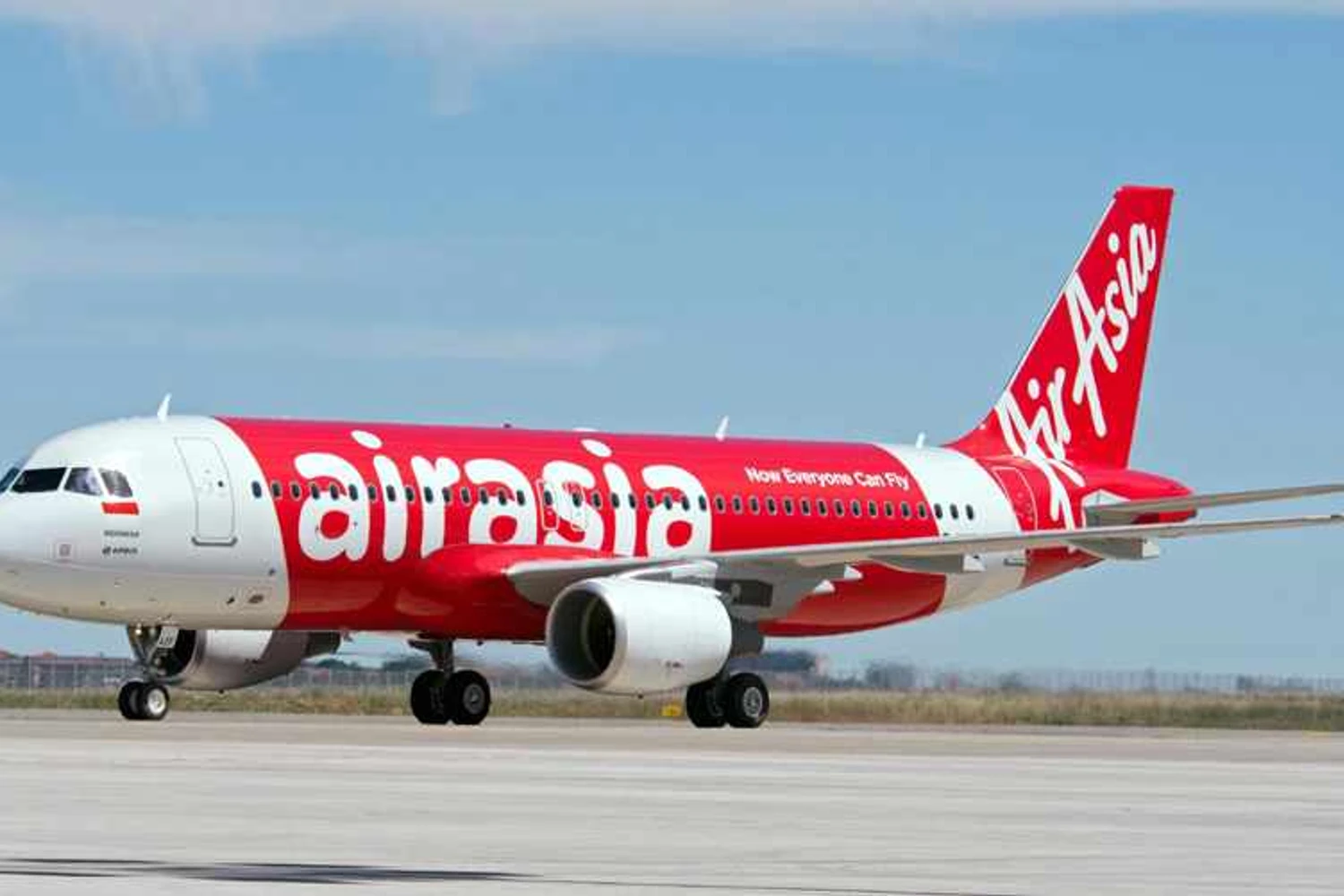
AirAsia is holding discussions with the Malaysian government as the airline seeks to raise RM4.2 billion (US$1 billion) in new funding amid financial pressure and higher operating costs.
Three people familiar with the discussions said the government and AirAsia had discussed potential support for the fundraising effort, Reuters reported. The talks took place in late September and could involve conditions that have yet to be determined.
AirAsia co-founder Tony Fernandes confirmed that meetings had taken place but denied asking the government for financial assistance. He said discussions focused instead on high operating costs, including fuel and airport charges, as well as improving access to financing from Malaysian banks.
The airline plans to raise RM4.2 billion (US$1 billion) between December and February. About half would be used to refinance expensive existing debt, with the remainder intended for working capital and outstanding obligations.
Follow Air Data News: WhatsApp | Instagram | LinkedIn | Twitter | Facebook
Malaysia's Ministry of Finance has hired Alton Aviation Consultancy to assess AirAsia's financial requirements. Representatives of the consultancy participated in discussions with the airline.
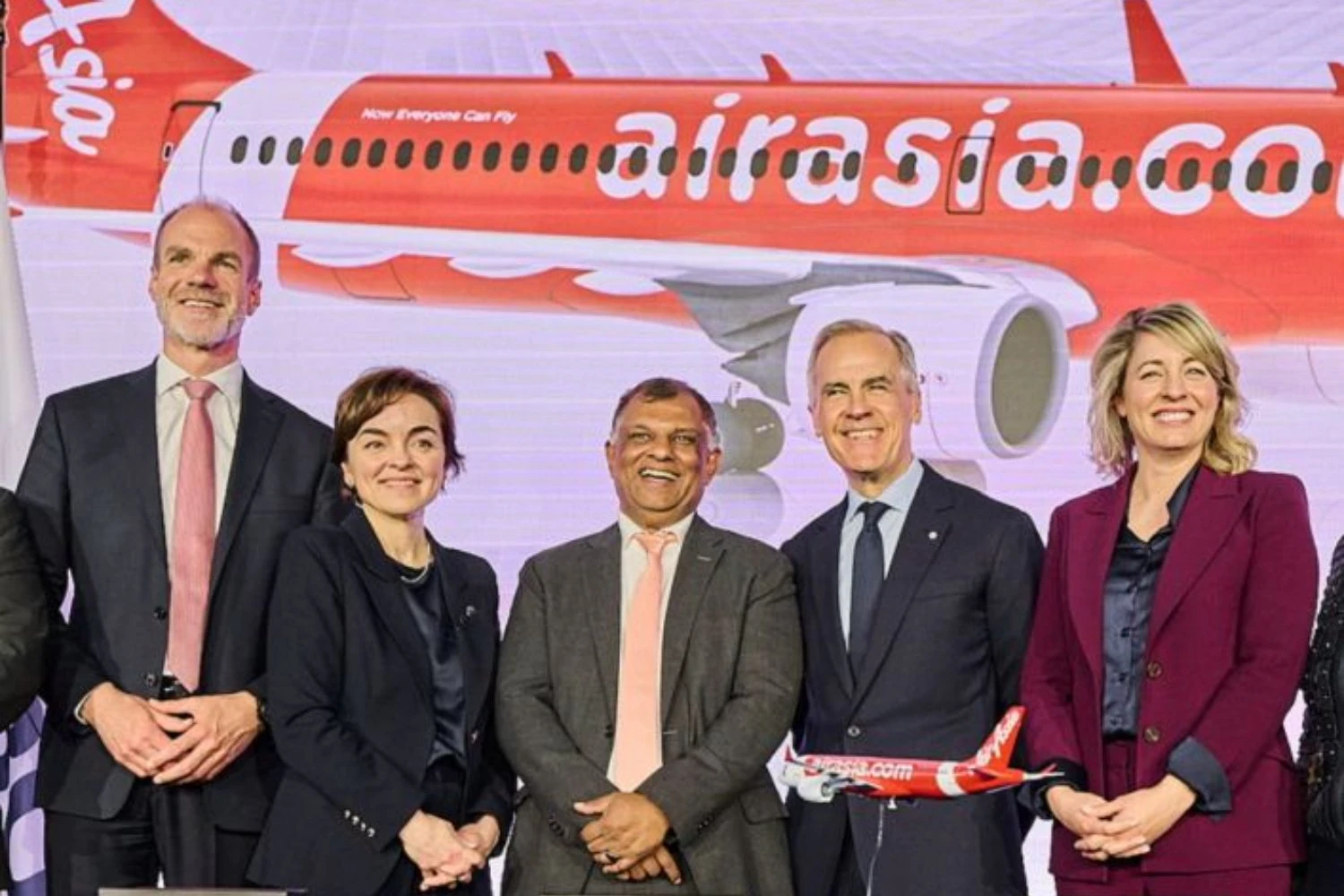
Transport Minister Anthony Loke said on Monday that his ministry had not held meetings with AirAsia over the previous two or three weeks, although he did not rule out discussions involving the Ministry of Finance.
Financial pressure continues
The latest talks follow concerns over AirAsia's financial position that emerged earlier this year. At the end of June, the company reported cash and bank balances of RM1 billion (US$234 million), compared with current liabilities of RM19.3 billion (US$4.5 billion).
AirAsia recorded a net loss of RM872 million (US$204 million) in the second quarter. Its average jet fuel price increased 66% from the first quarter to US$183 per barrel, adding pressure to operating costs.
Fernandes said the airline is planning its operations on the assumption that elevated fuel prices will persist for another 12 months. He also said passenger load factors remain above 80% despite higher fares.
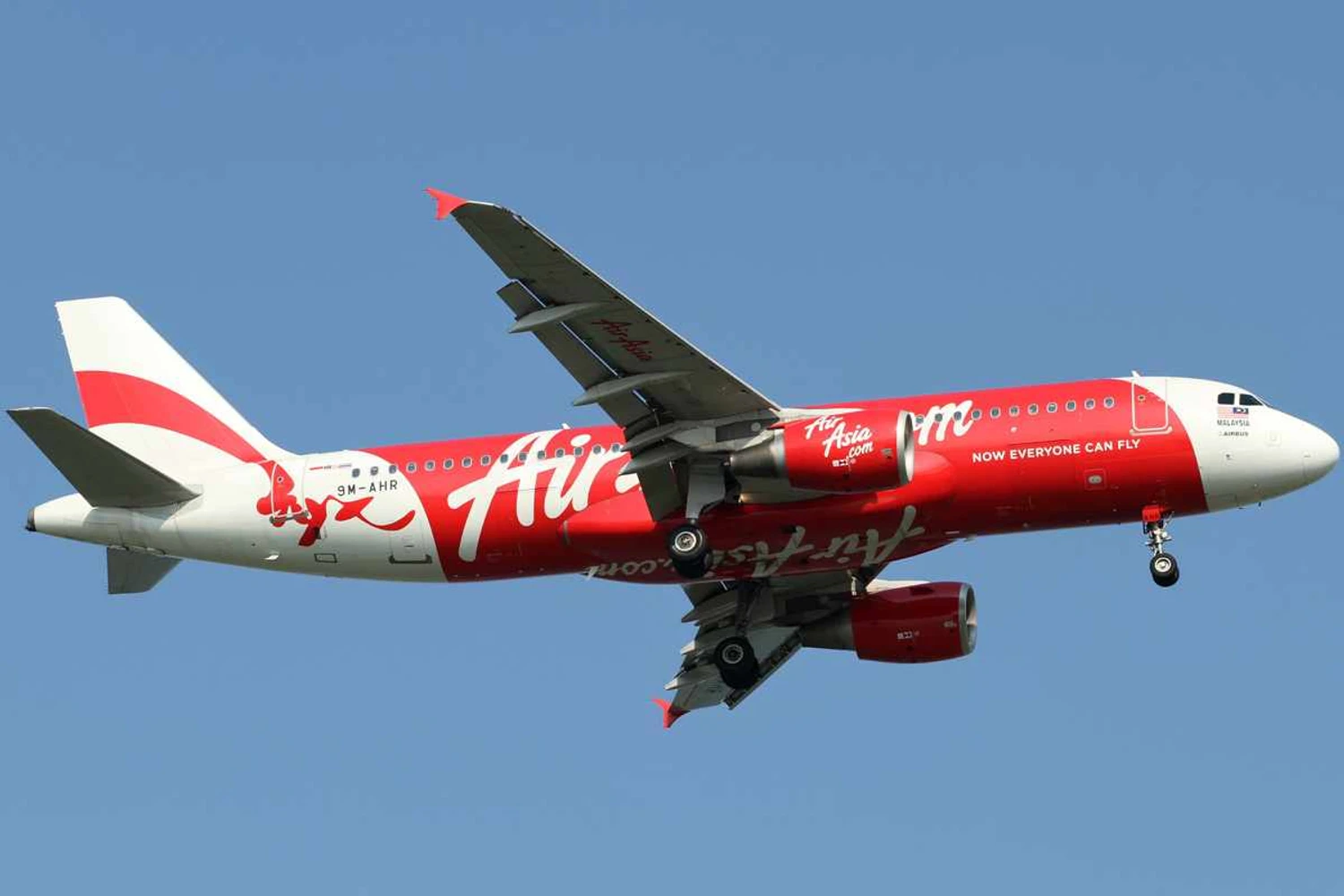
The Malaysian government has a particular interest in AirAsia because of the airline's role in domestic connectivity. The carrier accounts for around 60% of Malaysia's domestic air travel and employs about 26,000 people.
In September, the government approached Malaysia Airlines and Batik Air to assess their ability to provide additional domestic capacity if AirAsia were forced to reduce operations. There has been no indication that the contingency plan has been activated.
AirAsia has also been working on a restructuring of its aviation businesses to consolidate operations under a single airline group and improve access to capital.
AirAsia prepares for new market with A220
The financial pressure comes as AirAsia prepares for a major change in its fleet strategy. In May, the airline placed a firm order for 150 Airbus A220-300s, with options for another 150, the largest single order for the aircraft program.
The first deliveries are planned for 2028. AirAsia intends to use the smaller A220 on routes where demand does not justify its larger Airbus A320 and A321 aircraft, opening markets that its current fleet cannot serve as efficiently.
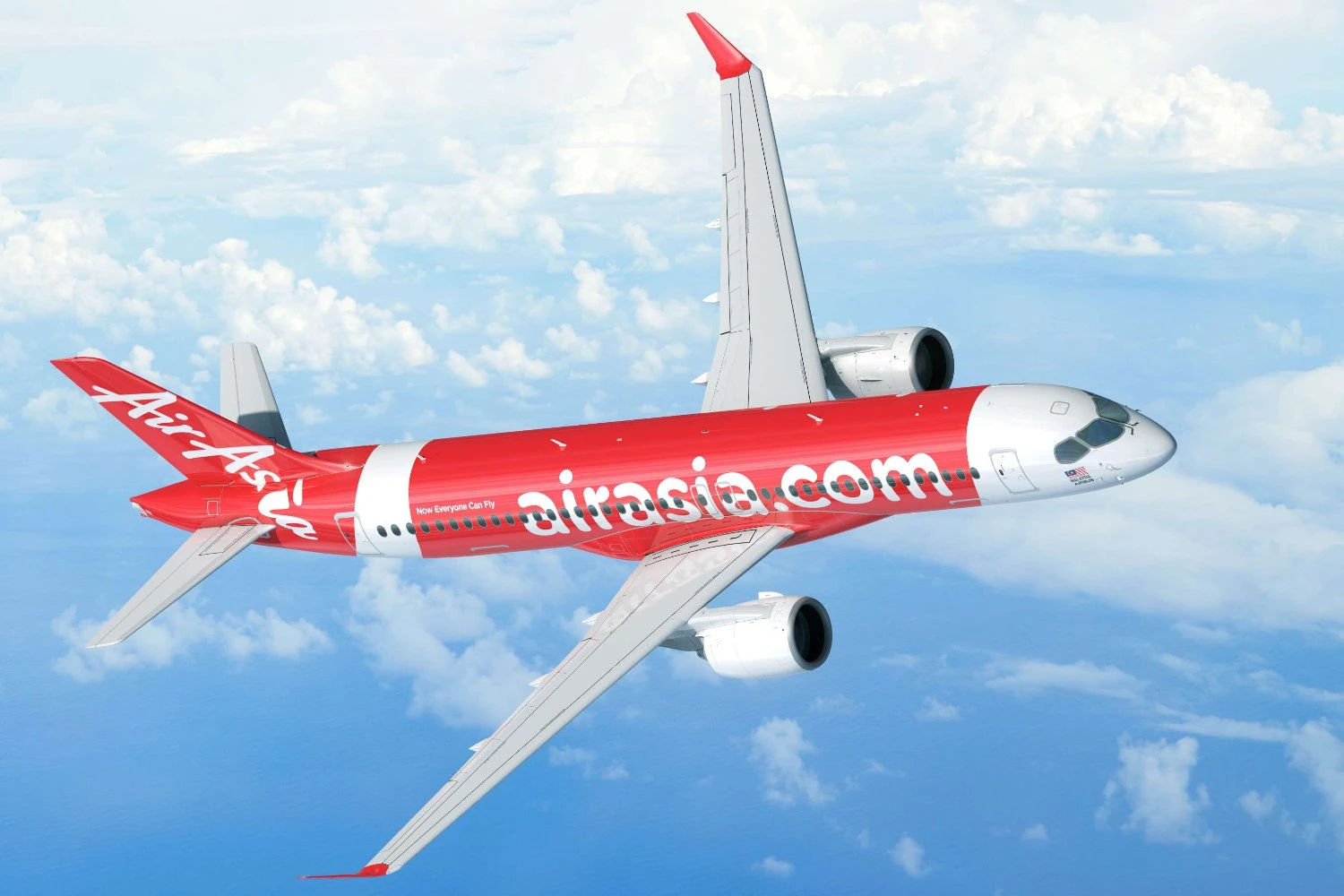
Introducing the A220 will require investment beyond the aircraft themselves. Pilots and maintenance personnel will need training for the new type, while the airline will have to establish technical support, spare parts inventories and other infrastructure for an aircraft family it does not currently operate.
Airbus is preparing to open its first A220 full-flight simulator in the Asia-Pacific region in Singapore in late 2027, shortly before AirAsia is scheduled to begin receiving the aircraft.
There is currently no indication that AirAsia has sought to cancel, reduce or postpone its A220 order. The first deliveries remain about two years away.