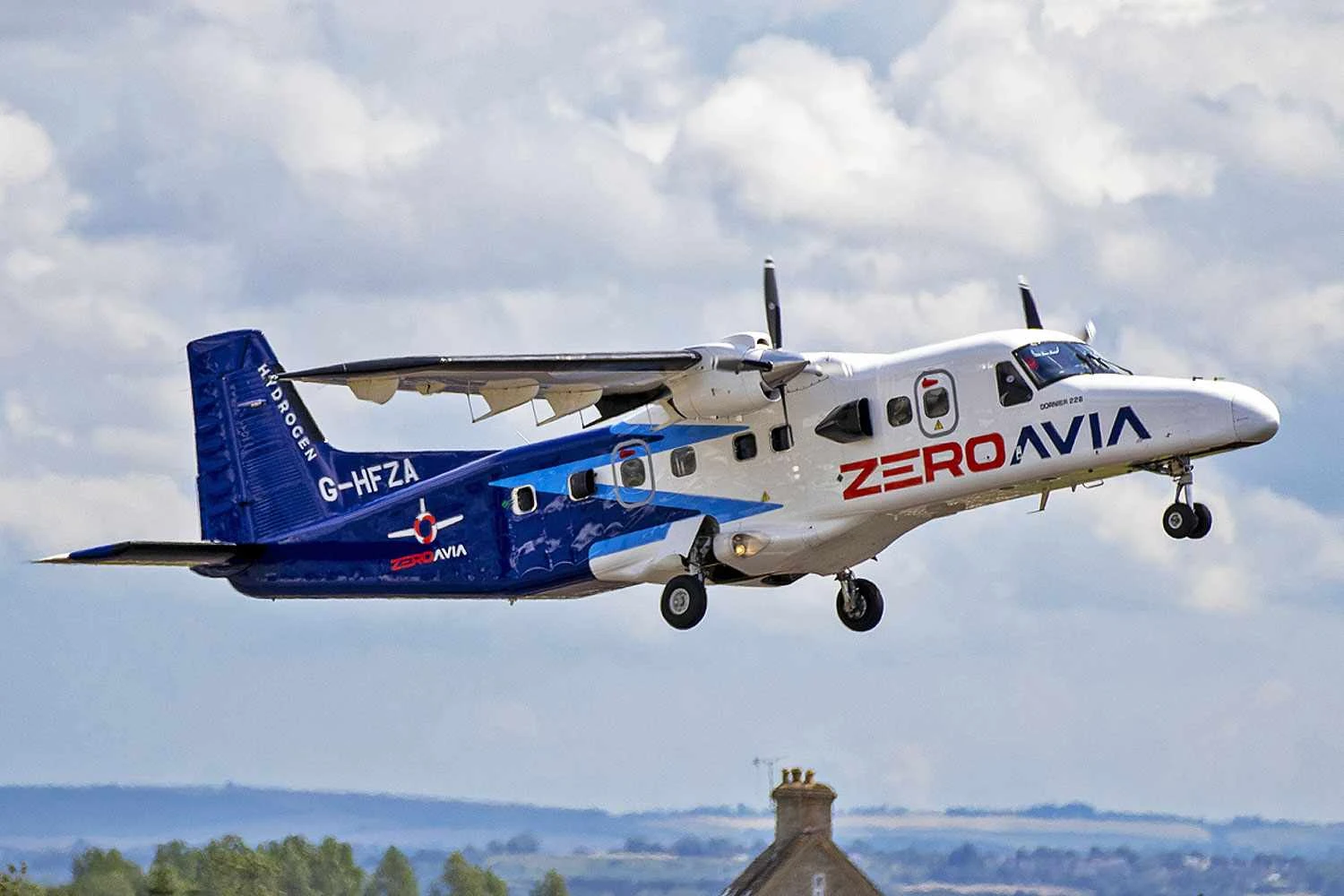
Val Miftakhov, founder and chief executive of hydrogen propulsion developer ZeroAvia, has stepped down from his leadership role after nearly a decade at the helm of the company.
The startup announced on May 29 that Miftakhov left the CEO position three days earlier to pursue new opportunities. He will remain on ZeroAvia's board of directors and continue to support the company's long-term strategy.
Executive chair Christine Ourmieres-Widener has assumed responsibility for the company's day-to-day operations while the board searches for a permanent successor.
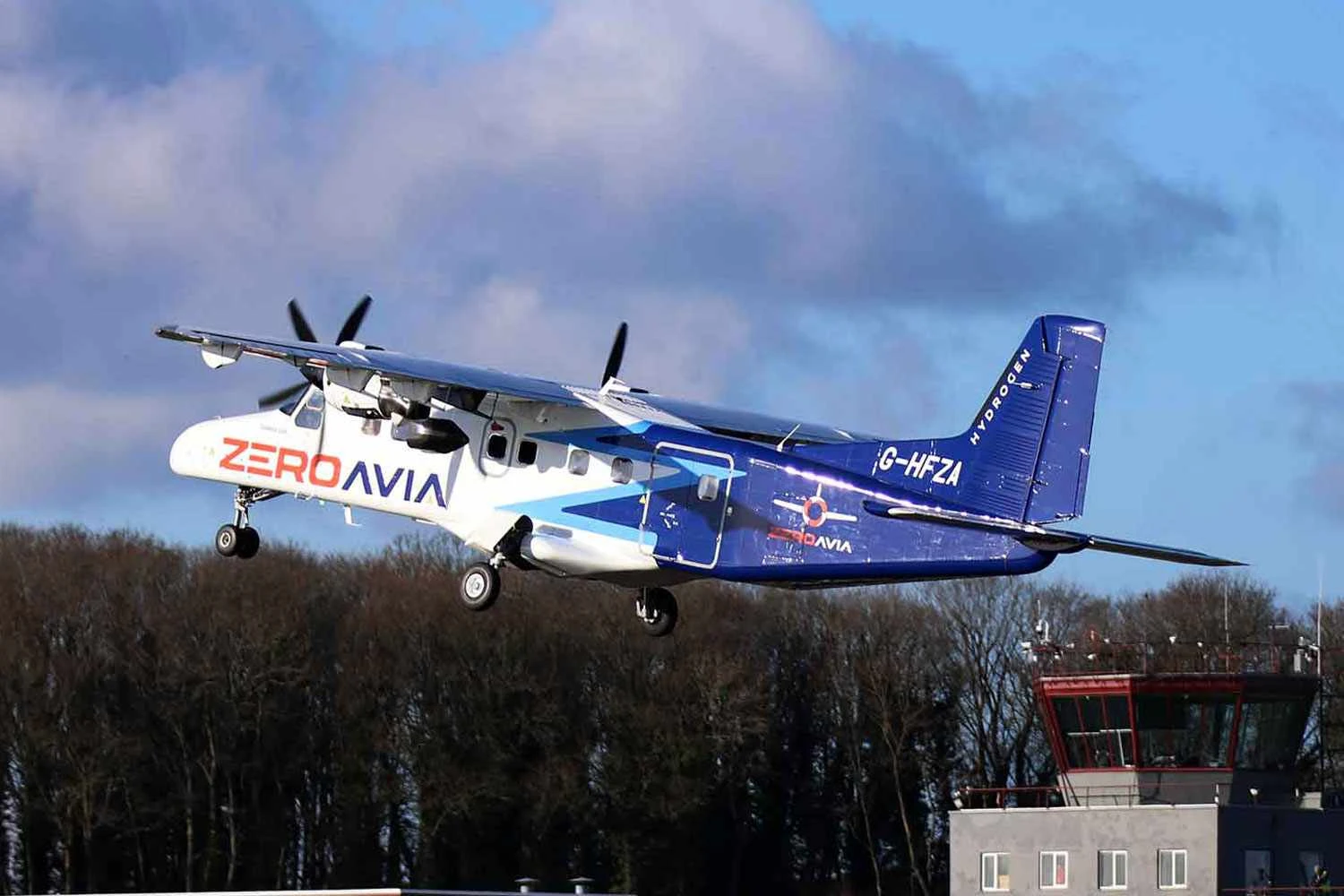
The leadership transition comes during a challenging period for ZeroAvia, which has spent recent years developing hydrogen-electric propulsion systems intended for regional aircraft. Although the company has achieved several technical milestones, including flight-testing its ZA600 powertrain, certification targets have repeatedly slipped.
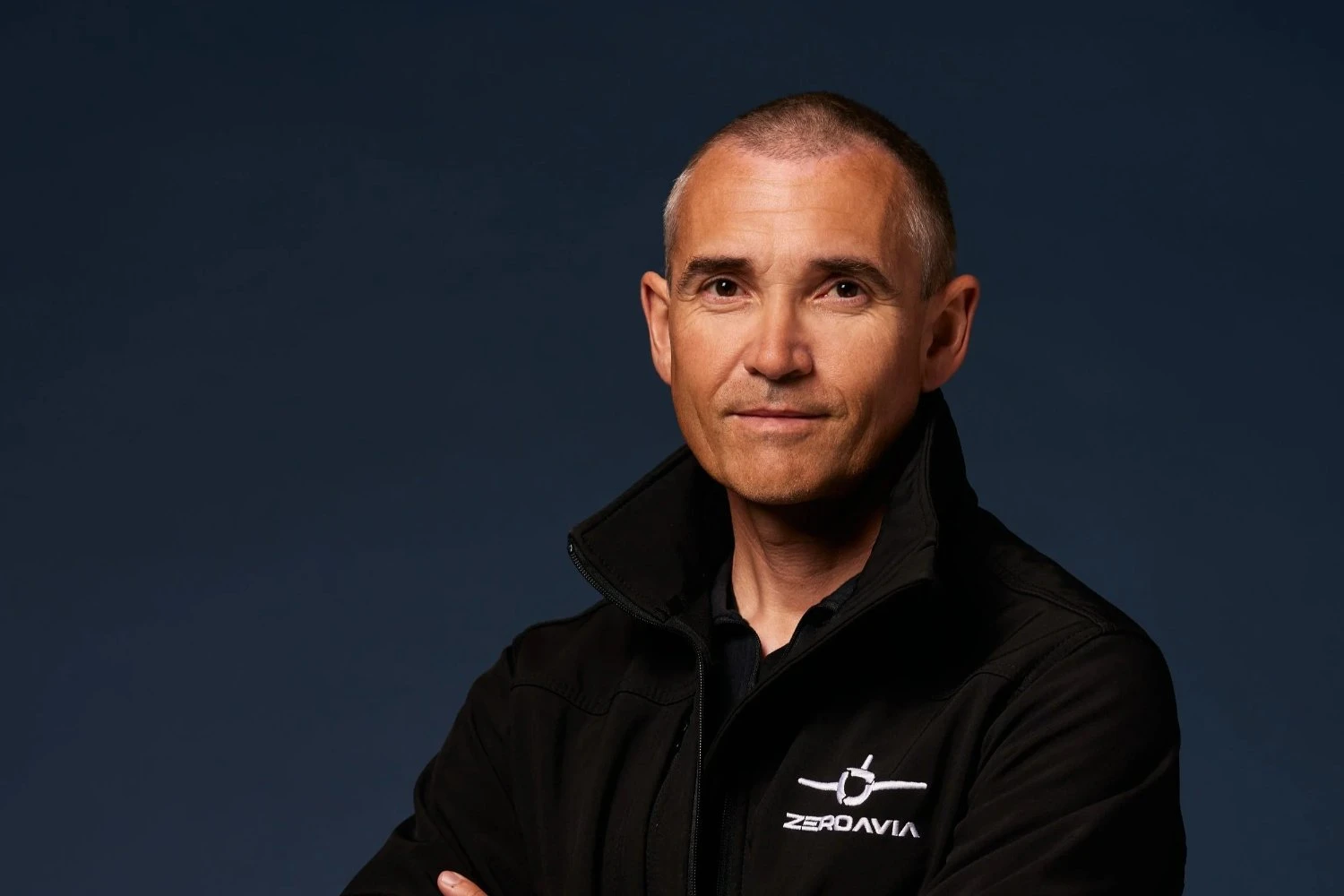
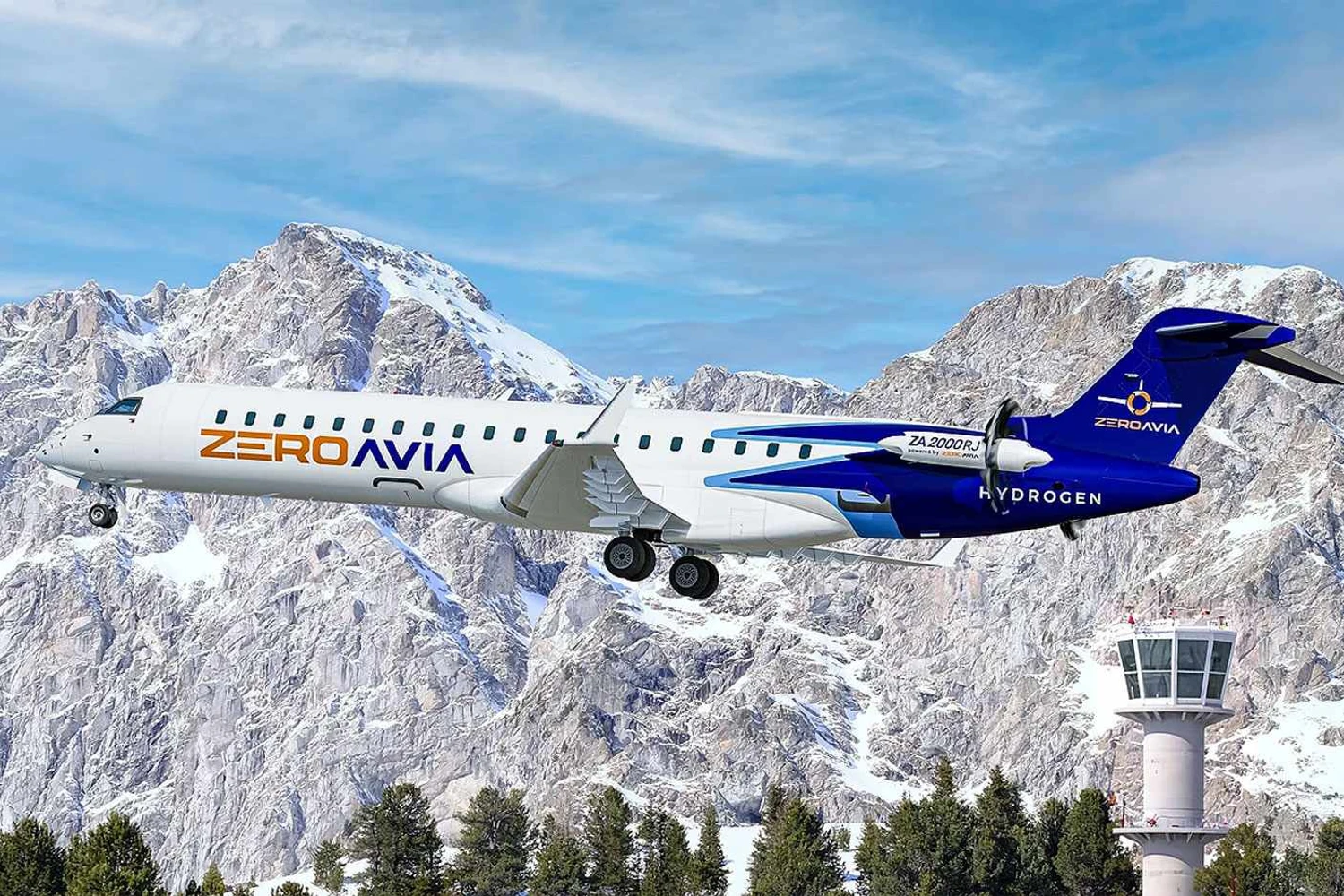
ZeroAvia currently aims to secure certification of its ZA600 fuel-cell system in 2027. Approval of the complete propulsion system is expected to follow later, depending on the availability of funding. The company is also developing the larger ZA2000 powertrain for higher-capacity aircraft.
Related news
The startup underwent major restructuring efforts over the past year as it sought to conserve cash and align spending with development priorities. Operations in both the United States and the United Kingdom were affected by workforce reductions that ultimately eliminated roughly half of the company's employees.
Despite those measures, ZeroAvia secured fresh investment in late 2025 through a funding round backed by existing and new investors, providing additional resources to continue development of its hydrogen-powered technology.
Miftakhov founded ZeroAvia in 2017 with the goal of bringing hydrogen-electric propulsion to commercial aviation. Under his leadership, the company emerged as one of the most visible players in the sector, attracting support from airlines, aircraft manufacturers and government agencies seeking lower-emission alternatives to conventional propulsion systems.
The company's next major challenge will be converting its technological progress into certified products as the hydrogen aviation industry continues to face questions about infrastructure, certification requirements and the pace of commercial adoption.