 Defense
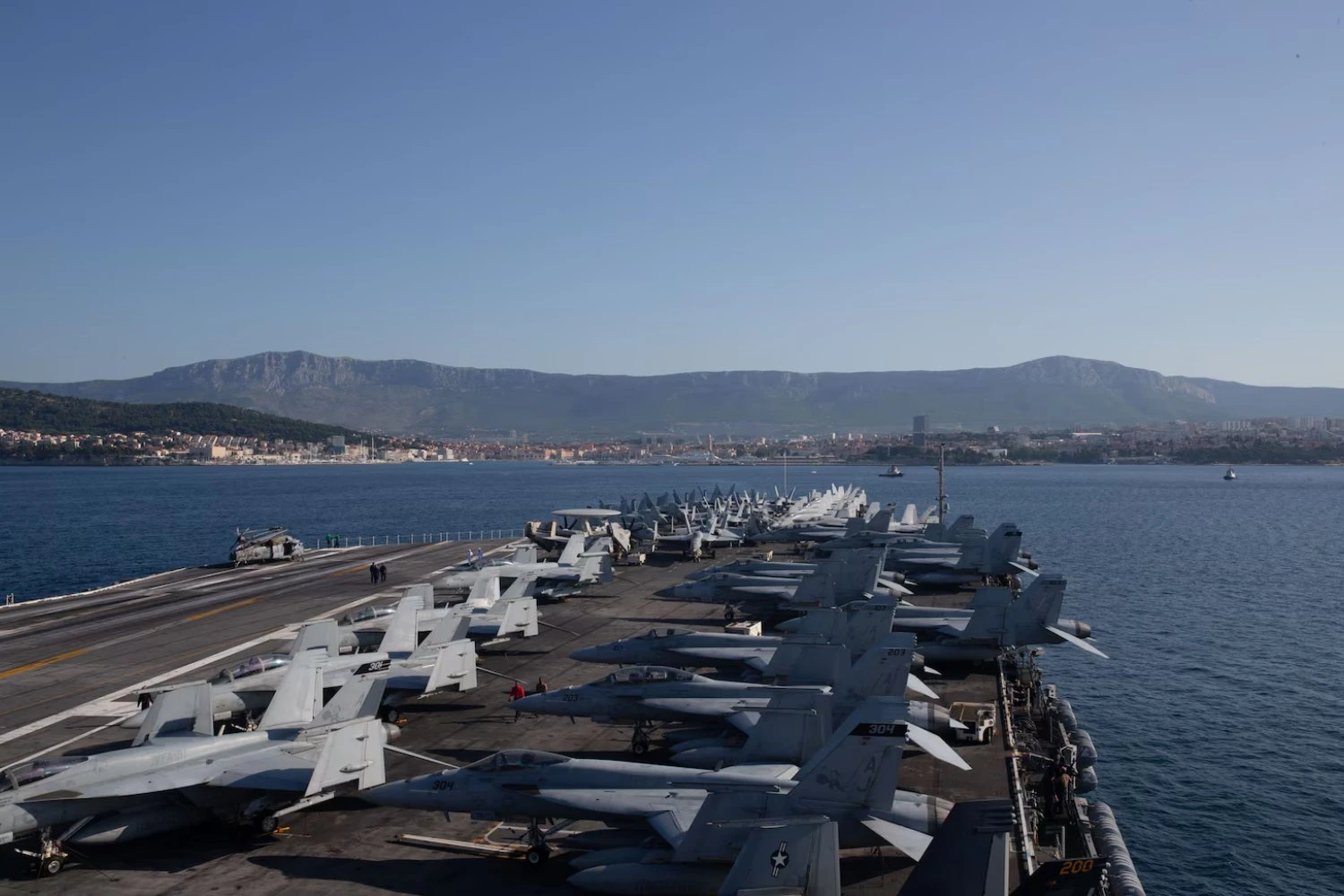
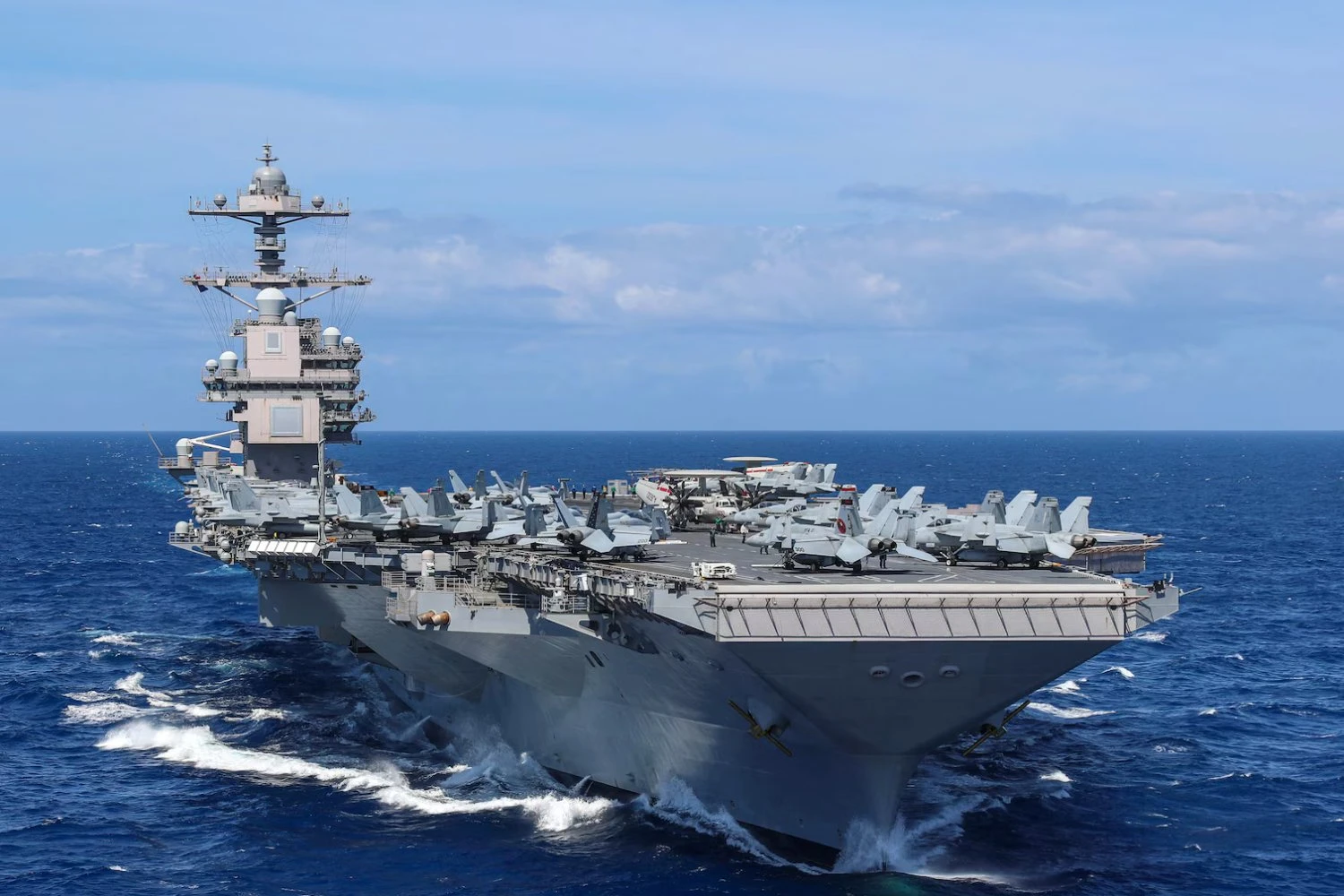
The USS Gerald R. Ford (CVN 78), the largest aircraft carrier in the world, has arrived in the Croatian port of Split for a maintenance stop after leaving the eastern Mediterranean, where it had been deployed in support of U.S. military operations linked to the conflict involving Iran.
The aircraft carrier had been operating for weeks as part of a U.S. naval buildup in the region, alongside the USS Abraham Lincoln, with both ships contributing to air operations launched in late February.
Its stop in Croatia follows a return to a naval base in Crete earlier this week, after a fire broke out in a laundry area onboard. The incident injured two crew members and caused damage to part of the ship’s accommodations, prompting the need for repairs.
The Ford has been at sea for nearly nine months, in one of its longest deployments to date. During that period, it also carried out missions outside the Middle East, including operations in the Caribbean.
The carrier’s air wing includes around 70 to 75 aircraft, typically comprising F/A-18E/F Super Hornet strike fighters, EA-18G Growler electronic warfare jets, E-2D Hawkeye airborne early warning aircraft and MH-60 Seahawk helicopters.
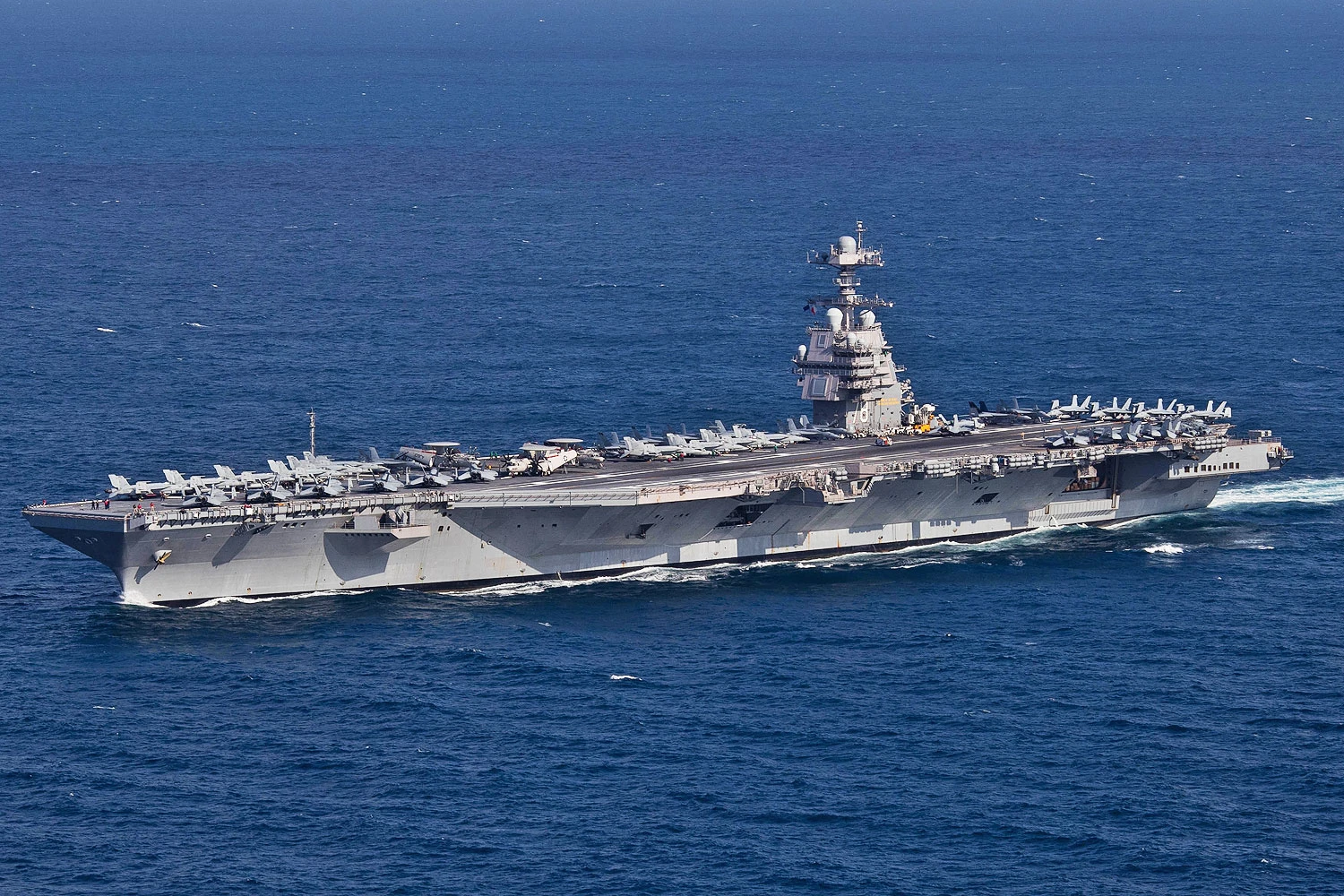
The USS Gerald R. Ford is also designed to operate the F-35C, the carrier-based variant of the stealth fighter, although its deployment mix can vary depending on the mission.
A closer look at the USS Gerald R. Ford
in 2017, the USS Gerald R. Ford (CVN 78) is the lead ship of a new class of U.S. Navy aircraft carriers designed to replace the long-serving Nimitz class. Built at Newport News Shipbuilding in Virginia, it is the largest and most technologically advanced warship ever constructed.
The carrier measures about 337 meters (1,106 feet) in length and displaces more than 100,000 tonnes when fully loaded. It is powered by two nuclear reactors, giving it effectively unlimited range and the ability to operate for more than 20 years without refueling.
One of the ship’s defining features is the Electromagnetic Aircraft Launch System (EMALS), which replaces traditional steam catapults. The system allows smoother launches, reduces stress on aircraft and is designed to support a higher sortie rate. The Ford class also introduces Advanced Arresting Gear for recoveries and a redesigned flight deck aimed at increasing operational efficiency.
The carrier can embark more than 4,000 personnel, including the ship’s crew and the air wing. Its aviation component typically includes around 70 to 75 aircraft, ranging from F/A-18 Super Hornet fighters and EA-18G Growler electronic warfare jets to E-2D Hawkeye early warning aircraft and MH-60 Seahawk helicopters, with compatibility for the F-35C stealth fighter.
Despite its advanced design, the Gerald R. Ford has faced technical challenges since entering service, including issues with its launch and recovery systems as well as onboard infrastructure. Even so, it has taken part in multiple deployments across the Atlantic, Mediterranean, Caribbean and Middle East, serving as a central element of U.S. naval power projection.