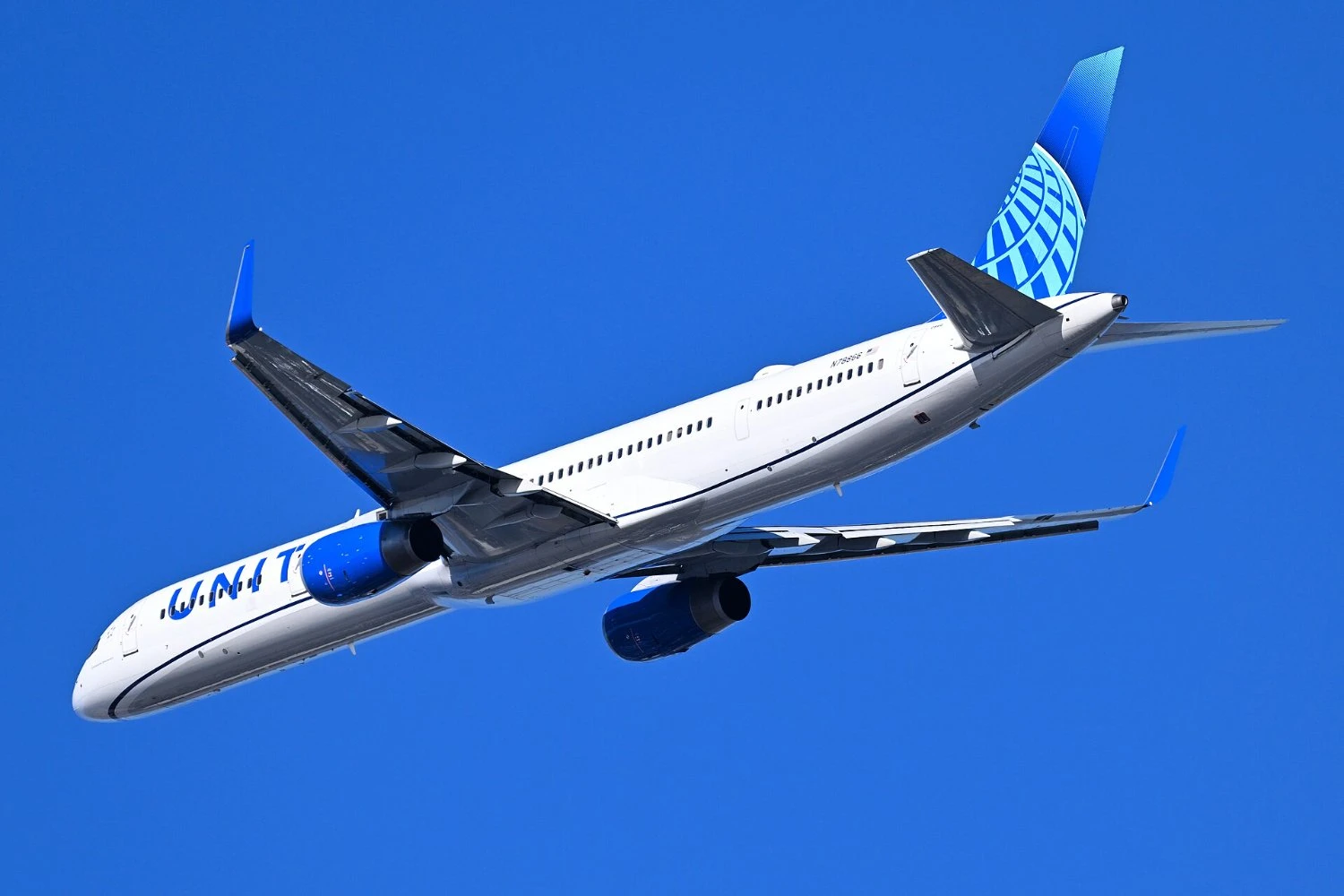
United Airlines is reportedly planning a major cabin modernization program for its 21 Boeing 757-300 aircraft, despite already moving ahead with plans to retire the smaller 757-200. The upgrades would bring the aging jets closer to the airline's United Next cabin standard, including individual entertainment screens and larger overhead luggage bins.
Details of the proposed refurbishment emerged through aviation industry observer JonNYC, who shared information attributed to an internal United communication. The airline has not publicly confirmed the program, its cost or the timetable for modifying the aircraft.
The planned changes include Panasonic seatback entertainment systems throughout the cabin, Boeing Space Bins with increased luggage capacity, upgraded passenger power outlets and refreshed interior panels. Existing seats would also be refurbished, although no change to the seating configuration has been reported.
Installing the larger overhead bins on the 757-300 reportedly required a dedicated certification process, one of the factors that delayed the aircraft's inclusion in the United Next program.
Why United is keeping the larger 757
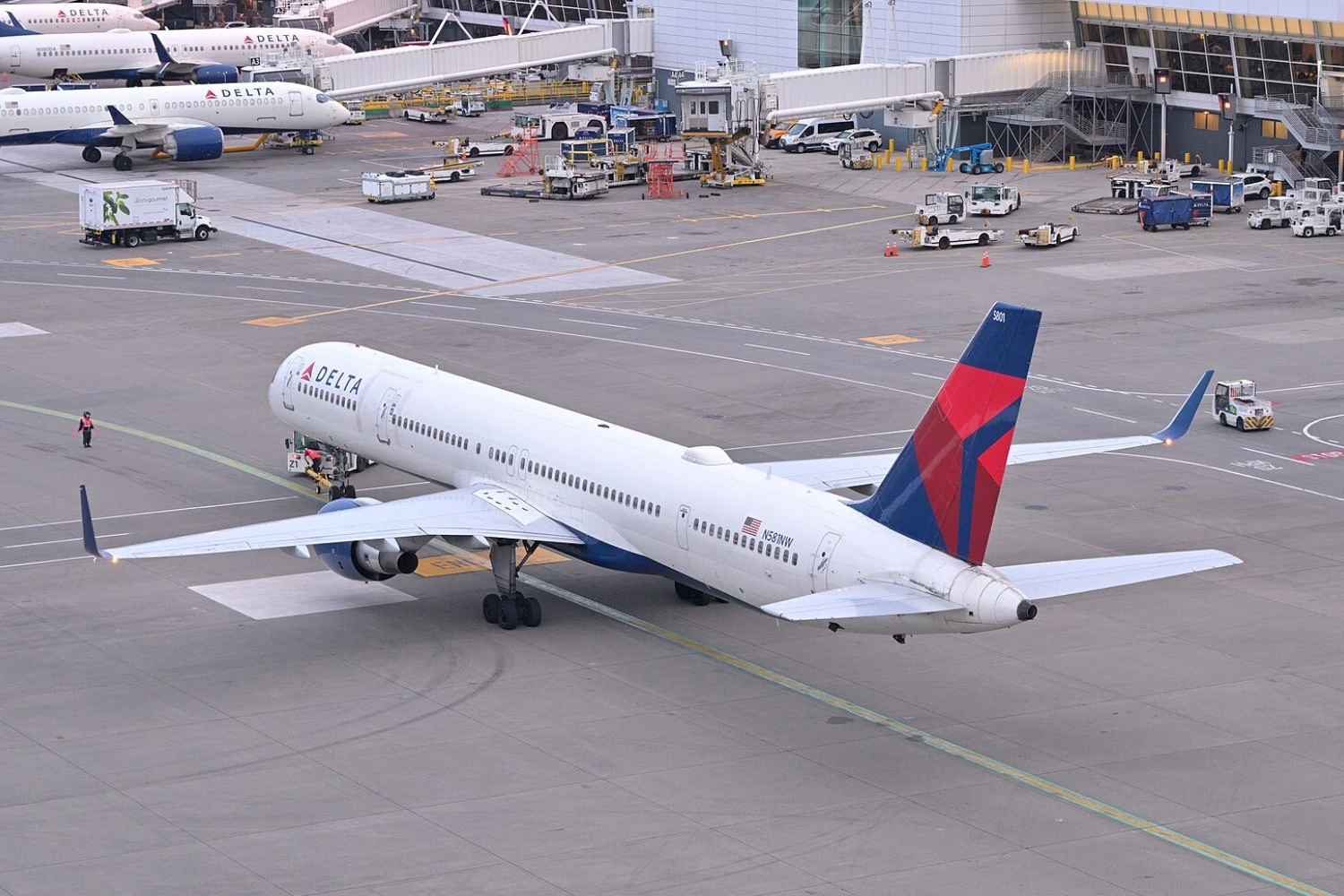
United operates 40 Boeing 757-200s, configured with 176 seats and used on transcontinental and lower-demand transatlantic routes. The airline plans to replace these aircraft with Airbus A321XLRs and A321neo Coastliners, part of an order for 100 new narrowbody jets announced in March 2026.
Follow Air Data News: WhatsApp | Instagram | LinkedIn | Twitter | Facebook
The 757-300 has a different role. Its 234-seat configuration accommodates 58 more passengers than United's 757-200, making it particularly useful on busy domestic routes, including services to Hawaii. United has not announced a direct replacement or a retirement date for the larger version.
The aircraft are also somewhat younger. At the end of 2025, United's 757-300s averaged 23.3 years of age, compared with 28.9 years for its 757-200s. Fleet projections released in October indicated that all 61 aircraft would remain in service through the end of 2026.
Boeing's rare stretched 757
The Boeing 757-300 was developed during the 1990s to offer airlines more seats without moving to a widebody aircraft. Its launch customer was German leisure carrier Condor, which ordered 12 aircraft at the Farnborough Airshow in September 1996, seeking lower operating costs per passenger on holiday routes.
The new version retained much of the 757-200's design but featured a fuselage stretched by 23 feet 4 inches (7.1 meters), reaching a total length of 178 feet 7 inches (54.5 meters). It could accommodate approximately 20% more passengers than the original model, although its range was shorter.
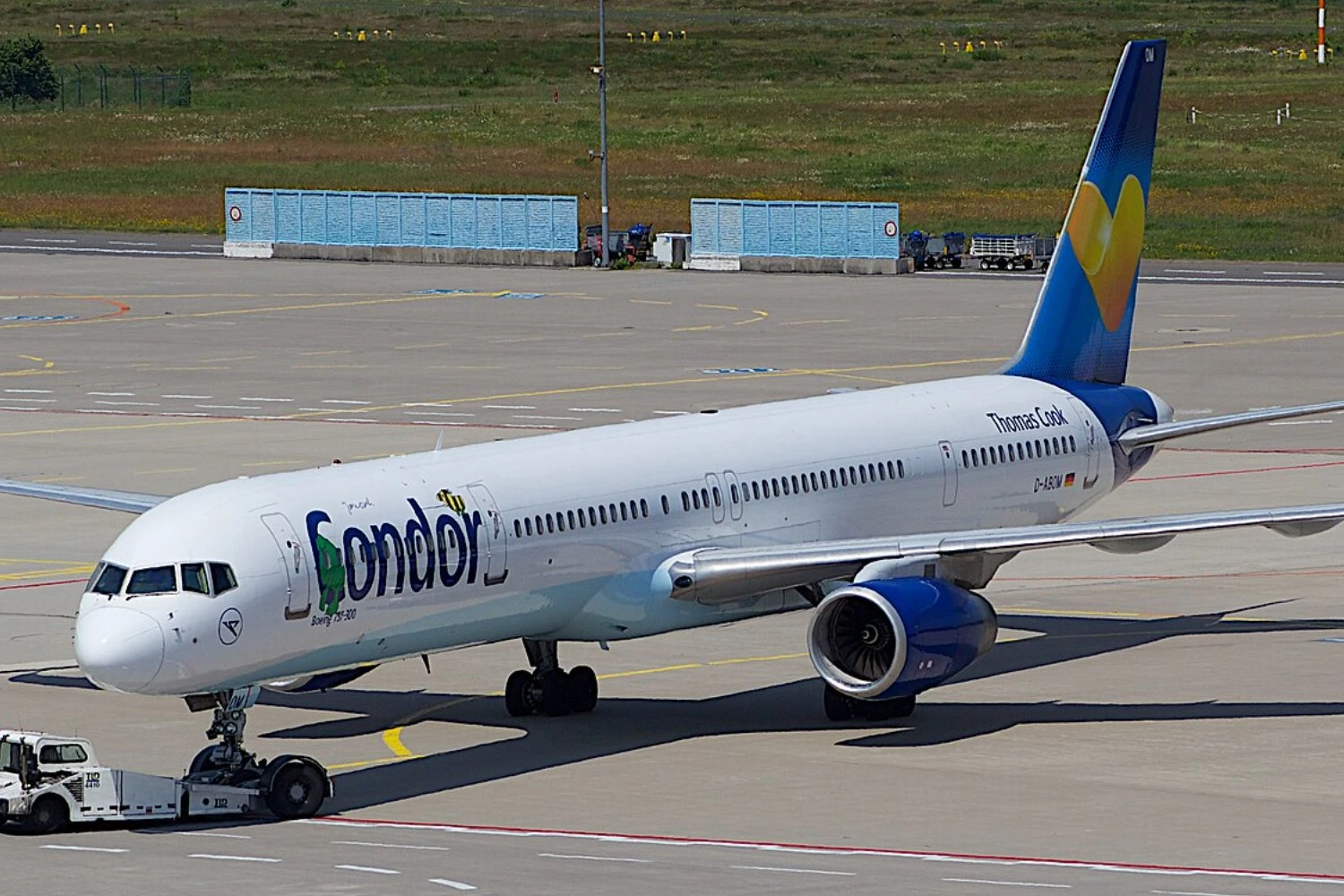
The 757-300 made its first flight in August 1998 and entered commercial service with Condor on March 19, 1999. Its initial operations connected German cities with Mediterranean holiday destinations and North Africa.
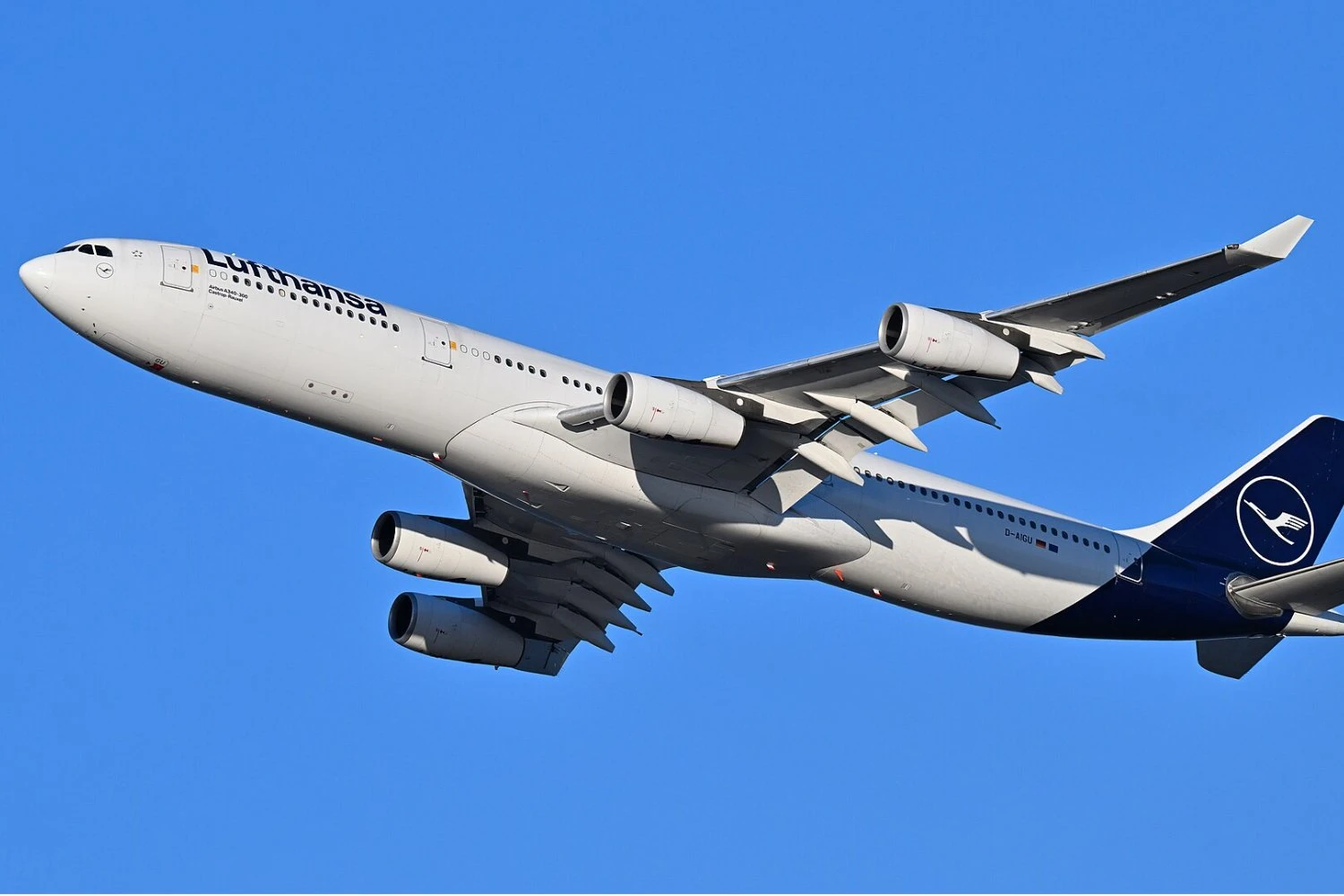
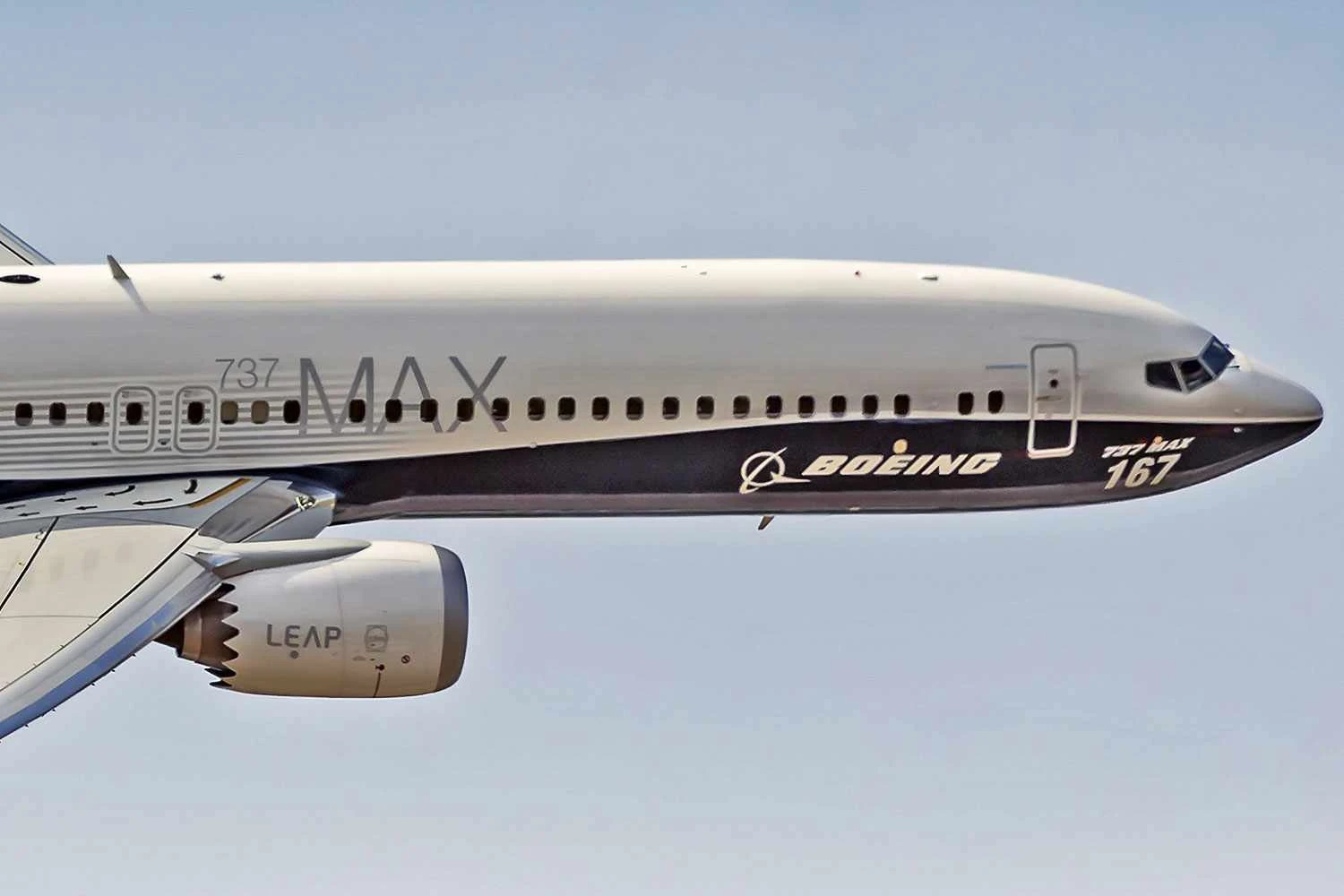
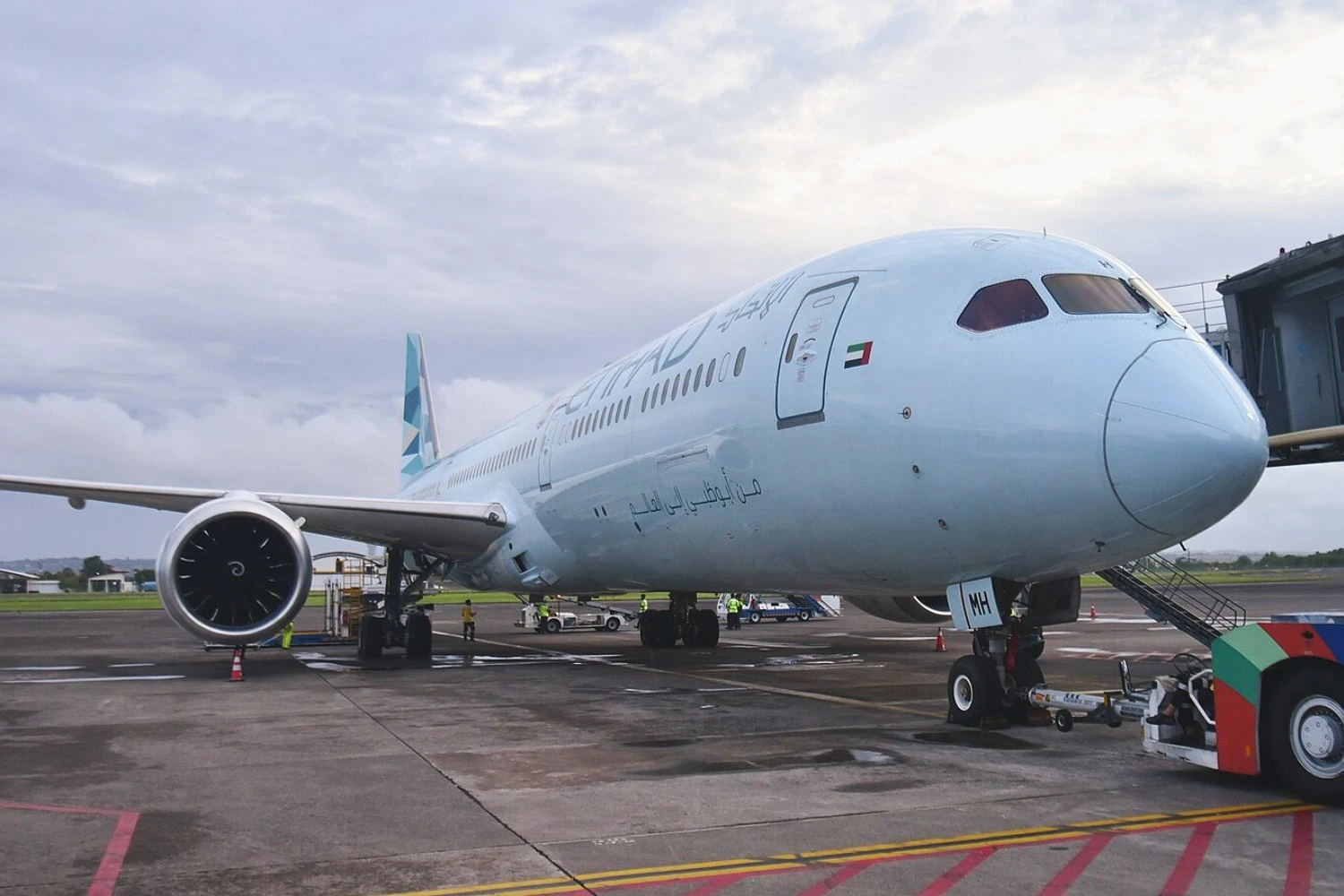
Despite its operating economics, the aircraft attracted relatively few customers. Airlines generally preferred smaller narrowbody jets that could operate more frequent flights, and the longer fuselage also increased passenger boarding and disembarkation times. Production ended in 2004 after just 55 aircraft had been built.
The limited customer base included Condor, Icelandair, Arkia, Continental Airlines, Northwest Airlines, American Trans Air and British leisure operators. Delta Air Lines inherited its 757-300s through its merger with Northwest, and United acquired its aircraft following the merger with Continental in 2010.
Condor, the original operator, retired its last 757-300 in 2025, ending more than 26 years of service with the model.
