 Defense
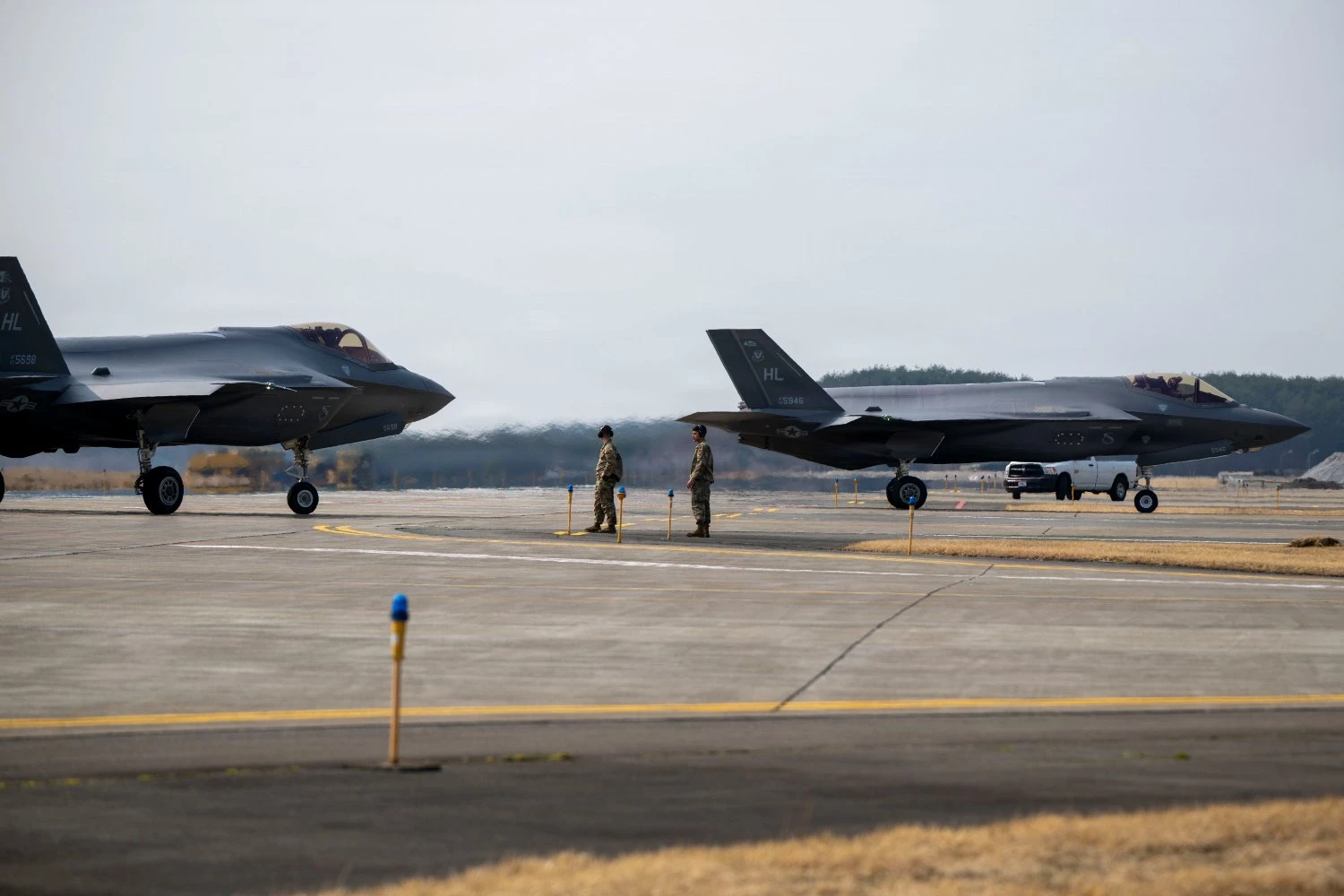
F-35A Lightning II fighters assigned to the 13th Fighter Squadron arrived at Misawa Air Base on March 28, initiating the unit’s transition to fifth-generation operations and establishing a permanent presence of the aircraft in northern Japan.
The deployment marks a change from F-16s to F-35s at the base, which houses the U.S. Air Force’s 35th Fighter Wing. The change introduces enhanced capabilities for operations in critical environments such as the Pacific region, where China operates J-20 stealth fighters.
Misawa’s location in northern Japan places it within a key operational area for U.S. and allied forces in the Indo-Pacific. The introduction of the F-35 is expected to expand mission flexibility and improve coordination with the Japan Air Self-Defense Force, which also operates advanced fighter aircraft.
The 13th Fighter Squadron, known as the “Panthers,” includes not only attack missions but also electronic warfare and suppression of enemy air defenses, missions historically associated with the “Wild Weasel” concept.
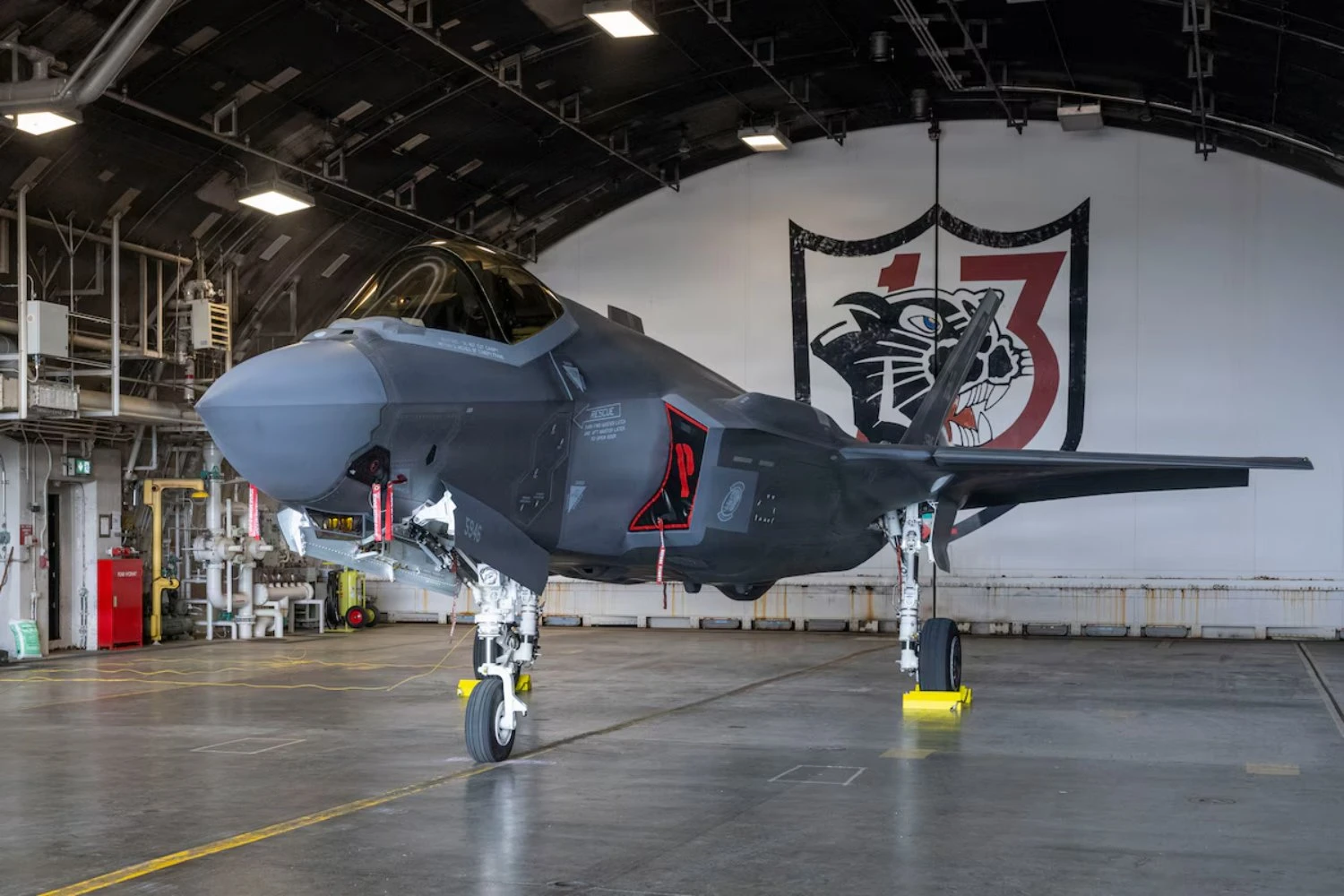
Unlike legacy aircraft that rely on externally mounted systems, the F-35 integrates sensors, electronic warfare capabilities and data links into a single platform. This allows it to detect, track and share targeting information across a networked force, acting as a command node in addition to a strike aircraft.
Preparations for the arrival included infrastructure upgrades at Misawa, pilot conversion training and coordination with U.S. and Japanese units to support sustained operations.
The deployment adds to the growing number of F-35s positioned across the Indo-Pacific, where the U.S. has been increasing its forward-based presence amid rising tensions and the need to maintain rapid response capability across a wide geographic area.