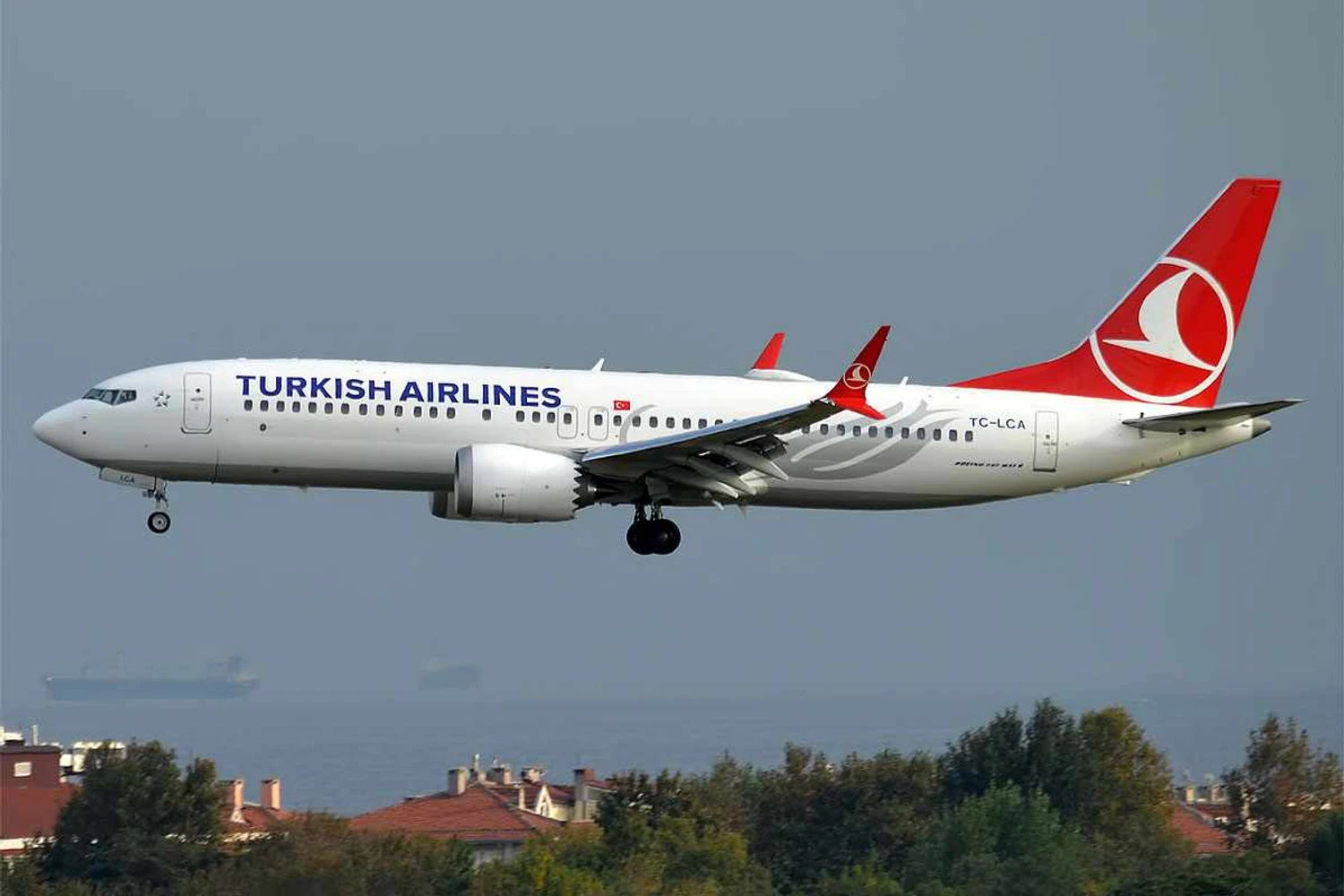
Turkish Airlines is close to finalizing a long-delayed order for 100 Boeing 737 MAX aircraft after negotiations over engine maintenance terms stalled the agreement for almost a year.
The deal is back on track and could be signed as early as next week, Reuters reported, citing people familiar with the negotiations. Another 50 aircraft would be covered by options.
The potential order includes the 737-8 and 737-10 and dates back to September 2025, when Turkish Airlines said it had completed negotiations with Boeing for 100 firm aircraft and 50 options.
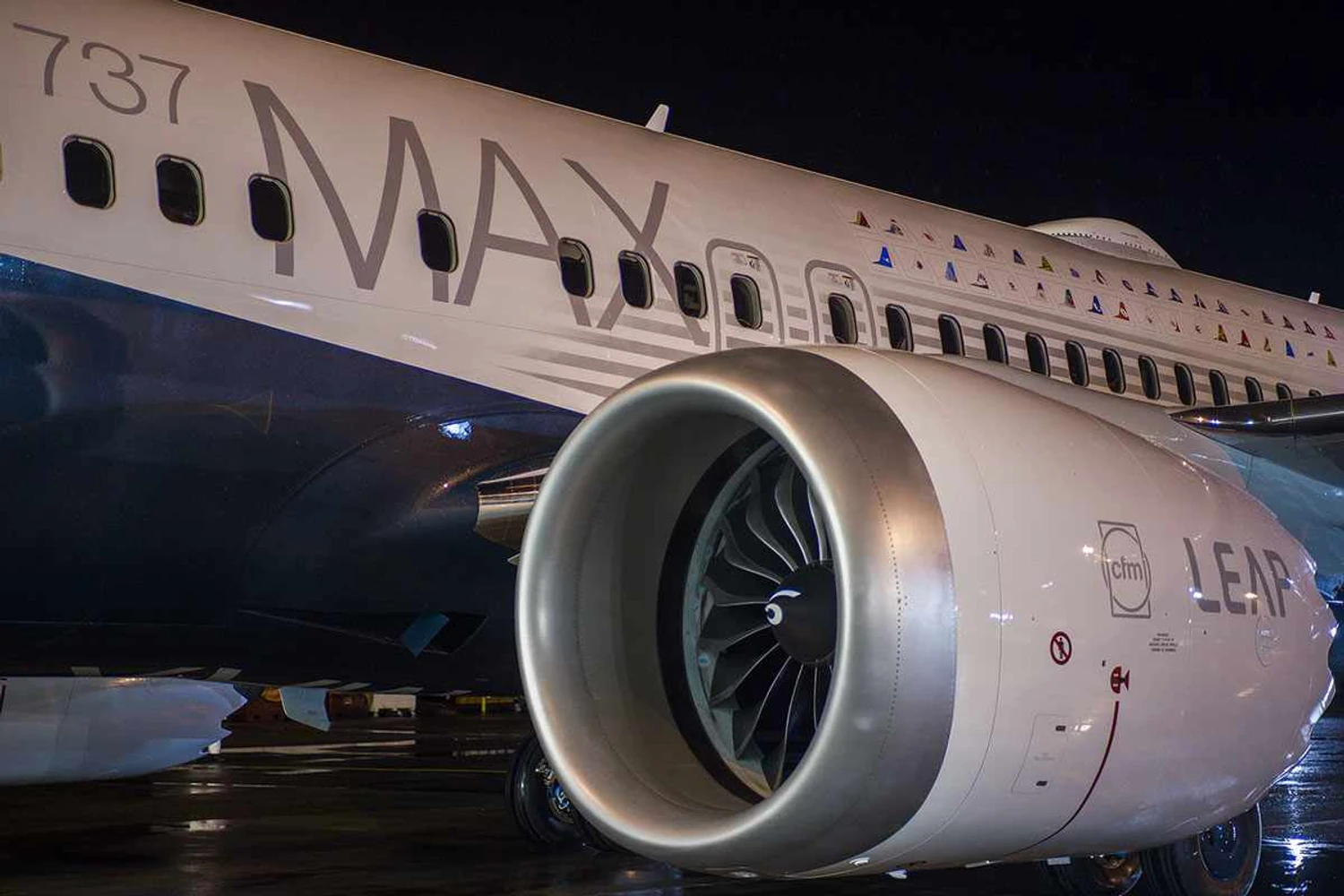
The airline stopped short of placing the order, however, making it conditional on reaching an agreement with CFM International, the GE Aerospace and Safran joint venture that produces the LEAP-1B, the only engine available for the 737 MAX.
Neither Turkish Airlines, Boeing nor CFM has announced that a final agreement has been signed.
Engine talks delayed MAX order
The dispute centered on engine pricing and maintenance arrangements. Turkish Airlines had sought terms that would allow it to expand its own maintenance capabilities for the LEAP-1B engines that would power the new aircraft.
According to Reuters, one of the issues involved Turkish Airlines' ambition to establish a CFM Premier maintenance facility in Turkey. Such status would provide access to the manufacturer's latest repair technologies.
It remains unclear whether that specific demand is included in the agreement now being discussed.
The negotiations became increasingly public after Turkish Airlines Chairman Ahmet Bolat warned that the carrier could turn to Airbus if it failed to reach acceptable terms with CFM.
The MAX agreement was announced alongside a separate order for 50 Boeing 787s and 25 options. Unlike the narrowbody portion, the Dreamliner purchase proceeded while Turkish Airlines continued negotiating the engine package for the 737s.
MAX 10 approaches certification
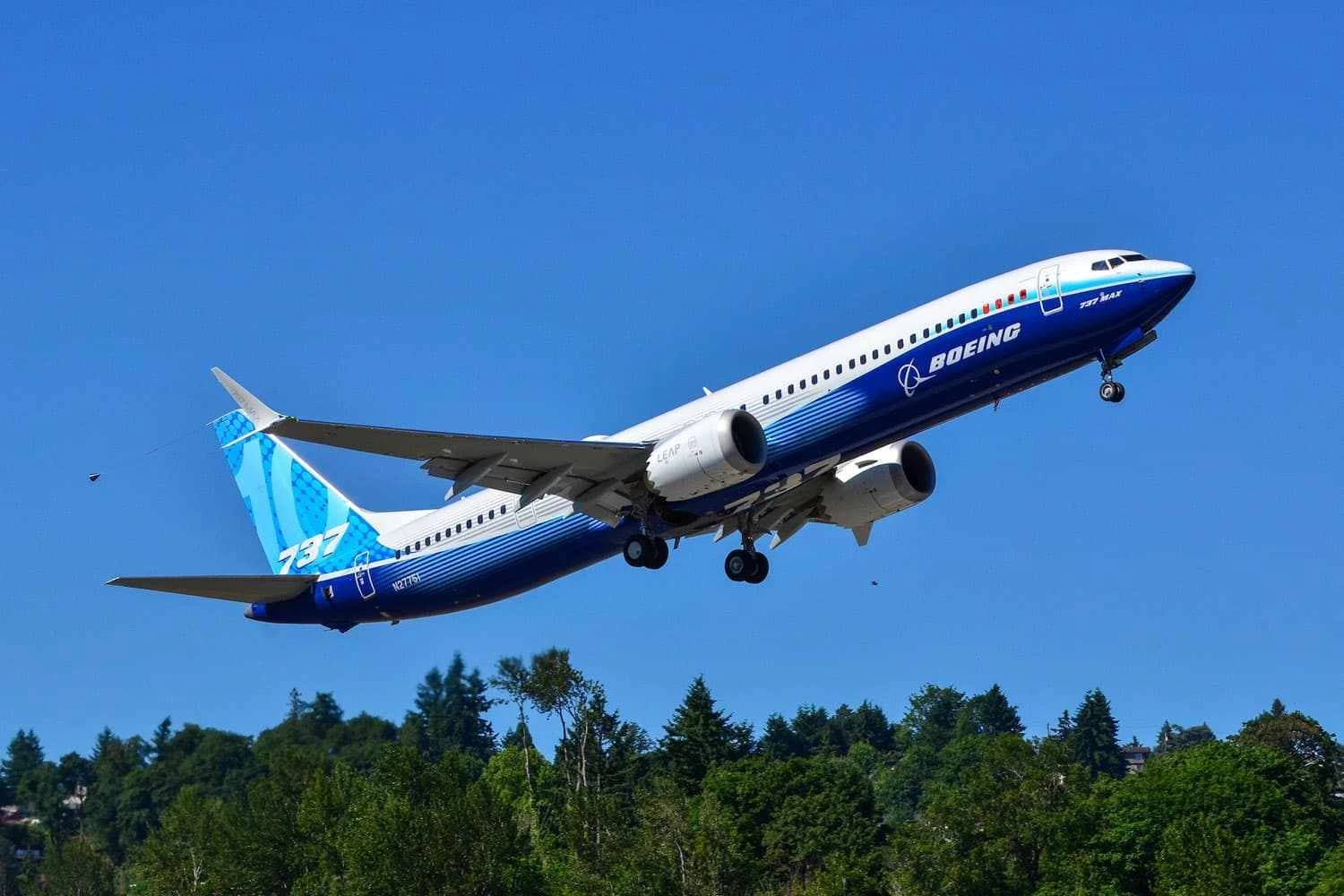
A final agreement would come as Boeing approaches certification of the 737 MAX 10, one of the two variants selected by Turkish Airlines.
Boeing CEO Kelly Ortberg said this week that all flight testing required for the MAX 10 certification has been completed and that only three Boeing deliverables remained when he left Seattle. The FAA still has documentation to review before granting approval.
The MAX 10 has become increasingly important to Boeing's order book, accounting for approximately 30% of the 737 backlog. Boeing is already assembling the variant ahead of certification and has begun building two MAX 10s among the first four aircraft on its new production line in Everett.
Turkish Airlines is pursuing a major fleet expansion centered on its Istanbul hub. The carrier plans to grow its fleet to around 800 aircraft by 2033 and has also been evaluating aircraft at both ends of its requirements, including the Airbus A220 and Embraer E2 as well as the Airbus A350-1000 and Boeing 777X.
The airline said when it disclosed the Boeing agreement in 2025 that the planned 737-8 and 737-10 deliveries would form part of a broader effort to transition its fleet to new-generation aircraft by 2035.