 Defense
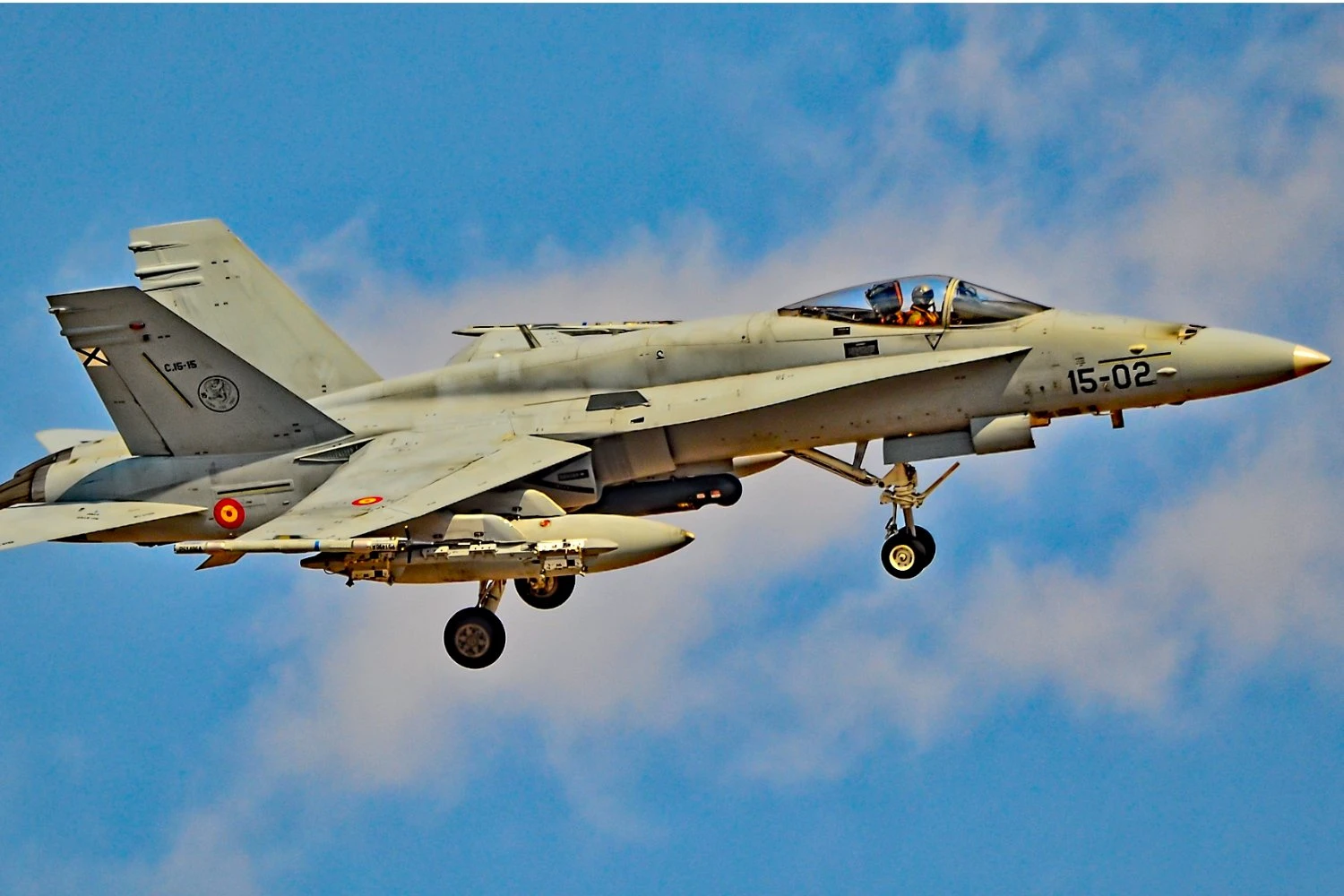
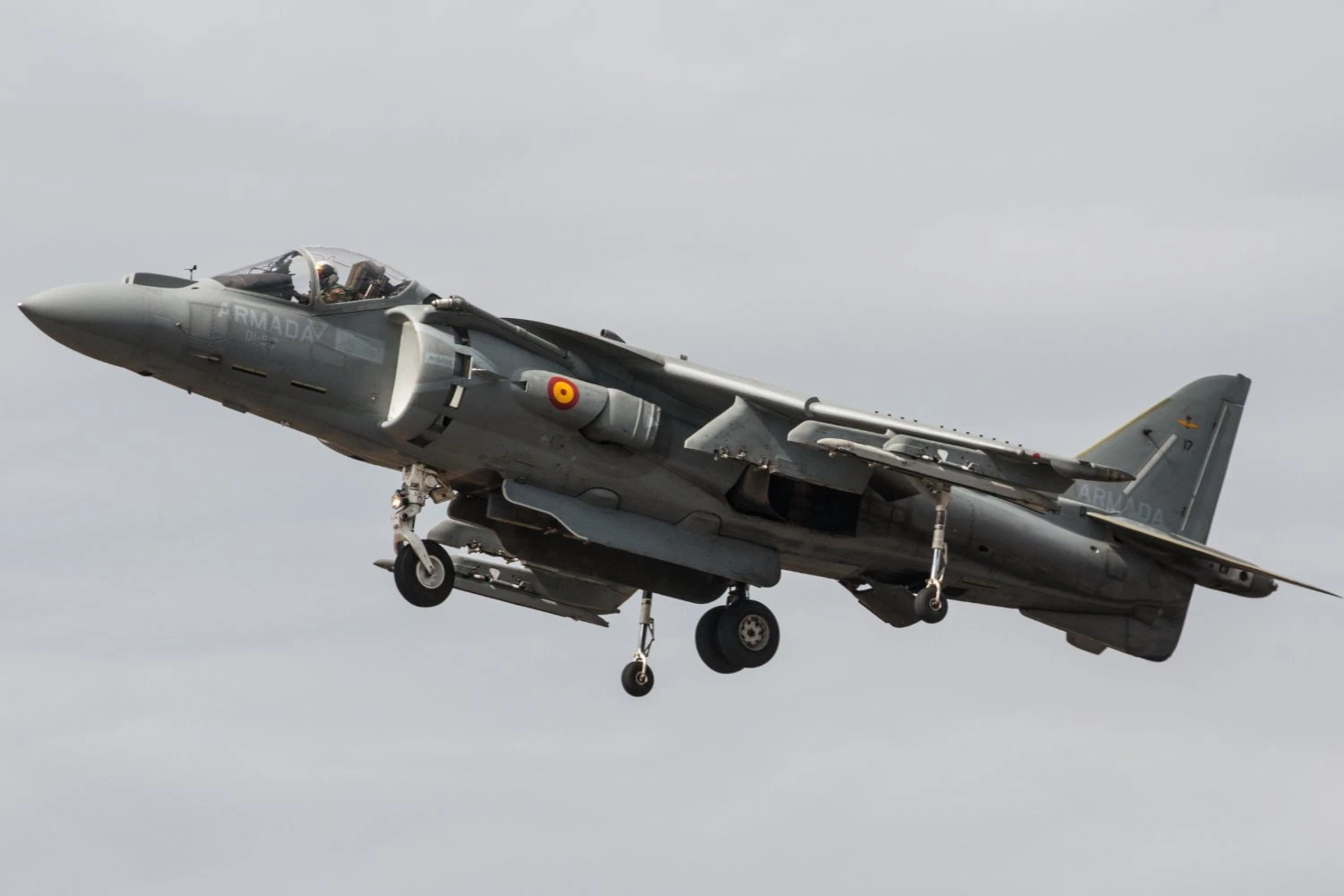
Spain has decided to extend the service life of its F/A-18 Hornet and AV-8B Harrier II fleets into the 2030s, postponing a near-term replacement with fifth-generation aircraft and maintaining flexibility as the Future Combat Air System (FCAS) program remains uncertain.
The Spanish government will keep around 60 F/A-18s in service until approximately 2040, significantly beyond earlier plans to retire the type around 2030. The extension is expected to increase maintenance complexity and costs, but allows the air force to sustain operational capability while deferring a major procurement decision.
The navy’s EAV-8B Harrier II fleet will also remain in service until at least 2032. Continued operation will depend in part on access to spare parts from international partners, including Italy and the US Marine Corps, creating potential supply risks over time. Despite being the intended successor, the F-35B is not currently a priority for Spain.
Madrid has also paused discussions on acquiring the F-35A and F-35B, shifting its focus toward European solutions. The Eurofighter remains the backbone of Spain’s combat fleet, with 45 additional EF-2000 T4 aircraft on order under the Halcon program to replace older units and reinforce capabilities in the near term.
The longer-term plan centers on the FCAS program, which Spain joined alongside France and Germany in 2019. However, the program has faced delays and internal disputes, with its next phase stalled since late 2024. Timelines for entry into service have already slipped toward the mid-2040s.
By extending its existing fleets and avoiding an immediate commitment to imported fifth-generation fighters, Spain is maintaining operational continuity while preserving options for future procurement.
The approach also limits exposure to geopolitical pressures tied to transatlantic defense relations, while keeping Madrid engaged in a potential European next-generation fighter program.