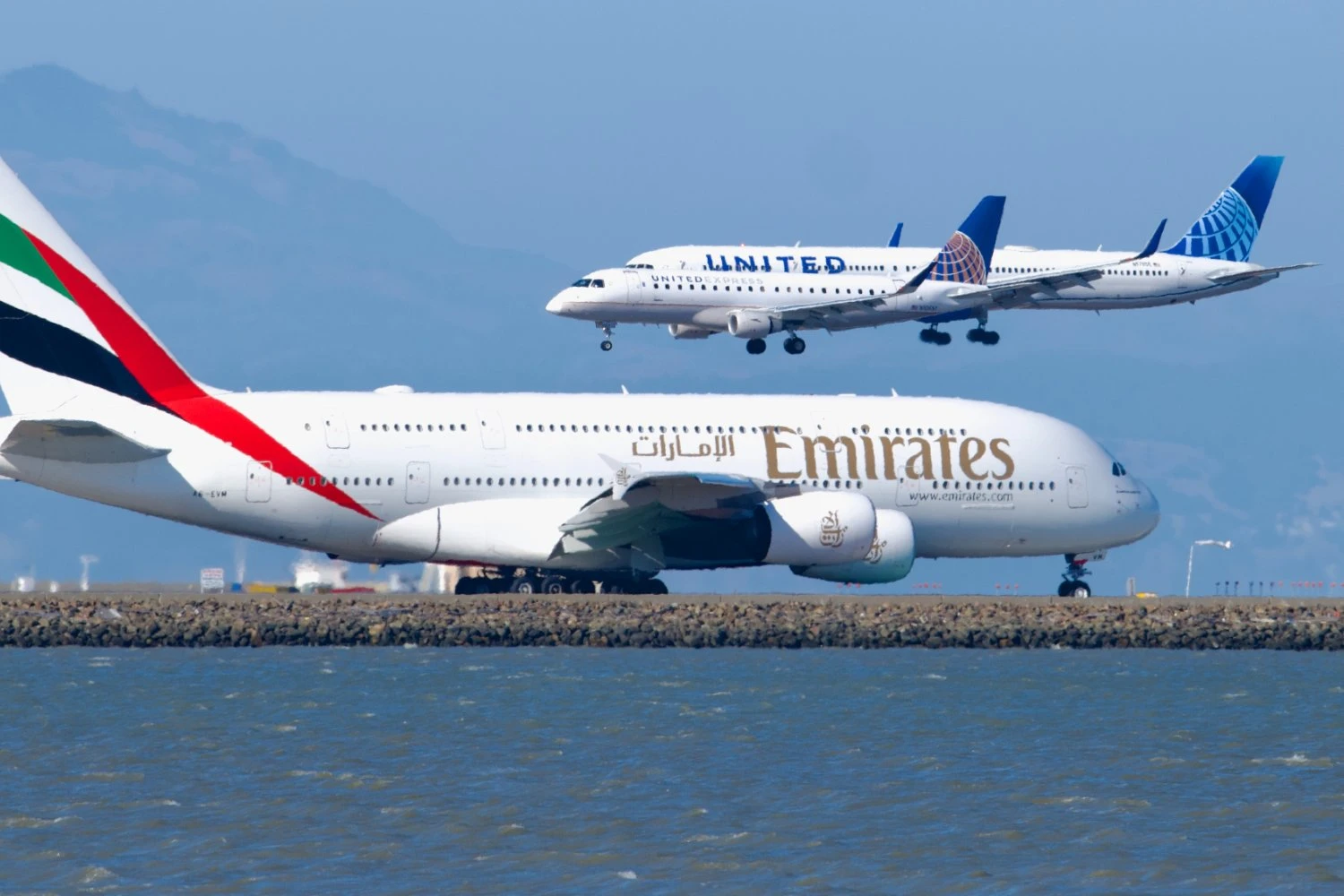
 Airports
San Francisco International Airport has faced reduced capacity and longer delays after the Federal Aviation Administration (FAA) imposed new operational restrictions linked to runway works and safety concerns.
The agency has cut the airport’s maximum arrival rate from 54 to 36 flights per hour, a reduction of one-third, combining temporary construction impacts with a new rule affecting how aircraft approach the airport.
Part of the reduction is tied to a runway repaving project that has taken one set of parallel runways out of service for approximately six months. With fewer runways available, overall capacity is already constrained.
At the same time, the FAA has banned simultaneous side-by-side landings on the airport’s closely spaced parallel runways, even in clear weather. Instead, aircraft must now perform staggered approaches, with one jet offset from the other.
The restriction addresses concerns over the proximity of the runways, which are separated by about 750 feet, and the complexity of the surrounding airspace in the San Francisco Bay Area, where multiple major airports operate in close coordination.
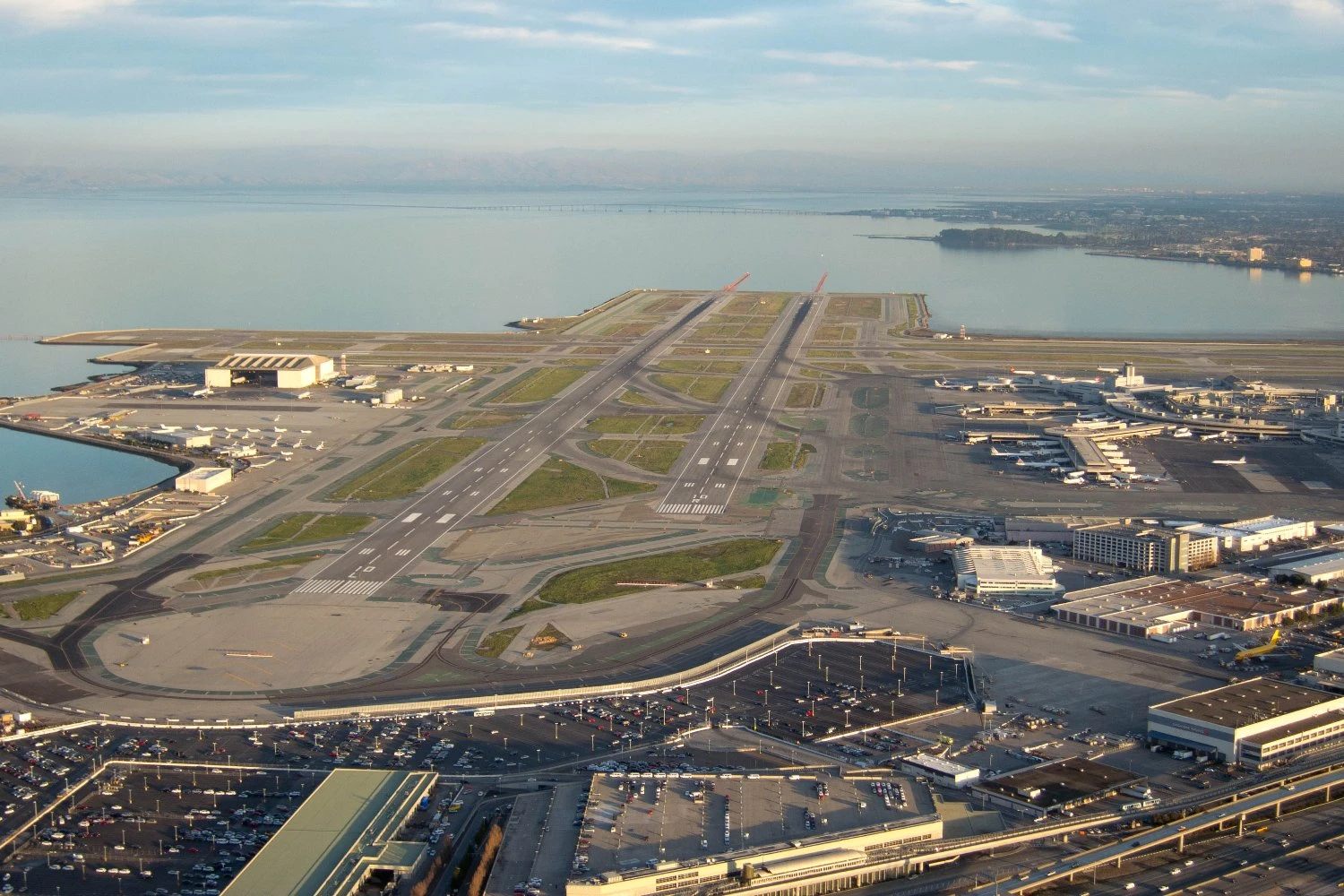
According to the FAA, the change is intended to reduce risks associated with visual separation between aircraft during parallel approaches. The agency said it does not plan to reverse the rule once the runway construction is completed.
The combined impact of the construction and the new landing procedures is expected to significantly affect operations. Airport officials now estimate that around 25% of arriving flights could be delayed by at least 30 minutes, up from an earlier projection of about 15%.
Airlines are assessing how the changes will affect their schedules. United Airlines, which accounts for roughly half of passenger traffic at SFO, said the runway works may lead to delays, while Alaska Airlines indicated the situation remains fluid as adjustments are made.
The FAA has recently introduced a series of tighter safety measures across the U.S. airspace system, including limits on visual separation practices, following recent incidents and near misses involving aircraft and helicopters near major airports.