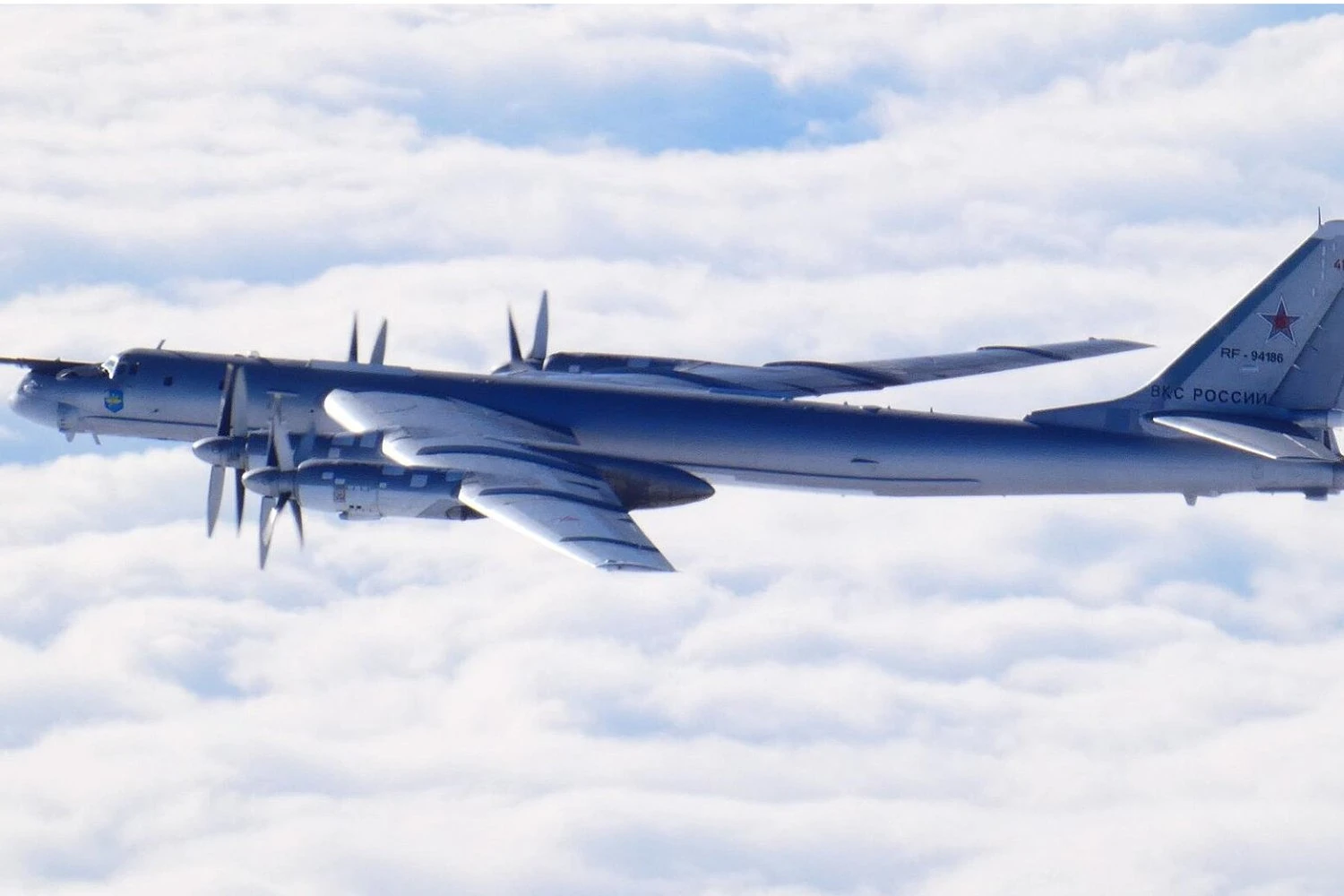
A Russian Tupolev Tu-95 strategic bomber crashed during a training flight in the country's Far East on Tuesday, killing six of the seven crew members aboard.
The Russian Defense Ministry confirmed that the aircraft went down in the Amur region and said one crew member survived and was taken to a hospital. The bomber was not carrying weapons during the flight, according to the ministry.
The aircraft was identified as a Tu-95MS, the long-range missile-carrying version of the distinctive four-engine turboprop known by the NATO reporting name Bear.
The Tu-95 is one of the oldest military aircraft designs still performing its original strategic role. The prototype first flew in November 1952 and the type entered Soviet Long-Range Aviation service in 1957, during the same period in which the Boeing B-52 was entering service in the United States.
Follow Air Data News: WhatsApp | Instagram | LinkedIn | Twitter | Facebook
Like the B-52, however, the aircraft operating today are not the original production versions. The Tu-95MS was developed decades later as a carrier for long-range cruise missiles, drawing heavily on the Tu-142 maritime patrol branch of the family.
Tu-95MS production began in 1981 and continued until early 1992, first at Taganrog and later at Kuibyshev, now Samara.
Cold War design remains in combat use
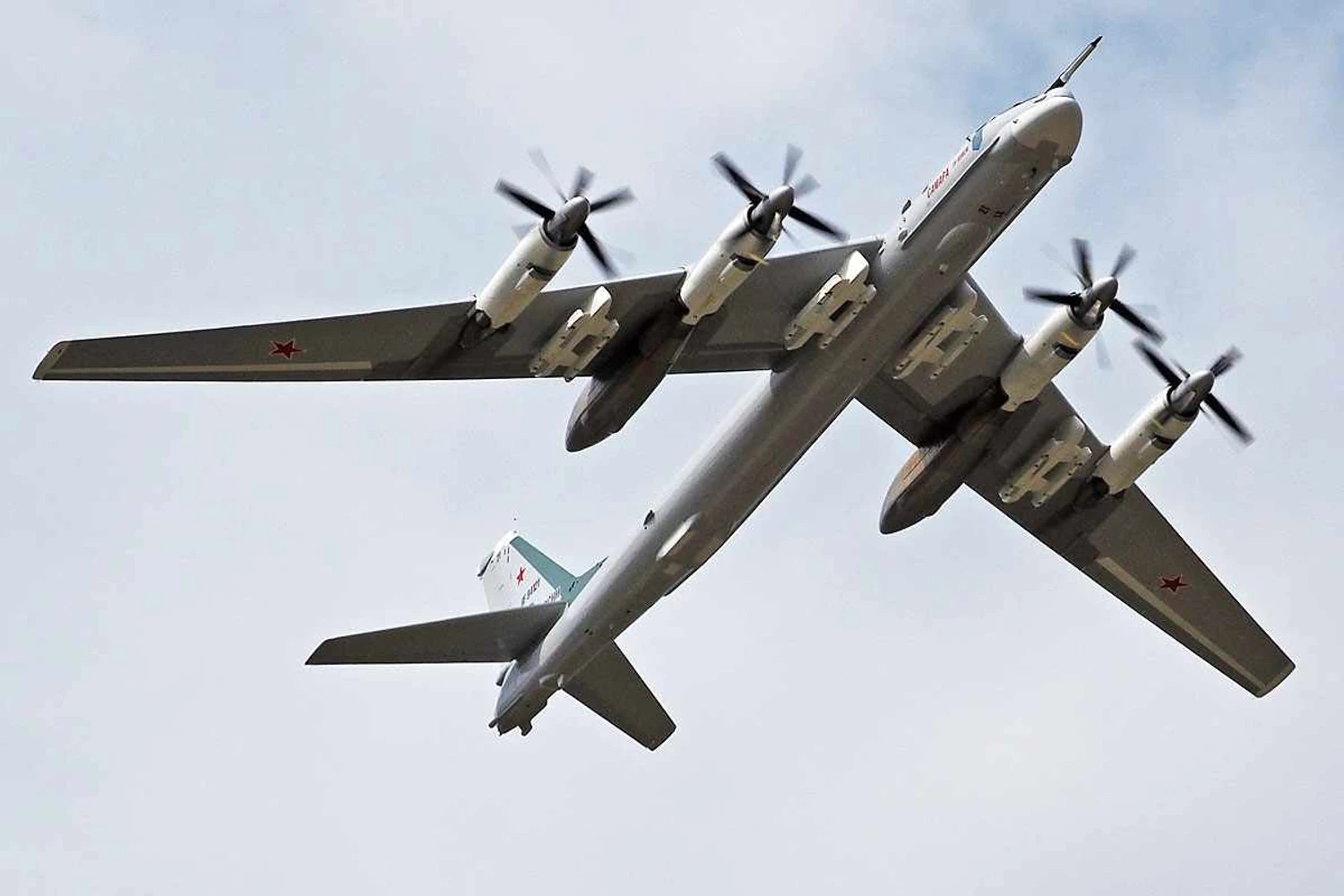
The Tu-95 retains one of the most unusual propulsion arrangements among combat aircraft still in service. Four Kuznetsov NK-12 turboprops drive eight-blade contra-rotating propellers, an arrangement selected to combine high speed with the range required for intercontinental missions. Its swept-wing configuration also dates to the original design conceived in the early 1950s.
Russia has continued to update the aircraft rather than replace it. Tu-95MS bombers have been modified to employ newer long-range cruise missiles, while the more extensive Tu-95MSM program introduces changes to avionics, navigation and other onboard systems.
The bomber has remained particularly relevant during the war in Ukraine. Russia has repeatedly used Tu-95MS aircraft as launch platforms for Kh-101 cruise missiles, allowing the bombers to attack targets from well outside Ukrainian airspace.
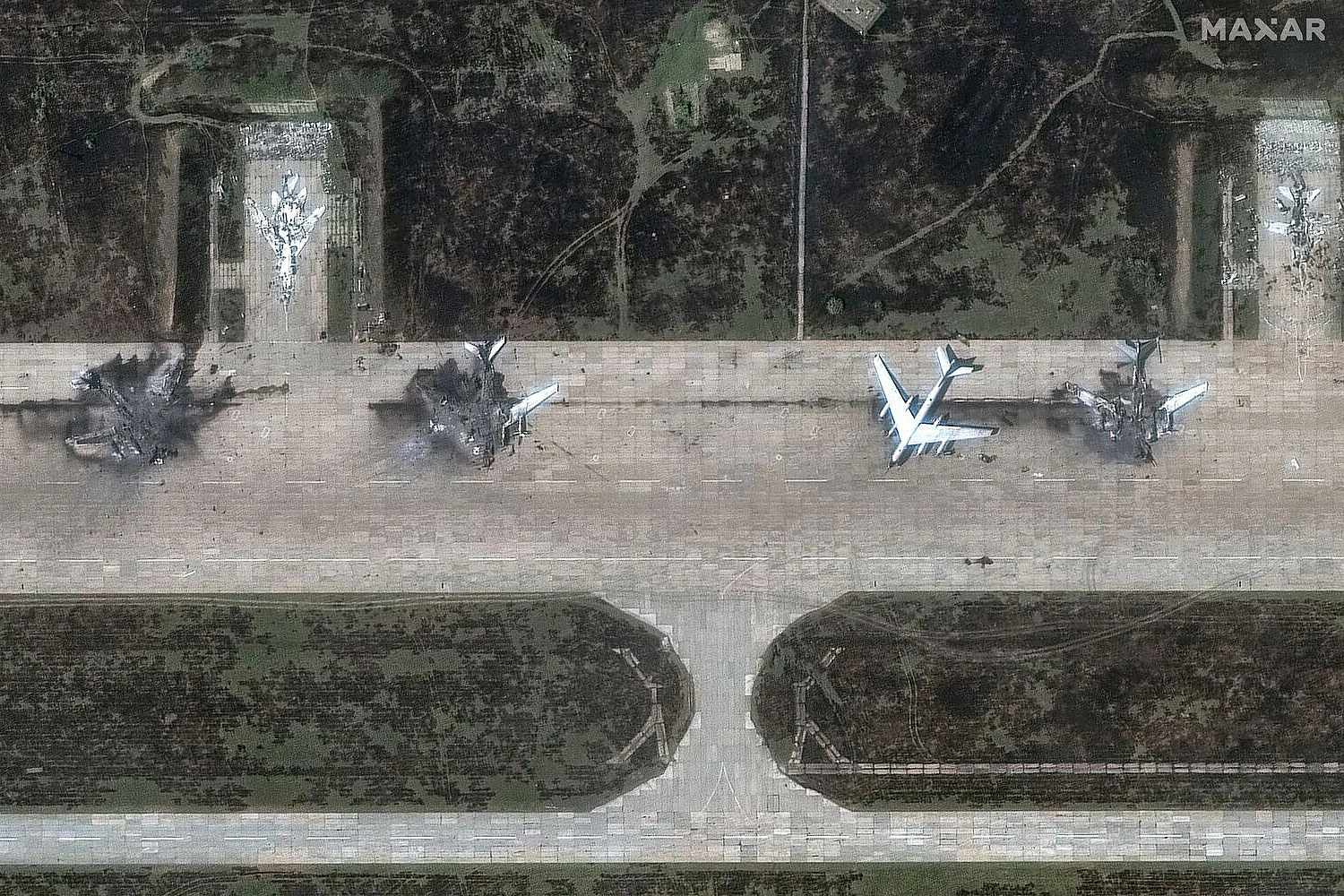
That role has also made the aircraft a target for Ukraine. Tu-95s were among the Russian strategic aircraft struck during Ukraine's large-scale drone attack against several air bases in June 2025, while additional aircraft have subsequently been targeted at bases used by Russia's Long-Range Aviation.
Unlike newer Russian combat aircraft, lost Tu-95MS airframes cannot be replaced with new production. The final examples were built more than three decades ago, while Russia's next-generation PAK DA strategic bomber program has yet to produce an operational replacement.