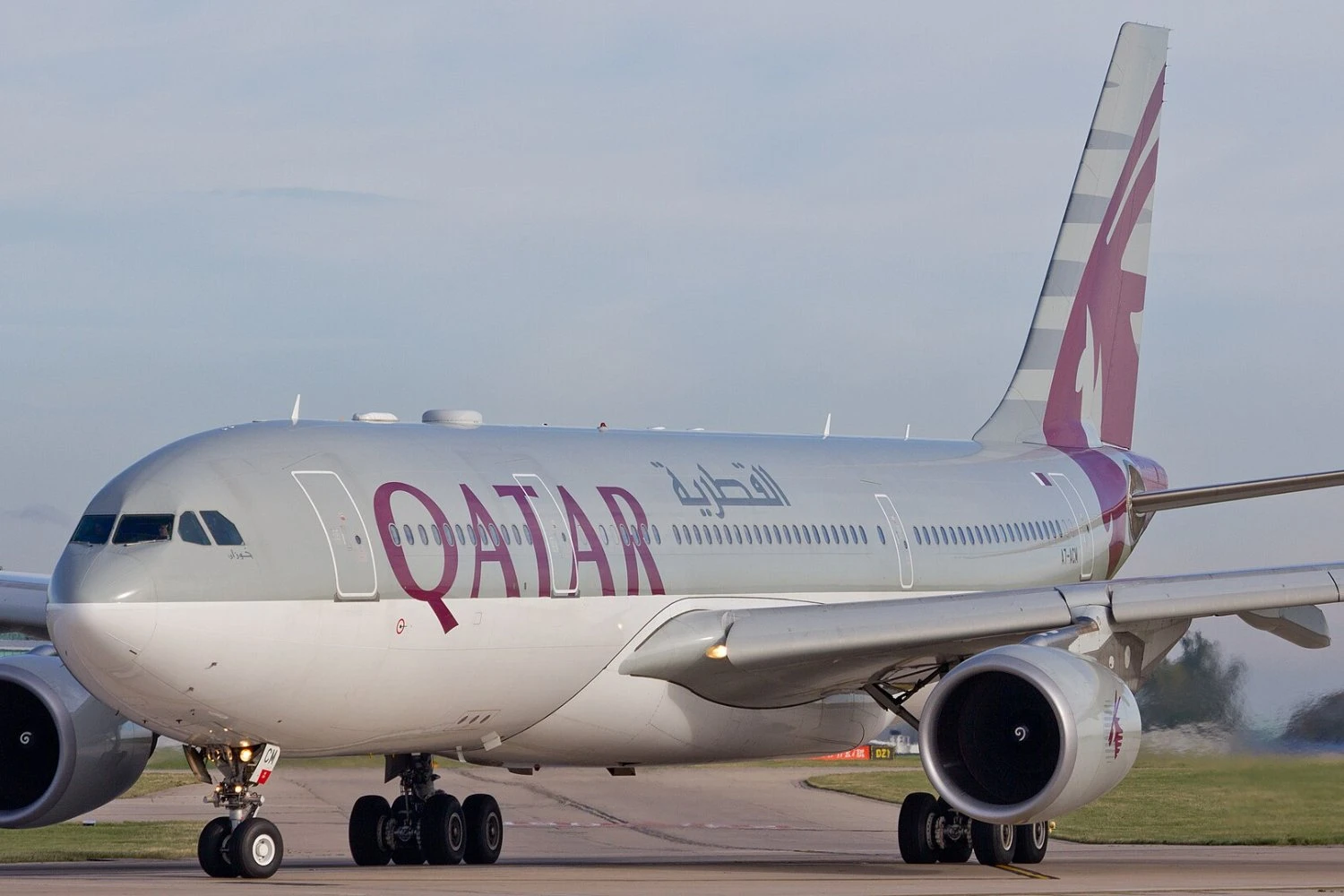
Qatar Airways has permanently retired its remaining Airbus A330 passenger aircraft, nearly seven months after the jets stopped flying when the war with Iran disrupted operations across the Gulf.
The decision was reported by Reuters on Friday, citing people familiar with the matter and flight data. Qatar Airways has also begun temporarily sending A330 pilots to RwandAir, which continues to operate the type.
The retirement effectively makes permanent a withdrawal that began at the end of February. Flight histories reviewed by Air Data News show Qatar Airways A330s operating regular passenger services until February 27 and 28, when the conflict led to widespread airspace closures and severe disruption to the airline's network.
Among them, A330-200 A7-ACW returned to Doha from Karachi on February 28 after flying to destinations including Tehran, Istanbul and Colombo in the preceding days. A330-300s A7-AEP, A7-AEQ and A7-AER were also operating scheduled services immediately before the disruption.
Follow Air Data News: WhatsApp | Instagram | LinkedIn | Twitter | Facebook
None of the aircraft returned to passenger service when Qatar Airways gradually restored its network.
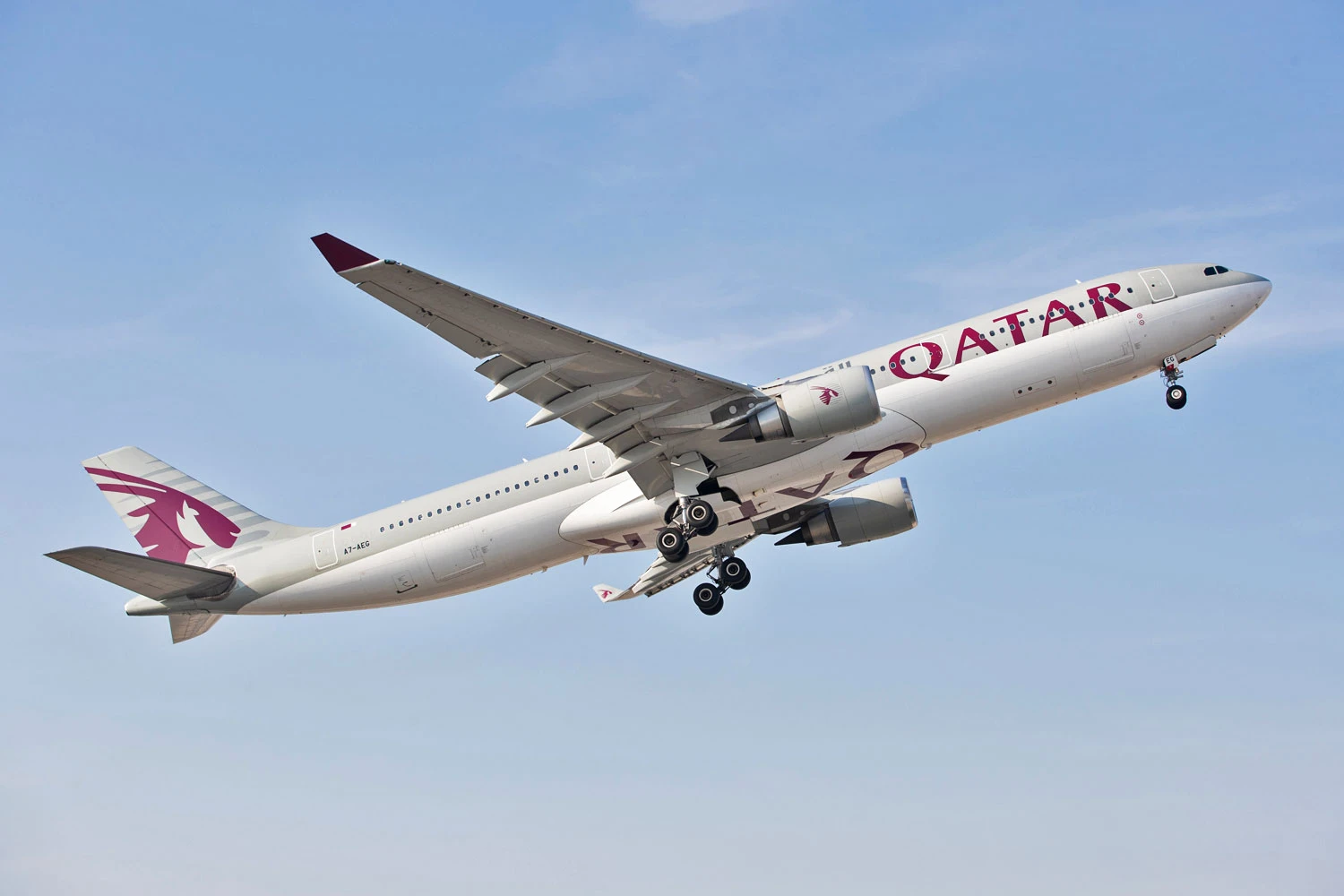
A330s sent to storage
Qatar Airways began moving A330s away from Doha in March as it reduced the number of aircraft required for its smaller schedule.
Four former Oman Air aircraft — A7-ACU, A7-ACW, A7-ACX and A7-AEP — flew from Doha to the aircraft storage facility at Teruel, Spain, on March 18. More A330s followed, including A7-AEQ and A7-AER later that month.
Several have since returned to Qatar but remained out of commercial service. A7-ACW, for example, returned from Teruel in late June and is currently stored at Doha International Airport, according to fleet records.
The decision ends a relatively short second career at Qatar Airways for some of the aircraft. The airline added six former Oman Air A330s to its own fleet during 2025, including three A330-200s and three A330-300s.
A7-AEP entered Qatar Airways service in May 2025, followed by A7-AEQ in June, A7-ACW in July and A7-ACX in August. Flight records show the aircraft were subsequently used on regular services to destinations including Warsaw, Prague, Istanbul, Colombo, Karachi and Muscat.
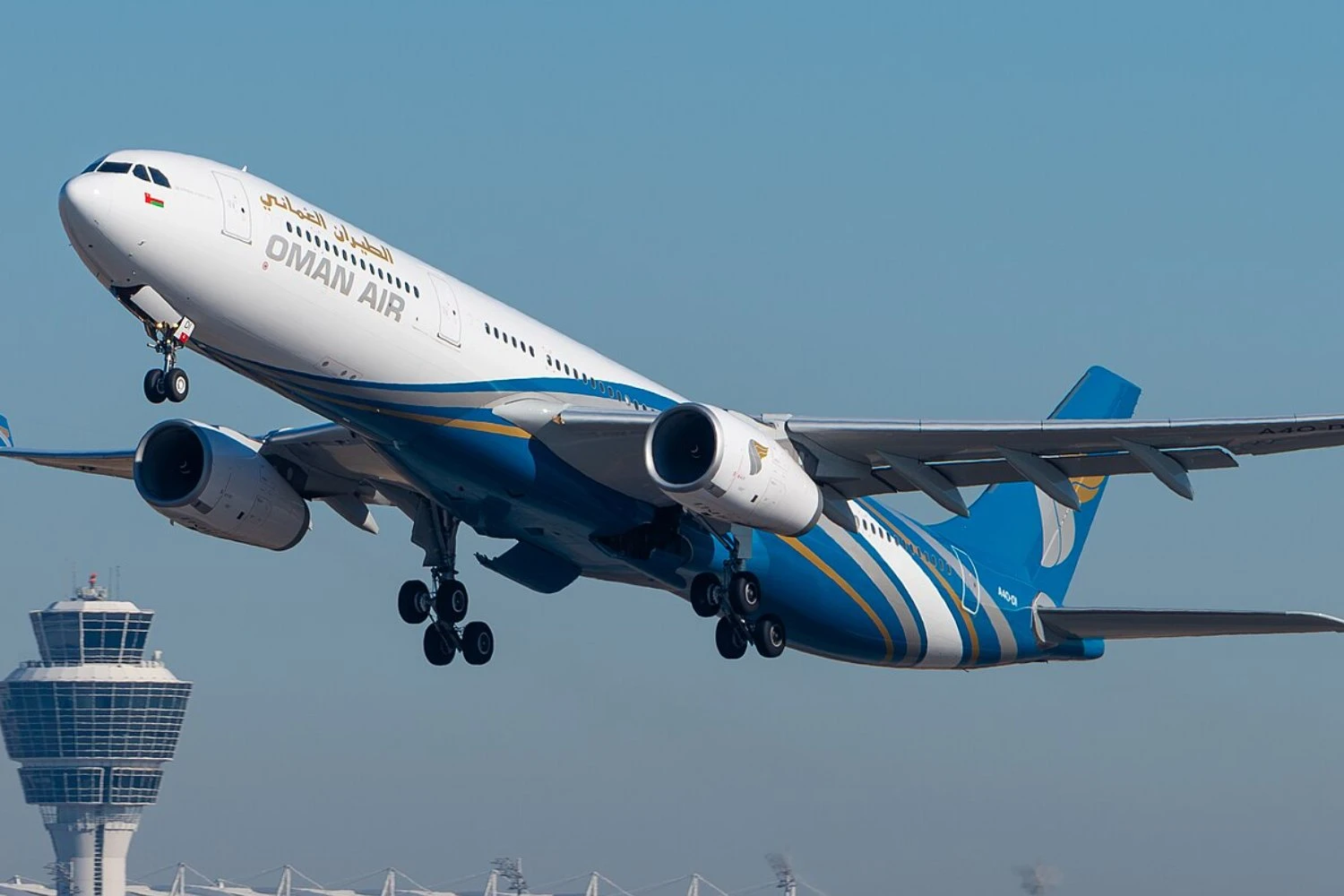
Their return to service had given Qatar Airways additional widebody capacity while aircraft manufacturers struggled with delivery delays. The jets were already between approximately 11 and 17 years old when transferred from Oman Air.
Higher fuel prices change economics
The prolonged conflict has changed the economics of keeping older widebody aircraft in service. Jet fuel prices have roughly doubled since the war began, according to Reuters, increasing pressure on aircraft that consume more fuel than newer-generation types.
Qatar Airways operates large numbers of Airbus A350s and Boeing 787s and has hundreds of new aircraft on order. The airline expects to receive 138 new aircraft over the next five years.
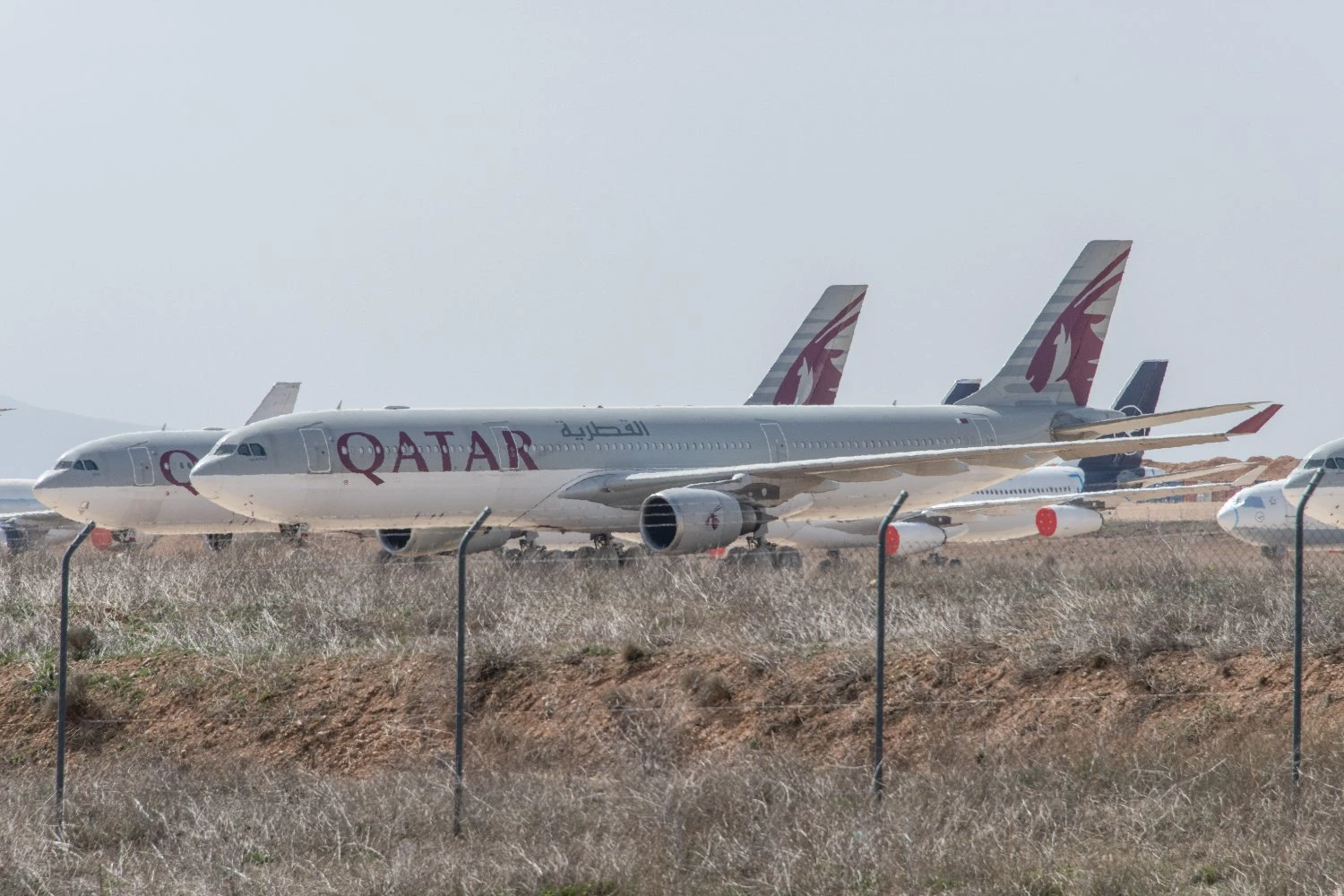
The end of A330 operations is also affecting flight crews. Qatar Airways is temporarily seconding more than a dozen A330 pilots to RwandAir, according to news agency.
The Rwandan carrier received an additional A330-200 in August. The aircraft, registered 9XR-WS, previously flew as A4O-DC with Oman Air and had spent much of 2025 parked in Doha before eventually being transferred to RwandAir.