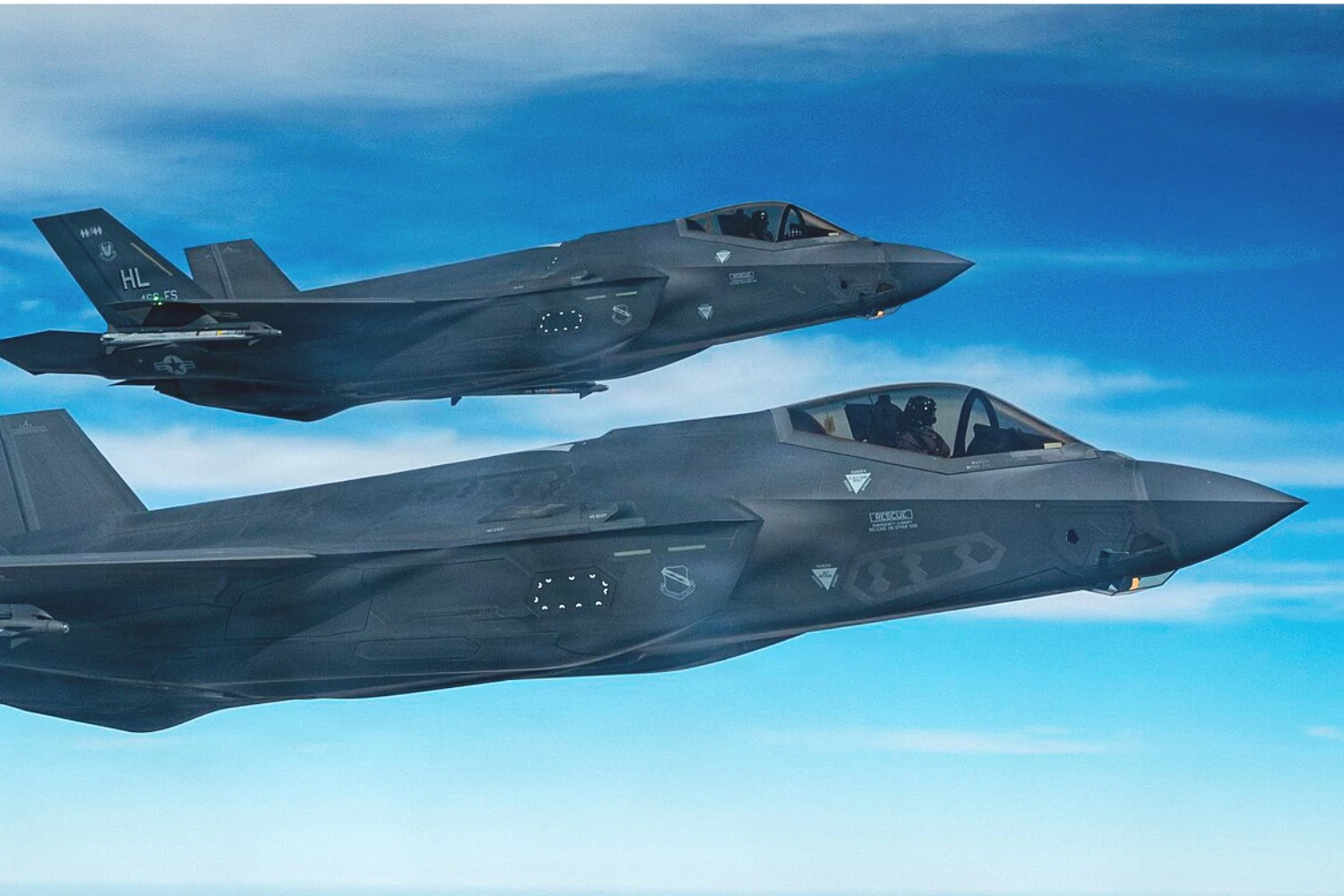
The U.S. Department of Defense and Lockheed Martin have reached a framework agreement intended to secure production and support of the F-35 Lightning II fighter for another decade, including at least 850 aircraft for the U.S. military.
The agreement announced on Thursday does not constitute an order for 850 fighters. It establishes the basis for future contracts covering Lots 21 through 30 and remains subject to multiyear procurement authority and funding from Congress.
Once those approvals are obtained, the F-35 Joint Program Office and Lockheed Martin will negotiate prices, schedules and other terms before formal contracts are awarded.
The framework calls for production to remain at 156 F-35s per year. That figure includes aircraft for the United States as well as international partners and Foreign Military Sales customers, rather than 156 U.S. fighters annually.
Follow Air Data News: WhatsApp | Instagram | LinkedIn | Twitter | Facebook
The U.S. portion establishes a minimum of 850 aircraft over the ten-year period. International orders would be produced alongside them, potentially taking total output well beyond 1,000 fighters during Lots 21-30.

Reuters reported that Lockheed Martin will also finance at least US$7 billion in initiatives supporting the F-35 program as part of the arrangement.
A different way to buy the F-35
The agreement would change the way the Pentagon purchases its largest combat aircraft program. Instead of providing industry with relatively short production commitments negotiated through individual lots or groups of lots, the government wants to establish demand extending across a decade.
Lockheed Martin argues that the longer horizon will allow suppliers to purchase materials in larger quantities, invest in production capacity and manage obsolescence without waiting for annual contracting decisions.

The arrangement extends beyond aircraft production. It includes initial spare parts associated with the new fighters, modification kits and ten years of sustainment requirements for the F-35 fleet.
The Pentagon also expects the structure to improve availability by increasing stocks of components and reducing repair turnaround times. Lockheed said the combination of larger procurement volumes and longer contracts should reduce costs, although no value has yet been established for the overall framework.
The company said the program would maintain approximately 317,000 U.S. jobs and generate about US$79 billion in annual economic activity during the period.
Lots 21 through 30
The ten-year proposal comes shortly after the Pentagon and Lockheed Martin completed negotiations for Lots 18 and 19.
Those two production lots cover 296 F-35s, with 148 aircraft in each, for the U.S. military, international program partners and Foreign Military Sales customers. The Lot 18 production contract alone is valued at approximately US$12.5 billion.
Negotiations involving Lot 20 and subsequent production remain underway. Lockheed said on Thursday that its future operations and cash flow could be affected if additional contractual authorization and funding are not received.
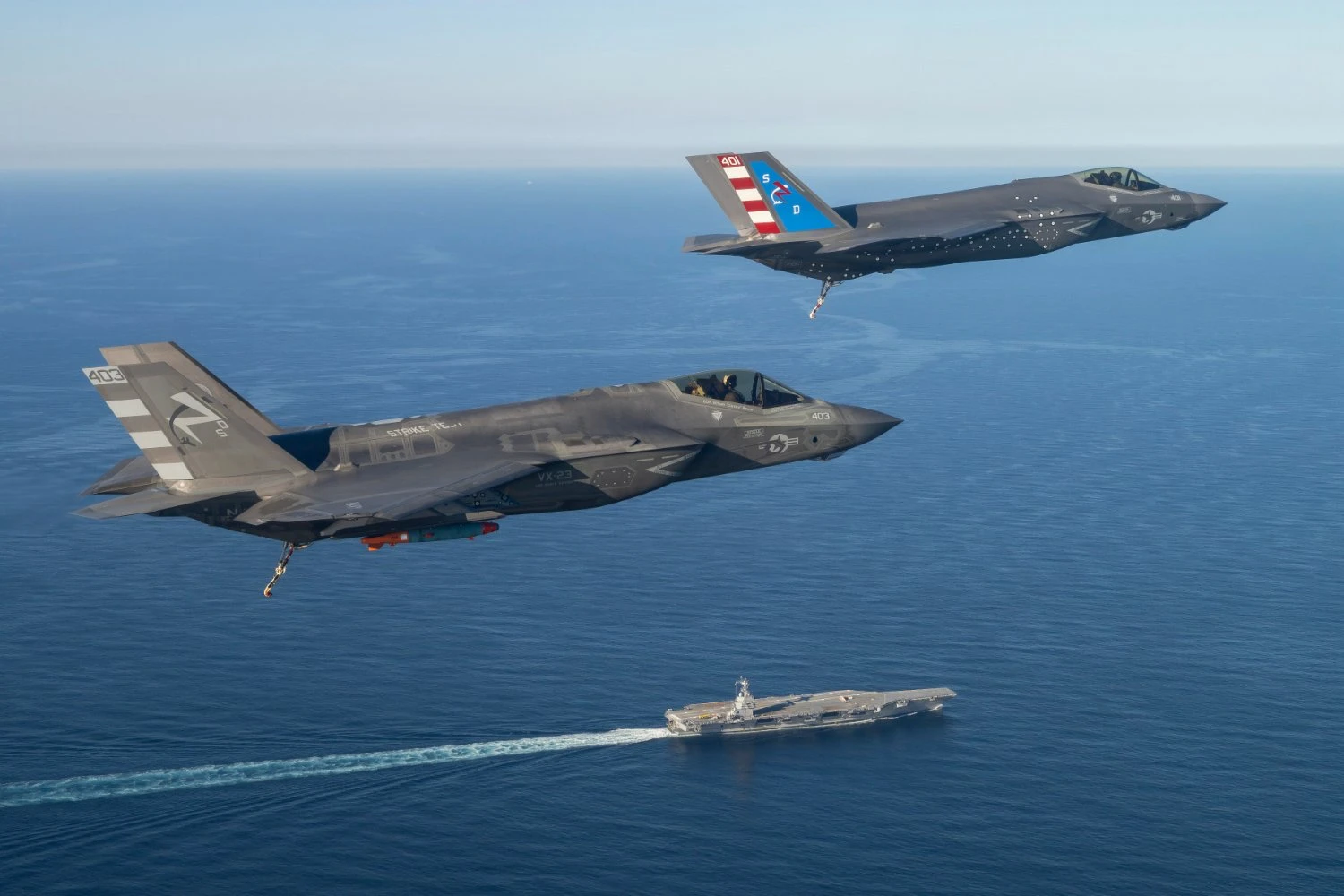
The new framework would then provide a longer procurement structure covering Lots 21 through 30, rather than requiring the Pentagon and Lockheed Martin to repeatedly establish production commitments over much shorter periods.
International demand will be important to sustaining the proposed rate of 156 aircraft annually. The F-35 is currently operated from 42 bases worldwide, with 13 countries operating the fighter from their own territory, according to Lockheed Martin.
More than 1,375 F-35s have now been fielded globally and the fleet has accumulated more than one million flight hours. The family comprises the conventional takeoff and landing F-35A, the short takeoff and vertical landing F-35B and the carrier-capable F-35C.