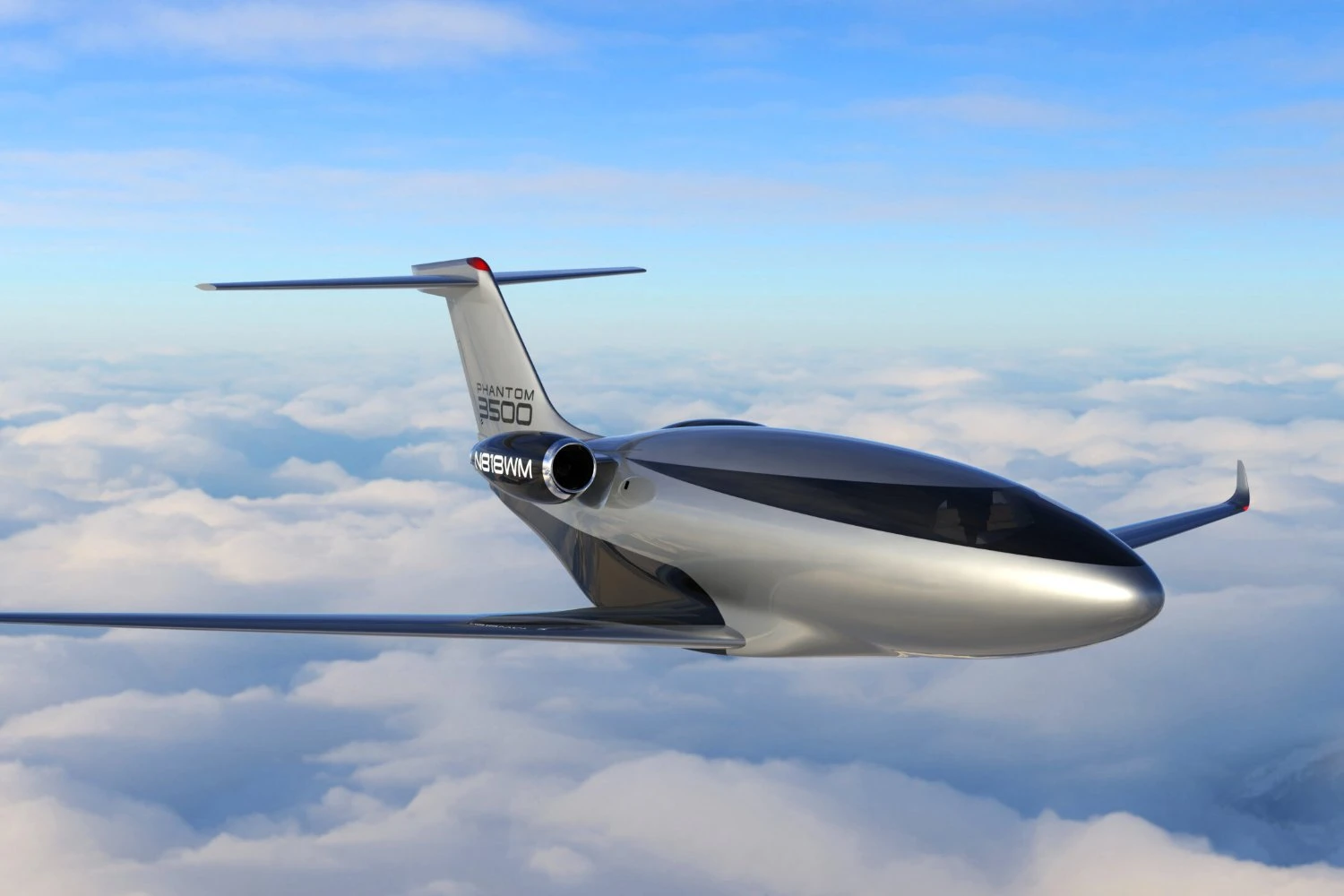
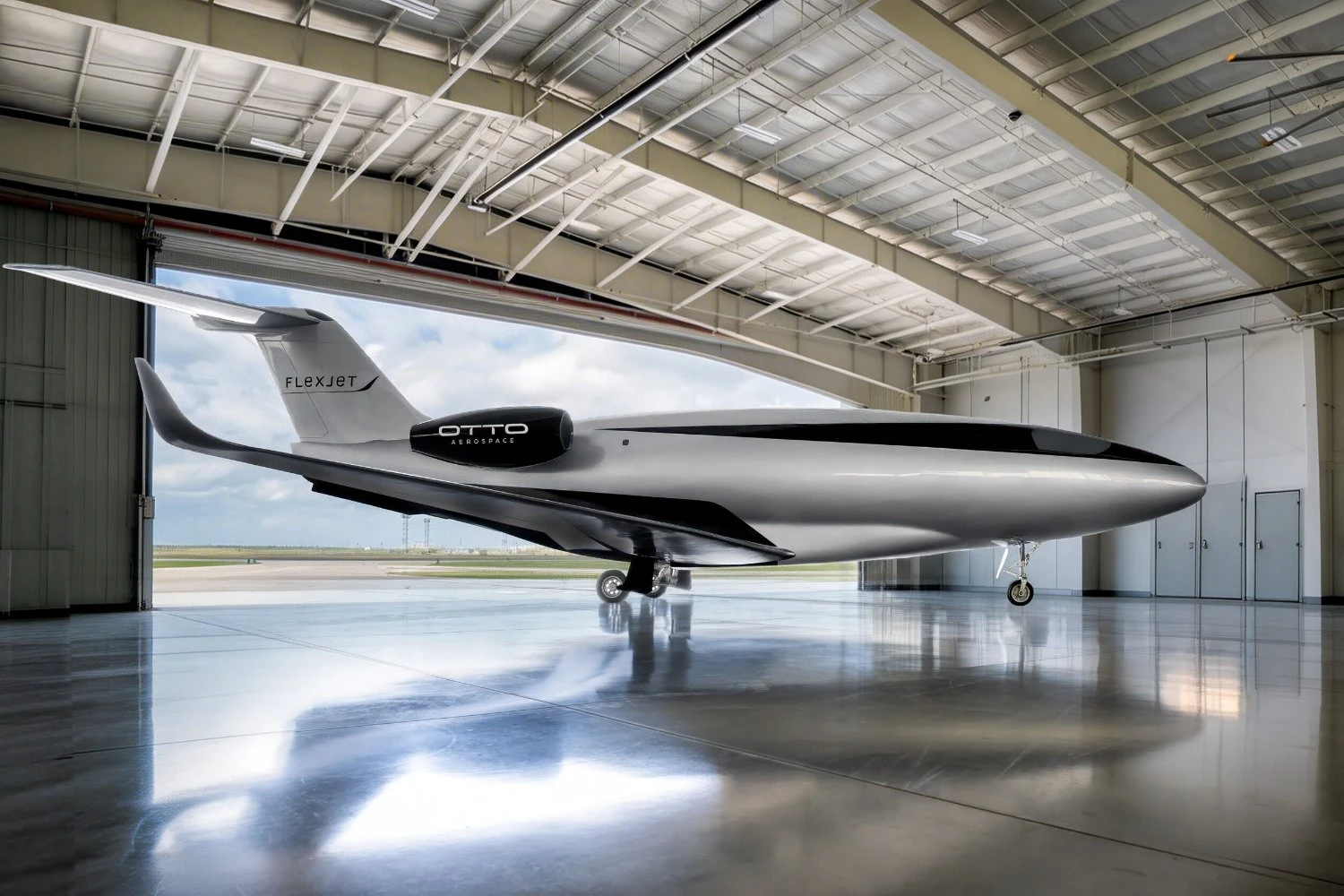
Otto Aerospace has locked down the aerodynamic design of its Phantom 3500 business jet, a move that allows the company to begin building the first flight-test vehicle and ordering long-lead components from suppliers.
The preliminary design review, completed at the end of February at the company's future headquarters site at Cecil Airport in Jacksonville, Florida, confirmed the aircraft's fundamental configuration. Range, speed, cabin dimensions, fuel burn, and maximum takeoff weight all remain unchanged from the concept unveiled in September 2025.
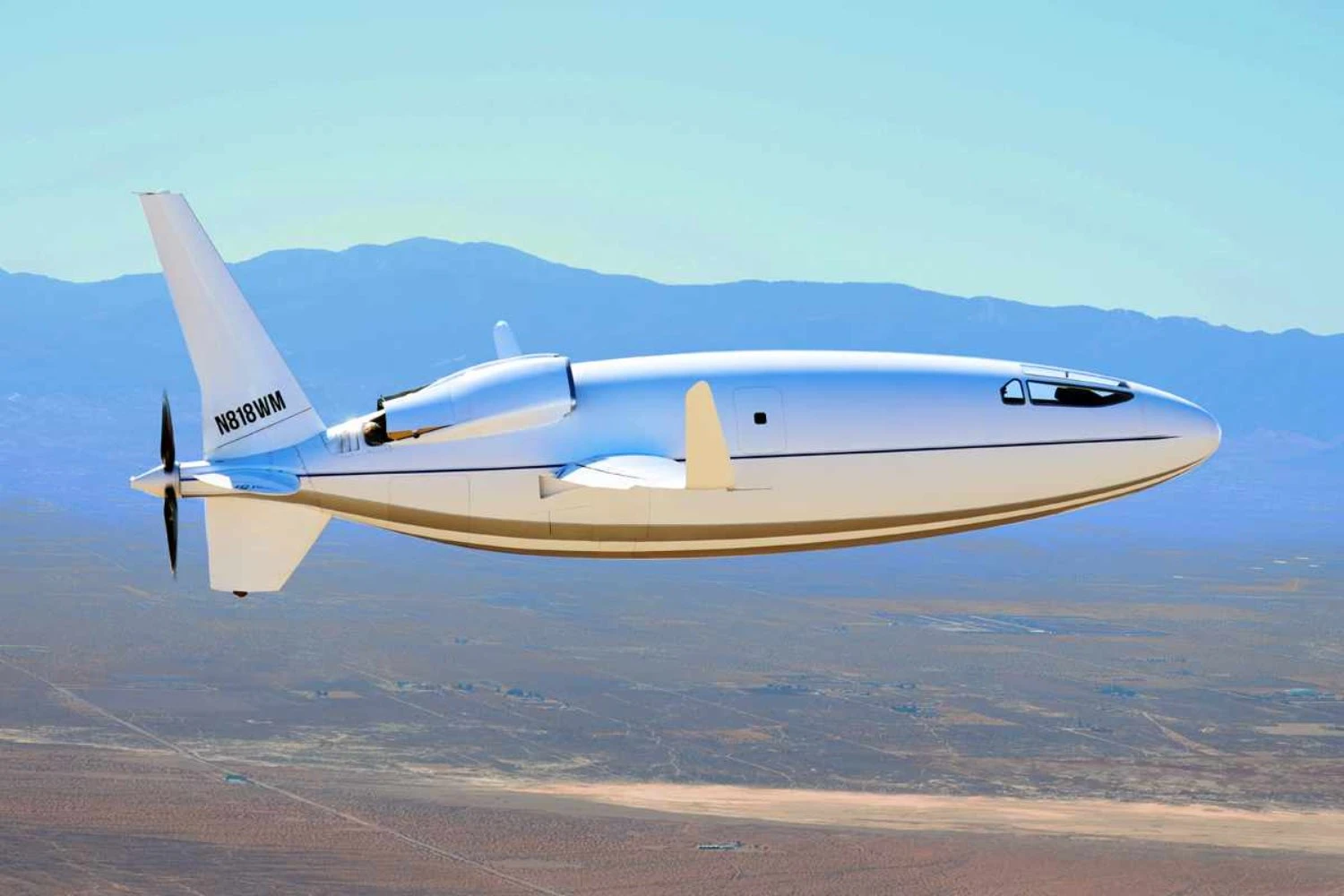
The Phantom 3500 relies on natural laminar flow aerodynamics to cut drag. Otto says the technology was proven on the Celera 500L demonstrator, which flew in 2018 and achieved a 59% drag reduction compared to conventional aircraft of similar size.
On the production jet, a slotted NLF wing is designed to maintain smooth airflow over 85–90% of its upper and lower surfaces, a sharp increase from the less than 20% typical on a conventional wing. The result, Otto projects, is a fuel-burn reduction of more than 60%.
Related news
September 18, 2026

Despite a maximum takeoff weight of 19,000 pounds that places it in the light-jet category under FAA Part 23 rules, the Phantom 3500 targets a 3,500-nautical-mile range and a 51,000-foot ceiling.
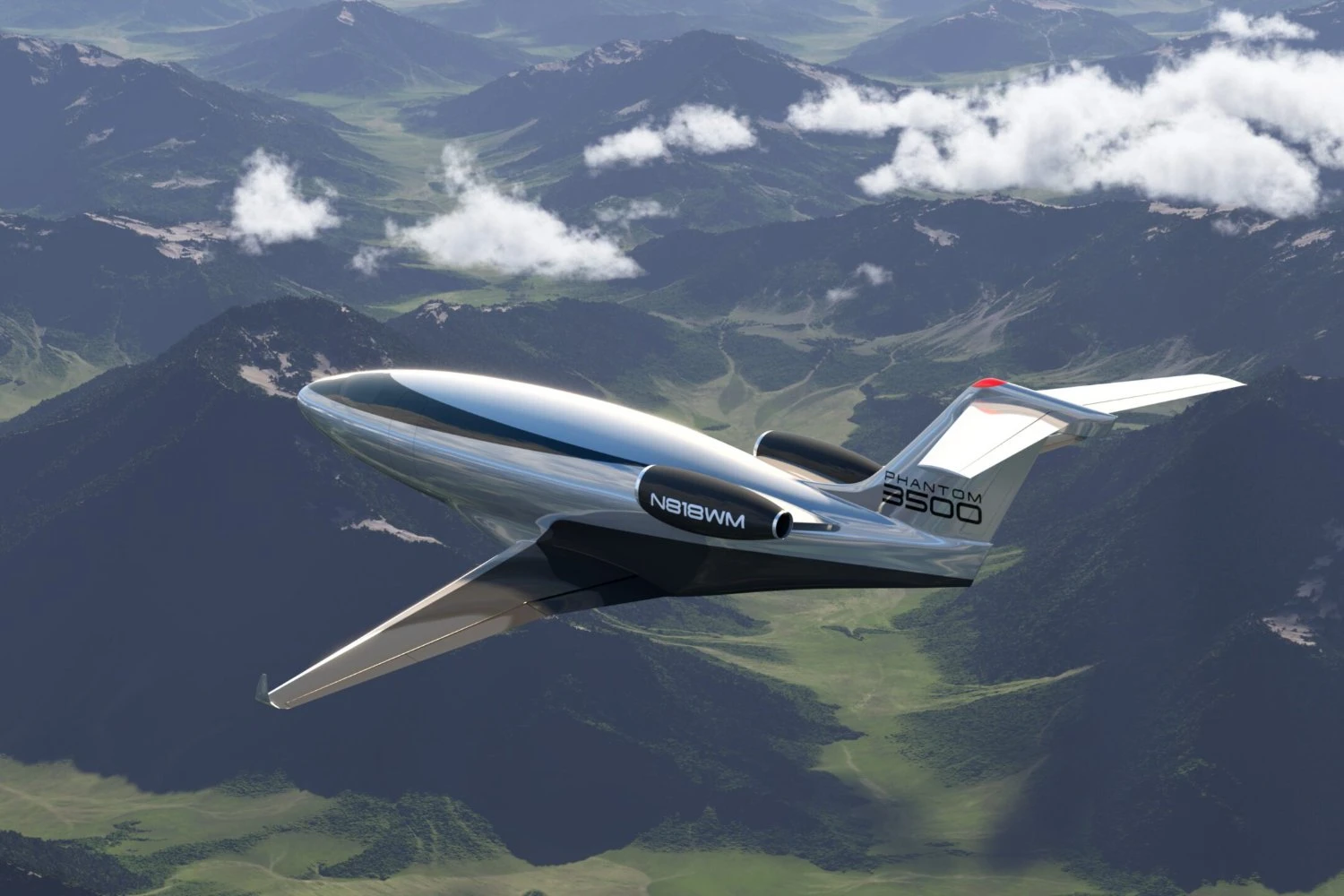
The cabin is designed with a flat floor, a height of 6.4 feet, a width of 7.5 feet, and a total volume of 800 cubic feet, comparable to super-midsize jets certified under the more stringent Part 25 framework. The exterior is windowless; external cameras feed large interior screens to provide outside views.
The design freeze follows a period of testing and refinement. Wind-tunnel work identified airflow separation in the tail section, leading to adjustments in the stabilizer volume, empennage placement, and aft-fuselage length. The company described the changes as standard iterative work to maximize laminar-flow coverage.
Firm commitment for 300 aircraft
With the PDR complete, Otto has placed orders for landing-gear forgings with Mecaer and selected its core supplier base. Leonardo will build the fuselage, and Sonaca will supply the wing and empennage. Williams International provides FJ44-4QPM engines. For ice protection, tests with Cox & Company and Pennsylvania State University showed that the wing leading edges will not require electric heating blankets; instead, Cox's electro-mechanical expulsion deicing system will be used. The empennage ice-protection strategy is still under evaluation.
The cockpit will feature a Garmin G3000 Prime integrated avionics suite with Autoland for production aircraft, while the first flight-test vehicle will use a federated Garmin setup. The interior supplier is F/List, which has been brought in at an early stage to co-develop bespoke cabin solutions.
Otto plans to build four flight-test vehicles. Assembly will initially take place in a 125,000-square-foot hangar at Cecil Airport, the former Boeing facility that will house the company during construction of its permanent campus. The Jacksonville location was secured with a nearly $500 million incentive package from Florida in July 2025.
The company currently operates out of Fort Worth, Texas, where the first composite layups for the flight-test article are underway, but the full relocation to Florida is expected by the end of the year.
Otto is actively raising Series C funding. An initial tranche from internal investors has been secured and is expected to cover operations through the first quarter of 2028, past the planned first flight of FTV1 in late 2027.
The company has received a firm commitment for 300 aircraft from fractional-ownership operator Flexjet, a deal valued at up to $6 billion at the aircraft's $19.5 million list price. Some individual buyers have also committed to orders. Otto plans to open the order book officially next year.